The foundation of exceptional cooking often lies not in complicated techniques but in the quality and creativity of seasonings. Herb and ginger salt blends represent a fusion of culinary tradition and personal taste, offering home cooks an opportunity to elevate everyday meals with sophisticated flavor profiles. Unlike mass-produced seasonings laden with additives, homemade blends allow you to control every ingredient while developing a signature taste that reflects your preferences.
Understanding the Components of Herb and Ginger Salt
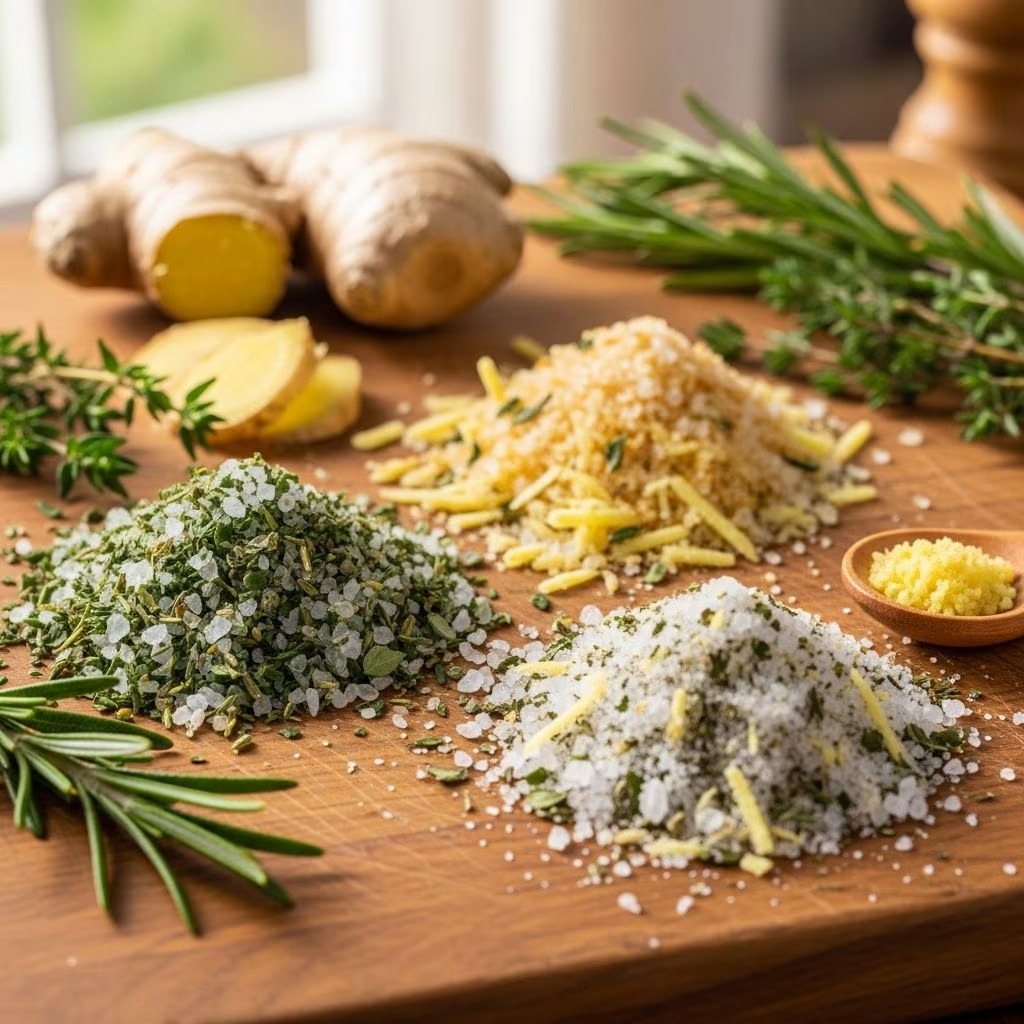
Creating a memorable herb and ginger salt begins with understanding how each component contributes to the final product. Salt serves as the foundational element, acting as both a flavor amplifier and a natural preservative that extends the shelf life of your blend. When selecting salt, opt for coarse varieties such as sea salt or kosher salt, which provide superior texture and mineral content compared to refined table salt. The quality of your salt genuinely matters—using unrefined sea salt creates a clean, mineral-rich base that allows the true essence of your herbs and spices to shine through without being overpowered.
Ginger brings warmth and depth to the blend, offering both pungent aromatic qualities and subtle heat. Fresh ginger provides a more vibrant flavor profile than its dried counterpart, though both can be employed depending on your intended applications. The inclusion of ginger transforms a basic herb salt into something more complex and memorable.
Fresh herbs form the aromatic backbone of your seasoning blend. Herbs such as parsley, basil, thyme, rosemary, oregano, and cilantro each contribute distinct flavor notes and can be combined in various proportions to create entirely different taste experiences. The choice between hearty, resilient herbs like rosemary and thyme versus more delicate options like dill or chervil depends on your desired intensity and culinary vision.
Selecting Your Ingredients Strategically
The journey toward crafting an exceptional herb and ginger salt blend begins long before you reach your kitchen. Ingredient selection determines the quality and character of your final product. When choosing fresh herbs, seek vibrant, unblemished leaves with strong aromatic qualities. Avoid herbs that appear wilted, discolored, or damaged, as these characteristics typically indicate diminished flavor potency.
Fresh ginger root should feel firm and have taut skin without wrinkles or soft spots. Older ginger can become fibrous and less flavorful, so selecting younger specimens with smoother skin often yields superior results. If fresh ginger is unavailable or inconvenient, high-quality ginger powder provides an acceptable alternative, though it delivers a different flavor intensity and should be used in smaller quantities.
Consider complementary ingredients that enhance the herb and ginger foundation:
- Garlic powder or fresh minced garlic for savory depth
- Onion powder for subtle sweetness and complexity
- Citrus zest for brightness and acidity
- Black pepper for warming spice
- Additional warming spices like turmeric for specialized blends
Preparation Methods and Techniques
Once you have assembled your ingredients, proper preparation ensures optimal flavor development and texture. The first critical step involves thoroughly cleaning and drying your herbs. Wash them gently under cool running water and pat them completely dry using paper towels or a clean kitchen cloth. Moisture remaining on herbs can promote spoilage and dilute the flavor concentration of your final blend.
Using a Food Processor Approach: For efficiency and consistency, a food processor offers the quickest path to a finished blend. Place your dried herbs and ginger into the processor and pulse gently until you achieve a coarse texture with visible herb flecks. Avoid over-processing, which can transform your blend into a paste and generate heat that diminishes delicate flavor compounds. Your goal is a relatively uniform mixture where individual herb pieces remain visible but are small enough to distribute evenly.
The Traditional Knife and Board Method: For those preferring a more hands-on approach or lacking kitchen appliances, the knife and cutting board method works beautifully. Roughly chop your herbs into small pieces, then add salt to the pile. Continue chopping and mixing the two together, using the salt grains to help break down the herbs further. This meditative process yields excellent texture and allows you to control the final consistency precisely. Many cooks find this method therapeutic while producing superior results to machine processing.
Mortar and Pestle Technique: For dried herbs or when creating smaller batches, a mortar and pestle provides excellent control. Grind your herbs as finely as possible until they transform into a fragrant powder that can be combined with salt. This method works particularly well when incorporating harder spices like dried ginger root powder or turmeric alongside herbs.
Flavor Development Through Aging
Unlike some seasonings that achieve their optimal flavor immediately, herb and ginger salt blends benefit significantly from a resting period. After combining your ingredients, transfer the mixture to an airtight glass container and refrigerate for 7 to 14 days. During this maturation phase, the salt draws moisture from the herbs through osmosis while the flavors gradually meld and intensify. Shake or stir your blend daily to ensure even distribution and optimal flavor development.
This aging process serves multiple purposes. The salt acts as a natural preservative, allowing your blend to remain fresh and flavorful for six months or longer when stored properly. The extended contact between salt and herb oils creates more complex flavor interactions than would occur immediately after processing. This is why patience truly rewards the thoughtful cook—a two-week investment yields noticeably superior results compared to using the blend immediately.
Flavor Combinations and Creative Variations
The true artistry in creating herb and ginger salt lies in exploring flavor combinations that resonate with your palate. Making herb salt transcends strict recipes—it represents more of an intuitive ritual where you experiment with different herb combinations, add citrus zest for brightness, and adjust ratios to create a signature blend uniquely yours.
| Flavor Profile | Primary Herbs | Complementary Additions | Best Uses |
|---|---|---|---|
| Mediterranean | Rosemary, basil, oregano, thyme | Lemon zest, garlic powder | Grilled fish, roasted vegetables, chicken |
| Warming & Spiced | Basil, thyme, fresh ginger | Orange zest, black pepper | Root vegetables, stews, soups |
| Fresh & Bright | Chives, dill, parsley | Lemon zest, lime zest | Fish, fresh cheeses, salads |
| Herbaceous & Earthy | Rosemary, sage, thyme | Garlic powder, onion powder | Roasted potatoes, lamb, beef |
The piney aroma of rosemary pairs wonderfully with garlic for seasoning roasted potatoes or lamb. A bright blend of basil, oregano, and thyme instantly transports your palate to Mediterranean shores. For something distinctive, try chives with a hint of lemon zest to brighten delicate fish or fresh cheeses. When working with citrus, use a microplane to grate only the flavorful colored peel, carefully avoiding the bitter white pith beneath.
Storage and Shelf Life Considerations
Proper storage ensures your homemade blend remains potent and flavorful throughout its intended lifespan. After the initial aging period, transfer your herb and ginger salt to airtight glass jars away from direct sunlight, heat sources, and humidity. Glass containers prove superior to plastic, which can absorb odors and degrade over time. Label your jars with the blend name, creation date, and primary ingredients for easy reference.
The salt’s preservative properties mean your blend can maintain quality for six months or longer under ideal storage conditions. However, the flavor intensity gradually fades over time, so using your blend within three to six months typically yields the most vibrant results. Store jars in a cool, dark cabinet rather than above the stove or on open shelves where light and heat exposure diminishes potency.
Culinary Applications and Usage Tips
The versatility of herb and ginger salt blends makes them invaluable in any cook’s arsenal. These seasonings work beautifully as finishing salts, sprinkled over completed dishes to provide a burst of flavor and textural interest. Unlike table salt, herb and ginger blends add complexity rather than simple saltiness. Rub blends generously onto roasts before cooking, sprinkle into stews for added depth, or coat chicken before roasting.
Experiment with using your blend in unexpected applications. Stir into softened butter to create compound butter for steaks. Rim glass rims for savory cocktails. Dust popcorn for gourmet snacking. Sprinkle over roasted vegetables to enhance their natural sweetness. Mix into cottage cheese or yogurt for a sophisticated dip base. The possibilities expand as you become comfortable with your blend’s flavor profile and begin imagining new pairings.
Frequently Asked Questions
Can I use dried herbs instead of fresh?
Yes, dried herbs work well and often provide more concentrated flavor than fresh options. Use approximately one-third the volume of dried herbs compared to fresh since drying concentrates flavors significantly. Skip the aging period with dried herbs, as they’re already partially processed, though a brief 2-3 day rest still allows flavors to meld.
How fine should I grind the herbs?
Aim for a coarse texture where herb pieces remain visible but are small enough to distribute evenly. Over-grinding creates a paste that becomes clumpy, while under-grinding produces uneven flavor distribution. The ideal consistency resembles coarse sand with visible herb flecks throughout.
Can I adjust the salt quantity?
Absolutely. If you prefer less sodium, reduce salt to taste, understanding that this decreases the preservative effect and shortens shelf life. For a low-sodium option, use pink Himalayan salt which some consider to have superior mineral content.
What ratio of salt to herbs works best?
A general starting point uses one-half cup coarse salt to three loosely-packed cups of fresh herbs. Adjust based on your preference—more salt creates a more pronounced seasoning intensity, while more herbs yield a fresher, more delicate blend.
Should I refrigerate the finished blend?
After the initial aging period, store at room temperature in a cool, dark cabinet. Refrigeration is unnecessary and can introduce moisture that promotes clumping. The salt’s preservative properties maintain freshness adequately at room temperature.
Conclusion: Elevating Your Culinary Repertoire
Creating homemade herb and ginger salt blends represents a simple yet transformative entry point into artisanal seasoning-making. The process requires minimal equipment, readily available ingredients, and patience rather than specialized culinary training. Whether you embrace the Mediterranean warmth of rosemary and garlic, the bright freshness of citrus and herbs, or the warming complexity of ginger and spice, your homemade blends reflect your personal taste while elevating everyday meals into something memorable.
The beauty of this culinary endeavor extends beyond flavor creation. Making your own seasonings connects you to traditional food preservation methods, reduces reliance on commercial additives, and offers an economical approach to achieving restaurant-quality results in your home kitchen. Start with the flavor combinations that appeal most to your palate, document your successes, and gradually expand your repertoire as confidence builds. Within weeks, you’ll have transformed from a passive consumer of pre-packaged seasonings into an active creator of personalized flavor experiences that distinguish your cooking from all others.
References
- Herb and Ginger Green Sauce Recipe — Andrea Buckett Cooks. https://andreabuckett.com/herb-and-ginger-green-sauce/
- Homemade Herb Salt Recipe — The Prairie Homestead. https://www.theprairiehomestead.com/2015/07/homemade-herb-salt-recipe.html
- Herb Salt Recipe — Three Acre Farm. https://www.threeacrefarm.net/blog/2018/11/19/herb-salt-recipe
- How to Make Herbal Salt Blends + 4 Recipes — Mountain Rose Herbs. https://blog.mountainroseherbs.com/herbal-salt-blend-recipe
- A Simple Herb Salt Recipe to Make at Home — Santa Prisca & Co. https://www.santapriscaandco.com/blogs/blog/herb-salt-recipe