Creating restaurant-quality catfish at home doesn’t require deep frying or complicated cooking techniques. Oven-baked catfish offers a simpler, healthier approach that delivers the same satisfying crispness and tender interior you’d find at your favorite seafood restaurant. This cooking method has become increasingly popular among home cooks seeking alternatives to traditional deep frying without sacrificing flavor or texture.
Understanding the Basics of Oven-Baked Catfish
Oven-baking catfish represents a significant departure from traditional cooking methods. Rather than submerging fillets in hot oil, this technique relies on careful temperature control and strategic use of cooking sprays to achieve a crispy exterior. The method combines the convenience of oven cooking with techniques borrowed from classic preparations, resulting in fish that maintains moisture while developing an appealing golden-brown crust.
The transformation occurs through the Maillard reaction, a chemical process where proteins and sugars interact under heat to create complex flavors and browning. By using the right ingredients and following proper technique, you can replicate this reaction in your conventional kitchen oven.
Essential Ingredients for Your Catfish Coating
The foundation of exceptional oven-baked catfish rests on three key component layers: the breading base, the binding agent, and seasonings. Understanding each element helps you create variations suited to your preferences.
The Breading Foundation
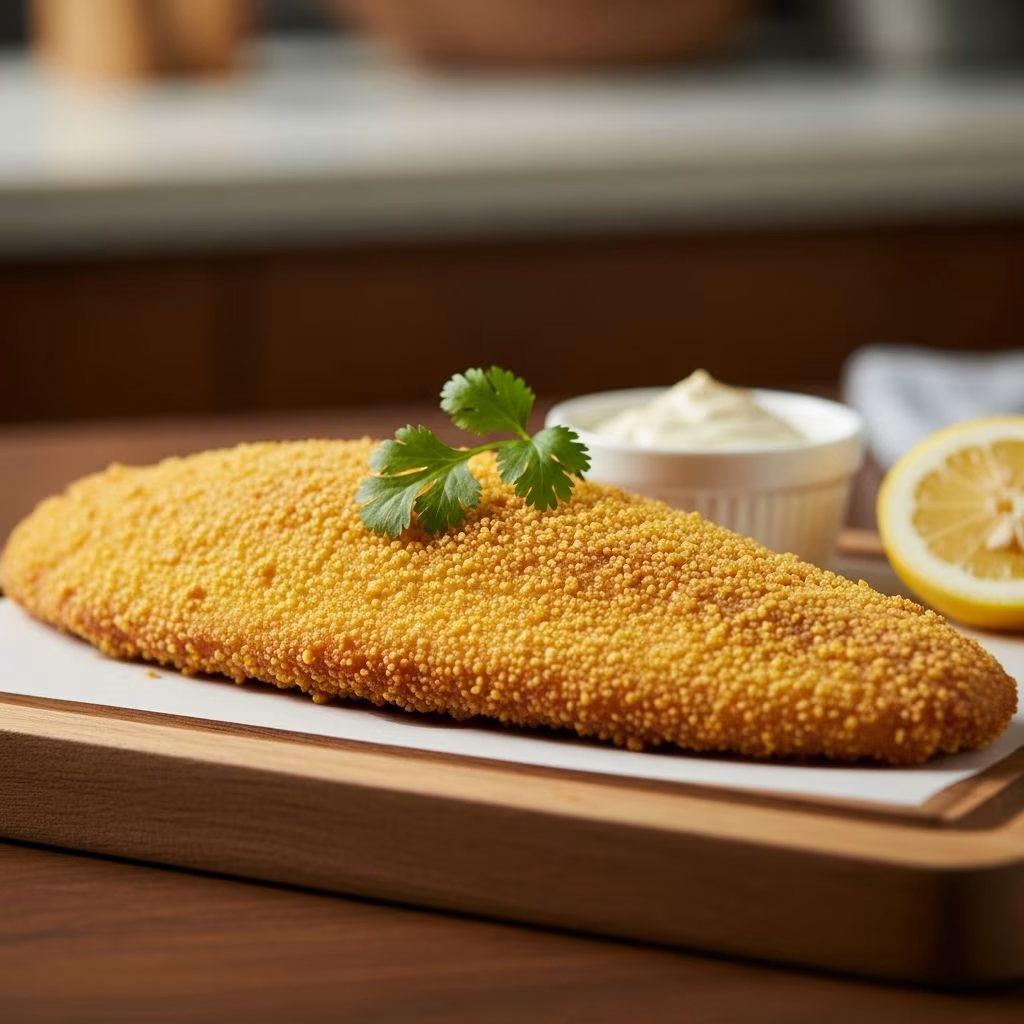
Yellow cornmeal serves as the primary breading ingredient in most traditional recipes. This ingredient provides texture, crispness, and a subtle corn flavor that complements catfish’s mild taste. The cornmeal granules create an irregular surface that crisps up beautifully during baking. Many recipes combine cornmeal with all-purpose flour to achieve a balance between crispness and structural integrity. The flour helps bind the breading together while allowing cornmeal to contribute its signature texture.
For recipes using cornmeal alone, aim for approximately one cup, while combinations typically use half a cup of cornmeal with half a cup of flour.
The Binding Layer
Eggs serve as the adhesive that bonds your breading to the fish surface. Beaten eggs create a sticky coating that allows dry ingredients to adhere properly. Some recipes enhance this binding layer by mixing eggs with hot sauce or other liquid seasonings, which simultaneously adds flavor while maintaining the adhesive properties.
Seasoning Elements
Traditional Southern seasoning blends typically include several key components:
- Garlic powder adds depth and savory notes
- Onion powder contributes umami richness
- Paprika provides color and subtle sweetness
- Cayenne pepper introduces heat
- Creole seasoning blends offer complex flavor profiles combining multiple spices
- Salt and black pepper enhance overall seasoning balance
The specific combination of seasonings reflects regional traditions, with Louisiana and Mississippi styles incorporating more cayenne and hot sauce elements, while milder versions rely on paprika and garlic powder.
Preparing Your Catfish Fillets
Selection and Storage Considerations
Fresh catfish fillets should display a firm texture and mild aroma. If purchasing frozen catfish, thawing in the refrigerator ensures even cooking and better texture retention. Some recipes specifically call for buttermilk soaking before breading, which tenderizes the fish and adds subtle flavor complexity.
Pre-Cooking Preparation
Before any breading application, pat your fillets dry with paper towels. Excess moisture prevents proper breading adhesion and can create steam during baking. Consider cutting larger fillets into three to four-inch pieces, which allows for more even cooking and easier handling.
The Three-Step Breading Process
Step One: Setting Up Your Workspace
Arrange three separate shallow bowls or plates in a line. In the first bowl, combine your beaten eggs (and any liquid seasonings like hot sauce). In the second, mix your cornmeal base with all seasonings. Use the third bowl for staging breaded pieces before transferring to your baking sheet.
Step Two: Coating Technique
Take one fillet and place it in the egg mixture, ensuring complete coverage on both sides. The egg coating should appear wet but not dripping. Next, transfer the fish to your cornmeal mixture and coat thoroughly, pressing gently so the breading adheres firmly. Make sure all surfaces, including edges and crevices, receive adequate coverage. Incomplete breading creates areas where the fish might dry out during baking.
Step Three: Placement and Oil Application
Arrange breaded fillets on your prepared baking sheet without overlapping. Using a non-stick baking spray or brush-applied oil, coat all visible surfaces of each fillet generously. This oil application becomes crucial for achieving crispness, as it allows the cornmeal breading to brown and crisp without direct contact with a hot oil bath.
Baking Equipment and Temperature Management
Preparing Your Baking Setup
Line a standard baking sheet with aluminum foil for easy cleanup. For optimal crispness, place a wire cooling rack atop the foil and spray it with non-stick cooking spray. This elevated setup allows hot air to circulate completely around the fish, promoting even browning on all sides. If you lack a cooling rack, the foil-lined sheet works adequately, though the bottom may brown less intensely than the top.
Temperature Considerations
Different recipes recommend temperatures ranging from 400 to 475 degrees Fahrenheit, with most clustering around 425 degrees. Higher temperatures like 475 degrees produce crispness quickly, reducing overall cooking time to approximately 14 minutes total. Standard 425-degree recipes typically require 25 to 30 minutes, depending on fillet thickness. The positioning of your baking sheet matters; placing it on the lowest oven rack promotes bottom browning.
Achieving Optimal Texture and Doneness
Cooking Duration and Monitoring
Most recipes suggest baking until the breading reaches a golden-brown appearance and the fish flakes easily with a fork. For thinner fillets (approximately three-eighths inch thick), expect 10 to 15 minutes at higher temperatures. Standard-thickness fillets (one-half to three-quarter inch) typically require 15 to 30 minutes at moderate temperatures.
Some recipes recommend flipping fillets midway through cooking to ensure even browning. This step proves especially important in ovens with uneven heat distribution.
Testing for Doneness
Properly cooked catfish maintains an opaque appearance throughout and flakes gently when pressed with a fork. The internal temperature should reach 145 degrees Fahrenheit according to food safety guidelines. The exterior should display a crispy, golden-brown crust while the interior remains moist and tender.
Comparative Cooking Methods and Times
| Method | Temperature | Time | Fillet Position |
|---|---|---|---|
| High-Heat Rapid Method | 475°F | 14 minutes | Standard baking sheet |
| Standard Baking | 425°F | 25-30 minutes | Wire rack recommended |
| Moderate Baking | 400°F | 30-35 minutes | Wire rack recommended |
| Louisiana-Style Method | 400°F | 15 minutes | Lowest oven rack |
Enhancing Flavor Through Seasoning Variations
Classic Southern Preparation
The traditional approach emphasizes simplicity with garlic powder, onion powder, and paprika as the primary flavor builders. This style allows the natural catfish flavor to shine while providing subtle savory depth.
Creole and Cajun Inspirations
Adding cayenne pepper, hot sauce, or commercial Creole seasoning blends introduces heat and complexity. These variations suit adventurous palates and pair beautifully with hot rice or collard greens.
Customization Opportunities
Consider experimenting with mustard powder, lemon pepper seasoning, or smoked paprika to develop personalized versions. The beauty of oven-baked catfish lies in its adaptability to various flavor profiles and dietary preferences.
Serving Suggestions and Accompaniments
Freshly baked catfish pairs excellently with various sides and sauces. Traditional Southern accompaniments include:
- Remoulade sauce or Mississippi comeback sauce for dipping
- Fresh lemon wedges squeezed over warm fish
- Hot rice mixed with vegetables
- Collard greens or other seasonal vegetables
- Cornbread or hushpuppies
- Coleslaw for contrast and freshness
For lighter presentations, serve with roasted vegetables or alongside a fresh green salad dressed with vinaigrette.
Storage and Reheating Guidelines
Proper Storage Methods
Leftover oven-baked catfish keeps well when stored in an airtight container within your refrigerator for up to three days. The fish maintains better texture when separated into individual portions before storage.
Reheating for Optimal Results
Rather than using a microwave, which can compromise texture by creating uneven heating and moisture loss, reheat your catfish in a conventional or toaster oven at 350 degrees for approximately five to eight minutes. This gentle reheating preserves crispness while warming the fish thoroughly without drying it out.
Nutritional Considerations
Oven-baked catfish offers significant health advantages compared to deep-fried preparations. By eliminating the need for large quantities of cooking oil, this method substantially reduces overall fat content while maintaining the protein-rich benefits of catfish. The fish remains an excellent source of omega-3 fatty acids, supporting heart health and cognitive function. The modest oil application required for baking provides enough fat for proper browning while keeping total fat intake reasonable.
Troubleshooting Common Issues
Breading Separation
If your breading separates from the fish during cooking, ensure your fillets are completely dry before coating. Excess moisture prevents proper adhesion. Additionally, verify that you’re pressing the breading firmly into the fish surface.
Uneven Browning
Uneven browning typically indicates heat distribution problems. Try rotating your baking sheet halfway through cooking, or ensure your oven rack sits in the correct position for your desired browning pattern.
Dry Interior
Overcooking causes dryness in catfish. Monitor cooking time closely and use a meat thermometer to prevent exceeding 145 degrees Fahrenheit. Thinner fillets require shorter cooking periods.
Insufficient Crispness
Lack of crispness usually results from inadequate oil application or baking at too low a temperature. Ensure complete coverage with cooking spray and verify your oven temperature using a separate thermometer.
Frequently Asked Questions
Can you use fresh catfish immediately without thawing frozen fillets?
Yes, fresh catfish fillets work immediately without thawing. Frozen fillets should be thawed in the refrigerator overnight or under running water for even cooking results.
Does the cooling rack significantly impact cooking results?
While not absolutely essential, the cooling rack promotes better air circulation and crispier bottoms. Standard baking sheet methods still produce excellent results with slightly more moisture retention.
Can you prepare the breaded fillets in advance?
Breaded fillets can be prepared up to two hours ahead and refrigerated before baking. For longer storage, freeze breaded fillets for up to one month, then bake from frozen (adding approximately five additional minutes).
What’s the difference between catfish and other baking fish?
Catfish’s mild flavor and moderate fat content make it ideal for breading and baking. Leaner fish like cod might dry out more easily, while fattier fish like salmon require different seasoning approaches.
How do you achieve ultra-crispy breading?
Use higher oven temperatures (475 degrees), apply oil generously, and consider using a wire cooling rack. Some cooks achieve additional crispness by flipping fillets midway and giving them another light oil coating.
Conclusion
Oven-baked catfish represents an accessible, health-conscious approach to preparing this beloved Southern staple. By understanding the relationship between temperature, timing, breading composition, and oil application, you can consistently create catfish that rivals restaurant quality. Whether you prefer traditional mild seasonings or bold Creole-inspired flavors, this cooking method accommodates your preferences while delivering crispy, golden results without deep frying. Start with basic recipes, gradually experiment with seasonings and techniques, and develop your personal preparation style. Your kitchen will soon fill with the enticing aroma of golden catfish ready to become the centerpiece of memorable meals.
References
- Four Ingredient Southern Style Oven Fried Catfish — Bowl of Delicious. Accessed April 2026. https://www.bowlofdelicious.com/four-ingredient-southern-style-oven-fried-catfish/
- Oven Fried Fish Recipe (Southern Style) — Grandbaby Cakes. Accessed April 2026. https://grandbaby-cakes.com/spicy-oven-fried-catfish/
- Easy Southern Oven Fried Catfish — Pink Owl Kitchen. Accessed April 2026. https://pinkowlkitchen.com/easy-southern-oven-fried-catfish/
- Louisiana-Style Crispy Oven Fried Catfish — Beyond Gumbo. Accessed April 2026. https://beyondgumbo.com/2020/05/10/louisiana-crispy-oven-fried-catfish/
- Oven Fried Catfish — Common Threads. Accessed April 2026. https://www.commonthreads.org/recipes/oven-fried-catfish/
- Crispy Oven Baked Catfish | Healthier Alternative — YouTube. Accessed April 2026. https://www.youtube.com/watch?v=D_MZmLJcfUM
- Crispy Oven Baked Catfish (Quick and Easy!) — Dash of Jazz. Accessed April 2026. https://www.dashofjazz.com/crispy-oven-baked-catfish/