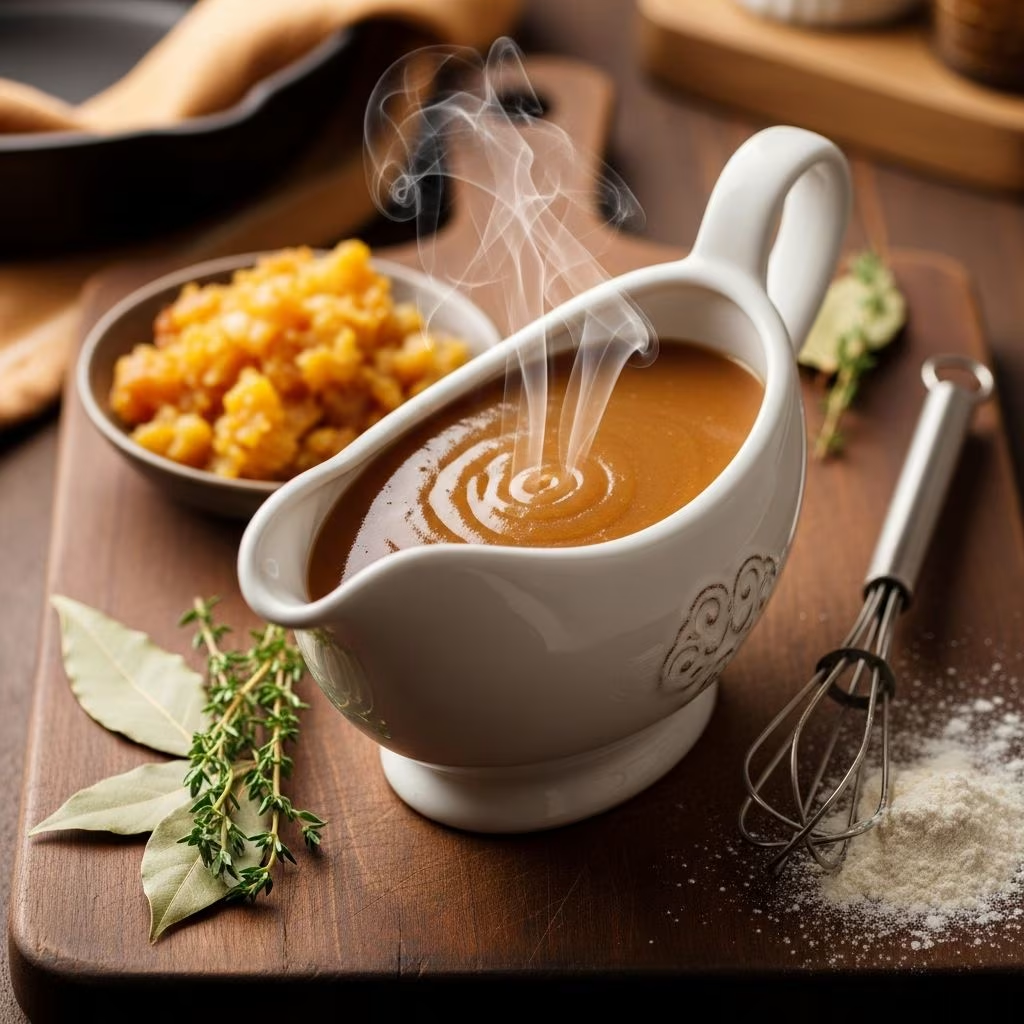
Gravy elevates simple dishes into memorable meals, transforming mashed potatoes, roasted meats, and biscuits into something extraordinary. This guide explores the fundamentals of crafting smooth, rich gravy using everyday ingredients, drawing on time-tested methods that deliver consistent results. Whether you’re preparing a holiday feast or a cozy family dinner, mastering gravy means no more relying on store-bought packets.
Understanding the Basics of Gravy Making
At its core, gravy is a versatile sauce built on a few key principles. It starts with equal parts fat and flour to form a roux, which thickens the liquid base like broth or stock. This combination creates a smooth emulsion that clings beautifully to food without becoming gluey or watery. The process takes mere minutes, often under 10, making it accessible for beginners.
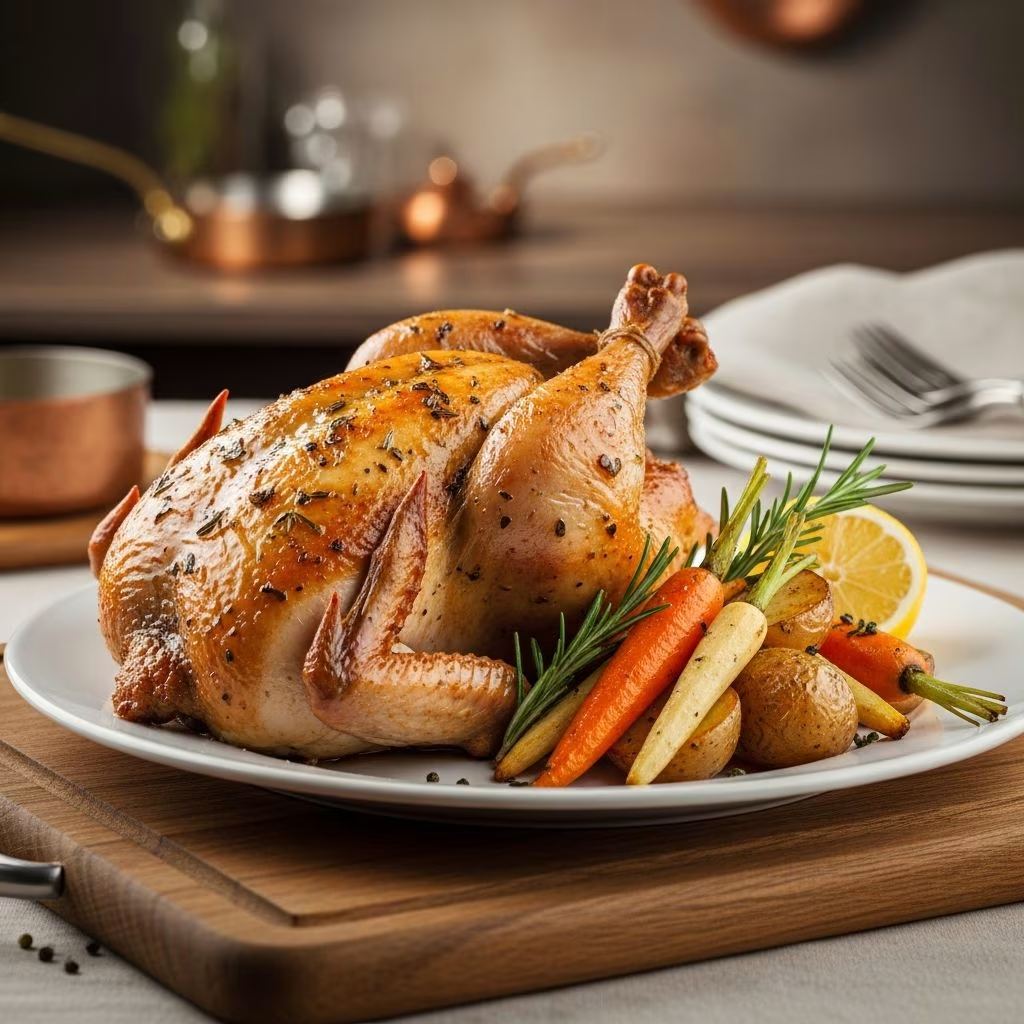
Traditional gravy uses pan drippings from roasted poultry or beef for depth, but substitutes like butter and bouillon work just as well for impromptu meals. The secret lies in whisking constantly to prevent lumps and simmering briefly to develop flavor.
Essential Ingredients for Perfect Gravy
Stock your kitchen with these staples for gravy success:
- Fat base: Butter (unsalted for control), oil, or drippings (¼ cup). Butter adds richness; drippings infuse meaty notes.
- Thickener: All-purpose flour (¼ cup). Cornstarch is a gluten-free alternative, used in equal measure.
- Liquid: 2 cups broth (chicken, beef, vegetable), stock, milk, or a mix. Bouillon cubes boost umami when heated first.
- Seasonings: Salt, pepper, onion powder, thyme, or herbs. Worcestershire or soy sauce adds savory complexity.
Optional add-ins like garlic, mushrooms, or fresh thyme elevate basic gravy into gourmet territory. Proportions are forgiving—adjust liquid for desired thickness.
Step-by-Step: Crafting Your Roux
The roux is the foundation, a cooked paste of fat and flour that ensures lump-free gravy. Here’s how:
- Melt fat in a saucepan over medium heat. Use drippings straight from the pan or 4 tablespoons butter.
- Sprinkle in flour, whisking vigorously for 1-2 minutes until bubbly and golden. This “cooks out” the raw flour taste.
- Avoid high heat to prevent burning, which imparts bitterness. The mixture should smell nutty, not scorched.
This step, akin to a white sauce base, takes practice but becomes second nature.
Building Flavor and Texture
Once the roux is ready, incorporate liquid gradually:
- Heat 2 cups stock separately (microwave works) with bouillon for concentration.
- Whisk hot liquid into roux in a slow stream, ensuring smoothness before adding more.
- Bring to a simmer, stirring until thickened (5-7 minutes). It coats the back of a spoon when perfect.
For thinner gravy, add more liquid; for thicker, cook longer or use less stock. Season at the end to taste, as broth varies in saltiness.
Customizing Gravy for Any Occasion
| Gravy Type | Key Tweaks | Best Pairings |
|---|---|---|
| Classic Turkey | Poultry seasoning, thyme, drippings | Mashed potatoes, stuffing |
| Beefy Roast | Beef broth, rosemary, Worcestershire | Yorkshire pudding, beef |
| Vegetarian | Vegetable stock, mushrooms, soy sauce | Biscuits, roasted veggies |
| Creamy | Milk or half-and-half finish | Chicken-fried steak, fries |
Experiment with aromatics: Sauté onions or garlic before the roux for layered flavor. For holidays, deglaze the roasting pan with wine before straining into the gravy.
Troubleshooting Common Gravy Pitfalls
Even pros encounter issues—here’s how to fix them:
- Lumps: Whisk faster next time or strain through a sieve. Prevent by adding hot liquid slowly.
- Too thin: Simmer longer or whisk in a slurry (1 tsp cornstarch + 1 tbsp water).
- Too thick: Thin with hot broth, milk, or cream. Reheat gently to avoid breaking.
- Grainy: Overcooked flour—start over with fresh roux. Use low heat.
- Separated: Blend with an immersion blender or whisk vigorously over low heat.
Always taste iteratively; under-seasoned gravy dulls flavors.
Make-Ahead and Storage Tips
Gravy freezes beautifully: Cool completely, store in airtight containers up to 3 months. Reheat on stovetop with a splash of stock, whisking to restore silkiness. Refrigerate leftovers up to 4 days. For big gatherings, double the batch— it reheats seamlessly.
Pro tip: Prepare roux ahead, refrigerate, then whisk in hot stock when needed. This cuts holiday stress.
Gravy’s Role in Global Cuisines
Beyond American tables, gravy analogs abound. French velouté uses white stock roux; British Bisto relies on similar principles. In Southern U.S., sawmill gravy employs sausage fat and milk for biscuits. Asian versions might swap soy for salt, thickening with cornstarch. Understanding the roux unlocks these variations.
Nutrition and Dietary Adaptations
A ½-cup serving offers ~100 calories, mostly from fat and flour. For lighter versions, use oil spray or broth-only bases. Gluten-free: Swap flour for arrowroot. Vegan: Olive oil, veggie broth, plant milk.
Pair with balanced meals—gravy’s sodium means watch overall intake.
Advanced Techniques for Pro-Level Gravy
Elevate with a stock reduction: Simmer bones and veggies for custom broth. Brown roux longer for deeper color (10 minutes, constant whisk). Infuse with bay leaves or peppercorns during simmer, straining after. For glossy finish, swirl in cold butter off-heat.
Quick Recipes to Try
5-Minute Pantry Gravy
- ¼ cup butter
- ¼ cup flour
- 2 cups broth
- Salt, pepper
Melt, whisk roux, add broth, simmer.
Mushroom Gravy
Finely chop 1 cup mushrooms, sauté in butter with garlic before flour. Use veggie broth.
Frequently Asked Questions
Can I make gravy without flour?
Yes, cornstarch slurry (1:1 with water) thickens effectively. Add at end.
How do I fix lumpy gravy?
Strain or blend. Prevention: Hot liquid, constant whisk.
What’s the best liquid for turkey gravy?
Turkey drippings + chicken broth. Bouillon enhances.
Does gravy freeze well?
Absolutely, up to 3 months. Thaw and reheat with stock.
Can I use milk instead of broth?
Yes, for cream gravy. Reduces meaty flavor.
Perfect Pairings for Your Gravy
- Mashed potatoes or cauliflower mash
- Roast turkey, chicken, or beef
- Biscuits and sausage
- Fries or poutine
- Stuffing or rice
Gravy binds meals, turning ordinary into indulgent.
References
- 5-Minute Easy Gravy Recipe — Good Cheap Eats. Accessed 2026. https://goodcheapeats.com/how-to-make-basic-gravy/
- Easy 5-Minute Gravy Recipe — Crazy for Crust. Accessed 2026. https://www.crazyforcrust.com/easy-5-minute-gravy/
- EASY Homemade Gravy — I Heart Naptime. Accessed 2026. https://www.iheartnaptime.net/homemade-gravy/
- Easy Homemade Gravy Recipe — Your Homebased Mom. Accessed 2026. https://www.yourhomebasedmom.com/easy-gravy-recipe/
- Easy Homemade Gravy (My Favorite Recipe!) — Chef Billy Parisi. Accessed 2026. https://www.billyparisi.com/easy-homemade-gravy-recipe/
- EASY Last-Minute Gravy Recipe That Tastes Incredible! — YouTube (Chef Ange). Accessed 2026. https://www.youtube.com/watch?v=8PCjTwpYLMs