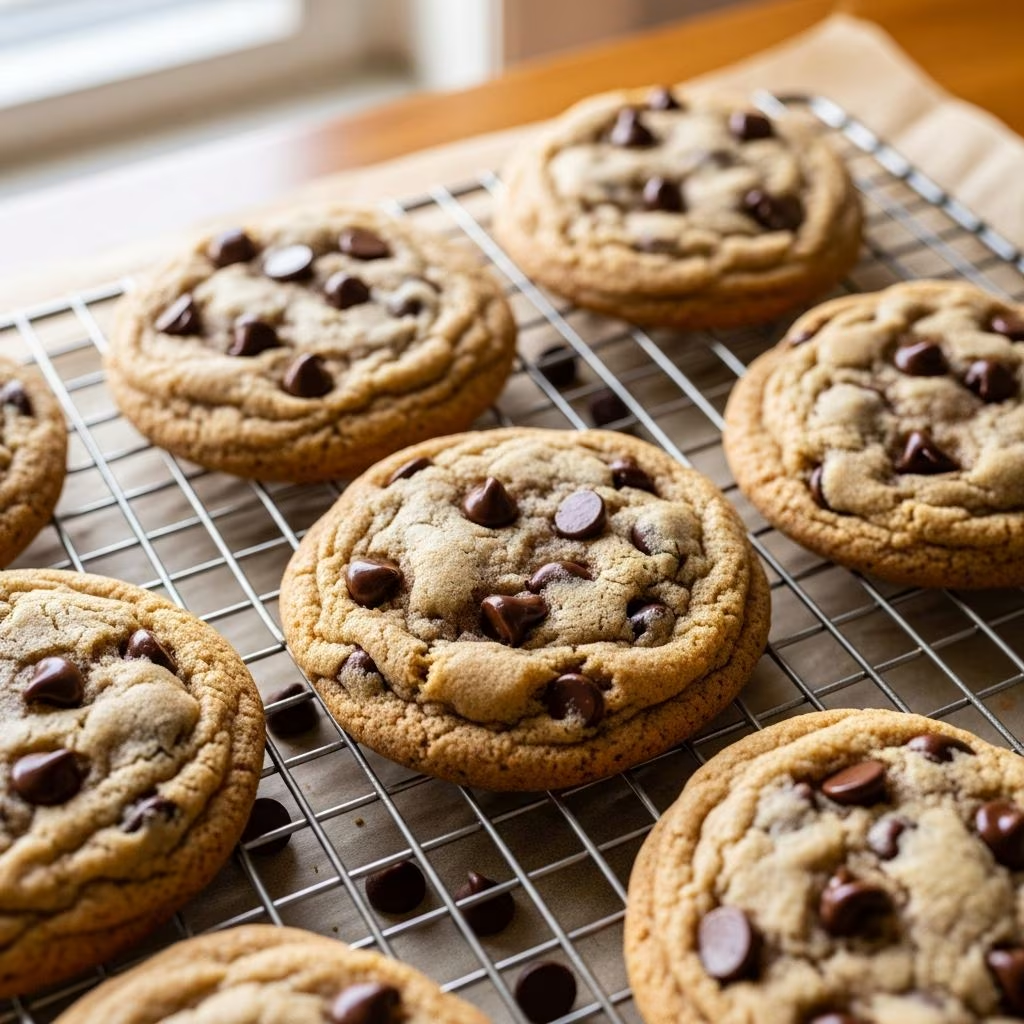
Creating exceptionally large chocolate chip cookies has become increasingly popular among home bakers seeking to replicate the impressive treats found in artisanal bakeries. These indulgent creations offer a satisfying alternative to traditional cookie recipes, delivering rich flavors and interesting textures that appeal to both casual bakers and dessert enthusiasts. The process of developing the perfect oversized cookie requires understanding ingredient interactions, proper technique, and strategic planning to achieve professional results in a home kitchen.
Understanding the Scale Difference
When transitioning from standard-sized cookies to significantly larger versions, bakers encounter fundamentally different challenges in terms of cooking times, heat distribution, and structural integrity. A typical oversized chocolate chip cookie measures approximately four to twelve inches in diameter and contains roughly four to six times the amount of dough compared to conventional varieties. This substantial increase in volume necessitates adjustments to both preparation methods and baking parameters to ensure even cooking and optimal texture development throughout the entire cookie.
The distinction between a giant cookie and a regular cookie extends beyond mere size considerations. Larger cookies experience different moisture evaporation rates, require longer baking times to cook through completely, and benefit from specific oven placements to prevent uneven browning. Understanding these fundamental differences allows bakers to make informed decisions about ingredient modifications and technique adjustments necessary for successful results.
Essential Ingredient Selection and Preparation
The foundation of any successful oversized chocolate chip cookie begins with thoughtful ingredient selection. Professional bakers recognize that ingredient quality directly impacts the final product’s flavor profile and texture characteristics. Several key components deserve particular attention when scaling up traditional recipes.
Butter Considerations
Butter serves as a critical structural component in cookie dough, influencing both texture and browning characteristics. When preparing dough for oversized cookies, the temperature and state of butter significantly affect the final outcome. Melted butter typically produces denser, chewier cookies with enhanced butterscotch notes, while room-temperature softened butter creates lighter, less dense crumb structures. The choice between these approaches depends on your desired texture profile. Melted butter, when allowed to cool before incorporation, requires thorough mixing with sugars to develop proper emulsification. This approach works particularly well when time constraints prevent extended dough chilling periods. Conversely, using properly softened butter at room temperature enables proper creaming with sugars, creating air incorporation essential for cookies with tender interiors. Regardless of preparation method, ensuring butter reaches the specified temperature before mixing prevents dough inconsistencies and texture problems.
Sugar Combinations and Their Impact
Professional bakeries consistently employ dual-sugar formulations rather than relying exclusively on granulated or brown sugar. This approach balances competing textural goals: granulated sugar promotes spread and crispness at cookie edges, while brown sugar contributes moisture and chewiness throughout. The molasses content in brown sugar affects both flavor complexity and hydration levels, making it invaluable for achieving that desirable soft interior contrasted against slightly crisp edges. Most recipes benefit from approximately equal amounts of each sugar type, though some bakers prefer slightly higher brown sugar ratios for enhanced chewiness. The total sugar quantity significantly influences browning rates, with oversized cookies requiring careful balance to prevent overly dark exteriors before interiors cook completely.
Egg Requirements and Yolk Strategies
Standard recipes typically call for whole eggs, but many professional oversized cookie formulations incorporate additional egg yolks alongside whole eggs. This modification enhances richness and promotes a fudgier interior texture. Whole eggs provide binding and structure, while yolks specifically contribute fat and emulsification properties that enhance mouthfeel. Room-temperature eggs incorporate more easily into dough, creating smoother mixtures without visible streaks or separation. For oversized cookies, the increased egg content helps support the larger dough volume while contributing moisture that prevents excessive drying during extended baking periods.
Flavor Development and Chocolate Selection
The chocolate component deserves strategic consideration rather than casual selection. Many bakers assume that “chocolate chips” represent the only viable option, but professional results often incorporate multiple chocolate forms and varieties. Combining mini chips, standard chips, and chocolate chunks creates textural variety and ensures pockets of melted chocolate throughout the cookie. Some bakers chop high-quality chocolate bars rather than relying solely on manufactured chips, as chopped chocolate segments tend to create larger pockets of gooey chocolate that enhance the indulgent quality of oversized cookies.
The chocolate type selection influences both flavor and melting characteristics. Semi-sweet chocolate provides balanced sweetness without competing heavily with other ingredients, while dark chocolate adds complexity and slight bitterness that counterbalances richness. Milk chocolate introduces additional sweetness and creates a softer melt. Strategic combination of these varieties creates sophisticated flavor layering that distinguishes homemade versions from simpler commercial alternatives. Approximately one and one-half to two cups of chocolate total per oversized cookie represents a substantial quantity that justifies investing in quality chocolate products.
Dry Ingredient Formulation
The balance of flour, leavening agents, and salt fundamentally shapes cookie structure and rise characteristics. All-purpose flour provides sufficient protein content for proper structure development without creating toughness associated with bread flour. Cornstarch, an ingredient often overlooked in home baking, reduces overall gluten development and contributes to a more tender crumb. Incorporating one tablespoon of cornstarch per two and three-quarter cups of flour noticeably improves texture characteristics.
Leavening agents require careful consideration when scaling recipes upward. Baking soda and baking powder operate differently, with baking soda requiring acidic components for activation while baking powder contains built-in acid. The combination of both provides controlled rise and helps oversized cookies achieve appropriate height and structure. Salt enhances all flavors present in the recipe and balances sweetness, preventing oversized cookies from tasting cloying or one-dimensional. Whisking these dry ingredients together before incorporation ensures even distribution throughout the dough.
The Dough Preparation Process
Successful oversized cookie preparation follows a logical sequence that maximizes ingredient interaction and ensures thorough mixing without overdeveloping gluten.
- Begin by melting or softening butter according to your chosen technique, allowing adequate cooling time if using melted butter
- Combine sugars with butter, mixing thoroughly until the mixture achieves a paste-like consistency with uniform color
- Add eggs and vanilla extract, beating until the wet ingredients become fully incorporated and slightly lighter in appearance
- Whisk dry ingredients separately, ensuring even distribution of leavening agents and salt
- Gradually incorporate dry ingredients into the wet mixture, stirring on low speed to avoid overdevelopment
- Fold in chocolate chips and chunks by hand, maintaining control over the incorporation process
- Portion dough into heaping one-half cup quantities, pressing gently into slightly flattened balls
This methodical approach prevents common pitfalls like overmixing, which creates tough cookies, or inadequate mixing, which results in uneven texture and incomplete ingredient distribution.
The Importance of Dough Chilling
Chilling cookie dough fundamentally alters baking behavior, particularly important for oversized versions that require longer oven time. Chilled dough spreads more slowly during baking, allowing greater flavor development through browning before cookies spread too thin. A thirty-minute freezer chill provides noticeable improvement compared to room-temperature dough, while overnight refrigeration produces exceptional results for bakers with advance planning ability. The cold dough maintains its shape during initial oven exposure, preventing excessive spread that would compromise the intended thickness and create overly thin, crispy cookies rather than the desired chewy interior.
Baking Technique and Equipment Setup
Oversized cookies demand specific oven preparation and placement strategies distinct from traditional cookie baking. Preheat ovens to 350 degrees Fahrenheit, a temperature lower than many standard recipes to accommodate extended baking times without creating excessively dark surfaces. Line baking sheets with parchment paper or silicone baking mats to prevent sticking and promote even heat distribution from below. Space cookie dough balls generously, allowing several inches between each portion to accommodate significant spread during baking. A standard half-sheet pan accommodates two to four oversized cookies depending on individual diameter.
Position oven racks to allow cookies to bake in the center position without proximity to top heating elements, which promotes uneven browning. Monitor baking progress at the midway point, rotating the pan if your oven exhibits hot spots. Properly baked oversized cookies should display golden-brown edges while maintaining slightly underbaked appearance in the center—the residual heat continues cooking after removal from the oven. Baking typically requires thirteen to eighteen minutes depending on cookie thickness and oven characteristics.
Texture Optimization Strategies
Achieving the ideal texture balance—crispy, browned edges paired with soft, chewy interiors—requires understanding heat’s impact on cookie structure. The cooling process after removal from the oven significantly influences final results. Cookies continue baking through residual heat, so removing them slightly before they appear completely done allows this carryover cooking to finish the process appropriately. Allow cookies to cool on the baking sheet for five minutes before transferring to cooling racks, as this resting period permits structural setting while maintaining optimal interior moisture.
For chewier cookies throughout, incorporate slightly more brown sugar and reduce total baking time by one to two minutes. For crispier cookies, extend baking time and emphasize granulated sugar in your sugar combination. These adjustments, subtle as they may seem, create noticeable differences in the final product.
Practical Serving and Storage Guidelines
Oversized cookies present unique storage challenges due to their substantial size and moisture content. Airtight containers maintain freshness for three to four days, though many bakers find these cookies reach peak quality within the first day or two of baking. Some recipes freeze successfully for extended storage when wrapped individually and placed in freezer-safe containers. Thaw frozen cookies at room temperature for approximately one hour before serving.
Oversized cookies work exceptionally well for special occasions, bake sales, or as impressive gifts. The substantial size and impressive appearance justify the increased preparation time and ingredient quantities compared to traditional batch baking.
Common Challenges and Solutions
| Challenge | Potential Cause | Solution |
|---|---|---|
| Cookies spread too thin | Warm dough or insufficient chilling | Chill dough thoroughly before baking; reduce ambient kitchen temperature |
| Edges overly dark, center undercooked | Oven temperature too high or excessive baking time | Lower oven temperature to 325°F; reduce baking time incrementally |
| Cookies too cake-like and dense | Overmixing dough or excessive flour | Mix only until ingredients combine; measure flour by weight or with spoon-and-level method |
| Insufficient browning or pale appearance | Oven temperature too low or insufficient baking time | Verify oven temperature with thermometer; extend baking time by 1-2 minutes |
| Dry interior despite correct timing | Overbaking or insufficient brown sugar | Reduce baking time; increase brown sugar proportion in recipe |
Frequently Asked Questions
What distinguishes oversized cookies from regular chocolate chip cookies?
Oversized cookies typically measure four to twelve inches in diameter and contain substantially more dough—often equivalent to four to six standard cookies. This increased volume requires longer baking times, different oven placement, and specific ingredient ratios to ensure proper cooking throughout while maintaining desired texture contrasts between edges and centers.
Can I use salted butter instead of unsalted butter?
Yes, though adjustments are necessary. If substituting salted butter, reduce added salt by approximately one-half teaspoon per cup of butter used. This prevents over-salting while maintaining proper flavor balance in the finished cookie.
How much chocolate should I use for optimal results?
Oversized cookies benefit from generous chocolate quantities, typically one and one-half to two cups total. Combining multiple chocolate formats—chips, chunks, and chopped chocolate—creates superior texture and ensures pockets of melted chocolate throughout.
Is it necessary to chill dough before baking?
While thirty-minute freezer chilling produces noticeable improvements in texture and browning, overnight refrigeration yields exceptional results. Chilling prevents excessive spreading and allows enhanced flavor development through proper caramelization.
What oven temperature works best for oversized cookies?
350 degrees Fahrenheit provides ideal results for most recipes, though some bakers find slightly lower temperatures (325-340°F) prevent edge burning while interiors cook thoroughly. Verify your specific oven temperature using an independent thermometer, as variance frequently occurs in home ovens.
References
- Sally’s Baking Addiction: Giant Chocolate Chip Cookies (No Chilling) — Sally’s Baking Addiction. Accessed April 2026. https://sallysbakingaddiction.com/giant-chocolate-chip-cookies/
- Handle the Heat: Giant Chocolate Chip Cookies — Handle the Heat. Accessed April 2026. https://handletheheat.com/giant-chocolate-chip-cookies/
- Alyona’s Cooking: Giant Chocolate Chip Cookies (VIDEO) — Alyona’s Cooking. Accessed April 2026. https://www.alyonascooking.com/giant-chocolate-chip-cookies/
- Mel’s Kitchen Cafe: Giant Chocolate Chip Cookie {12-inch!} — Mel’s Kitchen Cafe. Accessed April 2026. https://www.melskitchencafe.com/giant-cookie/
- Sugar Spun Run: Giant Chocolate Chip Cookies — Sugar Spun Run. Accessed April 2026. https://sugarspunrun.com/giant-chocolate-chip-cookies/