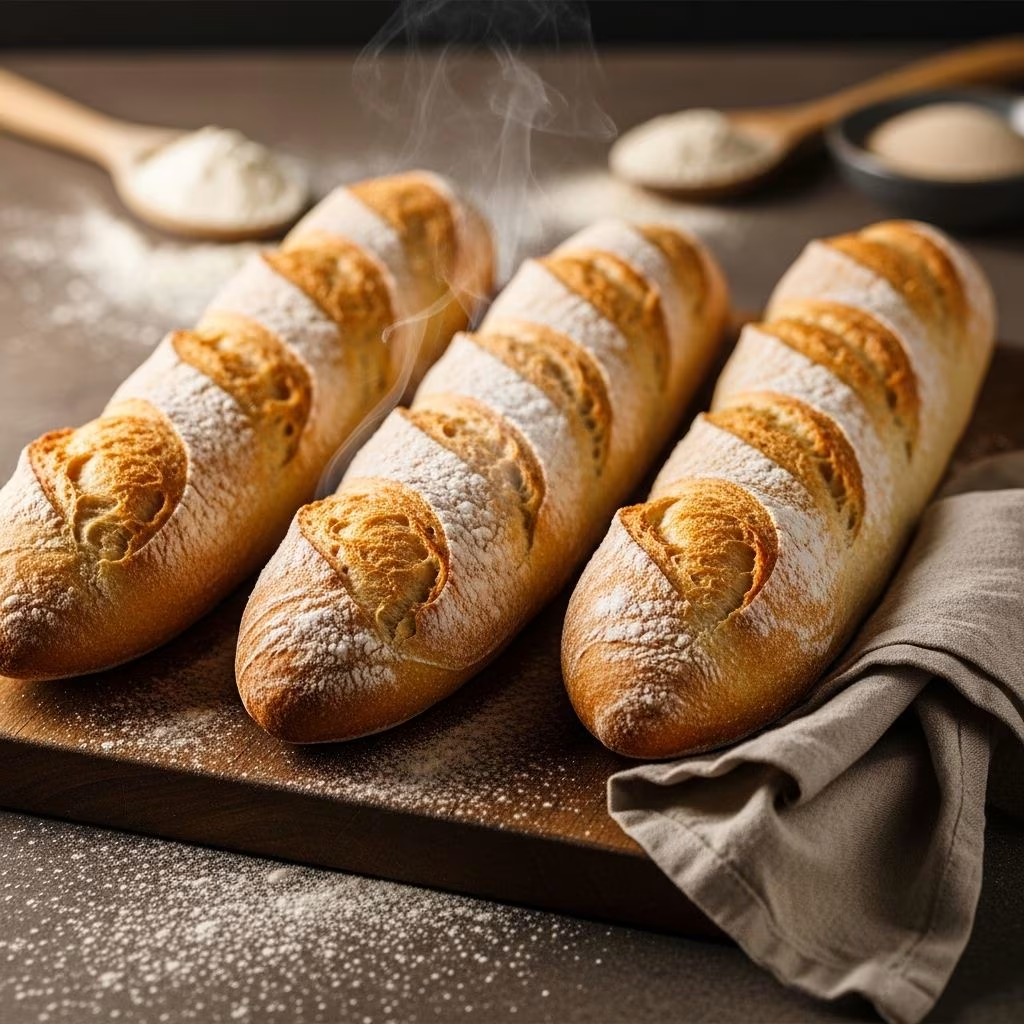
Creating **French bread** at home transforms simple ingredients into golden, crusty loaves with a soft, airy crumb. This guide draws from proven recipes to help beginners and seasoned bakers achieve bakery-quality results without fancy equipment. Whether you’re craving a classic baguette or a softer loaf for sandwiches, these methods ensure success.
Why Bake Your Own French Bread
Store-bought bread often lacks the fresh flavor and texture of homemade versions. Baking French bread allows control over ingredients, avoiding preservatives while customizing crispness and taste. It’s cost-effective, therapeutic, and impressive for meals.
Key benefits include:
- Freshness: Warm bread straight from the oven beats any supermarket option.
- Customization: Adjust sweetness, saltiness, or add herbs.
- Skill-building: Master yeast activation and dough handling.
- Versatility: Use for soups, garlic bread, or toast.
Essential Ingredients for Success
The foundation of great French bread lies in quality basics. Most recipes use pantry staples, with slight variations for texture and rise.
| Ingredient | Role | Common Amounts (for 2-3 loaves) |
|---|---|---|
| Warm Water (110-115°F) | Activates yeast, hydrates flour | 2-2.5 cups |
| Yeast (instant, rapid-rise, or active dry) | Leavening agent for rise | 1-2 tablespoons |
| Sugar | Feeds yeast, adds subtle sweetness | 1-3 tablespoons |
| Salt | Enhances flavor, strengthens gluten | 1-2 teaspoons |
| Oil or Butter | Tenderizes crumb, aids browning | 2-5 tablespoons |
| Flour (all-purpose or bread) | Structure and chew | 5-6 cups |
Note: Bread flour yields chewier results due to higher protein; all-purpose works for softer loaves.
Step-by-Step Dough Preparation
Start with yeast proofing for reliability. Combine warm water, sugar, and yeast; let sit 5-10 minutes until foamy.
- Mix wet ingredients: Add oil, salt, and 2-3 cups flour to yeast mixture.
- Incorporate flour gradually: Knead until smooth, adding flour to prevent stickiness. Dough should be soft and elastic.
- First rise: Cover and let double in 20-60 minutes, depending on method.
Hand-kneading takes 8-10 minutes; a stand mixer does it in 5. Punch down dough to release gases.
Shaping Techniques for Authentic Loaves
Divide dough into 2-3 portions. On a floured surface, flatten into rectangles, roll tightly into logs, and seal seams. Place on a cornmeal-sprinkled pan for easy release and texture.
Slash tops with a sharp knife (3-5 diagonal cuts) to allow steam escape and create dramatic rises. Brush with egg wash for shine.
Second rise: 20-40 minutes until puffy. Avoid overproofing to prevent collapse.
Baking to Crispy Perfection
Preheat oven to 400-450°F. For steam (key to crust), place a pan of water on the lower rack or spritz loaves.
Bake 20-30 minutes until golden and hollow-sounding when tapped. Cool on a rack to crisp the bottom.
Quick One-Hour Recipes for Busy Days
For speed, use rapid-rise yeast and hot water. One recipe mixes, rises once in 20 minutes, shapes, rises 20 more, then bakes. Yields yeasty, crusty bread in under 60 minutes.
- Prep: 15 min
- Rise: 40 min total
- Bake: 20 min
Troubleshooting Common Issues
Problems arise from temperature or measurements. Here’s how to fix them:
| Issue | Cause | Solution |
|---|---|---|
| Dense loaf | Under-kneaded or cold yeast water | Knead longer; check water temp |
| Flat bread | Overproofed or weak yeast | Test yeast; rise in warm spot |
| Tough crust | No steam | Add ice cubes to hot pan |
| Sticky dough | Too much water | Add flour 1 tbsp at a time |
Storage and Freezing Tips
Store cooled bread in a paper bag for 2-3 days. For longer, slice and freeze in bags up to 3 months. Thaw at room temp or toast directly. Revive stale loaves by sprinkling water and heating at 350°F for 10 minutes.
Flavor Variations to Elevate Your Bread
Experiment beyond basics:
- Herb-infused: Add rosemary or garlic to dough.
- Cheese swirl: Layer cheddar before rolling.
- Whole grain: Swap half flour for whole wheat.
- Sweet: Increase sugar for cinnamon swirl bread.
Incorporate olives or sundried tomatoes for savory twists.
Pairing Ideas and Serving Suggestions
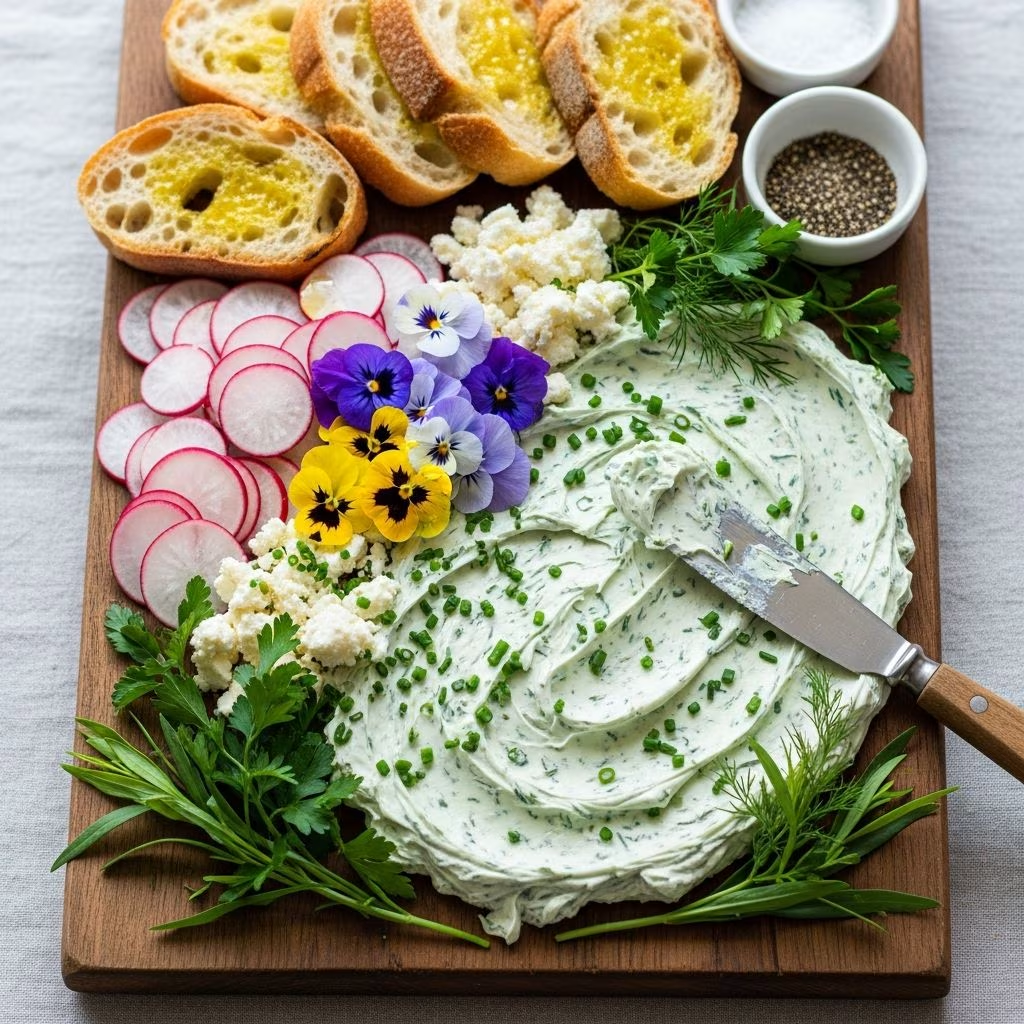
French bread shines with soups, salads, or as garlic bread: slice, butter, garlic, bake. Dip in olive oil and balsamic. Use for paninis, crostini, or French toast.
Nutrition Snapshot
A slice (1/10th loaf) offers ~150 calories, 3g protein, 28g carbs, 1g fat. High in B-vitamins from yeast; fiber from flour.
Frequently Asked Questions
Can I use active dry yeast instead of instant?
Yes, proof it first in warm water with sugar.
Why is my bread gummy inside?
Too much moisture or underbaked. Bake longer and measure flour accurately.
Gluten-free version?
Use a 1:1 gluten-free blend with xanthan gum, but results vary.
How do I get a thicker crust?
Bake at higher heat with steam; cool completely.
Scaling the recipe?
Double ingredients for 4-6 loaves; don’t overcrowd oven.
Advanced Techniques for Pro Results
For baguette authenticity, use a baguette pan. Autolyse (mix flour-water rest 30 min) improves gluten. High-hydration doughs (65%+ water) yield open crumb but need experience.
Experiment with poolish (pre-ferment) overnight for deeper flavor.
References
- Easy Homemade French Bread Recipe — Mel’s Kitchen Cafe. 2023-05-15. https://www.melskitchencafe.com/french-bread/
- Homemade French Bread Recipe — Lil’ Luna. 2024-02-10. https://lilluna.com/french-bread-recipe/
- Beginner French Bread — That Bread Lady. 2023-08-20. https://thatbreadlady.com/french-bread/
- Quick and Easy French Bread Recipe — The Food Charlatan. 2022-11-05. https://thefoodcharlatan.com/one-hour-french-bread-recipe/
- Diane’s No Fail French Bread — A Bountiful Kitchen. 2023-01-12. https://abountifulkitchen.com/dianes-no-fail-french-bread/