Understanding Spelt Flour and Its Culinary Benefits
Spelt flour has gained considerable attention in modern kitchens as a wholesome alternative to refined wheat products. This ancient grain delivers a distinctive nutty flavor profile that elevates traditional breakfast dishes. When used in pancake recipes, spelt flour imparts a complex taste while providing substantial nutritional advantages. The grain contains higher levels of protein and fiber compared to conventional all-purpose flour, making it an excellent choice for individuals seeking more substantial morning meals that sustain energy throughout the day.
The composition of spelt flour differs from standard wheat flour, requiring slight adjustments in cooking methodology. The protein structure in spelt is more delicate, which influences how pancake batters respond to mixing and cooking temperatures. Understanding these characteristics enables home cooks to achieve optimal texture and flavor in their finished pancakes.
Essential Ingredients for Creating the Perfect Pancake Batter
Crafting exceptional spelt pancakes begins with gathering quality ingredients and understanding their individual roles in the final product. The foundation of any pancake recipe relies on several key components that work together to create the desired texture and taste.
Dry Ingredient Components
The dry ingredient mixture forms the structural foundation of your pancakes. Whole spelt flour serves as the primary dry component, typically requiring two cups for a standard batch. This amount yields approximately sixteen four-inch pancakes, providing sufficient servings for a family breakfast or meal preparation.
- Spelt flour: Provides the base structure and distinctive nutty character
- Baking powder: Creates lift and fluffiness, typically one to two teaspoons per batch
- Sugar: Enhances sweetness and contributes to browning, usually two to three tablespoons
- Salt: Balances flavors and strengthens gluten development, approximately one-quarter to one-half teaspoon
- Optional spices: Cinnamon, vanilla, or nutmeg add depth and warmth to the flavor profile
Wet Ingredient Components
The wet ingredients create the binding properties necessary for pancake formation. Milk serves as the primary liquid component, with most recipes calling for one and one-half to two cups. The choice between dairy and non-dairy milk options allows flexibility for various dietary preferences and restrictions.
- Milk: Provides moisture and structure; dairy, oat, almond, or rice milk all work effectively
- Eggs: Bind ingredients and contribute to rise; one to four eggs depending on batch size
- Fat: Melted butter or oil creates richness and aids in browning, typically one to two tablespoons
- Flavor enhancers: Vanilla extract, maple syrup, or apple cider vinegar deepen complexity
Preparation Techniques for Superior Results
Creating Your Dry Mixture
Begin by combining all dry ingredients in a medium-sized mixing bowl. Using a whisk to blend the flour, baking powder, sugar, and salt ensures even distribution of leavening agents throughout the mixture. Some experienced cooks prefer sifting these ingredients together, a technique that aerates the flour and removes any compacted lumps. Sifting proves particularly beneficial when aiming for exceptionally fluffy pancakes, as the process incorporates additional air into the dry mixture before combining with wet ingredients.
Creating a well in the center of your dry mixture provides a designated space for adding wet ingredients. This technique, used in many traditional baking methods, helps control how quickly wet and dry components combine, reducing the risk of overmixing.
Preparing Your Wet Mixture
In a separate bowl, combine all liquid and fat components. If using eggs, beat them lightly before adding milk and melted butter or oil. The separate preparation of wet ingredients allows for thorough blending before introduction to the dry mixture. Some recipes incorporate flax seed eggs or commercial egg replacers for vegan variations, which require slightly different preparation methods to achieve proper binding.
The Critical Combination Stage
This stage represents one of the most important steps in pancake preparation. Pour the wet ingredient mixture into the well created in your dry ingredients. Using gentle stirring motions with a wooden spoon or Danish whisk, combine the mixtures until just barely incorporated. The resulting batter should retain a slightly lumpy texture; overmixing develops gluten networks that produce dense, tough pancakes rather than the desired fluffy result.
Allowing the combined batter to rest for five to fifteen minutes before cooking serves an important function. During this resting period, the spelt flour fully hydrates, and the baking powder begins activating. The resting time also allows some of the developed gluten to relax, contributing to improved pancake texture when cooked.
Cooking Methods and Temperature Control
Selecting Your Cooking Surface
Cast iron skillets and heavy-bottomed griddles represent ideal choices for pancake preparation. These cooking surfaces distribute heat evenly, preventing hot spots that create unevenly browned pancakes. Non-stick surfaces work adequately, though traditional cast iron develops superior browning characteristics and imparts subtle flavor enhancements.
Temperature Management
Preheating your cooking surface to the appropriate temperature proves essential for achieving golden-brown exteriors while maintaining tender interiors. Medium to medium-low heat settings typically work best for spelt pancakes. Testing the temperature by sprinkling water droplets onto the surface—they should sizzle immediately—indicates readiness for cooking.
Adding fat (butter or oil) to the preheated surface and allowing it to coat the cooking area ensures even browning and prevents sticking. A thin, even layer of fat suffices; excessive amounts create greasy pancakes.
Cooking Process and Timing
Portion batter using a scant quarter-cup measure or one-third cup scoop, depending on desired pancake size. Pour the batter onto the prepared surface and resist the urge to manipulate it immediately. Allow the pancake to cook undisturbed for one to two minutes, until bubbles form across the surface and the bottom develops a light golden-brown color.
Flipping represents the signal point when bubbles break through the pancake’s surface. Using a thin, flexible spatula, flip quickly and decisively. The second side requires only one to two minutes of cooking time, as the heat has already partially set the pancake’s structure. Remove pancakes when the underside achieves golden-brown color and the pancake springs back slightly when gently pressed.
Ingredient Variations and Dietary Adaptations
| Dietary Need | Substitution Strategy | Adjustments Required |
|---|---|---|
| Vegan | Flax seed eggs (1 tbsp ground flax + 2 tbsp water per egg), plant-based milk, vegan butter | Mix flax seed eggs separately; allow to thicken before incorporating |
| Dairy-Free | Oat, almond, or rice milk; coconut oil instead of butter | Maintain liquid-to-flour ratios; oil content may require slight increase |
| Gluten-Sensitive | Sprouted spelt flour (contains less gluten) or certified gluten-free alternatives | Sprouted varieties may require slightly increased baking powder |
| Lower Sugar | Maple syrup, coconut sugar, or reduce sweetener by half | Monitor browning; reduced sugar may brown less quickly |
Flavor Enhancement Strategies
Beyond the basic recipe, numerous ingredients enhance spelt pancake character. Cinnamon adds warmth and spice complexity, typically one tablespoon per batch. Vanilla extract contributes subtle sweetness and depth, with one to two teaspoons providing noticeable flavor enhancement. Maple syrup, incorporated into the wet mixture or used as a cooking ingredient, intensifies natural sweetness while adding sophisticated undertones.
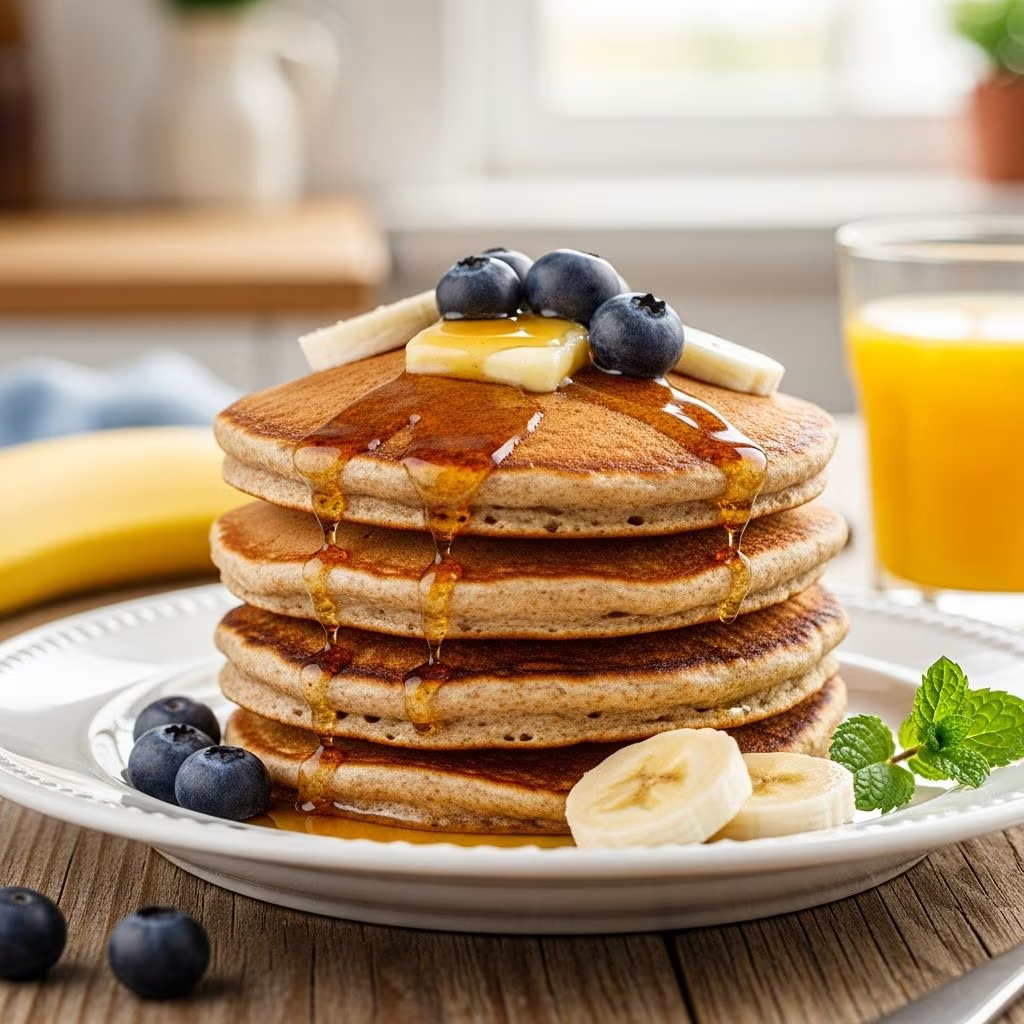
Fresh or dried fruits—blueberries, bananas, or raspberries—can be folded into the batter just before cooking or placed directly onto the cooking surface after pouring batter. Nuts, seeds, and chocolate chips offer additional texture and nutritional benefits, though these additions should be incorporated minimally to prevent pancake structure disruption.
Serving Suggestions and Topping Ideas
Spelt pancakes pair beautifully with both traditional and creative toppings. Warm maple syrup remains a classic choice that complements the grain’s nutty flavor. Fresh berries—strawberries, raspberries, and blueberries—add brightness and nutritional value. Greek yogurt or whipped cream provides richness and protein enhancement, while nut butters contribute creamy texture and healthy fats.
Consider less conventional toppings such as fresh fruit compotes, honey with nuts, or coconut cream. Savory applications work equally well; sautéed vegetables, smoked salmon, or herbed cream cheese transform spelt pancakes into sophisticated brunch entrees.
Storage and Make-Ahead Options
Freshly cooked spelt pancakes taste best served immediately, though they tolerate brief storage. Keep finished pancakes warm by placing them on a baking sheet in a 200-degree oven while completing the batch. Leftovers store in airtight containers in the refrigerator for up to three days; reheat using a toaster oven or microwave before serving.
Prepared batter stores in the refrigerator for up to twenty-four hours, allowing convenient morning cooking. Freeze cooked pancakes individually on baking sheets, then transfer to freezer bags for up to three months. Reheat frozen pancakes in a toaster oven or skillet without thawing for convenient quick breakfasts.
Troubleshooting Common Pancake Issues
Dense, Heavy Pancakes: Indicates overmixing or insufficient baking powder. Ensure gentle mixing and verify baking powder freshness; replace if older than six months.
Pancakes Not Rising Properly: Check baking powder quantity and freshness. Ensure adequate resting time before cooking, which allows leavening agents to activate properly.
Uneven Browning: Suggests uneven heat distribution on cooking surface. Ensure adequate preheating and consider using cast iron for superior heat distribution.
Pancakes Sticking to Surface: Verify sufficient fat on the cooking surface and ensure proper preheating. Non-stick surfaces may require additional fat despite their design.
Batter Too Thick or Too Thin: Adjust milk quantities incrementally during the resting period. Add liquid one tablespoon at a time if batter seems too thick; thin batter rarely requires modification as flour hydration typically resolves consistency issues naturally.
Nutritional Considerations and Whole Grain Benefits
Spelt flour provides nutritional advantages over refined wheat products. The grain contains approximately 10-11 grams of protein per two-cup serving, supporting muscle maintenance and satiety throughout the morning. Dietary fiber content supports digestive health, while B vitamins and minerals including magnesium, phosphorus, and manganese contribute to overall nutritional completeness.
Whole spelt flour retains the bran and germ layers, preserving phytonutrients and antioxidants absent from refined alternatives. These compounds support cellular health and reduce inflammation, positioning spelt pancakes as a genuinely nourishing breakfast choice rather than merely an indulgent treat.
Frequently Asked Questions
Can I substitute all-purpose flour for spelt flour in pancake recipes?
While substitution is technically possible, results differ noticeably. All-purpose flour produces lighter, less flavorful pancakes. Spelt’s unique protein structure and nutty character cannot be precisely replicated; use spelt flour specifically to achieve the distinctive flavor and texture profile these pancakes offer.
Why does the batter seem excessively wet initially?
Spelt flour hydrates more quickly than conventional wheat flour. The batter thickens noticeably during the resting period as the flour absorbs moisture. This initial wetness is normal and necessary; do not add additional flour, which would result in dry, dense pancakes.
Should I use sprouted spelt flour for improved nutrition?
Sprouted spelt flour offers enhanced digestibility and slightly reduced gluten content, benefiting individuals with sensitivities. The sprouting process activates enzymes that increase nutrient bioavailability. Standard whole spelt flour provides excellent nutrition; sprouted varieties represent an optional premium choice.
How do I prevent pancakes from becoming rubbery or tough?
Overmixing represents the primary cause of tough pancakes. Combine wet and dry ingredients using minimal stirring motions, leaving some lumps in the batter. Avoid cooking at excessively high temperatures, which toughen the exterior before the interior cooks completely.
Can this recipe accommodate egg allergies?
Absolutely. Flax seed eggs (one tablespoon ground flax seed mixed with two tablespoons water per egg) provide effective binding. Commercial egg replacers also work; follow package instructions for proper ratios. Applesauce or mashed banana can supplement binding in small recipes.
References
- Whole Grain Nutritional Benefits — The Whole Grains Council. 2024. https://wholegrainscouncil.org/
- Spelt: Ancient Grain Modern Kitchen — United States Department of Agriculture (USDA). 2024. https://www.usda.gov/
- Gluten Content in Ancient Grains — Celiac Disease Foundation. 2025. https://celiac.org/
- Plant-Based Baking Science — American Society of Baking. 2024. https://www.asbe.com/
- Food Storage and Food Safety Guidelines — Food and Drug Administration (FDA). 2025. https://www.fda.gov/