Tacos represent one of the most adaptable culinary formats, easily transitioning into plant-based territory without sacrificing flavor or satisfaction. Whether you’re committed to a vegan lifestyle or simply exploring meatless options, mastering the art of vegan tacos opens doors to weeknight dinners that are both quick and memorable. The key lies in understanding how to build layers of flavor, select appropriate proteins, and arrange toppings that create textural interest and nutritional balance.
Understanding Protein Foundations in Vegan Tacos
The foundation of any successful vegan taco begins with selecting a protein source that provides both substance and flavor. Unlike traditional tacos built around ground meat, plant-based versions require thoughtful consideration of texture and seasoning to achieve that satisfying, hearty quality diners expect.
Exploring Protein Options
- Legume-Based Proteins: Lentils and beans offer affordability and nutritional density. French lentils maintain their structure during cooking, making them ideal for taco fillings, while other varieties provide creamier textures. Chickpeas can be seasoned and roasted for a different textural experience.
- Tofu Preparations: Extra-firm tofu crumbles into small pieces resembling ground meat when cooked. The neutral flavor profile allows seasonings to shine, and proper cooking creates crispy edges that provide textural contrast.
- Mushroom-Based Fillings: Finely chopped mushrooms, particularly cremini and portobello varieties, develop umami-rich flavors when sautéed. Their meaty texture contributes to a convincing ground-meat alternative.
- Nut and Seed Combinations: Walnuts and sunflower seeds, when finely processed, create a texture remarkably similar to ground beef. Combined with mushrooms and proper seasoning, they deliver satisfying results.
- Specialty Products: Soy curls and jackfruit offer innovative alternatives. Soy curls provide a poultry-like texture when pan-fried, while young jackfruit mimics pulled meat in shredded preparations.
Building Flavor Through Strategic Seasoning
Seasoning transforms basic plant proteins into taco-worthy components. The goal is creating depth through layered flavors rather than relying on a single dominant taste.
Essential Seasoning Elements
Cumin provides the foundational warm spice that defines taco seasoning. Smoked paprika adds complexity and a subtle smokiness that compensates for the absence of charred meat. Garlic powder and onion powder contribute umami depth without adding moisture. Tamari or soy sauce enhances the savory profile, while a touch of ketchup adds both sweetness and acidity, balancing the overall flavor profile.
For those seeking additional complexity, consider incorporating chili powder, oregano, or a pinch of cinnamon for subtle warmth. The technique involves coating the protein thoroughly with these seasonings, then allowing flavors to meld during the cooking process. Cooking the seasoned protein in oil rather than water helps flavors intensify and create desirable browning.
Preparation Techniques for Maximum Appeal
The Crumble and Sauté Method
This technique works exceptionally well with tofu and mushroom-based fillings. Begin by crumbling or finely chopping your protein source, then spread it in a skillet with minimal oil. Allow it to sit undisturbed for several minutes, creating a browned surface. Stir occasionally, repeating this process until the entire mixture achieves a golden, crispy exterior. This method develops complex flavors through the Maillard reaction, the chemical process responsible for browning.
The Simmer and Reduce Approach
For legume-based fillings, simmering in a flavorful liquid allows spices to fully develop and penetrate. Combine cooked lentils or beans with water or vegetable broth and seasonings, then simmer until the liquid reduces and coats the proteins. This creates a cohesive filling that clings to each tortilla piece.
The Pan-Fry and Crisp Technique
Specialty products like soy curls benefit from high-heat cooking. Toss them lightly with cornstarch and oil, then pan-fry until they achieve crispy edges and chewy centers. This method creates textural contrast that mimics poultry in traditional tacos.
Topping Strategies for Complete Satisfaction
Fresh Vegetable Components
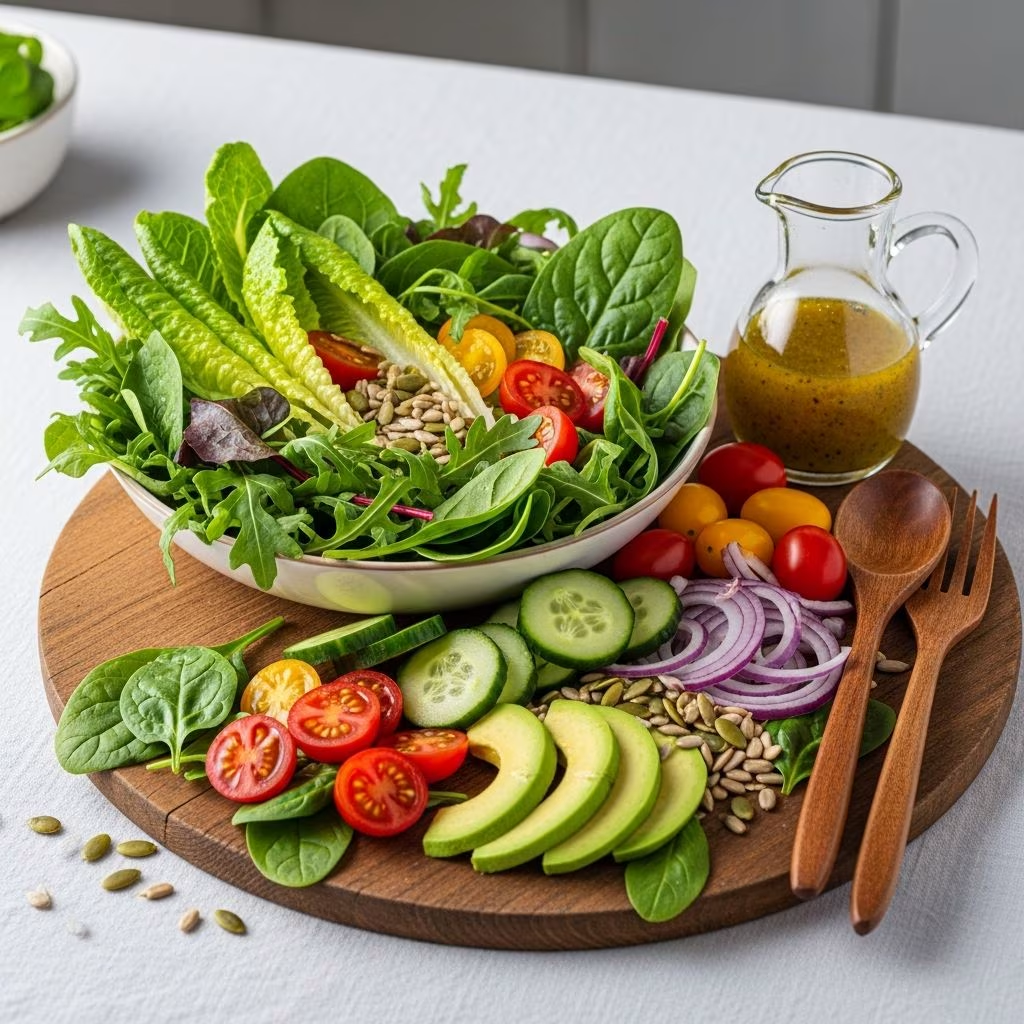
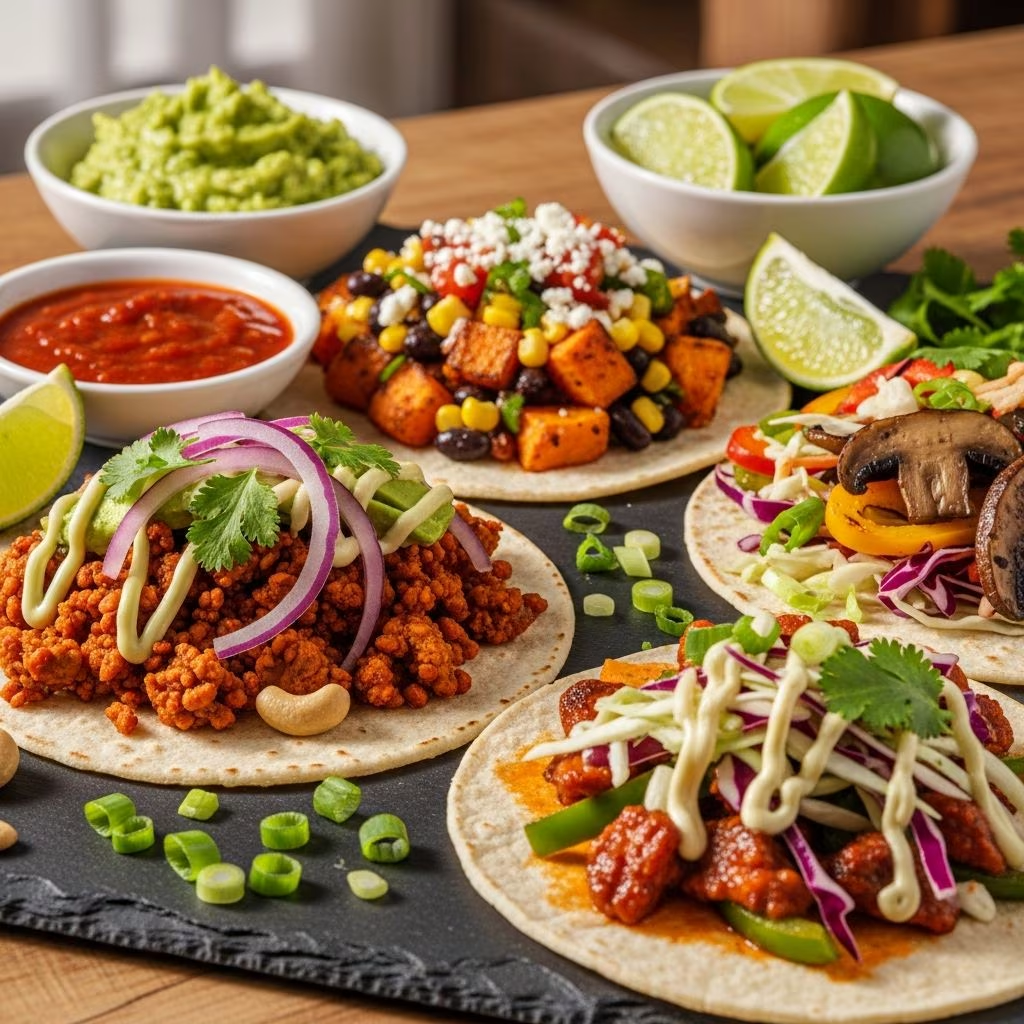
Fresh toppings provide essential crunch and brightness. Shredded cabbage offers textural contrast and visual appeal, while diced onions provide sharp bite. Cilantro contributes herbaceous notes, and lime wedges brighten overall flavor profiles. Pico de gallo, combining tomatoes, onions, cilantro, and lime, delivers freshness in a convenient form.
Creamy Elements
Guacamole or sliced avocado adds richness and creaminess that balances spiced fillings. Vegan mayo mixed with chipotle sauce creates a smoky, tangy condiment that ties flavors together. For those avoiding oil-heavy options, cashew cream provides richness with nutritional benefits.
Additional Textural Additions
Pickled onions and jalapeños contribute acidity and heat, enhancing overall complexity. Vegan cheese, for those who desire it, adds savory depth. Corn kernels introduce sweetness and textural lightness. Hot sauce allows diners to customize spice levels individually.
Tortilla Selection and Preparation
Tortilla choice significantly impacts the dining experience. Corn tortillas provide traditional authenticity and contain fewer processed ingredients, though they require careful handling to prevent tearing. Flour tortillas offer sturdier structure and accommodate generous fillings more easily. Street-style corn tortillas, smaller and thicker than conventional varieties, provide an authentic eating experience while naturally containing portions.
Warming tortillas immediately before serving ensures they remain pliable and flavorful. A quick pass over an open flame, or wrapping in a damp cloth and heating in the oven, activates the starches and makes them more enjoyable.
Building the Complete Taco
Layering for Success
Strategic layering ensures even distribution of flavors and textures throughout each bite. Begin with a thin spread of beans or a creamy element as a base, preventing the tortilla from becoming soggy while adding flavor. Add the warm protein filling next, while it retains heat. Layer fresh vegetables, ensuring they don’t become warmed and wilted. Finish with sauces and garnishes, allowing diners to taste each component distinctly.
Portion Considerations
Proper portioning prevents tacos from becoming unwieldy. Aim for approximately three-quarters cup of filling per tortilla, leaving enough tortilla exposed to hold comfortably. This ratio ensures structural integrity while delivering satisfying quantity.
Quick Assembly Guide
| Component Type | Best Options | Preparation Time |
|---|---|---|
| Protein Filling | Tofu, lentils, mushrooms | 10-15 minutes |
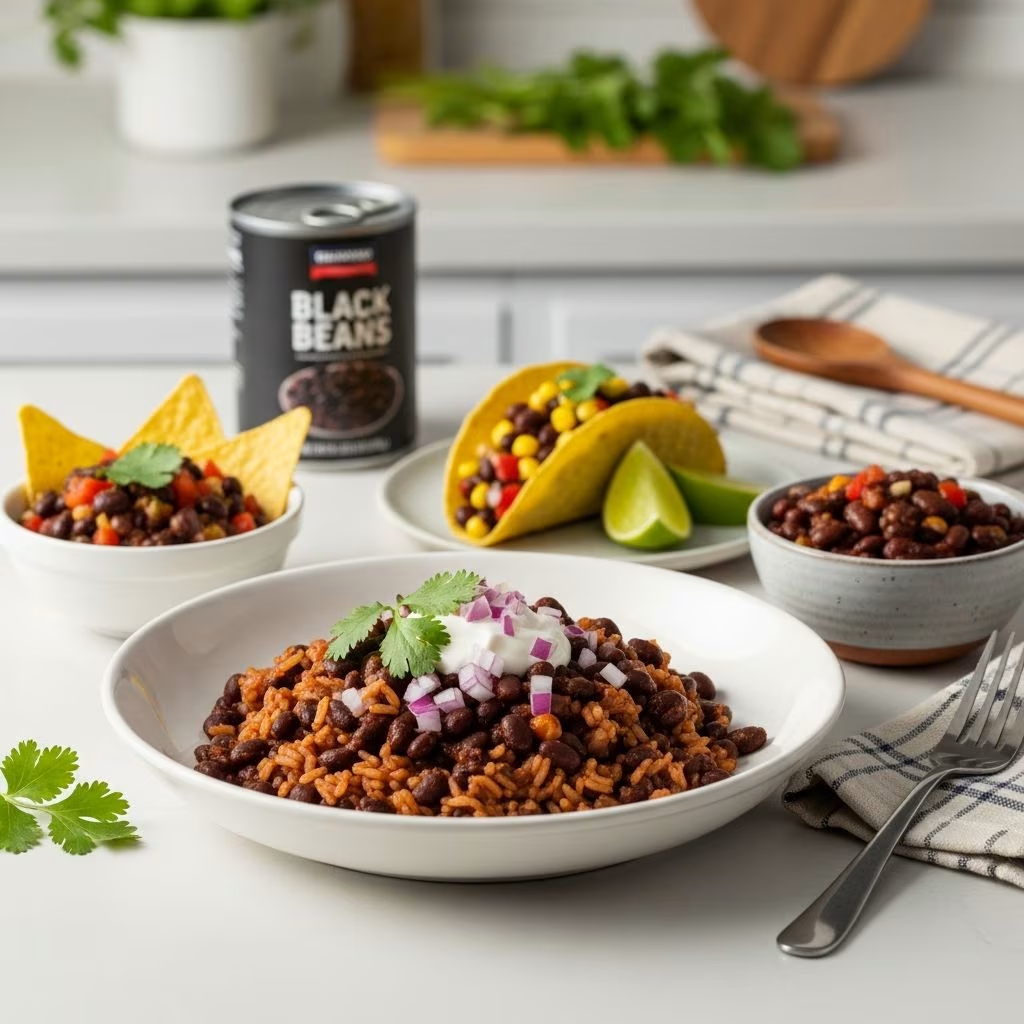
| Base Layer | Refried beans, hummus | 5 minutes |
| Fresh Vegetables | Cabbage, onion, cilantro | 5 minutes chopping |
| Creamy Toppings | Guacamole, vegan mayo | 5 minutes |
| Finishing Touches | Salsa, hot sauce, lime | 2 minutes |
Frequently Asked Questions
How can I make vegan tacos ahead of time?
Prepare the protein filling in advance and store it in the refrigerator for up to four days. Assemble fresh vegetables just before serving to maintain crispness. Warm the filling gently before serving, adding a splash of water if it has dried out during storage.
What’s the best protein option for beginners?
Tofu offers reliability and accessibility. Its neutral flavor won’t surprise new cooks, and proper cooking techniques consistently yield good results. Alternatively, canned lentils require minimal preparation and naturally provide satisfying texture.
Can I make vegan tacos without processed ingredients?
Absolutely. Combinations of mushrooms, walnuts, and beans create entirely whole-food fillings when seasoned with dried herbs and spices. This approach eliminates specialty products while maintaining excellent flavor and texture.
How do I prevent soggy tacos?
Layer strategically, placing creamy components on the tortilla rather than directly on proteins. Use sturdy tortillas, and assemble just before eating. If preparing for gatherings, keep warm fillings and toppings separate until the moment of serving.
What’s the nutritional value of vegan tacos?
Plant-based tacos provide substantial protein, fiber, and micronutrients depending on selected ingredients. Legume-based fillings offer complete amino acid profiles when combined with whole grains. Adding varied vegetables ensures diverse vitamin and mineral intake.
Elevating Your Vegan Taco Experience
Creating exceptional vegan tacos involves understanding fundamentals while developing personal style. Experiment with protein combinations, adjusting seasonings to preference and incorporating seasonal vegetables. Gather feedback from dining companions, refining your approach based on what resonates with your palate.
The beauty of plant-based tacos lies in their versatility. Whether you’re rushing through a weeknight dinner or impressing guests at a gathering, mastering these techniques ensures consistently delicious results. Start with familiar proteins and seasonings, then gradually explore new combinations as confidence grows.
Remember that vegan taco preparation doesn’t require specialized equipment or hard-to-find ingredients. Basic kitchen tools, commonly available produce, and accessible legumes form the foundation for countless variations. Your most important tool is willingness to experiment and adapt recipes to align with your preferences and available resources.
References
- Easy Vegan Tacos Recipe — A Couple Cooks. Accessed April 2026. https://www.acouplecooks.com/vegan-tacos-recipe/
- Crispy Tofu Street Tacos — This Savory Vegan. Accessed April 2026. https://www.thissavoryvegan.com/crispy-tofu-street-tacos/
- Ultimate Vegan Tacos — Rainbow Plant Life. Accessed April 2026. https://rainbowplantlife.com/vegan-tacos/
- 25 Best Vegan Taco Recipes — Sharon Palmer. Accessed April 2026. https://sharonpalmer.com/25-best-vegan-taco-recipes-that-are-healthy-easy-and-packed-with-flavor/