Chaffles have emerged as one of the most beloved low-carbohydrate breakfast solutions for anyone following a ketogenic lifestyle or simply seeking to reduce their carbohydrate intake. These delightful creations combine simplicity with versatility, offering a foundation that can be customized to suit virtually any flavor preference or dietary requirement. Whether you’re looking for a quick weekday breakfast, a weekend brunch option, or even a bread substitute for sandwiches, chaffles deliver on all fronts with minimal effort and ingredient requirements.
The concept behind chaffles is elegantly straightforward: by combining protein-rich ingredients with cheese and eggs, you create a waffle-like texture that satisfies cravings without the guilt associated with traditional high-carbohydrate waffles. This guide will walk you through everything you need to know about creating these versatile treats in your own kitchen.
Understanding the Fundamentals of Chaffle Preparation
Before diving into specific recipes, it’s essential to grasp the basic principles that make chaffles work. The foundation of a chaffle relies on a few key components that work together to create the desired texture and flavor profile. The binding agent, typically eggs, holds everything together while contributing to the structure. Cheese provides richness, moisture, and that distinctive savory quality that defines a traditional chaffle. Optional additions like almond flour, cream cheese, or Greek yogurt can enhance texture and reduce any undesirable eggy flavors that some people find off-putting.
The cooking method is equally important as the ingredients themselves. A mini waffle maker or standard waffle iron creates the characteristic shape and texture, with the high heat ensuring crispy exteriors while maintaining a slightly tender interior. Understanding your specific waffle maker’s heating capabilities and cooking time will help you achieve consistent results.
The Simplest Starting Point: Two-Ingredient Chaffles
For those new to chaffle-making or anyone seeking maximum simplicity, the two-ingredient version represents the perfect entry point. This minimal approach requires only eggs and freshly shredded cheese—typically cheddar, though any variety works beautifully. The elegance of this recipe lies in its ease and the surprisingly satisfying results it produces.
To prepare this basic version, crack one egg into a small mixing bowl and whisk it until it reaches a foamy consistency. Add approximately one-half cup of shredded cheese directly to the egg and stir thoroughly until the mixture is well combined. Some practitioners prefer using egg whites exclusively to avoid any potential eggy taste, though whole eggs work equally well. Let the batter rest for one to two minutes before cooking.
Prepare your waffle maker by preheating it for three to four minutes until it reaches optimal temperature. Brushing the plates lightly with melted butter or oil and then sprinkling a small amount of cheese on each plate creates a delightfully crispy foundation. Pour half of your batter onto the bottom plate, spread it evenly using the back of a spoon, and gently close the top plate. Cook for approximately three to four minutes until the chaffle achieves a deep golden brown color, then carefully remove it using a fork or flat spatula.
Enhanced Recipes: Building on the Basics
Once you’ve mastered the fundamental two-ingredient approach, you can explore more complex flavor profiles and improved textures by introducing additional components. These enhanced recipes often address the concern some people have about chaffle recipes tasting too eggy, creating a more balanced and sophisticated result.
The Cream Cheese Enhancement Method
Adding cream cheese to your chaffle mixture introduces a subtle creaminess and milder flavor profile that many find superior to the basic recipe. This approach requires four eggs, one-third cup of room-temperature cream cheese, and one-half cup of almond flour, along with a pinch of salt. Some variations use mascarpone cheese instead of cream cheese for a slightly different flavor dimension.
The blending method works exceptionally well with this version. Combine all ingredients in a blender and blend until you achieve a completely smooth consistency. The blending process incorporates air naturally into the batter, eliminating the need for chemical leavening agents like baking powder. Pour approximately one-quarter of the batter into your preheated waffle maker and cook until the edges turn golden brown, typically taking three to four minutes depending on your specific appliance.
Alternatively, you can use the whisking method by first combining the almond flour and softened cream cheese in a bowl to create a paste-like consistency. Add the eggs and salt, then whisk vigorously until everything is well incorporated. Small lumps of cream cheese are acceptable in this method and will dissolve during cooking.
The Almond Flour and Yogurt Variation
This more sophisticated variation incorporates multiple components to create a superior texture and eliminate any eggy flavor entirely. The recipe calls for two large eggs, one cup of low-moisture mozzarella cheese, one-half cup of almond flour, one-half teaspoon of baking powder, two tablespoons of Greek yogurt, and one teaspoon of fresh lemon juice.
Using an immersion blender, combine all ingredients and blend until you achieve a perfectly smooth batter. If the mixture appears too thick, add one to two teaspoons of water gradually until the consistency resembles pancake batter. Divide the batter evenly among your waffle maker compartments, ensuring the batter fills each cavity completely. Cook for three to four minutes until the chaffles display golden edges and a crispy exterior. This recipe typically yields three to four chaffles depending on your waffle maker’s size.
Flavor Exploration: Sweet and Savory Directions
The beauty of chaffles extends far beyond basic versions, as the recipe serves as an excellent canvas for flavor experimentation. Both sweet and savory variations prove equally delicious and straightforward to prepare.
Savory Applications
Savory chaffles excel as bread substitutes for sandwiches, hamburger buns, or as standalone breakfast components. A basic cheddar-flavored version works perfectly for this purpose and requires only slight modifications to your core recipe. These chaffles can be topped with classic sandwich ingredients like bacon, lettuce, tomato, and condiments for a satisfying low-carb meal. The crispy exterior provides excellent structural integrity while the cheese interior maintains a slight tenderness that prevents the chaffle from becoming brittle.
Sweet Variations
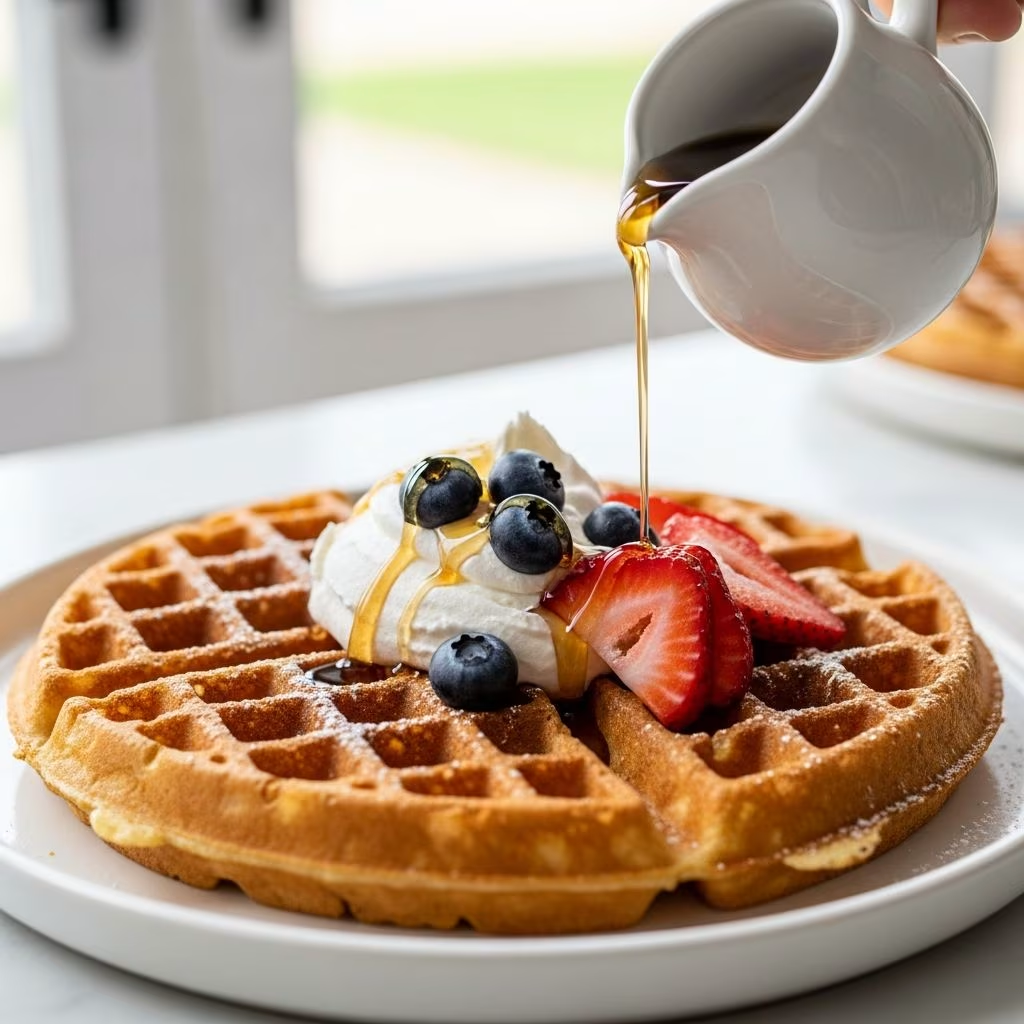
Sweet chaffles introduce entirely new breakfast possibilities. A vanilla-flavored version combines one-quarter cup of shredded mozzarella, one tablespoon of sugar-free instant vanilla pudding mix, one-quarter teaspoon of cake batter extract, and one egg. This delicate combination creates a dessert-like breakfast treat without the guilt of traditional sugary waffles. Serve these with sugar-free syrup, whipped cream, or fresh berries for a more indulgent presentation.
A protein powder variation works equally well for those seeking additional protein content. This version uses one-quarter cup of mozzarella, one tablespoon of vanilla protein powder, and two eggs. The protein powder adds nutrition and contributes subtle flavor complexity while maintaining the overall integrity of the chaffle structure.
Equipment and Preparation Essentials
Success with chaffles depends significantly on having appropriate equipment and preparing your workspace efficiently.
Waffle Maker Selection
Mini waffle makers have become particularly popular for chaffle preparation, though standard full-size waffle irons work equally well. Mini versions offer advantages in terms of portion control and reduced cooking time, while full-size makers allow you to prepare multiple chaffles simultaneously. Regardless of your choice, ensure your appliance maintains consistent heat and has a reliable non-stick surface.
Pre-Cooking Preparation
Proper preparation prevents cooking frustrations and ensures optimal results. Preheat your waffle maker for five minutes to allow the plates to reach optimal temperature. Light coating with cooking oil or butter improves non-stick properties and creates a crispier exterior. Gathering all ingredients before beginning ensures a smooth, efficient cooking process.
Technical Guidance for Consistent Results
Achieving consistent, high-quality chaffles requires attention to several technical factors that influence the final product.
Batter Consistency and Filling
The ideal batter consistency resembles pancake batter—thick enough to hold its shape but fluid enough to spread easily. Overfilling the waffle maker causes batter to spill over the edges and extends cooking time, while underfilling results in thin, brittle chaffles. Aim to fill your waffle maker approximately three-quarters full, using approximately one-half cup for regular makers and one-quarter cup for mini versions.
Cooking Time and Doneness Indicators
Most chaffles require two to four minutes of cooking time, though this varies based on your specific appliance and batter composition. Signs of readiness include steam no longer emerging from the machine, a golden-brown exterior visible around the edges, and slight resistance when lifting the lid. Using a fork or flat spatula to remove chaffles prevents tearing and maintains structural integrity.
Storage and Reheating Strategies
One underappreciated advantage of chaffles is their excellent storage properties, making them ideal for meal preparation and busy schedules.
Refrigerator Storage
Cooked chaffles maintain quality in the refrigerator for up to five days when stored in an airtight container. This makes them perfect for preparing several chaffles during weekend cooking sessions and enjoying them throughout the week.
Freezer Preservation
Chaffles freeze exceptionally well and maintain quality for several weeks. Simply allow them to cool completely, layer them with parchment paper to prevent sticking, and transfer to a freezer-safe container. Reheat frozen chaffles directly in a toaster oven or regular oven at 350°F for approximately five to eight minutes until they regain their crispy texture.
Frequently Asked Questions
Why do my chaffles taste eggy?
An overly prominent egg flavor typically indicates you’re using whole eggs when egg whites would be preferable, or that you’re cooking at too low a temperature. Try switching to egg whites exclusively, adding cream cheese or Greek yogurt to balance flavors, or ensuring your waffle maker reaches full temperature before cooking.
Can I make chaffles without a waffle maker?
While a waffle maker creates the characteristic shape and texture, you can adapt the batter for use with other cooking methods like a skillet or griddle, though the result will resemble a pancake more than a traditional waffle.
Are chaffles suitable for freezing?
Yes, chaffles freeze beautifully and remain fresh for several weeks. Allow them to cool completely before freezing, and they can be reheated quickly in a toaster oven.
What types of cheese work best for chaffles?
Cheddar, mozzarella, and cream cheese are popular choices, but virtually any cheese variety can work. Experiment with combinations to discover your preferred flavor profile.
How many net carbs are in a typical chaffle?
Basic cheese and egg chaffles contain approximately 1-3 net carbs per waffle, making them exceptionally suitable for ketogenic dietary approaches.
References
- Easy Keto Chaffle Recipe: Crispy Low-Carb Waffles — Kasey Trenum. 2024. https://kaseytrenum.com/keto-chaffle-recipe/
- Chaffle Recipe (5 Flavors, Not Eggy!) — Wholesome Yum. 2024. https://www.wholesomeyum.com/keto-chaffles-recipe/
- How to make chaffles that actually taste delicious — Edible Times. 2024. https://edibletimes.com/three-ingredient-chaffles-recipe/
- Basic Keto Chaffle Recipe — The Best Keto Recipes. 2024. https://thebestketorecipes.com/basic-keto-chaffle-recipe/
- Chaffles – The Viral Low Carb Waffle Recipe Everyone Is Loving! — That Low Carb Life. 2024. https://thatlowcarblife.com/chaffles/