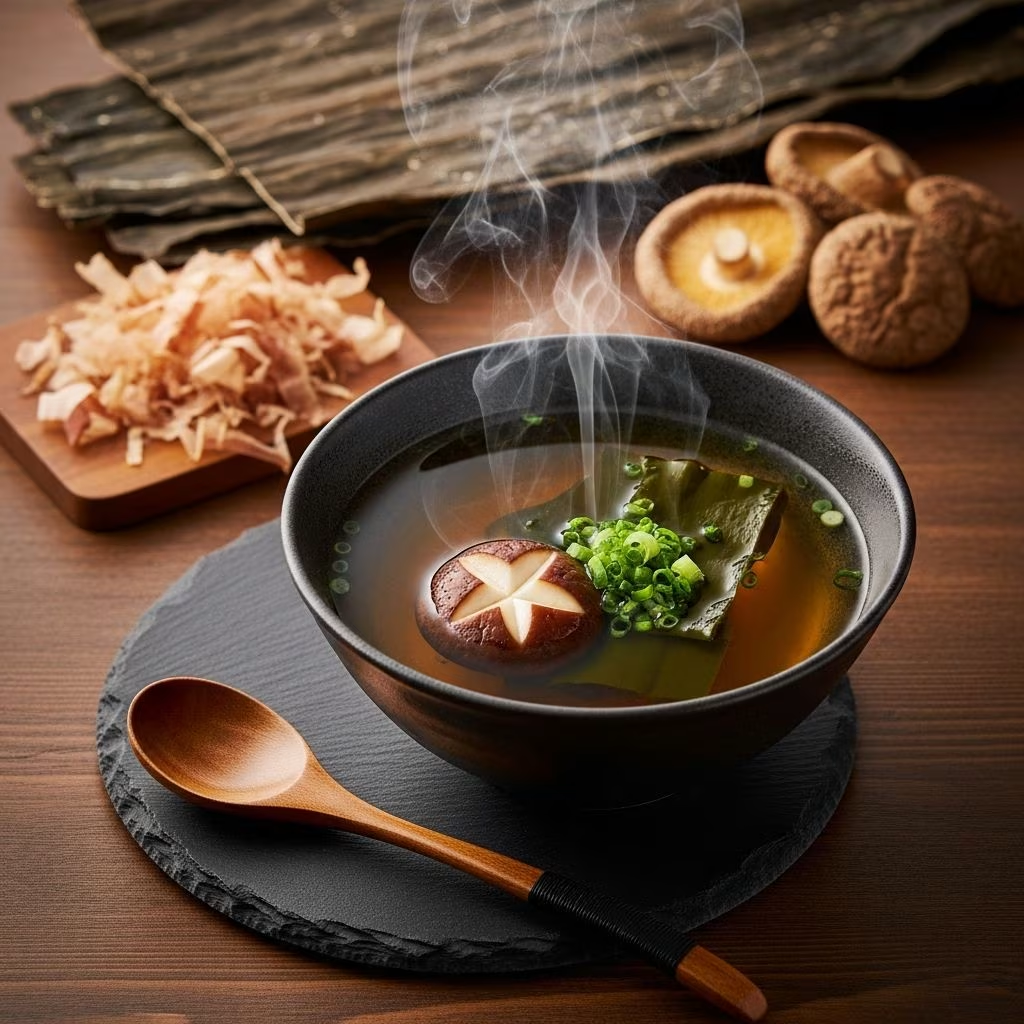
Understanding the Essence of Japanese Stock
At the heart of Japanese cuisine lies a fundamental ingredient that serves as the backbone for countless dishes: dashi. This delicate yet powerfully flavorful broth represents centuries of culinary tradition, distilled into a simple preparation that transforms basic ingredients into liquid gold. Whether you’re preparing a bowl of miso soup, simmering noodles, or creating a sophisticated sauce, dashi provides the foundation upon which authentic Japanese cooking rests.
The magic of dashi lies not merely in its taste, but in its ability to awaken the palate through umami—the fifth basic taste that was scientifically identified in the early 1990s by chemist Kikunae Ikeda, who was studying the distinctive savory quality of his wife’s homemade broth. This subtle yet profound flavor registers on our taste buds as something simultaneously meaty, savory, and deeply satisfying, creating depth and complexity that no single ingredient could achieve alone.
The Primary Ingredients: Nature’s Umami Powerhouses
The foundation of authentic dashi rests upon two primary ingredients, each contributing unique flavor dimensions and exceptional nutritional properties. Understanding these components and their characteristics is essential for anyone seeking to master this fundamental Japanese cooking technique.
Kombu: The Oceanic Foundation
Kombu, also known as dried kelp, represents one of nature’s most concentrated sources of umami flavor. The drying process serves a crucial function—it concentrates the kombu’s natural glutamic acid, which is the primary compound responsible for umami sensations. When rehydrated in water, kombu releases these compounds generously, infusing the liquid with oceanic depth and a clean, slightly sweet character.
When selecting kombu for your dashi, look for pieces that display a naturally occurring white dusting on their surface. This fine powder is sea salt, not mold, and represents the mineral wealth locked within the seaweed. Kombu thickness also matters; thicker pieces generally indicate higher quality and more concentrated flavor compounds. The typical quantity used ranges from 10 to 20 grams per batch, depending on desired intensity and the volume of liquid being prepared.
Proper kombu preparation is surprisingly important. Rather than rinsing the kombu before use, many experienced cooks recommend gently wiping it with a damp cloth to remove surface grit while preserving the valuable umami compounds on its exterior. Some preparations involve cutting shallow slits into the kombu to further encourage flavor release during the steeping process.
Katsuobushi: The Smoky Accent
Katsuobushi, or dried bonito flakes, provides the complementary element that transforms simple kombu broth into truly exceptional dashi. These paper-thin shavings originate from bonito fish that has been smoked and dried through a traditional process, creating an intensely aromatic ingredient packed with additional umami compounds and smoky, savory notes.
The quality of katsuobushi significantly impacts final results. Premium grades feature thicker shavings and more pronounced aroma, while budget options tend toward finer particles that may create cloudiness in the finished dashi. Traditional recipes often suggest adding generous quantities of katsuobushi—experienced sushi chefs emphasize using substantial amounts to build depth and character in the broth. Most recipes call for 10 to 30 grams of katsuobushi, depending on desired intensity and personal preference.
The Science Behind Dashi Preparation
Creating superior dashi requires understanding the temperature dynamics and timing that unlock flavors while avoiding undesirable outcomes. The preparation process is deceptively simple on the surface but rewards careful attention to detail.
The Soaking Stage: Patient Extraction
The first critical phase involves steeping kombu in cold water. This leisurely process allows gradual hydration and flavor release without introducing heat that might create unwanted bitterness or sliminess. Traditional recipes recommend soaking kombu for at least 30 minutes, though some cooks prefer overnight soaking for maximum flavor development. If soaking overnight, refrigeration is recommended to prevent spoilage.
The soaking stage serves multiple purposes beyond simple ingredient rehydration. It begins breaking down cellular structures within the kelp, preparing them for more efficient flavor extraction during heating. The water gradually absorbs color and aroma, though it remains relatively clear at this stage. This phase is where the foundation of your dashi’s character is established.
The Heating Process: Controlled Temperature Application
Once soaking is complete, the pot moves to the stove for carefully controlled heating. The fundamental principle guiding this stage is gentleness—slow, gradual temperature increase extracts the best flavors while preventing the bitterness that can result from aggressive boiling. Most experienced cooks recommend heating over medium or medium-low heat, bringing the liquid to a bare simmer rather than a rolling boil.
The target temperature range during this phase is crucial. Bringing kombu to precisely 60°C (140°F) before removal represents the ideal extraction point for some preparations, avoiding temperatures where undesirable compounds become dominant. After the kombu reaches the appropriate temperature and has been removed from the pot, the heat is increased to bring fresh liquid to approximately 80°C (176°F) for the bonita stage.
Adding Katsuobushi: The Critical Infusion Moment
The introduction of katsuobushi marks a pivotal moment in dashi preparation. Rather than adding it to cold or slowly heating broth, proper technique calls for bringing the liquid to a bare simmer or high simmer, then immediately turning off the heat before sprinkling in the bonito flakes all at once. This timing is essential—the heat remaining in the liquid is sufficient to extract flavors from the katsuobushi without causing the delicate flakes to break apart or create cloudiness.
Once katsuobushi enters the pot, patience becomes paramount. The flakes should be left completely undisturbed to settle naturally to the bottom—stirring or agitating them will cause the broth to become cloudy, diminishing its visual appeal and potentially affecting the final taste profile. Allow approximately 2 to 5 minutes for complete settlement, during which time the bonito compounds infuse gradually into the hot liquid.
Essential Equipment and Preparation Steps
Creating excellent dashi requires minimal equipment but demands care in execution. A medium-sized pot with adequate depth allows proper water circulation without splashing or excessive evaporation. Many Japanese cooks traditionally use a donabe (earthenware pot), which distributes heat gently and evenly, though any heavy-bottomed pot functions adequately.
A fine-mesh strainer or sieve is absolutely essential for the final filtering stage. This tool removes all solid particles while preserving the liquid’s clarity and refinement. Some cooks prefer layering their strainers with cheesecloth for even finer filtration, particularly when preparing dashi for delicate dishes where any sediment would be noticeable.
The basic preparation sequence follows this pattern: add kombu and cold water to the pot and allow soaking time; place the pot on medium heat and bring to a bare simmer, monitoring carefully to prevent boiling; remove the kombu before it disintegrates; increase heat briefly to bring liquid to a simmer; add katsuobushi all at once and immediately remove from heat; allow 2 to 5 minutes for settlement; strain through fine mesh into a clean vessel.
Variations and Secondary Extractions
Beyond the primary preparation technique, Japanese culinary tradition recognizes several important variations that serve different purposes and flavor profiles.
Ichiban Dashi: The Pure First Extraction
The first batch of dashi created from fresh kombu and katsuobushi is called ichiban dashi, meaning “first dashi.” This version represents the purest and most delicate expression of the ingredients, featuring clear color, refined aroma, and balanced flavor. Ichiban dashi is traditionally reserved for clear soups and delicate dishes where its subtle character can shine without being overwhelmed by other ingredients.
Niban Dashi: The Resourceful Second Extraction
Rather than discarding spent kombu and bonito flakes, Japanese cooks have long practiced a sustainable approach to maximize ingredient value. The used solids are combined with fresh water and sometimes additional bonito flakes, then brought to a boil and simmered briefly to extract remaining flavors. This secondary broth, called niban dashi, possesses less refinement than ichiban dashi but sufficient depth for stewed dishes, sauces, and heartier preparations.
Awase Dashi: The Versatile Blend
Awase dashi represents the most common everyday preparation, combining kombu and katsuobushi in a single, unified method. This version balances the clean oceanic character of kombu with the smoky, robust qualities of bonito, creating a harmonious broth suitable for virtually any Japanese dish. The term “awase” literally means “blend” or “combination,” reflecting the unity achieved between these two powerful ingredients.
Storage and Shelf Life Considerations
Freshly prepared dashi maintains optimal flavor and aroma for approximately three to five days when refrigerated in a sealed container. The delicate compounds that create dashi’s distinctive character gradually diminish over time, so using fresh dashi soon after preparation is generally recommended for best results.
For longer storage, dashi freezes exceptionally well. Freezing in ice cube trays creates convenient portion sizes that can be thawed individually as needed for recipes. Properly frozen dashi maintains acceptable quality for several months, though using it within two to three months provides the best flavor experience.
Frequently Asked Questions
Can I rinse kombu before using it?
While a gentle wipe with a damp cloth removes surface grit, thorough rinsing should be avoided because the kombu’s exterior contains valuable umami compounds that washing would remove. A light cleaning preserves these beneficial compounds while eliminating debris.
What happens if my dashi becomes cloudy?
Cloudiness typically results from particles being stirred or agitated, particularly when katsuobushi is present in the pot. Allowing the solids to settle undisturbed prevents this issue. If cloudiness occurs, straining through cheesecloth-lined sieves can improve clarity, though some cloudiness from very fine particles may remain.
Is soft water or mineral water better for dashi?
Soft water is generally preferred because mineral content can slightly interfere with the extraction of umami compounds. If using tap water, checking local mineral content may help optimize results. Filtered water represents a good middle-ground option.
Can I substitute other ingredients if I cannot find authentic kombu or katsuobushi?
While substitutions diminish authenticity and flavor profile, alternatives exist. Kombu-only dashi produces a cleaner, slightly sweeter result with less complexity. Using only katsuobushi creates a smokier, more assertive broth lacking the subtle oceanic notes kombu provides. These single-ingredient versions function adequately in some applications but lack the sophistication of traditional awase dashi.
How much dashi should I prepare at once?
Most recipes yield 3 to 4 cups (700-950 ml) per batch, which represents an efficient quantity for home cooking. This amount provides enough for several dishes while remaining manageable for storage and maintaining freshness.
Practical Application and Culinary Impact
Understanding dashi’s preparation represents only the beginning of mastering this essential ingredient. The true value emerges through application in actual cooking. Miso soup transforms from a basic warm drink into a complex, nuanced experience when made with properly prepared dashi. Ramen broth gains exceptional depth and body when built upon a strong dashi foundation. Clear soups showcase dashi’s delicate aromatics without competing elements overwhelming its subtle character.
The investment in learning proper dashi preparation pays dividends across countless dishes. Rather than viewing it as an additional chore, experienced cooks recognize dashi preparation as a meditation on flavor fundamentals—a practice that deepens understanding of how ingredients interact and how careful technique transforms simple components into extraordinary results.
References
- My Favorite Awase Dashi with Niboshi, Katsuobushi and Kombu — Sudachi Recipes. Retrieved from https://sudachirecipes.com/my-favourite-awase-dashi-recipe/
- Dashi | Japanese-Inspired Stock — The Happy Foodie. Retrieved from https://thehappyfoodie.co.uk/recipes/dashi/
- Basic Japanese Stock – Kombu and Bonito Dashi — TOIRO Kitchen. Retrieved from https://toirokitchen.com/blogs/recipes/basic-japanese-stock-kombu-and-bonito-dashi
- Dashi Recipe (Japanese Soup Stock) — Chef Billy Parisi. Retrieved from https://www.billyparisi.com/dashi/
- How to Make Dashi – From Kombu & Katsuobushi, Step by Step — W2 Kitchen. Retrieved from https://www.youtube.com/watch?v=_fQtC_r-UyM
- How to Make Dashi (Video) — Just One Cookbook. Retrieved from https://www.justonecookbook.com/how-to-make-dashi/
- Japanese Homemade Dashi Stock Recipe — Japan Centre. Retrieved from https://www.japancentre.com/en/recipe/181-homemade-dashi-stock