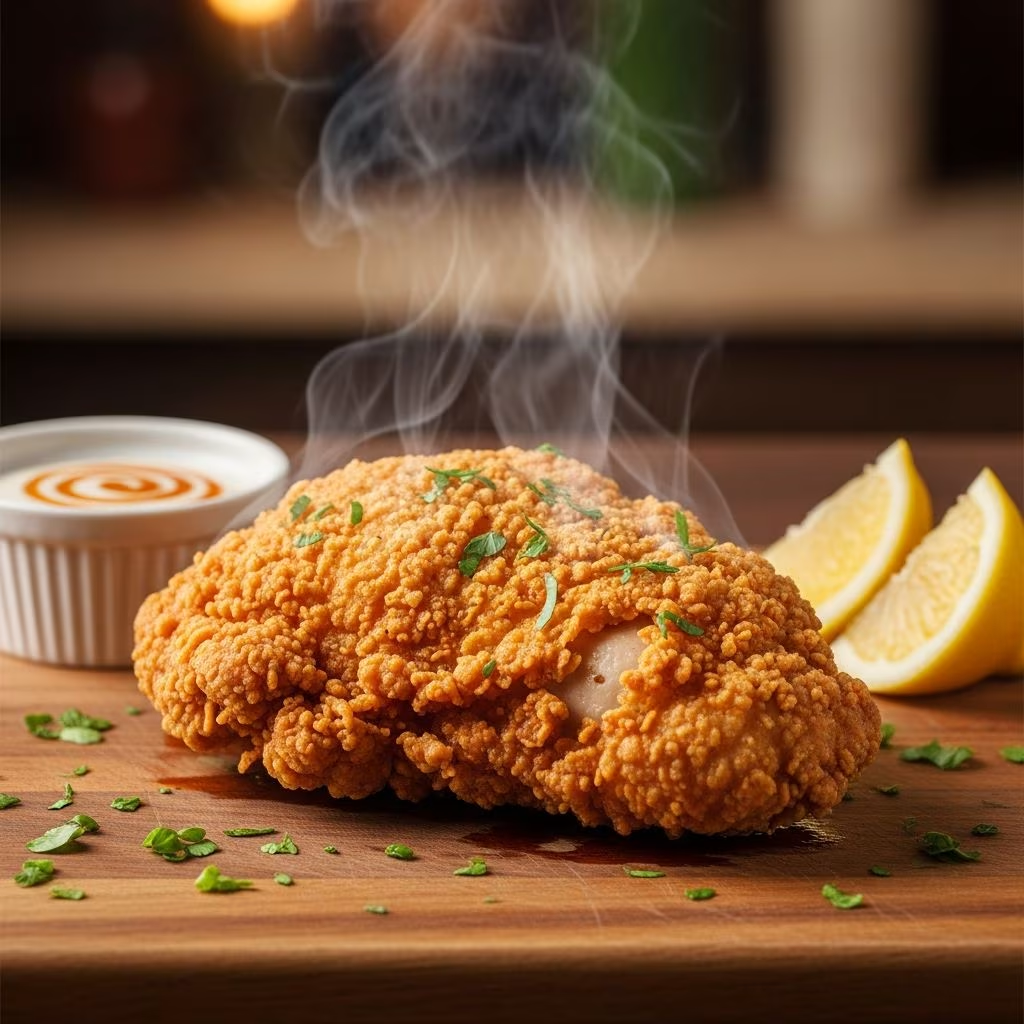
Creating the ideal fried chicken involves balancing a shatteringly crisp coating with succulent, flavorful meat inside. This guide draws from time-tested methods to help you achieve professional results in your own kitchen, focusing on preparation, battering, and cooking precision.
Why Fried Chicken Captivates Home Cooks
Fried chicken stands as a cornerstone of comfort food, blending simple ingredients into something extraordinary. Its appeal lies in the contrast of textures—crunchy outside yielding to moist interior—and layers of seasoning that penetrate deeply. Home versions often fall short due to skipped steps like extended brining or improper oil temperatures, but following structured techniques elevates everyday meals to memorable feasts.
Success hinges on science: acids in marinades tenderize proteins, starches form protective barriers during frying, and controlled heat prevents sogginess. With practice, these elements come together seamlessly, making fried chicken a rewarding skill for any cook.
Selecting the Right Chicken Cuts
Start with quality chicken for the best outcome. A whole bird, cut into 8 pieces (2 breasts halved, 2 thighs, 2 drumsticks, 2 wings), ensures even cooking. Bone-in, skin-on pieces retain moisture better than boneless, as bones conduct heat gradually and skin crisps beautifully.
- Breasts: Halve large ones to promote uniform doneness; they cook slower due to thickness.
- Dark meat (thighs, drumsticks): More forgiving, staying juicy even if slightly overcooked.
- Wings: Quick-cooking, perfect for testing oil readiness.
Fresh, free-range chicken offers superior flavor and texture over frozen, which can release excess water during frying, leading to a greasy result. Pat pieces dry thoroughly before any seasoning to help adhesion of coatings.
Mastering the Brine for Tenderness
Brining infuses moisture and flavor while breaking down muscle fibers for tenderness. A basic wet brine uses buttermilk or milk with salt, spices, and heat for complexity.
| Brine Ingredient | Purpose | Quantity (for 1 whole chicken) |
|---|---|---|
| Buttermilk or whole milk | Tenderizes via acidity; coats for batter stick | 2 cups |
| Kosher salt | Seasoning and moisture retention | 2 tsp |
| Garlic/onion powder | Deep flavor penetration | 2 tsp each |
| Hot sauce or cayenne | Subtle heat and tang | 2 tbsp |
Mix ingredients in a large bowl, submerge chicken, and refrigerate 2-24 hours—overnight yields the most tender results. Pierce skin lightly with a fork to enhance absorption. For a simpler alternative, a dry brine with salt and spices works if time is short, applied 1-4 hours ahead.
Crafting the Ultimate Dredge Mixture
The dredging station creates the signature crunch. Combine all-purpose flour with cornstarch and baking powder for lightness and color.
- Flour base: Provides structure (2 cups).
- Cornstarch: Inhibits gluten formation for tenderness in the crust (1 cup); promotes golden hue.
- Baking powder: Releases air bubbles in hot oil, ensuring extra crispiness (1-2 tsp).
- Seasonings: Salt (2 tsp), black/white pepper (1-2 tsp each), paprika, garlic/onion powder (1 tsp each), cayenne for kick.
Whisk dry ingredients until uniform. This blend, when hydrated slightly by the chicken’s wet surface, forms a pasty seal that fries into rugged peaks rather than a smooth shell.
Double-Dipping Technique for Maximum Crunch
After brining, dredge each piece: shake off excess liquid, coat thoroughly in dry mix, and rest on a wire rack 5-10 minutes. The coating absorbs moisture, turning tacky—a crucial step for adhesion.
For superior texture, double-dip: return rested pieces to the dredge for a second light coat just before frying. This creates nooks and crannies that crisp dramatically. Avoid overcrowding; work in small batches to maintain coating integrity.
Choosing and Heating Frying Oil
Neutral oils with high smoke points are essential: peanut, canola, or vegetable oil. Fill a deep fryer or heavy cast-iron skillet to 1.5-2 inches deep.
Heat to 325°F—use a thermometer for accuracy. Test with a dredged wing: it should sizzle vigorously and rise to surface. If browning too fast, drop to 300°F; too slow, increase slightly. Cast iron retains heat, so monitor closely to avoid scorching.
Frying Process Step-by-Step
- Add 3-4 pieces to hot oil; maintain temperature between 300-325°F.
- Fry 12-15 minutes for dark meat, 8-12 for white, turning every 2-3 minutes for even color.
- Use tongs or spider strainer; never a fork, to preserve coating.
- Internal temp: 165°F for breasts/wings, 175°F for thighs/legs to render fat fully.
- Transfer to wire rack over sheet pan; drain in 350°F oven 5-10 minutes to finish cooking and stay crisp.
Fry in batches to prevent temperature drops, which steam rather than fry the chicken.
Alternative Skillet Method for Traditionalists
For Southern authenticity, use a lidded cast-iron skillet with ½-inch shortening or oil. After initial browning uncovered, cover 5-10 minutes to steam-cook insides gently, then uncover to recrisp. This method, passed through generations, yields juicy results with a homey flavor.
Common Mistakes and Fixes
| Problem | Cause | Solution |
|---|---|---|
| Soggy coating | Oil too cool or overcrowding | Fry at 325°F in batches |
| Raw inside | Thick pieces, low heat | Halve breasts; check temps |
| Falling batter | Insufficient rest or wet chicken | Dry pat; rest dredged pieces |
| Bitter taste | Overseasoned or burnt flour | Taste dredge; fresh oil |
Serving Suggestions and Pairings
Rest chicken briefly before serving to redistribute juices. Pair with coleslaw, mashed potatoes, biscuits, or pickles for classic contrast. Hot sauce, honey butter, or gravy amplify flavors. Leftovers reheat best in 375°F oven 10-15 minutes on a rack.
Storage and Reheating Tips
- Fridge: Airtight container up to 3 days.
- Freezer: Wrapped tightly, 2 months.
- Reheat: Oven at 350°F until 165°F internal; avoid microwave to prevent sogginess.
Nutrition Considerations
One piece (thigh) approx: 400 calories, 25g fat, 30g protein. Balance with veggies; air-frying cuts oil by 70% but sacrifices some crunch.
Frequently Asked Questions
Can I use chicken tenders?
Yes, adjust fry time to 6-8 minutes; brine and dredge same way.
What if no buttermilk?
Mix milk with 1 tbsp lemon juice or vinegar; rest 10 minutes.
Gluten-free option?
Use 1:1 gluten-free flour blend + cornstarch; add 1 tsp xanthan gum.
How to keep crisp for parties?
Fry ahead, hold in 200°F oven on racks up to 1 hour.
Best oil substitute?
Lard or duck fat for richer flavor, same temp.
Advanced Variations
- Spicy Korean: Gochujang in brine, sesame seeds in dredge.
- Herb-infused: Fresh thyme/rosemary in oil.
- Sweet heat: Dust with powdered sugar + cayenne post-fry.
Experiment confidently once basics are mastered.
References
- The Best Southern Fried Chicken — The Country Cook. 2023-05-15. https://www.thecountrycook.net/the-best-southern-fried-chicken/
- Easy Fried Chicken (VIDEO) — CJ Eats Recipes. 2024-02-10. https://cjeatsrecipes.com/easy-fried-chicken/
- Fried Chicken Masterclass: Perfect Brine, Breading, and Frying Tricks — Springer Mountain Farms. 2023-11-20. https://www.springermountainfarms.com/the-flock/tips-for-the-best-fried-chicken/
- How to Make the Best Fried Chicken — Nick’s Kitchen (YouTube). 2022-08-05. https://www.youtube.com/watch?v=AJbJYwEduso