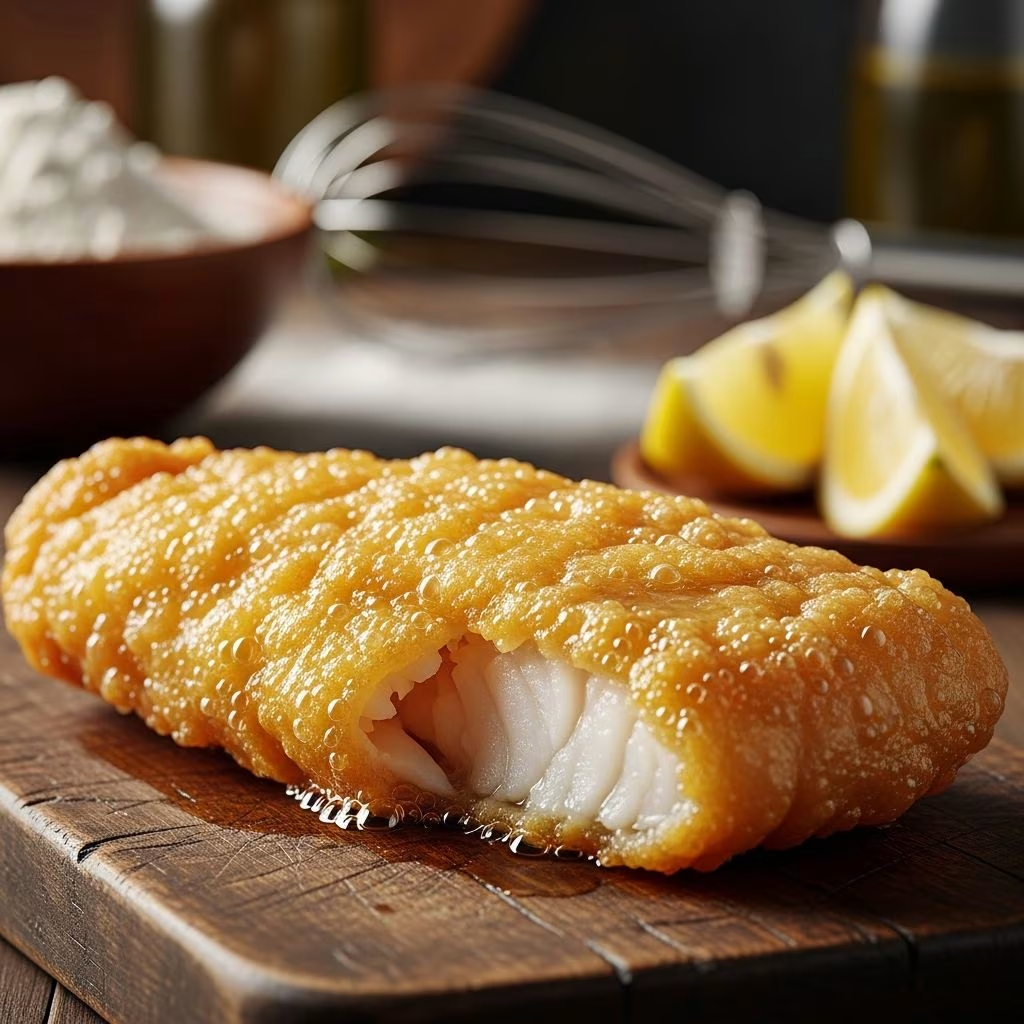
The secret to exceptional fried fish lies not merely in the quality of your catch or the precision of your frying temperature, but in the batter itself. A well-crafted fish batter serves as the foundation for achieving that coveted golden exterior while maintaining tender, flaky fish within. Whether you’re preparing a casual weeknight dinner or hosting a gathering, understanding the mechanics of batter composition can elevate your culinary efforts significantly.
Understanding Batter Fundamentals
Fish batter represents a delicate balance of science and technique. The primary components—flour, liquid, and leavening agents—work in concert to create the light, crispy coating that distinguishes exceptional fried fish from mediocre attempts. The flour provides structure and absorbs moisture from the fish, while the liquid creates the binding medium. Leavening agents introduce air pockets that trap steam, producing that desirable textural contrast between the crispy exterior and tender interior.
The consistency of your batter directly influences the final result. A batter that flows like thin pancake batter allows for an even, delicate coating that fries quickly and crisps efficiently. Conversely, overly thick batters create heavy, doughy layers that may not cook through properly and can result in a greasy finished product. The goal is achieving a batter that coats the back of a spoon while remaining fluid enough to distribute evenly across the fish surface.
Essential Ingredients and Their Roles
Creating reliable fish batter requires understanding what each ingredient contributes to the final product. Here’s a breakdown of the core components:
- All-purpose flour: Forms the structural foundation of your batter. Use one to two cups depending on your recipe and desired coating thickness.
- Cornstarch: Contributes significantly to crispness by absorbing moisture and creating a lighter texture. Typically used in one to two tablespoon quantities, though some recipes employ equal parts flour and cornstarch for maximum crunch.
- Baking powder or baking soda: These leavening agents create carbon dioxide bubbles during frying, producing the characteristic light, airy structure. Two teaspoons of baking powder or half a teaspoon of baking soda typically suffices for standard recipes.
- Salt: Essential for flavor enhancement. Most recipes recommend one teaspoon, though some variations use up to two teaspoons depending on personal preference and additional spices.
- Liquid components: Water, milk, or beer serve as the binding medium. Cold liquids are preferred as they create denser batter structures that fry more crisply. Milk adds richness, while beer introduces subtle flavor notes and additional carbonation for enhanced texture.
- Eggs: Some batters incorporate eggs for binding and structure, typically one to two eggs per batch.
- Seasoning additions: Paprika, garlic powder, onion powder, and seafood seasonings personalize your batter while complementing the fish’s natural flavors.
The Science Behind Batter Crispness
Achieving that signature crispness requires understanding the chemical reactions occurring during deep frying. When batter enters hot oil, water within the mixture rapidly evaporates, creating steam that escapes through the coating. This process leaves behind tiny air pockets, contributing to the crispy texture. The Maillard reaction—a browning process between proteins and carbohydrates—develops the appealing golden color and complex flavors associated with quality fried fish.
The oil temperature plays a crucial role in determining whether these reactions proceed optimally. Oil heated to 365-375°F (185-190°C) allows the exterior to crisp while the interior fish cooks through. Temperatures below this range result in greasy, heavy coatings as the batter absorbs excessive oil rather than frying. Conversely, temperatures exceeding 375°F may burn the exterior before the interior reaches the proper doneness.
Step-by-Step Batter Preparation Method
Successful batter creation follows a logical sequence that maximizes texture and flavor:
- Measure and combine all dry ingredients—flour, cornstarch, baking powder, and salt—in a mixing bowl, whisking thoroughly to distribute the leavening agents evenly.
- Incorporate any dry seasonings such as paprika, garlic powder, or onion powder at this stage, ensuring even distribution throughout the mixture.
- Create a well in the center of the dry ingredients and gradually add your chosen liquid, whisking continuously to eliminate lumps.
- Mix until the batter reaches the desired consistency—smooth and pourable yet substantial enough to coat the back of a spoon.
- Allow the batter to rest for five to ten minutes, permitting the flour to fully hydrate and the leavening agents to activate.
- If using fresh batter, proceed to coating your fish immediately. For optimal results, maintain the batter at room temperature during the frying process.
Fish Preparation for Optimal Results
The quality of your final dish depends significantly on how thoroughly you prepare the fish before battering. Begin with fully thawed fillets, as partially frozen fish may cook unevenly. Pat the fillets completely dry using paper towels, as residual moisture prevents the batter from adhering properly. Some cooks prefer applying a light dusting of flour to the fish surface before dipping in batter, creating an additional layer that helps the wet batter cling more effectively.
Selecting appropriate fish varieties matters considerably. Firm white fish such as cod, halibut, and pollock maintain their structure during frying and complement the crispy batter beautifully. Delicate varieties like sole or flounder work well in thinner batters, while heartier options can support heavier coatings. Fillets of uniform thickness cook more evenly than irregularly sized pieces, so consider trimming thicker sections or butterflying them for consistent results.
Oil Selection and Temperature Management
The choice of frying oil influences both the flavor and health profile of your finished dish. Vegetable oil, canola oil, and peanut oil all work effectively for fish battering, offering high smoke points that allow them to withstand the necessary frying temperatures without breaking down. Some cooks prefer vegetable shortening for its neutral flavor and excellent frying characteristics.
Maintaining consistent oil temperature throughout the frying process directly impacts your results. Use a reliable thermometer to monitor temperature, adjusting heat as needed to keep oil within the optimal 365-375°F range. As you add successive batches of fish, the temperature drops; allow adequate time between batches for oil to return to the proper temperature. Avoid overcrowding the pan, as too many cold fillets simultaneously can cause the oil temperature to plummet, resulting in greasy rather than crispy coatings.
Frying Technique and Timing
Proper frying technique ensures even cooking and maximum crispness. Lower fish fillets into the hot oil carefully, avoiding splashing that could cause burns. Cook each piece for approximately three to four minutes per side, though timing varies based on fillet thickness. The batter should achieve a rich golden-brown color rather than pale yellow or dark brown. Flip fillets only once, as excessive manipulation can disrupt the developing crust.
Remove cooked fillets from the oil using tongs or a slotted spoon, allowing excess oil to drip back into the pan. Transfer to a cooling rack positioned over paper towels rather than placing directly on paper towels, which traps steam and softens the crispy exterior. If preparing multiple batches, maintain finished pieces in a 200°F oven on a baking sheet with a wire rack, which preserves crispness while keeping the fish warm.
Flavor Variations and Customization
While the basic batter formula works excellently for traditional fried fish, numerous variations allow for creative customization. Substituting beer for half the water introduces subtle flavor complexity and additional carbonation that enhances crispness. Adding seafood seasoning, old bay seasoning, or cajun spices personalizes the coating to complement your preferred flavor profiles.
This versatile batter extends beyond fish applications. The same formula works remarkably well for battering chicken pieces, creating vegetables like onion rings or zucchini, and even coating cheese cubes for appetizers. Adjusting seasoning profiles allows you to tailor the batter to whatever protein or ingredient you’re preparing. For example, reducing salt and adding additional seafood seasoning works best for fish, while garlic powder and paprika complement chicken preparations effectively.
Common Mistakes to Avoid
Several pitfalls can compromise your batter’s performance. Overmixing the batter after adding liquids develops gluten, resulting in tough rather than tender coatings. Mix just until ingredients combine smoothly, leaving small lumps if necessary. Using warm or room-temperature liquid instead of cold versions produces less crispy results, as temperature affects the batter’s frying behavior.
Neglecting to pat fish fillets completely dry before battering causes the batter to slip off during frying. Similarly, allowing battered fish to sit too long before frying permits the batter to absorb moisture from the fish, reducing crispness potential. Frying at temperatures below 365°F results in greasy, soggy coatings that fail to develop proper texture. Conversely, temperatures exceeding 380°F may burn the exterior while leaving the interior undercooked.
Storage and Make-Ahead Considerations
While fresh batter delivers optimal results, you can prepare batters several hours in advance by refrigerating them in sealed containers. Allow refrigerated batter to come to room temperature before using, as cold batter sometimes produces less crispy results. Some cooks prefer preparing batter while fish thaws, permitting both components to reach ideal conditions simultaneously.
Fried fish is best consumed immediately, though leftovers store in airtight containers in the refrigerator for two to three days. Reheating in a 375°F oven for approximately five minutes restores some crispness, though the texture inevitably softens slightly. For optimal quality, plan to prepare fried fish freshly rather than relying on reheated leftovers for important meals.
Frequently Asked Questions
Can I make fish batter without eggs?
Yes, absolutely. While some recipes include eggs for binding, the combination of flour, baking powder, and cold liquid creates excellent batters without eggs. Egg-free batters often produce lighter, crispier results because eggs add richness that can reduce crispness.
What’s the difference between baking powder and baking soda in fish batter?
Baking powder contains baking soda plus acidic components, making it self-activating when mixed with liquids. Baking soda requires an acidic ingredient to activate properly. Most fish batter recipes use baking powder because it consistently produces reliable results without requiring additional acidic components.
Why does my batter slide off the fish during frying?
This typically results from inadequately dried fish or applying batter too far in advance of frying. Always pat fish completely dry before battering, and consider lightly dusting with flour before dipping in batter to enhance adhesion. Fry battered fish immediately after coating.
Can I use self-rising flour for fish batter?
Self-rising flour contains salt and leavening agents, which can make controlling your batter’s flavor and texture difficult. Stick with all-purpose flour combined with your preferred leavening agents for better control over final results.
Is cornstarch really necessary for crispy batter?
While not absolutely essential, cornstarch significantly contributes to crispness by absorbing and retaining moisture differently than wheat flour. Recipes using cornstarch consistently produce crisper results than flour-only batters. Many cooks consider it a worthwhile addition for superior texture.
Conclusion
Mastering fish batter preparation transforms your home cooking capabilities, enabling you to create restaurant-quality fried fish that rivals professional establishments. By understanding ingredient roles, respecting oil temperatures, and employing proper technique, you’ll consistently achieve that perfect balance of golden crispness and tender, flaky interiors. The foundation outlined here provides the knowledge necessary for confident experimentation and customization, allowing you to develop your signature batter that becomes a household favorite.
References
- Food Safety and Inspection Service (FSIS) Guidelines for Deep Frying — U.S. Department of Agriculture. 2024. https://www.fsis.usda.gov/
- Maillard Reaction in Food Preparation — Institute of Food Technologists. 2023. https://www.ift.org/
- Oil Smoking Points and Safe Frying Temperatures — National Center for Home Food Preservation, University of Georgia. 2024. https://nchfp.uga.edu/
- Gluten Development in Batters — Culinary Institute of America Educational Resources. 2023. https://www.ciachef.edu/
- Fish Quality and Selection Guidelines — National Oceanic and Atmospheric Administration (NOAA). 2024. https://www.noaa.gov/