Funnel cakes represent one of the most beloved fair and festival treats, combining crispy textures with sweet indulgence. While many people associate this delightful dessert exclusively with summer carnivals and amusement parks, recreating this classic at home is entirely achievable. The process requires minimal specialized equipment and common pantry ingredients, making it accessible to home cooks of all skill levels. By mastering the fundamentals of funnel cake preparation, you can enjoy this carnival favorite whenever the craving strikes, all while customizing it with your preferred glazes and decorative toppings.
Understanding Funnel Cake Fundamentals
Funnel cakes occupy a unique position in the dessert world, blending characteristics of multiple beloved treats. The result resembles a hybrid between glazed donuts and crispy churros, creating a dessert that appeals to both texture and flavor preferences. The appeal lies not just in taste, but in the theatrical nature of preparation—watching batter spiral into hot oil creates an engaging culinary experience.
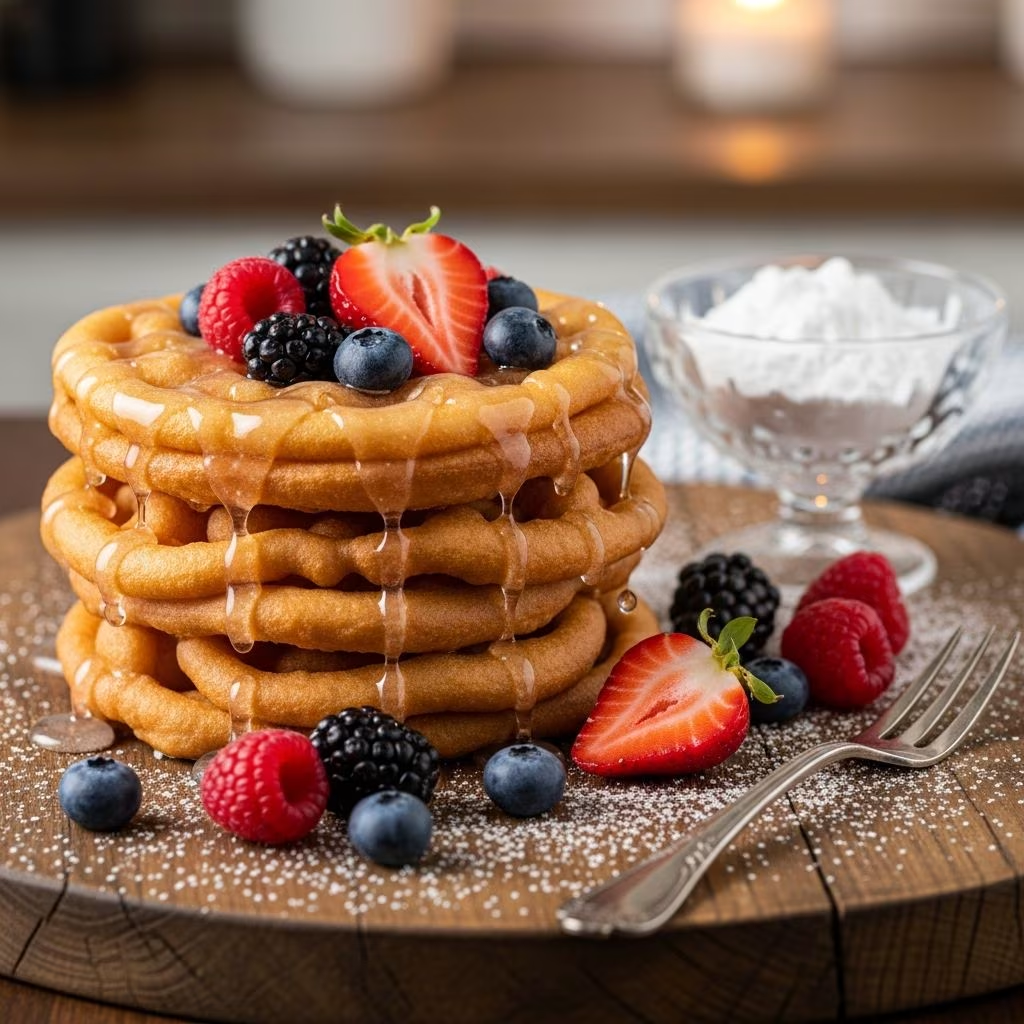
The fundamental principle behind funnel cake involves pouring a simple batter through a funnel into hot oil, where it creates an intricate web-like structure. This distinctive lattice pattern distinguishes funnel cakes from other fried pastries, providing both visual appeal and textural variety. The exterior achieves a satisfying crispness, while the interior remains surprisingly tender, offering a pleasant contrast that keeps people reaching for more.
Essential Components for Funnel Cake Success
The Base Batter Formula
A successful funnel cake begins with a well-balanced batter that achieves the right consistency for pouring through a funnel. The batter should be thin enough to flow smoothly yet thick enough to hold its spiral shape once submerged in oil. Most standard recipes combine all-purpose flour, eggs, milk, and a dairy component like buttermilk or regular milk, along with leavening agents and vanilla flavoring.
The inclusion of baking powder is crucial, as it creates lift and contributes to the characteristic light, slightly spongy texture within the crispy exterior. A resting period of 5 to 10 minutes allows gluten to develop and helps the batter achieve optimal consistency. Some recipes incorporate sparkling water as a final ingredient, which introduces additional lift and creates an even airier crumb structure.
Glaze Variations and Applications
The glaze transforms funnel cakes from simple fried cakes into sophisticated desserts. A basic glaze combines powdered sugar with liquid—typically milk or water—whisked until smooth. However, creative variations elevate this foundational recipe significantly. Irish cream liqueurs add complexity and depth, while ginger infuses warm spice notes. Cinnamon introduces familiar comfort-food flavors, and alternative extracts like almond or coconut provide distinct personality.
The ratio of powdered sugar to liquid determines glaze consistency. A thicker glaze sits atop the funnel cake without dripping excessively, while a thinner consistency creates smooth coverage that drips attractively down the sides. Preparing the glaze before frying allows it to reach optimal texture by the time the cakes are ready for finishing.
Oil Selection and Temperature Control
Oil temperature represents perhaps the most critical factor in achieving perfect funnel cakes. The ideal frying temperature ranges between 350 and 360 degrees Fahrenheit. At temperatures below this range, the exterior absorbs excessive oil, resulting in greasy, soggy cakes. Conversely, excessive heat can burn the exterior before the interior fully cooks. A reliable deep-fry thermometer is essential equipment, allowing precise temperature monitoring throughout the frying process.
Vegetable oil and canola oil are both excellent choices, offering high smoke points and neutral flavors that allow other ingredients to shine. The volume required depends on your pan depth, but typically 3 to 4 cups suffices for most home kitchens. Maintaining consistent temperature between batches is essential, requiring a brief resting period for oil recovery after removing each funnel cake.
Step-by-Step Preparation Process
Batter Assembly and Preparation
Begin by combining dry ingredients in a mixing bowl: all-purpose flour, sugar, baking powder, and salt. In a separate bowl, whisk together eggs, milk, buttermilk, vanilla extract, and any other wet ingredients. The separation of wet and dry components allows for better incorporation and prevents overmixing, which can develop excessive gluten and result in tough cakes.
Once both components are prepared, gently fold the dry ingredients into the wet mixture, stirring just until combined. The batter should appear smooth but may contain tiny lumps, which is preferable to the dense, tough texture that results from overworking the mixture. Allow the prepared batter to rest for 5 minutes before proceeding, permitting the flour to fully hydrate and gluten to relax slightly.
Oil Preparation and Equipment Setup
Pour your chosen oil into a deep, heavy-bottomed pan or pot—a cast-iron skillet works particularly well—and place over medium heat with a thermometer attached. While the oil heats, prepare supporting equipment and workspace. Line a large plate or baking sheet with paper towels for draining finished cakes. Have tongs or a large slotted spoon readily available for flipping and removing cakes. Some cooks prefer using a fine-mesh spider strainer for this purpose, as it provides excellent control.
Preheat your oven to 350 degrees Fahrenheit if you plan to keep finished cakes warm while frying remaining batches. This optional step prevents the first batches from cooling considerably before serving, ensuring consistent texture and temperature across all cakes.
Frying Technique and Timing
When oil reaches the target temperature, prepare your funnel by plugging its spout with your finger. Fill the funnel approximately three-quarters full with batter. Carefully position the funnel’s opening approximately 2 inches above the oil surface and begin pouring by moving the funnel in a spiral motion from the center outward, creating overlapping rings of batter. This technique produces the characteristic lattice pattern that defines funnel cakes.
Fry each cake for approximately 4 minutes on the first side or until the underside achieves golden-brown coloring. Using your chosen utensil, gently flip the cake and fry the second side for an additional 4 minutes, again aiming for even golden-brown color. Transfer the finished cake to your prepared paper towel-lined plate to drain excess oil.
Glazing and Decoration Strategies
Optimal Glaze Application Methods
Immediately after removing the funnel cake from oil, while it remains warm, drizzle glaze over the surface. The warmth of the freshly fried cake helps the glaze set more quickly and adhere more evenly. Apply glaze in a decorative crosshatch pattern or concentric circles for visual appeal. A spoon works well for this purpose, allowing you to control application quantity and pattern.
Once the glaze coating is complete, consider additional finishing touches. A generous dusting of powdered sugar adds elegance and contributes a subtle sweetness enhancement. The contrast between the glaze and powdered sugar creates visual dimension that elevates the presentation.
Fruit Confetti and Topping Options
Decorative toppings transform glazed funnel cakes into truly special treats. Freeze-dried strawberries offer concentrated flavor and visual interest, while maintaining crispness that contrasts pleasingly with soft cake interiors. These can be incorporated into the batter itself or sprinkled over the glaze for added texture and color.
Fresh fruit toppings provide another avenue for customization. Sliced strawberries, raspberries, and blueberries add natural sweetness and vibrant colors. Whipped cream dollops contribute richness and elegance. Chocolate drizzles introduce additional indulgence, while caramel sauce appeals to those preferring deeper, more complex flavors. The modular nature of funnel cakes permits unlimited topping combinations, allowing personalization according to individual preferences and seasonal availability.
Troubleshooting Common Issues
Addressing Texture Problems
Excessively spongy or dense funnel cakes typically result from incorrect egg ratios or insufficient leavening. To achieve crispier results, reduce the number of eggs while slightly increasing the liquid component. Conversely, increasing egg content produces softer, spongier cakes. Ensuring adequate baking powder incorporation and verifying its freshness resolves many leavening-related issues.
Preventing Oil-Related Difficulties
Greasy, oil-soaked cakes indicate insufficient oil temperature. Allowing oil to return to the target temperature between batches is essential. Conversely, if the exterior browns too quickly while the interior remains undercooked, reduce the heat slightly and allow oil to cool by 10 degrees, then proceed with subsequent batches.
Batter Consistency Optimization
Batter that is too thick resists pouring through the funnel, while excessively thin batter spreads too widely in the oil, creating formless cakes. The consistency should resemble a slightly thicker pancake batter. If necessary, adjust by adding milk in small increments to thin, or flour in small quantities to thicken. Allow any adjustments to rest for several minutes before the next attempt.
Frequently Asked Questions
Can funnel cakes be prepared in advance?
Funnel cakes are best enjoyed immediately after frying and glazing, when the crispy exterior remains intact. However, leftovers can be stored in an airtight container at room temperature for up to 2 days. Reheating briefly in a 300-degree oven for 5 minutes refreshes the texture, though the initial crispness cannot be fully replicated.
What equipment serves as a suitable substitute for a traditional funnel?
A pastry bag fitted with a large round tip effectively replicates the funnel’s function. Alternatively, a resealable plastic bag with a small corner snipped off provides similar results with excellent control over batter flow.
How can dietary restrictions be accommodated?
Dairy-free milk alternatives can replace traditional milk in both batter and glaze components. Egg-free batters require careful experimentation, as eggs contribute structure and texture. Adding additional baking powder and potentially including sparkling water can help compensate for lost structure.
Which oil proves most suitable for funnel cake preparation?
Both vegetable and canola oil work excellently due to their high smoke points and neutral flavors. Avoid olive oil and other specialty oils with strong flavors or lower smoke points, as these compromise the funnel cake experience.
Serving Suggestions and Presentation Ideas
Funnel cakes shine as standalone desserts but also complement various serving contexts beautifully. Serve individual cakes on rustic wooden boards for casual gatherings, or arrange on elegant porcelain platters for more formal occasions. Providing a selection of glazes and toppings allows guests to customize their cakes according to preference, creating an interactive dessert experience reminiscent of carnival settings.
Pairing funnel cakes with beverages enhances the overall experience. Coffee provides a sophisticated counterpoint to sweet toppings, while milk or chocolate milk recalls nostalgic fair memories. For adult gatherings, dessert wines or coffee liqueurs complement the richness effectively.
Conclusion
Creating glazed funnel cakes with decorative fruit confetti at home transforms a carnival classic into an accessible homemade treat. By understanding fundamental preparation principles, maintaining precise oil temperature, and experimenting with glaze and topping variations, home cooks can reliably produce impressive desserts that rival fair favorites. The combination of crispy exteriors, tender interiors, and customizable toppings ensures these treats appeal to diverse palates and occasions. Whether preparing for casual weeknight indulgence or special gatherings, funnel cakes deliver theatrical presentation with satisfying results that justify the minimal effort required.
References
- Crispy Glazed Funnel Cake — Presley’s Pantry. Accessed April 2026. https://presleyspantry.com/crispy-glazed-funnel-cake/
- Alex Guarnaschelli’s Glazed Funnel Cakes — Food Network. https://www.youtube.com/watch?v=TJNSxn2ur1E
- GLAZED Funnel Cake is AMAZING! How to make — Simply Mamá Cooks. https://www.youtube.com/watch?v=06eoqXIWGNs
- Glazed Funnel Cake With Fruit Confetti — Tastes, Sights and Sounds. June 2023. https://www.tastessightssounds.com/2023/06/glazed-funnel-cake-with-fruit-confetti.html