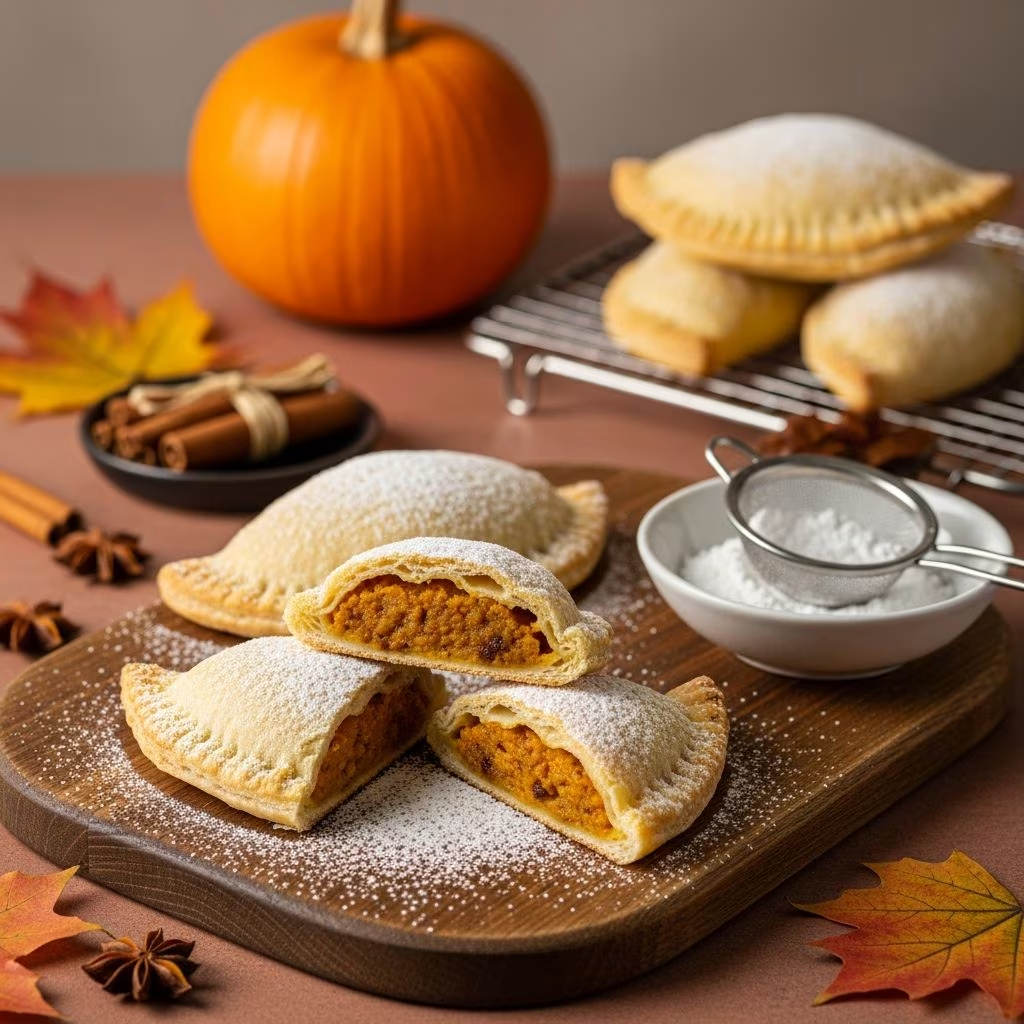
Pumpkin turnovers represent a delightful fusion of seasonal flavor and convenient handheld enjoyment. These triangular pastries capture all the warmth and spice associated with autumn desserts while offering the practical advantage of portability. Whether you’re planning a holiday gathering, seeking an elegant brunch addition, or simply craving a comforting treat, pumpkin turnovers deliver on both taste and presentation.
Understanding Pumpkin Turnovers: More Than Just Pie
The concept of pumpkin turnovers emerged as a modern interpretation of traditional pie-based desserts. Rather than requiring a full pie dish and extensive preparation, turnovers encapsulate the same beloved pumpkin filling within a compact, manageable pastry envelope. This innovation makes pumpkin flavor accessible in formats suitable for various occasions—from casual snacking to formal entertaining.
The beauty of pumpkin turnovers lies in their versatility. They transition seamlessly from breakfast accompaniment to afternoon dessert, from picnic staple to sophisticated appetizer. The flaky exterior contrasts elegantly with the creamy, spiced interior, creating a textural and flavor combination that appeals to both traditionalists and culinary adventurers.
Essential Ingredients for Your Pumpkin Turnover Base
Creating successful pumpkin turnovers requires understanding the role of each component. The foundation typically consists of commercially available puff pastry, which provides the characteristic flaky layers without requiring lamination expertise.
The Pastry Foundation
Puff pastry serves as the structural base for your turnovers. Most recipes utilize frozen puff pastry sheets, typically found in the freezer section of grocery stores. A standard box usually contains two sheets, each yielding four to six turnovers depending on your desired size. The frozen state maintains the pastry’s integrity during the thawing and handling process.
When working with puff pastry, temperature control proves essential. Keeping the dough cold prevents premature activation of the butter layers, which would compromise the flaky texture. Many bakers work with one sheet at a time, leaving the second sheet refrigerated until needed.
Pumpkin and Cream Components
Pumpkin puree forms the flavor backbone of your filling. Pure pumpkin puree—not pumpkin pie filling, which contains added sugars and spices—provides a blank canvas for customization. One cup of pumpkin puree typically yields eight to twelve turnovers, depending on filling quantity preferences.
Cream cheese introduces richness and a subtle tang that complements pumpkin’s earthiness. The cream cheese should be softened to room temperature before mixing, ensuring smooth integration with other filling components. Between one-quarter and one-half cup of softened cream cheese adequately enriches the filling without overwhelming the pumpkin flavor.
Spice Selection and Proportions
The spice profile distinguishes exceptional pumpkin turnovers from ordinary versions. Cinnamon provides the dominant warmth, typically ranging from one-half to one teaspoon per batch. Nutmeg contributes subtle complexity, with one-quarter to one-half teaspoon proving optimal for most palates. Ginger adds a gentle heat and slight peppery undertone—approximately one-quarter teaspoon suffices.
Cloves and allspice represent optional additions for those seeking deeper spice notes. Salt—often overlooked—plays a crucial role in amplifying flavors. One-quarter teaspoon of fine salt balances sweetness and intensifies spice perception.
Sweetening Elements
Brown sugar typically comprises the primary sweetener, contributing moisture and subtle molasses undertones. Quantities range from one-quarter to one-half cup depending on personal preference and pumpkin puree sweetness. Some recipes incorporate white sugar or incorporate egg to create a custard-like consistency within the filling.
Preparing Your Pumpkin Filling: Methods and Variations
Filling preparation ranges from simple mixing to more elaborate techniques. Understanding different approaches allows you to select a method matching your skill level and available equipment.
The Basic Combination Method
The simplest approach involves whisking together pumpkin puree, brown sugar, cream cheese, and spices in a medium bowl. This method requires only a fork or whisk and yields satisfactory results for most applications. The filling should achieve a smooth, spreadable consistency without visible cream cheese lumps.
Allowing the filling to chill for thirty minutes before assembly improves workability. Cold filling maintains definition during folding and sealing, reducing the likelihood of pastry rupture.
The Electric Mixer Approach
For smoother, more refined fillings, electric mixers prove invaluable. Beating softened cream cheese on medium speed for one to two minutes creates a light, airy base. Gradually adding remaining ingredients while mixing ensures even distribution and eliminates potential grittiness from undissolved sugar.
This method typically produces approximately one and one-quarter cups of filling—sufficient for eight to ten turnovers with heaping tablespoon portions.
Custard-Style Filling Variation
Incorporating one egg into the pumpkin mixture creates a denser, custard-like filling with enhanced richness. The egg should be whisked thoroughly and added to the filling mixture before assembly. This variation produces turnovers with a creamier interior and slightly more decadent mouthfeel.
Step-by-Step Assembly Instructions
Successful turnover assembly requires attention to detail and a systematic approach. Each step builds upon the previous one, contributing to the final product’s appearance and integrity.
Preparation and Workspace Setup
Begin by preheating your oven to 400 degrees Fahrenheit. Line baking sheets with parchment paper or silicone mats to prevent sticking and facilitate cleanup. Position racks in the center of your oven to ensure even heat distribution.
Remove puff pastry from the freezer and allow it to thaw according to package directions—typically thirty to forty minutes at room temperature. The pastry should remain cold but become pliable enough for cutting and folding.
Pastry Cutting and Egg Wash Preparation
On a lightly floured surface, gently roll out one sheet of puff pastry to remove creases without creating excessive thickness. Using a sharp knife or pastry wheel, cut the sheet into four equal squares, each approximately four to five inches on each side. Transfer these squares to your prepared baking sheet.
While working with the first sheet, store the second sheet in the refrigerator. In a small bowl, whisk together one egg and one tablespoon of water to create egg wash. This mixture provides both binding properties for sealing edges and a glossy finish when brushed onto the pastry surface.
Filling Application and Folding Technique
Place a heaping tablespoon of pumpkin filling slightly off-center in each pastry square. The off-center placement facilitates folding and prevents filling from escaping during the sealing process.
Working with one turnover at a time, fold the pastry diagonally to create a triangle, bringing the opposite corners together. Press the edges firmly using your fingers, then crimp with a fork to create both a decorative pattern and a secure seal. This dual-purpose technique prevents filling leakage while adding visual appeal.
Repeat this process with the remaining squares, then prepare the second puff pastry sheet using identical techniques.
Final Preparation Before Baking
Using a pastry brush, apply egg wash to the entire surface of each turnover. This step creates an attractive golden-brown finish and contributes to the pastry’s flaky texture development. Apply the egg wash evenly but not excessively—a thin, uniform layer suffices.
For optional decorative texture, sprinkle turbinado sugar or coarse sea salt across the egg-washed surface before baking. This addition provides subtle visual interest and textural contrast.
Baking Guidelines and Oven Management
Baking represents the critical final stage where all components transform into the finished product. Proper oven management ensures even cooking and prevents burning.
Initial Baking Phase
Place the baking sheet in the preheated 400-degree oven and bake for fifteen to twenty minutes. The turnovers should puff noticeably during the first ten minutes as moisture from the filling creates steam and the pastry layers separate. During the final five minutes, monitor closely to prevent over-browning, as the color intensifies quickly as the pastry approaches doneness.
The finished turnovers should display a deep golden-brown color with puffed layers that have separated visibly. The filling may ooze slightly from the corners—this indicates adequate filling quantity and proper moisture development.
Post-Baking Cooling
Remove turnovers from the oven and transfer them to a cooling rack. Allow them to rest for five to ten minutes before handling. This cooling period permits the pastry layers to firm up slightly, reducing the likelihood of damage when applying glazes or serving.
Glazing Options and Flavor Enhancement
Glazes provide both visual appeal and additional flavor complexity. Multiple options accommodate different taste preferences and skill levels.
Classic Powdered Sugar Glaze
Combine one cup of powdered sugar with two to three tablespoons of milk, whisking until a pourable consistency develops. The glaze should flow from a spoon but not run excessively. Drizzle this mixture over warm turnovers using a spoon or squeeze bottle. This simple glaze provides subtle sweetness without competing with the pumpkin spice filling.
Cinnamon-Enhanced Glaze
For intensified spice notes, add one-half to one teaspoon of cinnamon to the powdered sugar before incorporating milk. This variation creates visual depth and extends the spice profile throughout the entire dessert. The cinnamon particles create a sophisticated appearance and reinforce the autumn flavor theme.
Brown Butter Glaze
For more advanced bakers, brown butter introduces rich, nutty complexity. Melt one-half cup of butter in a small saucepan over medium heat, swirling occasionally as the milk solids brown. Once the butter achieves a light amber color and releases a nutty aroma, remove it from heat and allow it to cool completely. Whisk the cooled brown butter with one cup of powdered sugar and two to four tablespoons of water until the desired consistency develops. This luxurious glaze elevates turnovers to sophisticated entertaining fare.
Caramel and Salt Finishing
After initial glaze sets, drizzle warm caramel sauce across each turnover and finish with a sprinkle of coarse sea salt. The combination of sweet caramel, spiced filling, and savory salt creates a complex flavor profile that appeals to contemporary culinary sensibilities.
Ingredient Quantity Comparison Table
| Component | Basic Recipe | Cream Cheese Variation | Custard-Style Variation |
|---|---|---|---|
| Pumpkin Puree | 1 cup | 1/4 cup | 1/2 cup |
| Brown Sugar | 1/4 cup | 1/4 cup | 1/4 cup |
| Cream Cheese | None | 8 oz (softened) | None |
| Eggs | None | 1 (for brush only) | 1 (incorporated) |
| Cinnamon | 1 tsp | 1 tsp | 1/2 tsp |
| Yield | 8 turnovers | 8 turnovers | 9 turnovers |
Storage and Make-Ahead Strategies
Understanding proper storage extends the enjoyment of your turnovers beyond the day of preparation.
Room Temperature Storage
Freshly baked turnovers remain optimal for several hours at room temperature. Store them in an airtight container to prevent moisture loss and maintain pastry crispness. Unfrosted turnovers maintain quality for up to six hours before the pastry begins to soften noticeably.
Refrigeration Methods
Covered storage in the refrigerator extends shelf life to three to four days. Reheat gently in a 300-degree oven for five to ten minutes before serving to restore pastry crispness. This method proves ideal for advance preparation when planning entertaining.
Freezing and Advance Preparation
Unfilled pumpkin turnovers freeze successfully for up to two months. Allow baked, cooled turnovers to freeze on a baking sheet for two hours before transferring to freezer-safe containers. Reheat from frozen at 350 degrees for twelve to fifteen minutes.
Alternatively, freeze filled but unbaked turnovers for up to one month. Bake directly from frozen, adding five to seven minutes to the standard baking time.
Customization and Creative Variations
While the classic pumpkin filling appeals to traditional palates, numerous variations accommodate diverse preferences.
Spice Intensity Adjustments
Those preferring subtle spicing can reduce cinnamon to one-quarter teaspoon and eliminate ginger entirely. Conversely, adventurous bakers can increase cinnamon to two teaspoons and add one-quarter teaspoon of cloves for deeper complexity.
Texture and Richness Modifications
Adding one tablespoon of heavy cream or Greek yogurt to the filling creates a creamier consistency. Toasted pecans or walnuts—finely chopped—add crunch and nutty undertones. White chocolate chips provide sweet contrast to the spiced filling.
Alternative Pastry Bases
Pie crust, phyllo dough, or even puff pastry cut into different shapes offer alternatives to traditional square turnovers. Circular turnovers prepared with biscuit cutters create charming presentation options, while rectangular strips provide an elegant appearance for upscale entertaining.
Troubleshooting Common Issues
Pastry Shrinkage During Baking
Excessive shrinkage typically results from overworking the dough or allowing it to become too warm. Ensure puff pastry remains cold throughout handling. If shrinkage occurs, the filling proportion may have been too generous, creating internal pressure that pulls the pastry inward.
Filling Leakage
Inadequate edge sealing permits filling escape during baking. Press edges firmly with both fingers and fork, ensuring complete perimeter coverage. Reduce filling quantity if leakage persists despite proper sealing technique.
Pastry Browning Too Quickly
If turnovers brown excessively before interior cooking completes, reduce oven temperature to 375 degrees and extend baking time by three to five minutes. Alternatively, tent turnovers loosely with aluminum foil during final minutes of baking.
Frequently Asked Questions
Can I prepare turnovers the day before baking?
Yes, refrigerate assembled, unbaked turnovers for up to twelve hours. This advance preparation makes them ideal for holiday entertaining. Increase baking time by two to three minutes since they start from refrigeration temperature.
What puff pastry brand works best?
Any commercially available frozen puff pastry produces satisfactory results. Pepperidge Farm represents a widely available option, though regional and specialty brands often deliver comparable quality. Check ingredient lists for butter content, as butter-based pastries generally produce superior flakiness compared to shortening alternatives.
Are there dairy-free alternatives for cream cheese?
Dairy-free cream cheese substitutes produce acceptable results, though texture differs slightly from traditional versions. Alternatively, omit cream cheese entirely and increase pumpkin puree to one and one-quarter cups for a lighter filling.
How can I prevent egg wash from making the pastry soggy?
Apply egg wash thinly and immediately prior to baking. Excessive egg wash or application too far in advance permits liquid absorption into the pastry. A light brush stroke suffices—you’re not painting the surface.
Can turnovers be made without puff pastry?
Pie crust, biscuit dough, or homemade pastry dough substitute for puff pastry, though results differ textually. Puff pastry remains the superior choice for achieving the characteristic flaky layers that distinguish quality turnovers.
References
- Puff Pastry Production and Culinary Applications — Culinary Institute of America. 2023. https://www.ciachef.edu
- Pumpkin: Nutritional Value and Culinary Uses — United States Department of Agriculture. 2024. https://www.usda.gov
- Pastry Baking Science and Technique — King Arthur Baking Company Educational Resources. 2023. https://www.kingarthurbaking.com
- Food Safety Guidelines for Home Baking — FDA Food Safety Modernization Act. 2024. https://www.fda.gov
- Seasonal Produce Guide: Pumpkin Varieties and Selection — University of California Agriculture and Natural Resources. 2023. https://ucanr.edu