Tilapia stands out as one of the most versatile and accessible white fish options for home cooks. Its mild flavor profile and delicate texture make it an ideal canvas for various cooking techniques and flavor combinations. When prepared with a crispy breading coating, tilapia transforms into a restaurant-quality dish that’s surprisingly simple to execute in your own kitchen. This comprehensive guide walks you through everything you need to know about creating perfectly breaded and cooked tilapia fillets.
Understanding Tilapia as Your Protein Base
Tilapia offers numerous advantages for both novice and experienced home cooks. The fish contains minimal fishiness that can sometimes deter people from eating seafood, making it an excellent introduction to fish-based meals. Its naturally flaky texture becomes even more appealing when properly cooked, as the flesh separates easily and maintains a tender interior beneath a golden exterior.
When selecting tilapia for your breaded preparation, look for fillets that appear moist and firm to the touch. Fresh tilapia should have a clean ocean smell rather than any strong or unpleasant odor. Most grocery stores carry both fresh and frozen options; frozen tilapia works exceptionally well for breaded recipes and requires only proper thawing before preparation.
Essential Ingredients for Breaded Tilapia Preparation
Creating the perfect breaded tilapia dish begins with understanding your ingredient options. While the basic concept remains straightforward, subtle variations in ingredients dramatically influence the final result.
Breadcrumb Varieties
Your choice of breadcrumbs significantly impacts texture and crispness. Panko breadcrumbs create an exceptionally crunchy, airy coating that maintains its texture even after cooking. Traditional fine breadcrumbs produce a more delicate, uniform crust. Fresh breadcrumbs, made from day-old bread processed in a food processor, offer superior flavor compared to store-bought alternatives. For maximum crispness, panko remains the preferred choice among cooking professionals.
Binding and Coating Components
Beyond breadcrumbs, several ingredients work together to create an effective binding system. Olive oil serves as the primary adherent, helping breadcrumbs stick to the fish while promoting even browning. Melted butter adds richness and encourages golden coloration. Eggs, whisked with a splash of water, create a protein-rich adhesive layer that ensures breadcrumbs bond securely to the fish surface. All-purpose flour, applied before the egg wash, provides additional grip for the breading mixture.
Seasoning and Flavor Enhancement
The breading coating offers your primary opportunity to infuse flavor throughout the dish. Common seasoning additions include garlic powder, paprika, Italian seasoning, oregano, salt, and black pepper. More adventurous preparations incorporate smoked paprika for depth, dried mustard for subtle heat, crushed red pepper flakes for spice, ginger for complexity, and nutmeg for warmth. Parmesan cheese, when added to the breadcrumb mixture, contributes umami depth and encourages additional browning through the Maillard reaction.
Cooking Methods for Breaded Tilapia
While breaded tilapia can be prepared using various cooking techniques, three methods dominate home cooking: pan-frying, baking, and broiling. Each method produces distinct results suited to different preferences and kitchen circumstances.
Pan-Frying for Maximum Crispness
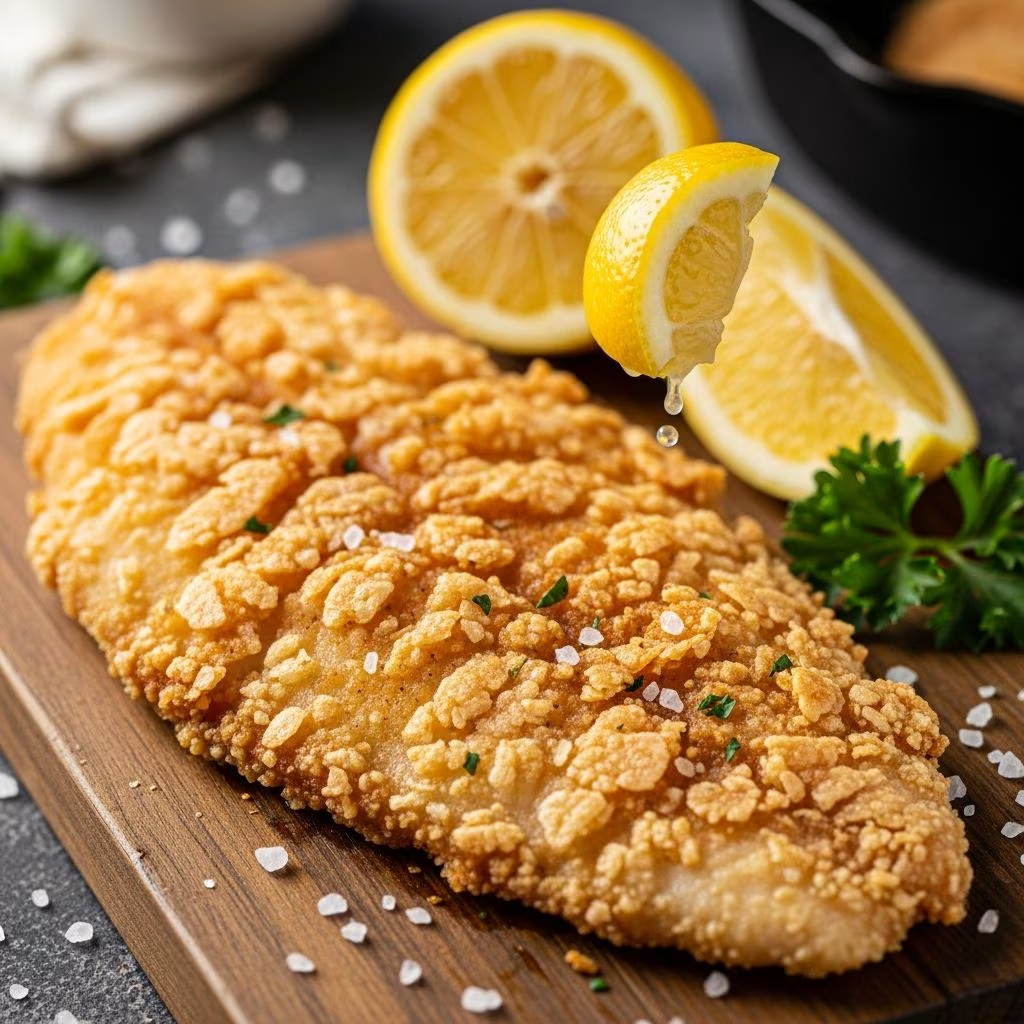
Pan-frying delivers the crispiest exterior and most restaurant-like results. This technique requires heating olive oil in a skillet over medium-high heat until it shimmers. The coated tilapia fillets are carefully placed in the hot oil and cooked for approximately three minutes per side until the breading turns golden brown and the fish flakes easily with a fork. This method demands attention during cooking but rewards vigilance with exceptional textural contrast between the crispy exterior and tender interior.
Oven Baking for Convenience
Baking represents the most hands-off approach, ideal when preparing multiple portions or coordinating multiple dishes. Preheat your oven to between 375°F and 425°F, depending on your recipe specifications. Place breaded tilapia on a lightly oiled or cooking spray-coated baking sheet. Bake for 10 to 20 minutes, checking for doneness around the midpoint. The exact timing depends on fillet thickness and your oven’s individual temperature characteristics. While baking produces less crispy results compared to pan-frying, the convenience factor appeals to busy cooks.
Broiling for Quick Preparation
Broiling offers a middle ground between pan-frying and baking, providing relatively quick cooking times while producing a crispier exterior than standard baking. Position the oven rack approximately four to six inches from the broiler element. Place tilapia on a broiler-safe pan and monitor closely, as broiling can rapidly transition from perfectly cooked to overdone.
Step-by-Step Preparation Technique
Successful breaded tilapia begins long before the fish enters the heat source. Proper preparation ensures even coating, consistent browning, and optimal texture development throughout the cooking process.
Preparing Your Fish
Begin by patting tilapia fillets completely dry using paper towels. Excess moisture prevents the coating from adhering properly and creates steam that interferes with browning. If using frozen tilapia, ensure complete thawing and thorough drying. Arrange prepared fillets on a clean work surface and sprinkle lightly with salt and pepper, allowing seasonings to begin permeating the fish.
Creating Your Coating Station
For the most efficient breading process, arrange three shallow dishes in a line on your work surface. Fill the first with all-purpose flour, mixed with a pinch of salt and pepper. In the second dish, combine one whisked egg with a splash of water, creating a cohesive binding agent. The third dish should contain your seasoned breadcrumb mixture. This assembly-line setup streamlines the coating process and minimizes mess.
Applying the Breading Coating
Take one tilapia fillet and coat it completely in flour, shaking off excess. Next, dip the flour-coated fillet into the egg mixture, ensuring both sides receive adequate coverage. Finally, press the fillet into the seasoned breadcrumb mixture, turning to coat evenly and pressing gently to encourage adhesion. For extra crispness, some cooks double-coat by repeating the egg and breadcrumb steps a second time. Place completed fillets on a clean plate or parchment paper until all fillets are breaded.
Cooking Tilapia to Perfection
Understanding doneness indicators ensures your tilapia reaches optimal texture without overcooking, which results in dry, unpleasant flesh.
Visual and Tactile Doneness Cues
Properly cooked tilapia exhibits several recognizable characteristics. The flesh becomes opaque rather than translucent, indicating that proteins have denatured through heat exposure. When tested with a fork, the fish flakes easily into natural sections rather than maintaining a solid structure. The breading coating should appear golden brown or mahogany-colored, depending on your preferred level of browning.
Temperature Guidelines
While visual assessment provides reliable doneness indicators, using an instant-read thermometer removes guesswork. Tilapia reaches safe consumption at 145°F (63°C) internal temperature, measured at the thickest portion of the fillet. Most properly breaded tilapia fillets between one-half and three-quarter inches thick reach this temperature within 8 to 15 minutes, depending on cooking method and heat intensity.
Ingredient Variations and Flavor Profiles
While basic breaded tilapia satisfies most palates, numerous ingredient variations accommodate different taste preferences and dietary considerations.
Mediterranean-Inspired Preparations
Combining panko breadcrumbs with dried oregano, Italian seasoning, minced garlic, fresh parsley, and grated Parmesan cheese creates a Mediterranean flavor profile that complements tilapia’s mild taste. Incorporating fresh lemon juice into the egg wash adds brightness and complexity.
Spiced and Heat-Forward Options
For those preferring bolder flavors, adding crushed red pepper flakes, smoked paprika, cayenne pepper, and garlic powder to the breading mixture creates a more assertive dish. Combining these spices with ginger and dry mustard produces sophisticated depth that appeals to adventurous eaters.
Simple and Classic Approach
Sometimes straightforward preparations prove most satisfying. Panko breadcrumbs combined with salt, black pepper, and a modest amount of garlic powder creates a timeless preparation that allows the fish’s natural flavor to shine while providing textural contrast.
Serving Suggestions and Complementary Dishes
Breaded tilapia pairs beautifully with numerous side dishes and accompaniments that enhance the overall dining experience.
Vegetable Pairings
Steamed broccoli, roasted asparagus, sautéed zucchini, and grilled bell peppers provide nutritional balance while offering textural variety. Lighter vegetable options complement the richness of the breaded coating without overwhelming the palate.
Grain and Starch Accompaniments
Steamed rice, couscous, quinoa, roasted potatoes, and polenta serve as satisfying foundations for breaded tilapia meals. These options absorb pan drippings and sauces while providing sustained energy through complex carbohydrates.
Sauce and Condiment Options
A simple squeeze of fresh lemon juice brightens the dish and cuts through richness. Tartar sauce provides classic complement to fried fish preparations. Fresh pico de gallo or avocado salsa adds freshness and textural variety. Simple remoulade or aioli-based sauces elevate the presentation while maintaining focus on the fish itself.
Practical Kitchen Tips for Success
Several practical considerations significantly impact your final results when preparing breaded tilapia at home.
Oil Temperature Management
For pan-frying, maintaining adequate oil temperature proves essential. Oil should shimmer and move easily around the pan but not smoke excessively, indicating temperatures between 350°F and 375°F. Using a kitchen thermometer removes uncertainty and ensures consistent results across multiple cooking sessions.
Batch Cooking Strategies
When preparing tilapia for multiple people, avoid overcrowding the pan, which reduces oil temperature and prevents proper browning. Cook in batches if necessary, allowing the oil to return to proper temperature between additions. Completed fillets can be kept warm in a 200°F oven while subsequent batches finish cooking.
Storage and Make-Ahead Preparation
Breaded tilapia can be prepared through the coating stage several hours in advance. Cover breaded fillets with plastic wrap and refrigerate until ready to cook. This advance preparation streamlines weeknight dinner preparation. Cooked tilapia keeps refrigerated for up to three days and can be gently reheated in a low oven to restore crispness.
Nutritional Considerations
Tilapia provides excellent nutritional benefits, offering lean protein, essential omega-3 fatty acids, and various vitamins and minerals. A typical tilapia fillet contains approximately 26 grams of protein with minimal fat content. The breading and cooking oil add calories and fat, but portion control and cooking method selection allow for relatively healthy meal preparation.
Common Challenges and Solutions
Even experienced cooks encounter occasional issues when preparing breaded tilapia. Understanding common problems and their solutions facilitates consistent success.
| Challenge | Likely Cause | Solution |
|---|---|---|
| Breading falls off during cooking | Insufficient egg wash or dry fish surface | Pat fish completely dry and ensure thorough egg wash coverage before applying breadcrumbs |
| Pale, unappealing exterior | Oil temperature too low | Increase heat slightly and verify oil shimmers before adding fish |
| Dry, overcooked interior | Excessive cooking time | Use thermometer to verify 145°F internal temperature; remove immediately upon reaching target |
| Uneven browning | Inconsistent thickness or uneven heat distribution | Select fillets of similar thickness; rotate pan during cooking if using oven method |
Frequently Asked Questions
Can I prepare breaded tilapia in an air fryer?
Yes, air fryers work excellently for breaded tilapia preparation. Preheat the air fryer to 380°F, lightly spray breaded fillets with cooking oil, and cook for 8 to 10 minutes until golden and cooked through. Air frying produces crispy results comparable to pan-frying with significantly less oil.
What’s the difference between tilapia and other white fish for breading?
Tilapia’s mild flavor and delicate texture make it ideal for breading. Other white fish options like cod, haddock, and sole work similarly but may require adjusted cooking times based on thickness. Tilapia’s thin fillets cook quickly and evenly.
How should I store leftover breaded tilapia?
Store cooked tilapia in an airtight container in the refrigerator for up to three days. Reheat gently in a 350°F oven for 8 to 10 minutes to restore crispness, avoiding microwaving which produces soggy results.
Can I freeze breaded tilapia before cooking?
Yes, freeze breaded but uncooked tilapia for up to three months. Cook directly from frozen, adding 3 to 5 minutes to your typical cooking time and monitoring carefully for doneness.
What’s the best oil for pan-frying tilapia?
Olive oil with a high smoke point works well, as do vegetable oil and canola oil. Avoid butter for initial pan-frying due to its lower smoke point, though it can enhance browning when combined with oil.
References
- Panko Crusted Tilapia — Zen & Spice. Accessed April 2026. https://zenandspice.com/simple-panko-crusted-tilapia/
- Baked Breaded Tilapia Recipe — COOKTORIA. Accessed April 2026. https://cooktoria.com/baked-tilapia/
- Oven Baked Crispy Tilapia — Connecticut Fish Company. Accessed April 2026. https://cfishct.com/recipes/baked-breaded-tilapia/
- Crunchy Breaded Pan Seared Tilapia — Kevin Is Cooking. Accessed April 2026. https://keviniscooking.com/panko-crusted-tilapia-avocado-salsa/
- Panko-Crusted Tilapia — A Sweet Pea Chef. Accessed April 2026. https://www.asweetpeachef.com/panko-crusted-tilapia/
- Parmesan Crusted Tilapia — Julie’s Eats & Treats. Accessed April 2026. https://www.julieseatsandtreats.com/parmesan-crusted-tilapia/