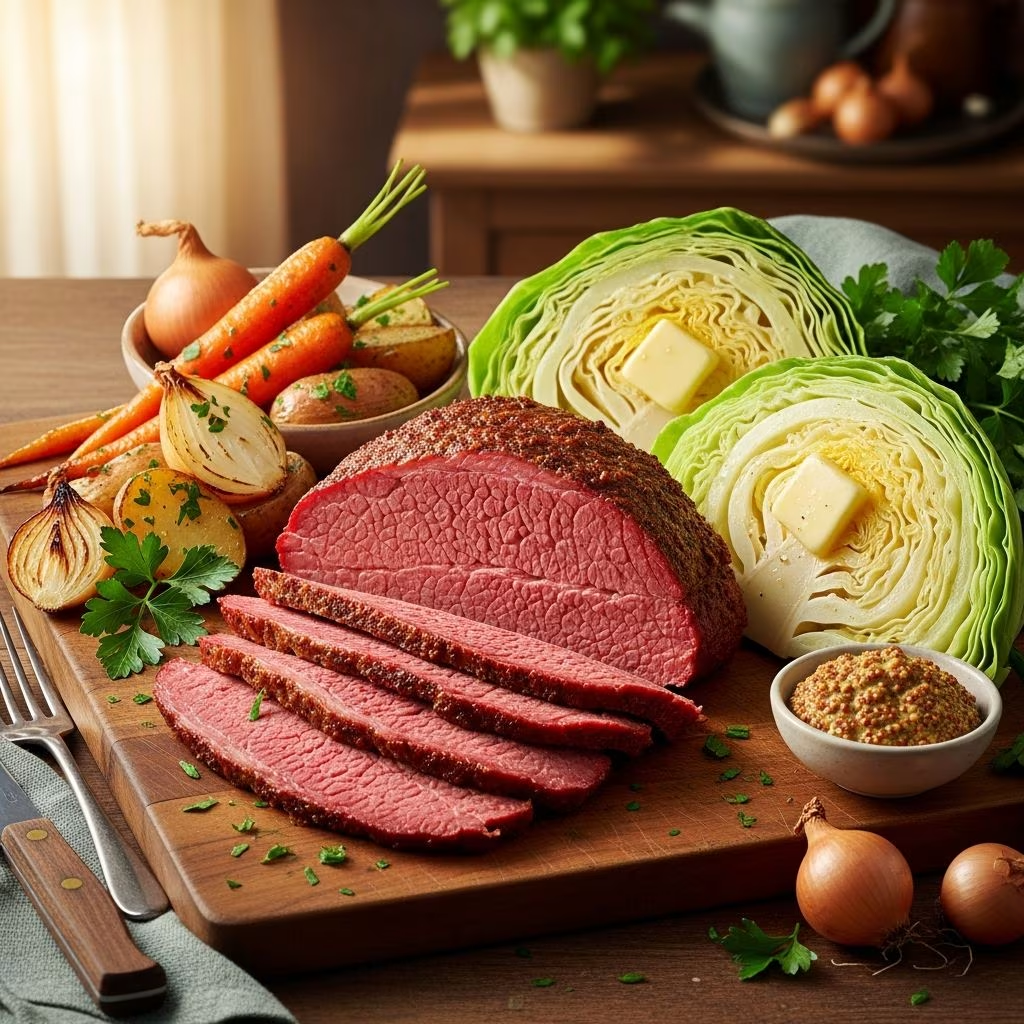
Corned beef and cabbage represents one of the most recognizable comfort dishes in contemporary American cuisine, though its origins trace back to Irish and Jewish culinary traditions. This hearty meal combines tender, well-seasoned beef brisket with crisp-tender cabbage and supporting vegetables, creating a complete and satisfying dinner that appeals to both traditional cooks and modern home chefs seeking reliable, unfussy recipes. Understanding the proper techniques for preparing this dish ensures consistently excellent results every time you serve it.
Understanding Your Core Ingredients
The foundation of exceptional corned beef and cabbage begins with selecting quality ingredients. Corned beef typically refers to beef brisket that has been cured with salt and spices, creating the distinctive flavor profile that distinguishes this preparation from ordinary braised beef. When shopping, look for corned beef that comes vacuum-sealed with its brining liquid, as this indicates proper curing and storage.
The cabbage selection matters considerably for the final texture and flavor balance. Green cabbage provides a sturdy structure that holds up well during extended cooking, while Savoy cabbage offers a slightly more delicate texture and subtle sweetness. Choose heads that feel firm and heavy for their size, avoiding any with visible blemishes or soft spots.
Root Vegetables and Supporting Players
- Carrots: Select medium-sized carrots and cut them into uniform pieces for even cooking
- Potatoes: Red potatoes or Yukon Gold varieties hold their shape better than russets
- Onions: Yellow onions provide savory depth without overpowering sweetness
- Celery: Contributes subtle aromatic qualities to the cooking liquid
- Bay leaves and peppercorns: Essential for building foundational flavor in the broth
Preparation Techniques for Superior Results
Before cooking begins, rinsing the corned beef under cold running water removes excess surface salt and brine, preventing the finished dish from becoming oversalted. Pat the meat dry with paper towels after rinsing, as this promotes better browning if you choose to sear it first.
For maximum flavor development, consider a quick sear in a hot Dutch oven or heavy pot using minimal oil. This browning step, called the Maillard reaction, creates deeper, more complex flavors through the interaction of proteins and heat. However, this step remains optional if you prefer a more straightforward preparation method.
Building Your Cooking Liquid
The braising liquid serves multiple purposes: it tenderizes the beef through moist heat, infuses vegetables with rich flavor, and creates a savory broth for serving. Water forms the base, but supplementing with beef broth enhances the overall depth. Add the reserved spices from the corned beef package, along with additional fresh bay leaves, peppercorns, and crushed garlic cloves.
| Component | Amount | Purpose |
|---|---|---|
| Water | 2-3 quarts | Base liquid for steaming and braising |
| Beef Broth | Optional, 1 cup | Enhanced savory depth |
| Bay Leaves | 2-3 leaves | Aromatic flavor foundation |
| Peppercorns | 1 teaspoon | Subtle heat and spice notes |
| Mustard Seeds | 1/2 teaspoon | Complexity and slight tang |
Cooking Methods and Timing Considerations
The stovetop method offers direct control and visual monitoring of the cooking process. Submerge the corned beef completely in the prepared liquid, bring to a gentle boil, then reduce to a low simmer. Maintaining a gentle simmer rather than a rolling boil keeps the meat tender and prevents toughness that results from aggressive heat.
Calculate cooking time at approximately 45 minutes to one hour per pound of corned beef. A three-pound brisket typically requires 2.5 to 3.5 hours of simmering. The meat reaches proper tenderness when a fork easily pierces the thickest part with minimal resistance.
Vegetable Addition Timeline
Strategic timing for vegetable addition ensures each component achieves optimal texture without becoming mushy. Add carrots and potatoes approximately 30 to 40 minutes before the corned beef reaches full tenderness. This timing allows sufficient cooking for these denser vegetables while preventing them from disintegrating.
Introduce cabbage pieces only in the final 15 to 20 minutes of cooking. This shorter cooking window preserves the cabbage’s pleasant texture, preventing the sulfurous flavors that develop when cabbage cooks too long. Cut cabbage into wedges or chunks roughly 3 to 4 inches in size for the most appealing presentation.
Alternative Cooking Approaches
Slow cooker preparation provides convenience for busy schedules, though the results differ slightly from stovetop cooking. Place the corned beef and all vegetables with liquid in a slow cooker set to low, cooking for approximately 8 to 10 hours. Add the cabbage during the final hour of cooking to prevent excessive softening.
Pressure cooker or instant pot methods dramatically reduce cooking time to approximately 60 to 90 minutes total, making this preparation feasible for weeknight dinners. Follow your pressure cooker manufacturer’s instructions for liquid ratios and vent settings, as these vary by equipment.
Assessing Doneness and Quality
Properly cooked corned beef exhibits a tender texture that separates easily when sliced against the grain. The meat should not appear dry or stringy, but rather maintain a slight moistness from the broth. A temperature reading with a meat thermometer should reach 190 to 210 degrees Fahrenheit for optimal tenderness.
Vegetables should be fork-tender without becoming mushy or losing their individual character. Potatoes maintain a creamy interior with intact skin, carrots slice easily, and cabbage pieces remain structurally sound while no longer offering resistance to cutting.
Serving and Presentation Ideas
Transfer the corned beef to a cutting board and allow it to rest for 5 to 10 minutes before slicing. This resting period redistributes juices throughout the meat, promoting moistness in each serving. Slice against the grain using a sharp knife, creating pieces about 1/4 inch thick for the most attractive presentation.
Arrange sliced corned beef on a platter surrounded by vegetables and drizzle generously with the cooking liquid. Some cooks prefer serving the broth separately in a gravy boat, allowing diners to add moisture according to preference. This approach also facilitates easier eating for those preferring drier meat.
Traditional Accompaniments
- Whole grain or spicy brown mustard for individual dipping
- Horseradish cream for sharp, peppery heat
- Dark rye bread or soda bread for soaking up broth
- Boiled or steamed potatoes with butter and fresh dill
- Pickled vegetables for acidity and textural contrast
- Sour cream mixed with fresh herbs for a cooling element
Storage and Leftover Management
Corned beef and cabbage stores exceptionally well when properly refrigerated. Allow the dish to cool to room temperature, then transfer meat, vegetables, and broth to airtight containers. Properly stored, this dish remains safe for consumption for three to four days in the refrigerator.
The broth congeals slightly when refrigerated due to gelatin released from the beef during cooking. This is a desirable quality indicating proper cooking technique. Reheat gently over medium heat or in the microwave, adding additional broth or water if the mixture appears too concentrated.
Creative Leftover Applications
Transform leftovers into entirely new dishes using the components from your original meal. Corned beef hash combines chopped corned beef and potatoes, browned in a skillet until crispy, topped with a fried egg for breakfast or brunch. Shredded corned beef works beautifully in sandwiches with horseradish cream and Swiss cheese on toasted rye.
The remaining broth serves as an exceptional base for soups, particularly when combined with additional vegetables and barley or noodles. Some cooks cube leftover cabbage and corned beef, then incorporate both into vegetable stews for quick, satisfying meals.
Flavor Enhancement Strategies
While traditional recipes require minimal seasoning adjustment, subtle enhancements can elevate the dish. Deglaze the pot with a small amount of stout beer or red wine before serving if you desire additional depth and complexity. A spoonful of grainy mustard or a dash of hot sauce stirred into individual portions provides customizable intensity.
Fresh herbs added immediately before serving—such as chopped parsley, dill, or chives—contribute brightness and visual appeal without requiring additional cooking. These garnishes acknowledge the finished dish deserves a final moment of consideration before presentation.
Frequently Asked Questions
How can I reduce the saltiness if my corned beef tastes oversalted?
Thoroughly rinse the corned beef before cooking, changing the water several times if necessary. During cooking, if the broth becomes too salty, replace some of the liquid with unsalted water or broth. Additionally, serve with non-salted bread or neutral foods to balance the overall meal’s salt content.
What should I do if my corned beef remains tough after cooking?
Corned beef requires extended, gentle cooking to break down connective tissue. If the meat is still tough after the recommended cooking time, continue simmering for additional hours, checking texture periodically. Tough meat often indicates insufficient cooking time rather than ingredient quality.
Can I prepare corned beef and cabbage in advance?
Yes, this dish actually improves when prepared a day ahead, as flavors meld together during refrigeration. Cool completely before storing, then reheat gently before serving. The dish maintains quality for three to four days when properly refrigerated.
Are there vegetarian alternatives to traditional corned beef?
While vegetarian substitutes for corned beef exist in some markets, the authentic experience relies on beef brisket. However, vegetarian diners can enjoy the cabbage and root vegetables with a substitute protein like hearty mushrooms or legume-based products, though these create distinctly different dishes.
What wine or beverage pairs well with this meal?
Irish stouts, brown ales, or full-bodied reds complement the rich, savory flavors. Non-alcoholic options include dark ciders or root beer. These beverages cut through the richness and refresh the palate between bites.
Troubleshooting Common Issues
Vegetables becoming mushy indicate prolonged cooking times or excessively high heat. Next time, monitor more carefully, particularly for cabbage and potatoes. If you encounter this issue, adjust your timing or use a lower temperature setting.
Insufficient tenderness in the corned beef suggests inadequate cooking time or heat that was too high. Ensure you maintain a gentle simmer and calculate timing generously, as undercooked beef proves far more problematic than slightly overcooked versions.
Lack of flavor often traces to insufficient broth or brining liquid. Always ensure the corned beef remains fully submerged throughout cooking, as exposed meat cannot absorb flavor from the liquid. Additionally, verify you’re using the spice packet included with the corned beef.
Conclusion
Mastering corned beef and cabbage requires understanding ingredient selection, timing, and technique rather than complex cooking skills. This forgiving dish rewards careful attention to fundamentals while providing exceptional comfort food that satisfies both family dinners and festive occasions. By following these guidelines and adapting them to your preferences, you’ll develop confidence in preparing this classic meal consistently well.
References
- Food Safety and Inspection Service (FSIS) Guidelines for Storing Meat Products — United States Department of Agriculture. https://www.fsis.usda.gov/food-safety/safe-food-handling-and-preparation/meat-poultry-fish-and-shellfish-safety
- The Maillard Reaction in Food Chemistry — McGee, Harold. On Food and Cooking: The Science and Lore of the Kitchen (Revised Edition). Scribner. 2004. https://www.penguinrandomhouse.com/books/201137/on-food-and-cooking-by-harold-mcgee/
- Meat Temperature Guidelines for Proper Cooking — USDA Food Safety and Inspection Service. https://www.fsis.usda.gov/food-safety/safe-food-handling-and-preparation/cook-and-safely-store-beef-products
- Irish Culinary Traditions and Contemporary Home Cooking — Ryan, Jane. Irish Food: A History. Thames and Hudson. 2019. [Provides historical context on traditional Irish preparation methods.]