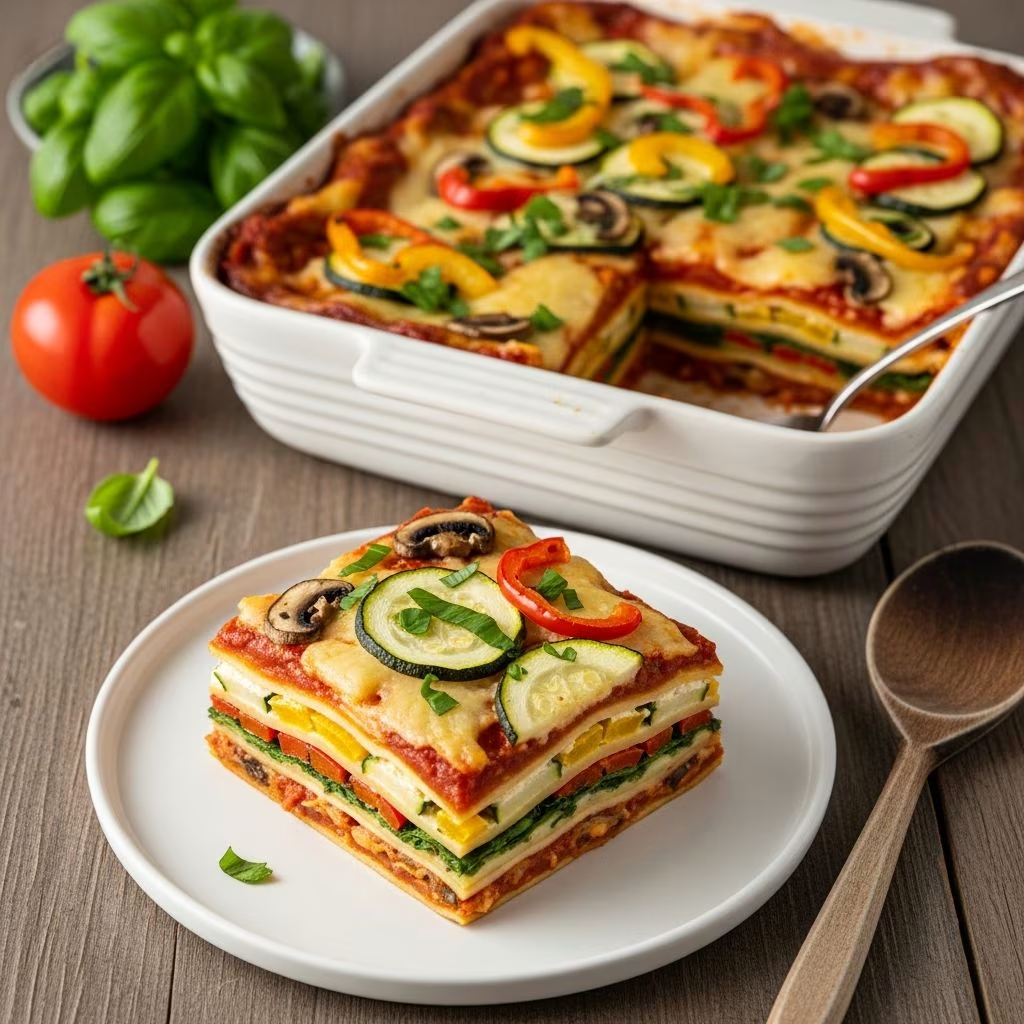
Vegetable lasagna stands as one of the most satisfying vegetarian dishes that can grace any dinner table. Unlike its meat-based counterpart, this meatless version relies on the natural flavors and textures of fresh produce combined with creamy cheese layers and tangy tomato sauce to create a deeply satisfying meal. Whether you’re cooking for vegetarians or simply seeking a lighter alternative to traditional lasagna, this dish delivers the comfort and richness that makes lasagna a beloved classic.
Understanding the Foundation of Vegetable Lasagna
The appeal of vegetable lasagna lies in its perfect balance of textures and flavors. Rather than relying on ground meat for substance, this dish builds its heartiness through carefully selected vegetables that are prepared to bring out their best qualities. The combination of tender pasta sheets, robust tomato sauce, creamy cheese mixtures, and roasted or sautéed vegetables creates a multi-layered experience that satisfies both vegetarians and omnivores alike.
The beauty of this dish extends beyond its taste. Vegetable lasagna offers nutritional benefits that come from the abundant produce, while still maintaining the indulgent feel of a classic comfort food. The vegetables provide fiber, vitamins, and minerals, while the cheese delivers protein and calcium, making this a more balanced meal than many traditional preparations.
Essential Ingredients for Success
The Vegetable Selection
The vegetables you choose form the backbone of your lasagna’s flavor profile. Different vegetables contribute unique characteristics to the final dish:
- Zucchini – Provides a mild, neutral flavor and tender texture. When properly prepared, zucchini adds volume without overwhelming the palate. Slice it into quarter-inch pieces for even cooking.
- Bell peppers – Offer natural sweetness and vibrant color. Both red and yellow varieties work well, though red peppers provide a slightly sweeter note. Cut them into manageable pieces for roasting.
- Mushrooms – Deliver an earthy, umami-rich quality that mimics the heartiness often associated with meat-based dishes. Cremini mushrooms are ideal as they hold their texture during cooking.
- Carrots – Contribute subtle sweetness and bright color. They require slightly longer cooking than other vegetables to achieve proper tenderness.
- Spinach – Adds nutritional density and a pleasant earthiness. Fresh spinach wilts down significantly during cooking, so don’t hesitate to use generous amounts.
- Onions – Build a flavorful base when sautéed, creating depth in the overall sauce.
Cheese Components
The cheese layers create the creamy, luxurious texture that makes lasagna memorable. A traditional approach uses multiple cheese types, each serving a specific purpose:
- Ricotta cheese – Forms the primary creamy layer. Use part-skim varieties to keep the dish from becoming overly heavy while maintaining richness.
- Mozzarella cheese – Provides the classic stretchy quality and melts smoothly. Use low-moisture mozzarella to prevent excess moisture in the final dish.
- Parmesan cheese – Offers sharp, salty notes that brighten the overall flavor profile and prevent the dish from tasting one-dimensional.
- Fresh mozzarella – Some recipes incorporate fresh mozzarella for additional creaminess and subtle flavor complexity.
Sauce and Pasta
Quality marinara sauce forms the backbone of your lasagna. Whether homemade or store-bought, the sauce should be flavorful enough to stand out against the cheese and vegetables. For pasta, traditional boiled noodles offer superior texture compared to no-boil alternatives, though no-boil noodles provide convenience. If using standard noodles, cook them to al dente to prevent mushiness during baking.
Preparation Techniques That Transform Your Dish
The Vegetable Preparation Method
How you prepare your vegetables significantly impacts the final result. Two primary methods exist, each with distinct advantages:
Roasting Method: Toss vegetables with olive oil, salt, and pepper, then spread them on a baking sheet. Roast at 425 degrees Fahrenheit until the edges develop golden-brown caramelization. This approach concentrates flavors and creates textural complexity. Roasting typically takes 20-30 minutes, depending on how finely you cut the vegetables.
Sautéing Method: Cook vegetables in olive oil over medium-high heat, working in batches to avoid overcrowding the pan. This method allows for more control over the cooking process and can be quicker than roasting. Add garlic toward the end of cooking to prevent it from burning.
Some recipes use a hybrid approach, pre-boiling certain vegetables like zucchini and carrots for five minutes before adding them to the lasagna. This partial cooking ensures even texture throughout the final dish.
Cheese Mixture Preparation
Combine ricotta cheese with grated Parmesan and beaten eggs to create the traditional filling. Some recipes include garlic powder, Italian seasoning, or fresh herbs like basil and parsley. Season lightly with salt and pepper—remember that Parmesan is already quite salty. For additional brightness, consider adding lemon zest, which cuts through the richness and enhances the overall flavor profile.
Mastering the Assembly and Layering Process
The Layering Foundation
Proper assembly distinguishes an exceptional lasagna from a mediocre one. Begin by selecting an appropriate baking dish—a 9×13-inch rectangle is standard and allows for even cooking. Spread a thin layer of marinara sauce across the bottom, which prevents sticking and provides moisture from below.
Building the Layers Systematically
Follow this progression for consistent, delicious results:
- Spread 1 cup of marinara sauce on the baking dish bottom
- Arrange a layer of lasagna noodles, ensuring they cover the surface with minimal overlap
- Spoon half of the ricotta mixture and spread evenly
- Scatter approximately half of the roasted vegetables
- Sprinkle mozzarella cheese
- Add another thin layer of marinara sauce (about 2/3 cup)
- Repeat the noodle, ricotta, vegetable, and cheese layers
- Top with a final layer of noodles
- Finish with remaining marinara sauce
- Crown with shredded mozzarella and grated Parmesan
This systematic approach ensures that each bite contains all elements. The sauce between layers keeps everything moist, while the cheese layers provide creaminess that binds the ingredients together.
Cooking for Optimal Results
Temperature and Timing
Preheat your oven to 350 degrees Fahrenheit. This moderate temperature allows the lasagna to heat through and the cheese to melt without the top browning excessively before the interior is cooked. Cover the dish with aluminum foil for the first hour of baking to trap steam and ensure even cooking. Remove the foil for the final 15-20 minutes to allow the top to develop a golden-brown crust.
Total baking time typically ranges from 75 to 90 minutes. The lasagna is done when the sauce bubbles around the edges and the cheese on top turns golden brown. Allow the finished dish to cool for 10-15 minutes before cutting—this resting period allows the layers to set, making serving easier and improving the overall presentation.
Signs of Proper Cooking
Look for these indicators to confirm your lasagna is properly cooked: the sauce should be bubbling around the edges, the cheese should be melted and slightly browned on top, and a knife inserted into the center should pass through with minimal resistance. The edges may pull slightly away from the baking dish, which is normal.
Customization and Ingredient Variations
Vegetable Alternatives
While the previously mentioned vegetables work exceptionally well, lasagna welcomes substitution and creative additions. Yellow squash pairs beautifully with zucchini, providing similar texture with subtle flavor variation. Eggplant, when sliced thinly and roasted or fried, adds sophisticated depth. Artichoke hearts, sun-dried tomatoes, or roasted red peppers from a jar provide convenience and concentrated flavor. Even asparagus can work in a lighter spring version of this classic dish.
Cheese and Dairy Modifications
For a lighter version, use part-skim ricotta and mozzarella. Those avoiding dairy can experiment with cashew-based ricotta substitutes or store-bought plant-based cheeses, though results vary. Goat cheese adds tangy complexity, while mascarpone creates extra creaminess. Mixing cottage cheese with ricotta stretches the creamy filling further while maintaining good texture.
Sauce Customization
Homemade marinara sauce offers complete control over flavoring. Start with canned San Marzano tomatoes, sauté garlic and onions, add herbs like basil and oregano, and simmer for 15-20 minutes. Adding a pinch of sugar balances acidity. For vegetarians seeking extra umami, incorporate nutritional yeast or miso paste into the sauce.
Frequently Asked Questions
Can I Prepare Vegetable Lasagna in Advance?
Yes, this dish is ideal for make-ahead cooking. Assemble the complete lasagna, cover it tightly with plastic wrap and foil, and refrigerate for up to two days. When ready to bake, add 15-20 minutes to the cooking time since it will start from a cold temperature. You can also freeze assembled lasagna for up to three months. Thaw overnight in the refrigerator before baking, or add 30-45 minutes to the cooking time if baking from frozen.
Should I Use No-Boil Noodles?
While no-boil noodles offer convenience, traditional boiled noodles generally produce superior results. Standard noodles cook in under 10 minutes and achieve a more tender texture throughout the lasagna. If choosing no-boil noodles for convenience, ensure adequate sauce in your dish since these noodles require more moisture to soften properly.
How Should I Store Leftovers?
Store cooled lasagna in an airtight container in the refrigerator for up to four days. Reheat individual portions in the microwave for two to three minutes or warm the entire dish in a 325-degree oven for 20-30 minutes, covered with foil. Frozen leftovers keep well for three months; thaw overnight and reheat as previously described.
Can I Reduce the Cheese Content?
Absolutely. Reduce mozzarella by 25-50 percent or use part-skim varieties throughout. The dish will be lighter but still satisfying. Ensure you maintain adequate sauce to compensate for reduced cheese, which would otherwise provide moisture and binding.
Nutritional Considerations and Health Benefits
Vegetable lasagna offers substantial nutritional advantages over meat-based versions. The abundance of vegetables provides fiber for digestive health and phytonutrients that support overall wellness. Spinach and other leafy greens contribute iron and calcium, though the oxalic acid in spinach may reduce calcium absorption slightly. The cheese provides additional protein and calcium, making this a nutritionally complete vegetarian main course.
For those monitoring sodium intake, use low-sodium marinara sauce or make your own. Similarly, choosing part-skim dairy products reduces saturated fat while maintaining creaminess and flavor. A single serving of well-proportioned lasagna can serve as a complete meal when accompanied by a simple salad and whole-grain bread.
Serving Suggestions and Pairings
Serve vegetable lasagna with complementary sides that balance the richness of the cheese and sauce. A crisp green salad dressed with lemon vinaigrette cleanses the palate and adds freshness. Garlic bread or toasted ciabatta provides textural contrast. A simple arugula salad with shaved Parmesan and aged balsamic offers sophisticated accompaniment. For beverages, consider light red wines like Pinot Noir or Chianti, or even a crisp white wine like Vermentino.
This dish serves well for casual weeknight dinners as well as entertaining guests. Its make-ahead capabilities and impressive presentation make it ideal for busy households and special occasions alike.
References
- Academy of Nutrition and Dietetics — Academy of Nutrition and Dietetics. 2024. https://www.eatright.org
- USDA FoodData Central: Zucchini — U.S. Department of Agriculture. 2023. https://fdc.nal.usda.gov
- USDA FoodData Central: Spinach, raw — U.S. Department of Agriculture. 2023. https://fdc.nal.usda.gov
- Cremini Mushroom Nutritional Profile — U.S. Department of Agriculture. 2022. https://fdc.nal.usda.gov
- Food Safety Guidelines for Cooked Foods Storage — United States Food and Drug Administration. 2023. https://www.fda.gov/food