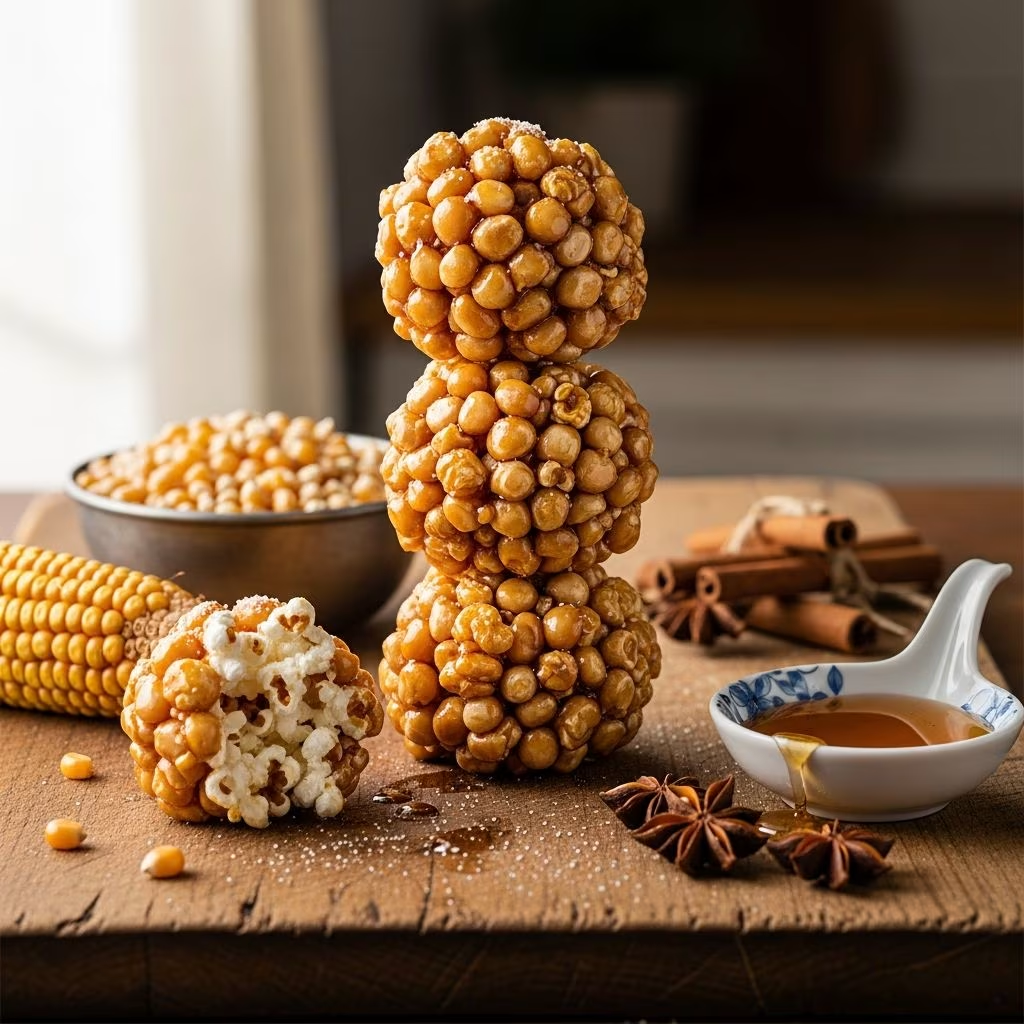
Popcorn balls represent one of the most nostalgic and accessible confections in American culinary tradition. These candied delights have graced festival booths, Halloween celebrations, and holiday gatherings for generations. The beauty of this treat lies in its simplicity—requiring only a handful of ingredients and basic kitchen equipment to transform ordinary popcorn into a delightful snack that appeals to both children and adults. Whether you’re seeking a fun weekend project or a homemade gift option, mastering the technique for creating popcorn balls opens doors to endless creative possibilities.
Understanding the Core Components
The foundation of exceptional popcorn balls rests upon three essential elements: freshly popped popcorn, a carefully prepared sugar syrup, and proper technique. Each component plays a critical role in determining the final texture, flavor, and appearance of your finished product. By understanding how these elements interact, you’ll develop the confidence to troubleshoot issues and customize recipes to suit your preferences.
Selecting Your Popcorn Base
The journey toward quality popcorn balls begins with the popcorn itself. Using approximately seven cups of freshly popped kernels provides an ideal starting point for most recipes. The freshness of your popcorn matters significantly—kernels that have been sitting for extended periods tend to become stale and fail to absorb the syrup coating effectively. Many home cooks find that popping their kernels using the stovetop method yields superior results compared to microwave packets, which often contain additives and chemical residues.
When preparing popcorn through traditional stovetop popping, begin by heating three to four tablespoons of oil with a high smoke point—grapeseed or peanut oil work exceptionally well—in a covered pot over medium heat. Test the oil temperature by adding a few kernels; once they pop, add your remaining kernels in an even layer. Keep the pot covered and shake it periodically as the kernels pop to prevent burning. Transfer the finished popcorn to a large bowl immediately after popping slows considerably. This timing proves crucial, as allowing kernels to sit in the hot pot can scorch them.
The Critical Sugar Syrup
The syrup that binds your popcorn balls determines their ultimate texture and structural integrity. Traditional recipes call for combining granulated sugar, water, and corn syrup or molasses in a heavy-bottomed saucepan. A typical formula involves two cups of sugar, half a cup of water, and half a cup of corn syrup or molasses. This combination creates the ideal balance between sweetness and consistency.
Heating this mixture to the precise temperature represents the most important technical skill in popcorn ball preparation. A reliable candy thermometer becomes an essential tool, as the syrup must reach exactly 260 degrees Fahrenheit for optimal results. At this temperature, the mixture achieves the “hard ball” stage, which means that when a small amount is dropped into cold water, it forms a firm ball that still remains slightly flexible. Alternatively, some recipes target 250 degrees Fahrenheit for a slightly softer texture. This typically requires ten to thirty minutes of cooking time, depending on your stove and pan characteristics.
Before pouring the syrup over your popcorn, add vinegar, vanilla extract, and salt to enhance flavor complexity. The vinegar balances sweetness, while vanilla provides depth, and salt amplifies overall taste perception. Stir these additions gently but thoroughly to distribute them evenly throughout the hot syrup.
Execution: Techniques for Perfect Coating
Once your syrup reaches the target temperature, immediate action becomes necessary. Remove the pot from heat and carefully pour the syrup over your waiting popcorn. Using a heat-resistant rubber spatula or wooden spoon, begin turning the popcorn gently but thoroughly to ensure every kernel receives an even coating. This step requires care and attention, as the syrup remains extremely hot and can cause burns if you’re not cautious. Work steadily but don’t rush—thorough coating ensures that each piece will have consistent texture and flavor.
Allow the mixture to cool for several minutes before shaping. While it still feels warm to the touch, lightly spray your hands with cooking spray or butter them generously. This prevents the sticky mixture from adhering to your skin while you work. Begin forming balls approximately the size of an apple, working quickly as the mixture continues to harden. If the batch cools too much and becomes difficult to mold, you can briefly return it to low heat to restore workability.
Place your freshly shaped balls on a sheet tray lined with parchment or waxed paper. Let them cool completely—at least one to two hours at room temperature—before handling them further. This cooling period allows the syrup to fully crystallize and the structure to set firmly.
Storage and Preservation Methods
Proper storage directly impacts the longevity and quality of your popcorn balls. Once fully cooled and hardened, wrap each ball individually in plastic wrap or place them in plastic zipper-lock bags. This protection prevents them from absorbing ambient moisture and becoming sticky, which can occur when exposed to humid air. Stored correctly, popcorn balls maintain their quality for two to three weeks at room temperature. For extended storage beyond this timeframe, the freezer provides an excellent option—frozen popcorn balls remain in good condition for several months when properly sealed.
Flavor Variations and Creative Adaptations
While the classic recipe provides a timeless foundation, creative variations allow you to customize your popcorn balls according to personal preferences or dietary considerations. Some enthusiasts substitute molasses for corn syrup to create deeper, more complex flavor notes with a subtle hint of smokiness. Others incorporate JELL-O powder in various flavors—raspberry, orange, or lemon work particularly well—to introduce color and distinct taste profiles to their treats.
For adventurous cooks, adding marshmallow to the coating mixture creates a lighter, fluffier texture. This variation involves incorporating five to ten ounces of marshmallow into the syrup near the end of cooking, stirring carefully until it melts and blends thoroughly. This approach produces popcorn balls with a more delicate crumb structure.
Food coloring can transform plain white popcorn balls into festive creations suitable for holidays or themed celebrations. Add coloring at the end of syrup preparation, before pouring over the popcorn. This allows you to coordinate your treats with party themes or seasonal decorations.
Common Challenges and Solutions
Sticky Texture: If your finished balls remain excessively sticky, the syrup likely didn’t reach a high enough temperature. Use a candy thermometer to verify that you’re achieving at least 250 degrees Fahrenheit next time. Additionally, ensure your hands are adequately buttered or sprayed with cooking oil when shaping.
Crumbly or Dry Results: This indicates the syrup may have been cooked too long or at too high a temperature, causing it to become brittle rather than pliable. Monitor your thermometer carefully and remove the mixture from heat immediately upon reaching target temperature.
Uneven Coating: Insufficient mixing before shaping causes some popcorn pieces to lack syrup coverage. Take your time during the turning and coating phase, ensuring every kernel comes into contact with the sticky mixture.
Difficulty Shaping: If the mixture cools too rapidly before you’ve finished shaping, return the bowl to a warm area or place it over a pot of hot water briefly to restore workability without reheating the syrup itself.
Essential Equipment and Preparation
Gathering your tools before beginning ensures a smooth, efficient process. You’ll need a large pot with a lid for popping kernels, a heavy-bottomed saucepan for syrup preparation, a candy thermometer for temperature monitoring, a heat-resistant rubber spatula for mixing and coating, and parchment or waxed paper for cooling. Having everything organized and accessible prevents last-minute scrambling when timing becomes critical.
Prepare your workspace before heating the syrup. Line your cooling surface with parchment paper, have cooking spray or butter ready for your hands, and position your popcorn in an easily accessible large bowl. This preparation allows you to move swiftly once your syrup reaches the correct temperature, when every second counts.
Serving and Presentation Ideas
Popcorn balls lend themselves beautifully to various presentation schemes. Individually wrapped balls make excellent party favors, gift additions, or lunchbox surprises. For gatherings, arrange them in decorative baskets lined with colorful tissue paper or displayed on tiered cake stands. The individual portion size makes them ideal for portion control and easy serving without requiring cutting or plating.
These treats pair wonderfully with beverages—hot cider or cocoa during fall and winter months, or cold lemonade during summer celebrations. Their relatively light texture makes them suitable for serving alongside heavier desserts, providing variety on dessert tables.
Frequently Asked Questions
- How long do homemade popcorn balls stay fresh?
- When stored properly in airtight containers at room temperature, popcorn balls maintain quality for two to three weeks. Refrigeration extends this to one month, while freezing preserves them for several months.
- Can I use microwave popcorn instead of stovetop popped kernels?
- While possible, microwave popcorn often contains oils and flavorings that can interfere with coating consistency. Stovetop or air-popped popcorn produces superior results.
- What should I do if my syrup crystallizes before I pour it over the popcorn?
- If crystallization occurs, reheat the syrup gently over low heat while stirring constantly. Once smooth, quickly proceed with coating the popcorn.
- Is a candy thermometer truly necessary?
- For best results, yes. The cold water test provides an alternative method, but a thermometer offers greater precision and consistency in temperature control.
- Can I make popcorn balls without corn syrup?
- Yes, honey, molasses, or other liquid sweeteners can substitute for corn syrup, though each produces slightly different textures and flavors.
Historical Context and Cultural Significance
Popcorn balls occupy a cherished place in American culinary nostalgia, appearing at festivals, carnivals, and holiday celebrations throughout the nation’s history. This confection represents an era when homemade treats dominated household celebrations, before commercial candy production became ubiquitous. Today, crafting popcorn balls from scratch reconnects us with traditional foodways while creating opportunities for family bonding and creative expression in the kitchen.
References
- Vintage Popcorn Balls – Classic Recipe — Tori Avey. 2024. https://toriavey.com/popcorn-balls/
- Old Fashioned Popcorn Balls — My Country Table. 2024. https://mycountrytable.com/old-fashioned-popcorn-balls/
- Old Fashioned Popcorn Balls — Mamma Mangia. 2024. https://mammamangia.com/popcorn-balls/
- Food Safety Guidelines for Candy Making — U.S. Food and Drug Administration. 2023. https://www.fda.gov/