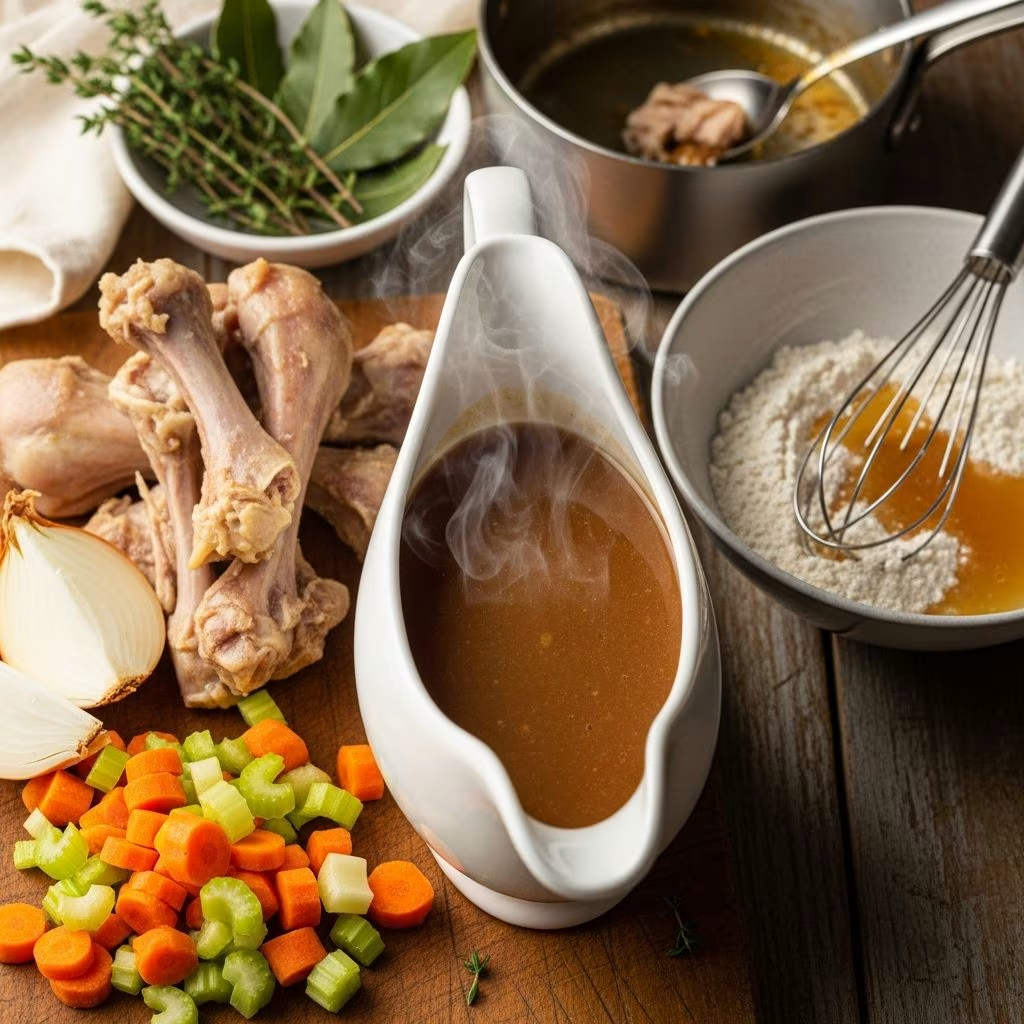
Creating a velvety, flavorful chicken gravy at home is one of the most valuable skills any home cook can develop. Whether you’re preparing a holiday feast or an everyday dinner, understanding the fundamentals of gravy preparation transforms ordinary meals into memorable dining experiences. This comprehensive guide explores the techniques, ingredients, and methods that enable anyone to produce restaurant-quality chicken gravy in their own kitchen.
Understanding the Foundation of Great Gravy
The secret to exceptional chicken gravy lies in mastering a fundamental cooking component called a roux. A roux is simply equal parts fat and flour combined over heat to create a thickening agent. This timeless technique, rooted in classical French cuisine, provides the foundation for countless sauces and gravies across the culinary world. When properly prepared, a roux transforms thin, bland liquid into silky, coating sauce that clings beautifully to food.
The quality of your gravy depends significantly on understanding how these basic components interact. Fat carries flavor and creates richness, while flour provides the structure necessary for thickening. When combined correctly, they produce a paste-like mixture that, when gradually introduced to liquid, creates a smooth, lump-free sauce.
Essential Ingredients and Their Roles
Creating chicken gravy requires remarkably simple ingredients, yet each plays a critical role in the final product:
- Butter: The primary fat that creates richness and carries flavors. Unsalted butter provides better control over the salt content in your finished gravy.
- All-purpose flour: The thickening agent that, when combined with butter and cooked briefly, removes any raw flour taste and creates the base for your sauce.
- Chicken broth or pan drippings: The liquid component that provides both body and authentic chicken flavor to your gravy.
- Seasonings: Salt, pepper, and optional herbs like thyme or garlic powder enhance the natural flavors of the gravy.
Understanding ingredient ratios ensures consistent results. The standard proportion involves approximately 1 part roux to 2 parts liquid, though slight variations accommodate personal preference for sauce thickness.
Step-by-Step Preparation Method
Creating Your Roux Base
Begin by placing a medium saucepan over medium heat. Add your butter and allow it to melt completely until it begins to foam gently. Once the butter reaches this stage, add your flour all at once. Using a whisk, stir vigorously to combine the butter and flour into a smooth, paste-like consistency. This process typically takes about one minute. Continue cooking and stirring for an additional 1-2 minutes, allowing the raw flour taste to cook off. You’ll notice the mixture becoming slightly darker and developing a pleasant, nutty aroma.
Gradual Liquid Integration
The most critical step in preventing lumps involves slowly introducing your liquid while maintaining constant whisking motion. Begin by pouring a small amount of chicken broth or drippings into your roux while whisking vigorously. This initial liquid combines smoothly with the roux, creating a thickened base. As this mixture smooths out, gradually increase the rate at which you add the remaining liquid. The continuous whisking action breaks up any lumps before they can form, resulting in a silky texture.
Seasoning and Simmering
Once all liquid has been incorporated, reduce heat to medium-low and add your seasonings. Stir the mixture thoroughly to ensure even distribution of salt, pepper, and any herbs. Allow the gravy to simmer gently for several minutes, stirring occasionally. During this time, the sauce will gradually thicken as the liquid reduces and the starch granules fully absorb the liquid. Most gravies reach their ideal consistency within 3-5 minutes of simmering.
Working With Different Base Liquids
Pan Drippings Method
When you’ve roasted chicken, turkey, or other poultry, the flavorful brown bits and rendered fat left in the pan represent liquid gold for gravy making. Pour off most of the fat, reserving about 3 tablespoons to use as your roux base. Deglaze the pan by adding a small amount of broth or water, scraping up those flavorful browned bits with a wooden spoon. This liquid becomes part of your gravy, infusing it with concentrated poultry flavor. The remaining process follows the standard method, with the added benefit of superior depth and complexity.
Chicken Broth Method
For gravies prepared without pan drippings, quality chicken broth becomes your foundation. Store-bought broth offers convenience and consistency, though homemade broth provides superior flavor complexity. The roux-and-broth method produces a clean, lighter gravy that allows the broth’s flavor profile to shine. This approach works particularly well when you desire a more delicate sauce or when making gravy separately from roasted proteins.
Alternative Thickening Techniques
While flour-based roux remains the traditional and most reliable method, alternative thickeners offer different advantages in specific situations.
Cornstarch Slurry Method
Cornstarch provides a gluten-free thickening alternative and produces a particularly glossy finish. To use cornstarch, create a slurry by whisking equal parts cornstarch and cold water until the cornstarch completely dissolves. Bring your broth to a boil, then slowly whisk in the cornstarch slurry while stirring constantly. The liquid thickens almost immediately. This method works rapidly and produces a transparent sauce, making it ideal when you want the broth’s natural color to remain prominent.
Flour Slurry Alternative
When you prefer avoiding the roux-making step, you can create a flour slurry using all-purpose flour and cold water or broth. Mix these ingredients until smooth, then add to simmering broth while whisking continuously. This method achieves thickening without the preliminary fat component, resulting in a lighter sauce.
Flavor Enhancement Strategies
Beyond basic salt and pepper, several flavor additions elevate your gravy from simple to spectacular:
- Garlic and onion powder: These dried seasonings distribute evenly throughout the sauce, providing subtle depth without grittiness.
- Fresh herbs: Thyme, sage, or rosemary complement poultry beautifully and add sophisticated flavor notes.
- Worcestershire sauce: A small amount adds umami depth and subtle complexity.
- Mustard powder: Contributes subtle tanginess that enhances savory qualities.
- Paprika: Provides color and mild smoky notes that complement chicken.
When adding powdered seasonings, mix them in early to ensure even distribution. Liquid seasonings should be added near the end of cooking to preserve their flavor profiles.
Troubleshooting Common Issues
Lumpy Texture
Lumps typically form when flour encounters hot liquid without adequate fat or when whisking isn’t vigorous enough. Prevention remains easier than correction. Should lumps occur, strain the gravy through fine mesh into a clean saucepan and whisk smooth. Alternatively, use an immersion blender to break up stubborn lumps.
Insufficient Thickness
If your gravy remains too thin after simmering, create a slurry with cornstarch and cold water (or flour and cold broth), then whisk it into the simmering gravy. Cook for an additional minute until you achieve the desired thickness. This approach adds thickening without adding raw flour taste.
Over-Thickened Consistency
Gravy that becomes too thick can be thinned by whisking in additional warm broth gradually. Add small amounts while stirring, checking consistency frequently until you reach the desired outcome.
Flat Taste
If your finished gravy lacks punch, taste and adjust seasonings incrementally. Add salt in small pinches, as it’s easier to add more than to reduce excess salt. Enhance depth with a splash of Worcestershire sauce or a pinch of additional herbs.
Storage and Make-Ahead Strategies
Homemade chicken gravy keeps well in the refrigerator for up to four days when stored in an airtight container. For longer storage, freeze gravy for up to three months in ice cube trays or small freezer containers. Thaw frozen gravy overnight in the refrigerator, then reheat gently over medium-low heat, stirring occasionally. If the gravy separates during storage, whisk it vigorously or use an immersion blender to reemulsify.
Making gravy ahead of time for holidays or special occasions significantly reduces day-of stress. Prepare gravy up to two days in advance and store covered in the refrigerator. Reheat slowly in a saucepan, whisking frequently to maintain silky texture. If reheating tightens the gravy too much, thin with a little warm broth.
Frequently Asked Questions
Can I make chicken gravy without butter?
Yes, though butter provides richness and carries flavor beautifully. You can substitute with oil, though the result will be less rich. For a lighter version, reduce the fat proportion or use a slurry method with cornstarch and cold liquid, skipping fat entirely.
What’s the difference between gravy and sauce?
Gravy typically contains meat drippings or concentrated meat flavors and serves as a pouring sauce for meats and starches. Sauce can have various bases and flavor profiles. Many gravy recipes function equally well as sauces, depending on their intended use.
How can I make gravy vegetarian?
Substitute chicken broth with vegetable broth or mushroom broth, which provides umami depth similar to meat-based broths. Use the same roux and thickening techniques. Consider adding soy sauce or nutritional yeast for additional savory complexity.
Why does my gravy break or separate?
Separation often results from overheating after the roux has been incorporated, which can break the emulsion. Maintain medium to medium-low heat throughout cooking. If separation occurs, whisk vigorously or use an immersion blender to recombine the ingredients.
Can I use instant flour or self-rising flour?
All-purpose flour remains the best choice for gravy making. Instant flour works similarly but produces slightly different texture. Self-rising flour contains leavening agents and salt, disrupting the gravy’s intended flavor and consistency.
Serving Suggestions and Pairing Ideas
Chicken gravy pairs beautifully with mashed potatoes, egg noodles, rice, and roasted vegetables. Serve it over sliced roasted chicken, turkey, or other poultry. Biscuits and gravy represent a classic comfort food combination that never disappoints. For holiday meals, present gravy in a warmed gravy boat or pitcher, allowing guests to serve themselves to their preferred amount.
Leftover gravy transforms into quick meals: warm it over shredded chicken and serve over toast or biscuits for chicken and gravy sandwiches, or fold it into casseroles for added moisture and flavor.
Conclusion
Mastering chicken gravy preparation represents a foundational cooking skill that enhances countless dishes and occasions. By understanding the science behind roux-making, ingredient ratios, and proper technique, you’ll consistently produce silky, flavorful gravy that impresses family and guests. Whether you start with pan drippings or simple broth, apply these proven methods to create this essential culinary staple in your own kitchen.
References
- Saucier, Alain. The Professional Chef’s Knife. — Culinary Institute of America. 2015. https://www.ciachef.edu/
- McGee, Harold. On Food and Cooking: The Science and Lore of the Kitchen. — Scribner. 2004. https://www.penguinrandomhouse.com/
- Corriher, Odds. CookWise: Hacks, Techniques, and Ingredients Behind Every Good Cook. — William Morrow. 1997. https://www.hachettebookgroup.com/