Caramel sauce stands as one of the most versatile and indulgent creations in the culinary world. Its rich, buttery depth and glossy sheen can transform simple desserts into showstoppers or add sophistication to everyday treats. Whether drizzled over ice cream, layered in cakes, or stirred into coffee, mastering this sauce opens endless possibilities. This guide dives deep into the art of caramel-making, offering practical techniques, scientific insights, and innovative applications to help you achieve professional results in your own kitchen.
The Science Behind Perfect Caramel
At its core, caramel forms through the Maillard reaction and caramelization process, where sugar molecules break down under heat, creating complex flavors and golden hues. Sucrose, the primary sugar in granulated white sugar, melts at around 320°F (160°C), but heating it beyond this point triggers non-enzymatic browning for that signature taste. Understanding temperature control is key: too low, and the sugar won’t melt evenly; too high, and it burns into bitterness.
Water plays a crucial role in the dry method versus wet method debate. The wet method dissolves sugar in water first, promoting even melting but risking crystallization if not handled carefully. The dry method skips water for faster results but demands vigilant stirring to prevent hotspots. Both yield excellence with practice.
Essential Ingredients and Equipment
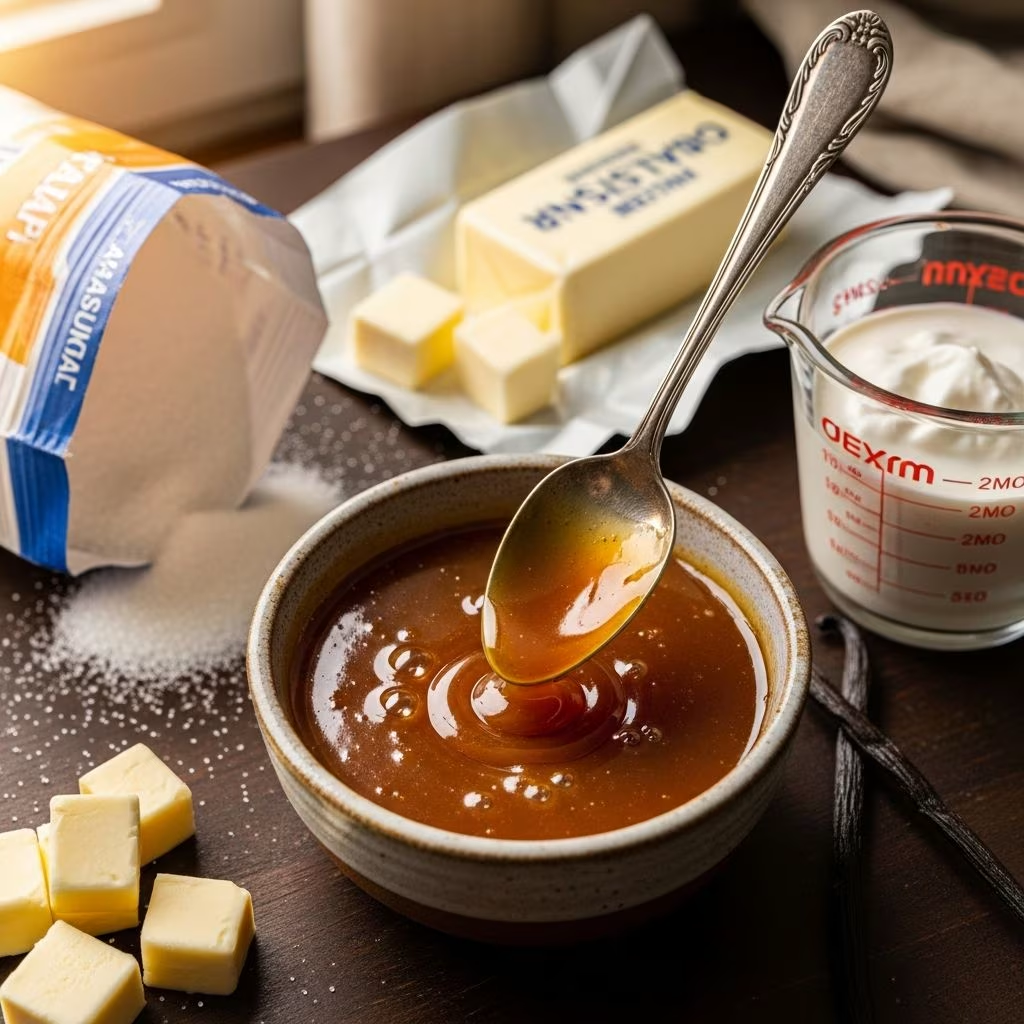
Great caramel starts with quality basics:
- Granulated sugar: Pure cane sugar for clean flavor; avoid brown sugar here to prevent chewiness.
- Heavy cream: At least 36% fat for creamy emulsion; warm it slightly to avoid seizing.
- Unsalted butter: European-style for higher fat content and richer taste.
- Sea salt: Fleur de sel or kosher for balanced savoriness.
- Vanilla extract or beans: For aromatic depth.
Equip yourself with a heavy-bottomed saucepan (3-quart minimum to prevent boil-over), a reliable candy thermometer, a heatproof spatula, and a whisk. Silicone brushes help wash down sugar crystals from pan sides.
| Item | Why It Matters | Best Choice |
|---|---|---|
| Saucepan | Even heat distribution | Stainless steel or enameled cast iron |
| Thermometer | Precise temperature reading | Digital instant-read |
| Spatula | Non-stick scraping | Silicone heatproof |
Step-by-Step Recipe for Classic Caramel Sauce
This yields 1.5 cups, ready in 20 minutes. Scale as needed.
- Prepare ingredients: Measure 1 cup sugar, 6 tbsp butter (cubed), 1/2 cup heavy cream (warmed), 1 tsp vanilla, and 1/2 tsp salt.
- Melt sugar (dry method): Heat sugar in saucepan over medium. Stir constantly as it liquifies from edges. Swirl pan to even out; expect amber color at 350°F.
- Add butter: Whisk in butter vigorously until fully incorporated; mixture will bubble furiously.
- Incorporate cream: Slowly pour in warm cream while whisking. Boil 1-2 minutes until thickened to coat a spoon (about 220°F).
- Finish and cool: Off heat, stir in vanilla and salt. Cool 15 minutes; it thickens more as it sets.
Pro tip: If crystals form, add a teaspoon of corn syrup or lemon juice early to inhibit recrystallization.
Common Mistakes and How to Fix Them
Even seasoned cooks encounter issues. Here’s how to sidestep them:
- Grainy texture (crystallization): Caused by sugar crystals. Prevention: Brush pan sides with water; use wet method or corn syrup.
- Seized or separated: Cold cream shocks the caramel. Solution: Warm cream to 100°F first.
- Burnt flavor: Overheating past 375°F. Fix: Start over, monitoring closely after 340°F.
- Too thin/thick: Cooking time varies by humidity. Test by spoon drip: should form a ‘V’ without running off.
For salvaging grainy batches, gently reheat with a splash of water and whisk until smooth, but prevention trumps cure.
Flavor Variations to Elevate Your Sauce
Customize for any occasion:
- Bourbon caramel: Add 2 tbsp bourbon post-cream for smoky warmth.
- Chocolate caramel: Stir in 4 oz melted dark chocolate for ganache-like decadence.
- Spiced caramel: Infuse with cinnamon sticks, cardamom, or ginger during cream boil.
- Coffee caramel: Dissolve 1 tbsp espresso powder in cream for mocha magic.
- Nutty praline: Toast pecans, blend into sauce for crunch.
Experiment boldly—caramel’s robustness handles bold additions well.
Storage, Shelf Life, and Freezing Tips
Store in airtight glass jars in the fridge for up to 3 weeks. Reheat gently in microwave (10-second bursts) or double boiler to restore silkiness. For longer storage, freeze in portions up to 3 months; thaw overnight in fridge. Avoid metal containers to prevent reactions.
Creative Uses in Baking and Beyond
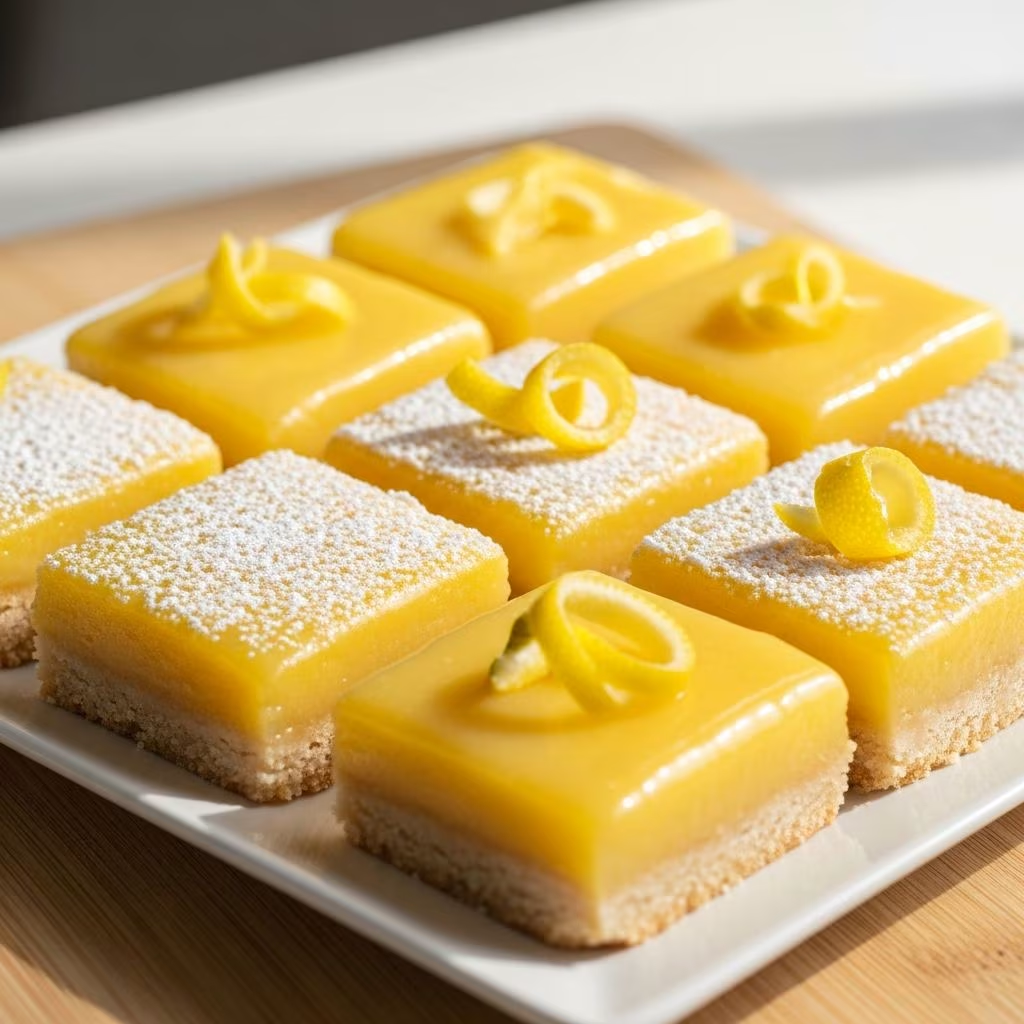
Beyond drizzling, integrate into:
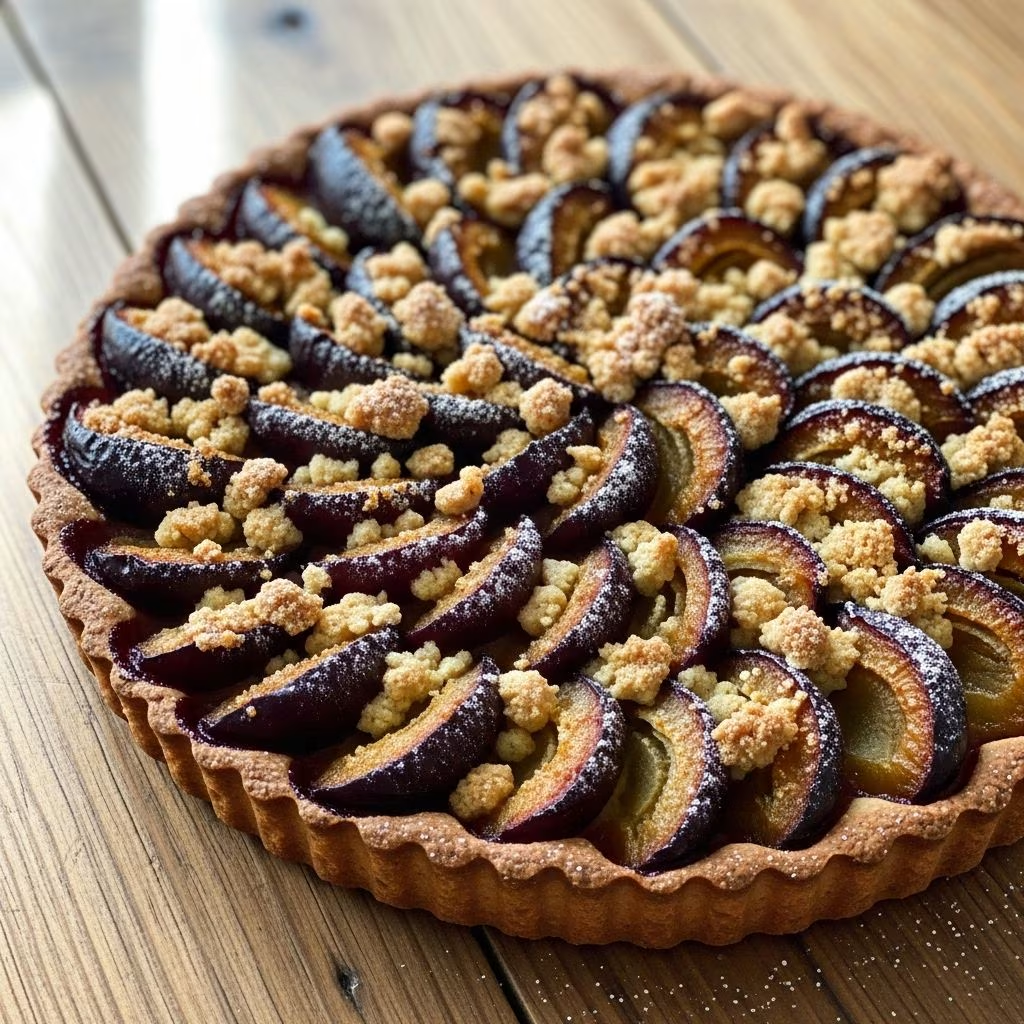
- Pies and tarts: Swirl into apple pie filling or use as pecan pie base.
- Cakes and cupcakes: Fill layers or pipe as frosting.
- Ice cream and desserts: Core apples, top flan, or mix into no-churn ice cream.
- Beverages: Stir into lattes, cocktails like salted caramel martinis, or hot chocolate.
- Savory twists: Glaze bacon or pair with cheeses for appetizers.
Advanced Techniques for Pro-Level Results
Once basics click, try:
- Vacuum caramel: Use a pressure cooker for ultra-smooth texture (experimental).
- Infusions: Steep herbs like rosemary or lavender in warm cream overnight.
- Sheet pan method: Spread sugar thin on a baking sheet at 350°F for hands-off melting.
Track your batches in a journal: note humidity, stove type, and tweaks for consistency.
FAQ: Your Caramel Questions Answered
Can I use a different sugar?
Granulated white is ideal, but light brown adds molasses notes. Avoid powdered or raw for purity.
Is caramel sauce gluten-free?
Yes, inherently so. Check cream and add-ins for allergens.
How do I know when it’s done?
Target 220-240°F or spoon test: thick ribbon that holds shape briefly.
Vegan version possible?
Swap cream for full-fat coconut milk, butter for coconut oil. Taste-test for balance.
Why did my sauce harden?
Overcooked or cooled too quickly. Reheat with cream to loosen.
Nutritional Snapshot
| Serving (2 tbsp) | Calories | Fat | Sugar |
|---|---|---|---|
| Classic Caramel | 120 | 7g | 15g |
| Vegan Coconut | 110 | 8g | 14g |
Indulge mindfully; portion control enhances enjoyment.
With these tools, your kitchen becomes a caramel atelier. Practice refines intuition, turning mishaps into mastery. Share your creations and variations—what’s your favorite twist?
References
- Sugar Confectionery Manufacture — E.B. Jackson. Springer. 2018-05-15. https://link.springer.com/book/10.1007/978-3-319-72892-5
- On Food and Cooking: The Science and Lore of the Kitchen — Harold McGee. Scribner. 2004-11-23. https://www.simonandschuster.com/books/On-Food-and-Cooking/Harold-McGee/9780684800011
- Understanding Food Science and Technology — P. Fellows. Woodhead Publishing. 2022-07-12. https://www.elsevier.com/books/understanding-food-science-and-technology/fellows/978-0-08-100584-1
- USDA FoodData Central: Sugars — United States Department of Agriculture. 2023-01-10. https://fdc.nal.usda.gov/
- IFT Food Science Guidelines — Institute of Food Technologists. 2024-03-05. https://www.ift.org/news-and-publications