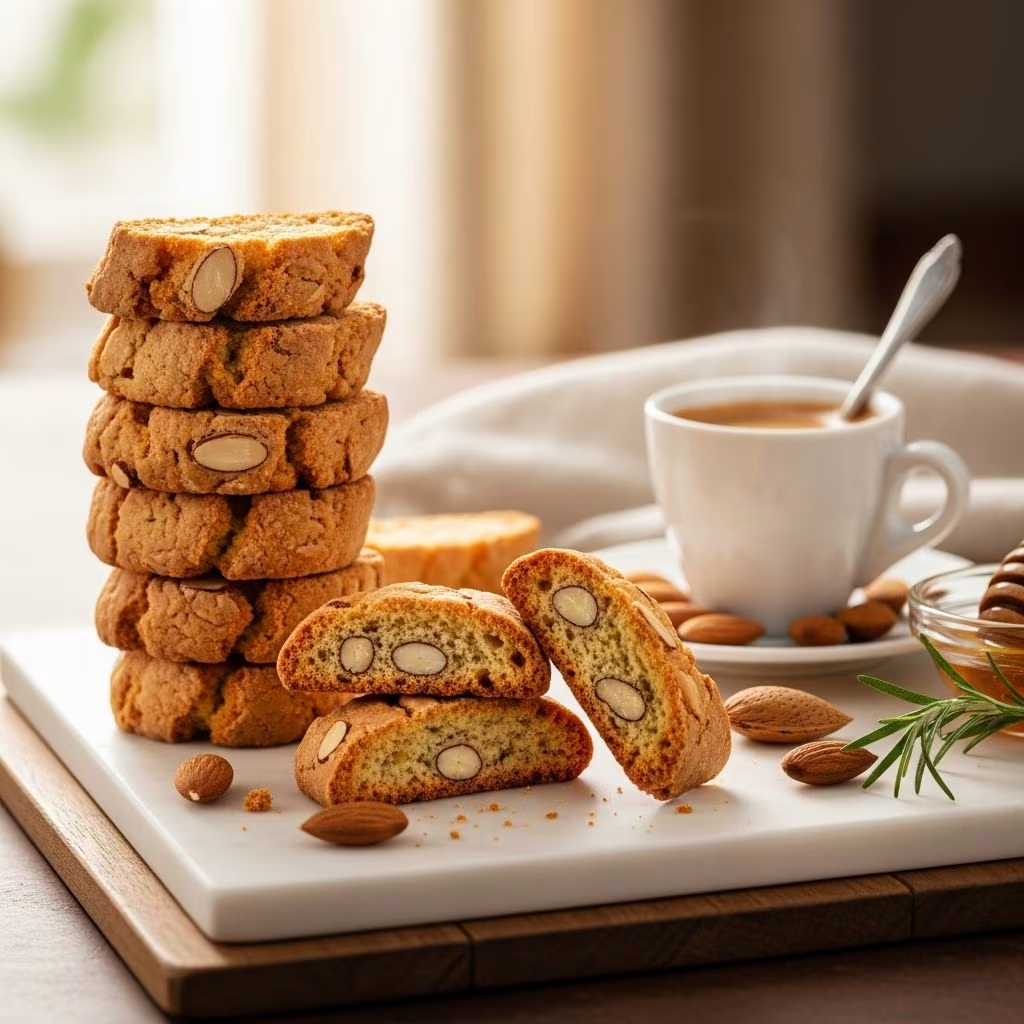
Italian biscotti represent one of the world’s most beloved baked goods, treasured for their distinctive hardness, delicate almond flavor, and remarkable versatility. These twice-baked cookies have graced Italian tables for centuries, evolving from practical provisions for travelers and sailors into beloved treats enjoyed worldwide. The beauty of biscotti lies not merely in their taste but in their cultural significance and the satisfying ritual of dunking them into warm beverages. Understanding how to create these authentic treats at home transforms a simple baking project into a gateway to Italian culinary tradition.
Understanding the History and Cultural Significance
The origins of biscotti trace back to medieval Italian baking traditions, where the need for shelf-stable provisions drove innovation. The word “biscotti” itself derives from the Latin “bis” (twice) and “coctus” (cooked), accurately describing the two-stage baking process that defines these cookies. Originally developed as practical sustenance for soldiers, sailors, and travelers, biscotti eventually became a staple of Italian café culture and family gatherings. The Tuscan region claims particular prominence in biscotti tradition, though variations exist throughout Italy. Today, these cookies maintain their cultural importance while achieving international recognition, appearing on café menus from Rome to New York.
Essential Ingredients for Authentic Biscotti
Creating successful biscotti begins with understanding each ingredient’s role in achieving the desired outcome. Quality ingredients are not optional but fundamental to producing cookies worthy of the biscotti tradition.
The Foundation: Flour and Leavening Agents
All-purpose flour provides the structure necessary for biscotti’s characteristic crumb. Most recipes call for approximately two to three cups of flour, which creates sufficient structure without producing an excessively dense cookie. The amount of flour directly impacts texture; too little results in spreading and insufficient crunch, while excessive flour creates an overly dry product. Baking powder serves as the primary leavening agent, typically between one and two teaspoons per batch. This gentle leavening creates the slight rise that gives biscotti their appealing lightness before the second bake transforms them into their final crispy state.
Almonds: The Defining Element
Whole almonds, sliced almonds, or almond flour each contribute distinct characteristics to the final product. Whole almonds provide texture and visual appeal, creating pockets of nutty flavor throughout the cookie. Sliced almonds distribute more evenly, creating a refined appearance, while almond flour contributes moisture and dense nuttiness. Most traditional recipes combine whole and sliced varieties for optimal balance. One and a half to two cups of almonds per batch creates a substantial almond presence without overshadowing other flavors. Toasting almonds before incorporating them into the dough intensifies their flavor profile significantly.
Fats, Sugars, and Binding Components
Butter provides richness and contributes to the final texture, typically ranging from half a cup to three-quarters cup. The moisture content in butter affects dough consistency, making room-temperature butter essential for proper incorporation. Granulated sugar sweetens while contributing to structure through crystalline formation during baking. Some recipes incorporate brown sugar for additional depth and moisture. Eggs serve as binders and contribute moisture, with recipes typically calling for two to three eggs. The yolks provide richness while the whites assist with structure. Anise seeds or anise extract offer traditional Italian flavoring, though vanilla extract provides a more subtle sweetness. Salt amplifies other flavors while balancing sweetness.
Detailed Preparation and Baking Methodology
Mixing and Dough Development
Begin by creaming butter and sugar together until the mixture achieves a light, fluffy consistency—approximately two to three minutes of mixing. This process incorporates air, which contributes to the desired texture. Eggs should be added individually, with complete incorporation between additions, preventing separation and ensuring even distribution. Combine flour, baking powder, salt, and any spices in a separate bowl before folding into the wet mixture. Overmixing at this stage toughens the dough, so fold gently until just combined. Finally, fold in almonds and any optional add-ins, preserving their integrity rather than crushing them into the dough.
First Bake: Creating the Foundation
Shape the dough into one or two long logs, approximately two to three inches wide and about half an inch thick. These dimensions ensure even cooking and proper slicing thickness for the second bake. Place logs on parchment-lined baking sheets, allowing space for slight spreading. The first bake typically lasts twenty-five to thirty-five minutes at three hundred fifty degrees Fahrenheit, until the logs achieve light golden-brown coloring and a toothpick inserted in the center emerges clean. The logs should be firm enough to slice cleanly but not yet crispy. Allow cooling for approximately ten minutes before proceeding to slicing.
Slicing Technique and Presentation
Slicing biscotti requires a serrated knife and a gentle sawing motion at approximately thirty to forty-five degree angles, producing either diagonal or vertical cuts. Angled cuts create a more elegant presentation, while vertical cuts offer practicality. Uniform thickness ensures even cooking during the second bake; aim for approximately half-inch thickness throughout. If logs cool too much and become difficult to slice, brief warming in a three hundred-degree oven for five to ten minutes restores workability without affecting final quality.
Second Bake: Achieving the Signature Crunch
Stand sliced biscotti upright on baking sheets, arranged close together but not overlapping. This position allows maximum surface exposure to heat. Bake at three hundred to three hundred twenty-five degrees Fahrenheit for approximately ten to fifteen minutes, checking frequently to prevent over-browning. Ideally, biscotti should turn golden but not dark brown, as excessive browning creates bitterness. Remove from the oven when edges feel completely firm to the touch. Some bakers flip biscotti halfway through the second bake to ensure even drying on both cut surfaces. Complete cooling on wire racks ensures crispness development as moisture continues evaporating.
Flavor Variations and Creative Adaptations
While traditional almond biscotti remains incomparable, numerous variations expand the possibilities within the biscotti framework. Chocolate chip versions incorporate melted chocolate or chocolate chunks into the dough, creating indulgent treats. Cranberry or dried fruit additions provide tartness and chewiness contrasts. Orange zest imparts bright citrus notes that complement almonds beautifully. Some recipes substitute hazelnuts, pistachios, or walnuts for almonds entirely, creating regionally inspired variations. Espresso powder adds subtle coffee complexity, perfect for biscotti intended primarily for dunking. Experimentation with spices such as cinnamon, cardamom, or nutmeg creates seasonal variations appealing to different palates.
Storage, Shelf Life, and Quality Preservation
Optimal Storage Conditions
Properly baked and completely cooled biscotti maintain quality for extended periods when stored appropriately. Airtight containers protect against moisture absorption, which gradually softens the cookies. Room-temperature storage in a cool, dry location preserves crispness far better than refrigeration, which accelerates staling through moisture migration. Most biscotti remain crispy for up to two weeks in optimal conditions, though flavor peaks within the first week.
Longevity and Freezing Options
Unsliced logs can be frozen before the second bake for up to three months, allowing partial baking and consumption as desired. This approach ensures maximum freshness when thawing and completing the second bake. Fully baked biscotti also freeze successfully for extended periods, though they should be thawed at room temperature before consuming to prevent condensation. Many bakers prepare large batches seasonally, freezing portions for enjoyment throughout following months.
Troubleshooting Common Biscotti Challenges
| Challenge | Probable Cause | Solution |
|---|---|---|
| Excessive spreading during first bake | Too much butter or insufficient flour | Adjust ratio, chill dough before shaping |
| Logs remain soft after second bake | Insufficient baking time or temperature too low | Extend baking duration, increase temperature slightly |
| Bitter, over-roasted flavor | Second bake temperature too high or excessive duration | Reduce temperature, monitor carefully during baking |
| Crumbly, dry texture | Excessive flour or overbaking | Measure flour accurately, reduce baking time |
| Dense, heavy crumb | Insufficient leavening or overmixing | Verify baking powder freshness, fold gently |
Frequently Asked Questions About Biscotti
Can biscotti be made without eggs?
Egg-free biscotti require substitutes such as applesauce, mashed banana, or commercial egg replacers. These substitutes affect texture and binding properties, requiring slight adjustments to dough consistency and potentially extending baking times. Results differ from traditional versions but remain satisfactory.
What makes some biscotti harder than others?
Extended second-bake duration and lower oven temperature create progressively crunchier results. Bakers preferring less extreme crispness should shorten the second bake or increase temperature moderately. Individual preference dictates the ideal balance between crispness and maintainable structure.
Is anise essential for authentic biscotti?
While anise appears in many traditional Italian recipes, it is not universally required. Regional variations exist throughout Italy, with some areas emphasizing different flavorings. Modern interpretations accommodate varied preferences without compromising authenticity.
Can commercial nut butters replace whole nuts?
Nut butters fundamentally alter texture and appearance, creating denser products lacking the textural interest of whole nuts. They work in modified recipes but do not produce traditional biscotti. Supplementing whole nuts with nut butter requires significant recipe adjustments.
What beverages pair best with biscotti?
Traditionally, biscotti accompany coffee or tea, their firmness providing ideal dunking capacity that gradually softens the cookies. Wine, hot chocolate, and sweet dessert wines also pair wonderfully, with the beverage choice influencing flavor perception and enjoyment.
Serving Suggestions and Presentation
Biscotti shine as elegant gifts when arranged in decorative packaging or presented on beautiful platters. Their long shelf life makes them ideal for advance preparation before entertaining. Serve alongside coffee or tea for authentic Italian-style enjoyment, or present as sophisticated desserts following meals. The ritualistic aspect of dunking creates engaging social moments, particularly appealing for gatherings emphasizing conversation and leisurely enjoyment. Small packages of homemade biscotti represent thoughtful, impressive gifts for colleagues, friends, and family members who appreciate culinary excellence.
Conclusion: Embracing the Biscotti Tradition
Creating biscotti at home transcends simple baking, connecting contemporary cooks to centuries of Italian culinary tradition. The twice-baked process, while requiring patience and attention, rewards effort with exceptional results that justify the additional time investment. Success depends on understanding ingredient interactions, respecting proven techniques, and allowing personal experimentation within traditional frameworks. Whether following classic almond recipes or exploring creative variations, homemade biscotti offers unmatched satisfaction compared to commercial alternatives. The aroma filling the kitchen during both bakes, the anticipation while waiting for cooling, and the pleasure of enjoying perfectly crispy cookies with beloved beverages transform this traditional recipe into a cherished ritual.
References
- Italian Food Culture and Traditions — Italian Government Tourism Board. 2024. https://www.italia.it/en
- The Science of Baking: How Heat Transforms Dough — America’s Test Kitchen. 2023. https://www.americastestkitchen.com
- Ingredient Interactions in Cookie Baking — Journal of Culinary Science & Technology, Vol. 21, No. 3. 2023. https://www.tandfonline.com/doi/full/10.1080/15428052.2022.2100234
- Food Storage and Shelf Life Guidelines — U.S. Department of Agriculture Food Safety Division. 2024. https://www.fsis.usda.gov/food-safety
- Traditional Baking Methods in Mediterranean Cuisine — Mediterranean Diet Foundation. 2023. https://www.dietamediterranea.com.es/en