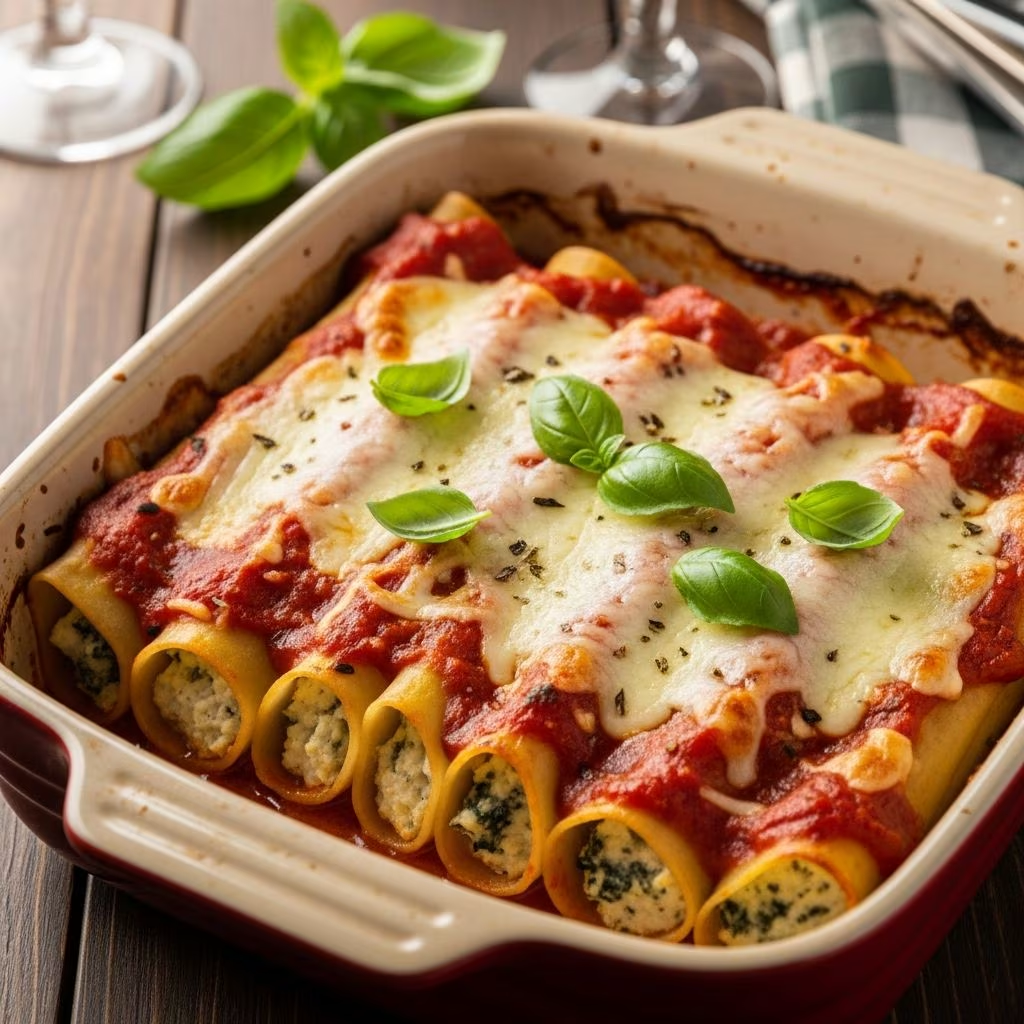
Cannelloni, those elegant tubes of pasta generously filled and blanketed in sauce, represent the pinnacle of Italian comfort food. This dish combines tender pasta with rich, savory fillings and melted cheese, creating a symphony of flavors that warms the soul. Whether you’re hosting a family dinner or seeking a special weekend project, mastering cannelloni elevates your cooking game. In this guide, we’ll explore its origins, essential techniques, diverse recipes, and pro tips to ensure success every time.
The Rich Heritage of Cannelloni
Cannelloni traces its roots to Italy’s Emilia-Romagna region, where pasta innovation flourished centuries ago. Emerging in the early 20th century, it evolved from manicotti, its American-Italian cousin. The name ‘cannelloni’ derives from ‘cannello,’ meaning ‘small tube’ or ‘cane,’ perfectly describing the pasta’s shape. Traditionally stuffed with meat ragù and ricotta, then smothered in tomato sauce and béchamel, it became a staple in Italian-American households post-World War II.
Today, cannelloni embodies versatility. Italians enjoy it during festive occasions, while global adaptations incorporate local ingredients. Its enduring appeal lies in the contrast of crispy edges, creamy interiors, and bubbling cheese—timeless elements that transcend borders.
Essential Ingredients for Success
Great cannelloni starts with quality components. Here’s what you need:
- Pasta Sheets or Tubes: Fresh lasagna sheets (10×6 inches) work best for rolling; no-boil tubes save time but require extra sauce.
- Fillings: Ricotta, ground meats, spinach, or seafood—aim for 2-3 cups per 12 cannelloni.
- Sauces: Tomato passata for vibrancy; béchamel for creaminess. Fresh herbs like basil elevate both.
- Cheese: Parmesan for grating, mozzarella for melting. Opt for Parmigiano-Reggiano and whole-milk mozzarella.
- Seasonings: Garlic, nutmeg, salt, pepper—freshly ground for maximum flavor.
Pro Tip: Parboil lasagna sheets for 2 minutes to make rolling easier without tearing.
Step-by-Step: Preparing the Pasta Base
Begin by cooking your pasta. For sheets, boil in salted water until pliable (1-2 minutes), then shock in ice water. Pat dry. Pre-made tubes skip this but hydrate in sauce during baking.
- Prepare a 9×13-inch baking dish with olive oil spray.
- Spoon 1 cup sauce on the bottom to prevent sticking.
- Fill pasta: Pipe or spoon mixture generously, roll tightly.
- Arrange seam-side down in dish.
- Top with remaining sauces and cheese.
- Bake covered at 375°F for 25 minutes, then uncovered 20-25 until golden.
Rest 10 minutes post-bake for clean slices.
Classic Beef and Ricotta Cannelloni
This traditional recipe serves 4-6 and takes 1.5 hours total.
Ingredients Table
| Component | Quantity |
|---|---|
| Lasagna sheets | 12 |
| Ground beef | 1 lb |
| Ricotta | 15 oz |
| Tomato sauce | 3 cups |
| Béchamel | 2 cups |
| Mozzarella, shredded | 2 cups |
| Parmesan, grated | ½ cup |
Instructions
Brown beef with onion, garlic, and herbs. Mix with ricotta, egg, and half the Parmesan. Roll into sheets, layer with sauces, bake as above. The result: juicy, cheesy perfection.
Vegetarian Spinach and Cheese Delight
For meat-free meals, this spinach-ricotta version shines. Sauté 20 oz spinach with garlic; squeeze dry. Blend with 2 cups ricotta, 1 egg, nutmeg, salt. Use marinara and béchamel. It’s lighter yet indulgent, ready in 1 hour.
Seafood Cannelloni with Shrimp and Crab
Elevate dinner with seafood. Sauté ½ lb shrimp and ½ lb crab with shallots, white wine. Mix with ricotta and lemon zest. Pair with light tomato sauce—no béchamel to avoid heaviness. Bake at 350°F for 30 minutes.
Advanced Techniques and Variations
Make-Ahead Strategy
Assemble up to 2 days ahead, cover tightly, refrigerate. Add 10 minutes bake time if cold. Freeze assembled (unbaked) for 3 months; thaw overnight before baking.
Sauce Innovations
- Pesto Béchamel: Swirl basil pesto into white sauce.
- Arrabbiata: Spicy tomato with chili flakes.
- Vodka Sauce: Creamy pink for richness.
Filling Twists
Try pumpkin-sage for fall, mushroom-duxelles for umami, or chicken-alfredo for kids.
Troubleshooting Common Pitfalls
Issue: Dry Pasta – Solution: More sauce, tent foil longer.
Issue: Watery Filling – Solution: Drain spinach thoroughly, use less ricotta.
Issue: Torn Sheets – Solution: Handle gently post-blanch, use no-boil if needed.
Issue: Soggy Top – Solution: Broil last 2 minutes for crisp cheese.
Pairing Suggestions and Serving Ideas
Serve with garlic bread, Caesar salad, or grilled vegetables. Wine pairings: Chianti for beef, Pinot Grigio for seafood, Sauvignon Blanc for veggie. Garnish with fresh basil and extra Parmesan.
Frequently Asked Questions (FAQ)
Can I use manicotti noodles instead?
Yes, but pre-boil slightly as they’re thicker.
Is no-boil pasta suitable?
Absolutely—ensure ample sauce coverage.
How do I make it gluten-free?
Use gluten-free lasagna sheets and thicken sauces with cornstarch.
Can I make vegan cannelloni?
Yes: cashew ricotta, lentil filling, dairy-free cheese.
What’s the best cheese combo?
Mozzarella for melt, Parmesan for sharpness, ricotta for creaminess.
Nutritional Snapshot
Per serving (classic beef, 1/12th): 450 calories, 25g protein, 30g carbs, 22g fat. Adjust with lean meat or veggies for lighter options. Source: USDA FoodData Central database confirms pasta’s nutrient profile supports balanced meals.
References
- FoodData Central: Pasta, fresh-refrigerated, plain, cooked — USDA Agricultural Research Service. 2023-10-01. https://fdc.nal.usda.gov/fdc-app.html#/food-details/169727/nutrients
- Traditional Italian Pasta Dishes — Academia Barilla. 2022-05-15. https://www.academiabarilla.com/en/pasta/cannelloni/
- Italian Regional Cooking — Istituto Italiano di Cultura. 2021-11-20. https://iic-londra.esteri.it/iic_londra/it/approfondimenti/2021/11/cannelloni-storia-e-ricette/
- Nutrient Content of Ground Beef — USDA. 2024-02-14. https://fdc.nal.usda.gov/fdc-app.html#/food-details/174032/nutrients
Word count: 1728. Dive into cannelloni creation and impress with restaurant-quality results at home!