Brown butter sauce transforms simple butter into a deeply flavorful condiment through a process of controlled heating that develops nutty aromas and golden hues. This versatile sauce elevates pasta, ravioli, vegetables, and proteins with minimal ingredients and effort.
The Science Behind the Magic
Butter consists of fat, water, milk solids, and sometimes salt. When heated, the water evaporates, causing bubbling and foaming. Continued cooking toasts the milk solids, creating the signature toasty flavor without burning. This Maillard reaction, similar to searing meat, produces complex compounds responsible for the sauce’s richness.
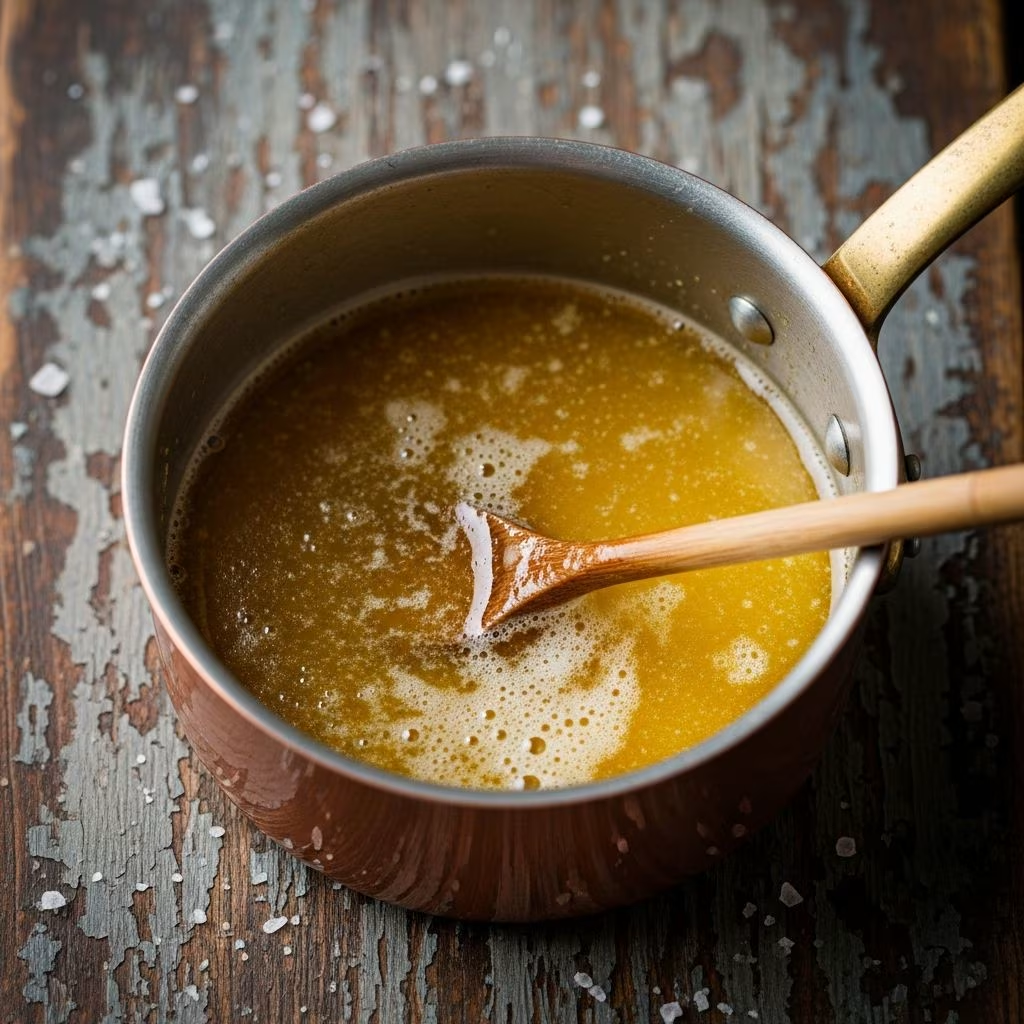
Key stages include melting, simmering to remove moisture, foaming as solids separate, and browning when specks turn amber. The entire process takes 4-6 minutes on medium heat, demanding close attention to prevent scorching.
Essential Ingredients and Equipment
Start with high-quality butter—unsalted for control over seasoning, or salted if its flavor shines. Fresh sage leaves are classic, but thyme, basil, or rosemary work well. Add-ins like walnuts, garlic, or lemon zest enhance complexity.
- Butter: 4-8 tablespoons per serving, cubed for even melting.
- Herbs: 6-10 sage leaves or equivalent.
- Nuts: 1/4 cup chopped walnuts or hazelnuts, toasted in the butter.
- Acid: Lemon zest or balsamic vinegar to balance richness.
- Cheese: Parmigiano-Reggiano for pasta finishes.
Use a light-colored skillet (stainless steel or white ceramic) to monitor color changes—dark pans hide progress. A wide pan promotes even cooking; avoid non-stick if possible for better visibility.
Step-by-Step Guide to Perfection
- Prepare: Cube cold butter. Pat herbs dry to prevent splattering.
- Melt: Place butter in skillet over medium heat. It melts, then sizzles as water evaporates.
- Add aromatics: Once sizzling, introduce sage or nuts. Swirl gently—do not stir aggressively to preserve foam.
- Monitor browning: Crackling quiets, foam forms. Peek under by swirling; aim for golden specks, nutty aroma (3-5 minutes).
- Finish: Remove from heat immediately. Residual heat continues cooking. Stir in zest, garlic, or vinegar off-heat.
- Combine: Toss with drained pasta (reserve water), using starch to emulsify.
For pasta, undercook slightly, then finish in sauce with pasta water for silky texture.
Pro Tips to Avoid Common Mistakes
- Heat control: Start medium, lower if bubbling too fast. Low-and-slow ensures even results.
- Swirl, don’t stir: Maintains foam integrity for even browning.
- Color check: Golden brown good; dark brown or black means burnt—start over.
- Pan choice: Light surfaces reveal milk solids clearly.
- Pasta handling: Shake off excess water before saucing to keep crisps intact.
| Stage | What to Watch | Action |
|---|---|---|
| Melting | Clear liquid | Let sizzle |
| Simmering | Large bubbles, crackling | Add herbs/nuts |
| Foaming | Thick foam | Swirl to peek |
| Browning | Golden specks, nutty smell | Remove from heat |
Creative Variations for Every Meal
Adapt brown butter beyond pasta classics.
- Nutty Walnut Sage: Toast walnuts with sage for crunch on ravioli.
- Garlic Thyme: Mince garlic, add late with thyme and balsamic.
- Lemon Basil: Zest lemon over basil-infused butter for fish or veggies.
- Spicy Chili: Infuse with red pepper flakes for gnocchi kick.
- Hazelnut Rosemary: Swap for autumn squash ravioli.
For proteins: Drizzle over grilled chicken, steak, or seared scallops. Pairs excellently with roasted Brussels sprouts or asparagus.
Pairing with Pasta and Beyond
Ideal for stuffed pastas like tortellini or agnolotti—rich filling balances sauce simplicity. Short shapes like penne or orecchiette capture sauce well. Fresh or dried works; reserve water for emulsification.
Vegetarian boost: Add spinach or mushrooms. Seafood ravioli with lemon zest shines. Scale up for 4 servings: 1/2 cup butter serves generously.
Storage and Make-Ahead Strategies
Best fresh, but refrigerate browned butter up to 5 days or freeze 3 months. Reheat gently; solids may separate—whisk to recombine. Prepare herbs separately to maintain crispness.
Clarified version (ghee-like) stores longer without browning fully first.
Nutritional Snapshot and Dietary Notes
Primarily fat: 100 calories per tablespoon butter. Use sparingly or grass-fed for better fats. Vegan alternative: Plant-based butters brown similarly but may lack depth. Gluten-free with appropriate pasta.
Frequently Asked Questions
Can I use salted butter?
Yes, but taste before adding salt—adjust accordingly.
What if I burn the butter?
Start over; burnt imparts bitterness. Practice on small batches.
Is brown butter the same as ghee?
No—ghee removes solids entirely; brown butter toasts them.
How do I know it’s ready by smell?
Nutty, like hazelnuts or toffee—not acrid.
Can I make it dairy-free?
Try coconut oil or vegan butter, but flavor differs.
Quick Reference Recipe Card
| Ingredient | Amount (2 servings) |
|---|---|
| Unsalted butter | 6 tbsp |
| Sage leaves | 8 |
| Walnuts (opt.) | 1/4 cup |
| Lemon zest | 1 tsp |
| Pasta water | 1/4 cup |
Serves 2. Time: 10 minutes.
References
- 10 minute brown butter sauce for pasta — The Burnt Butter Table. 2023. https://www.theburntbuttertable.com/10-minute-sage-butter/
- Brown Butter Sauce with Sage and Walnuts — Most Hungry. 2022. https://mosthungry.com/brown-butter-sauce-with-sage-and-walnuts/
- Basic Brown Butter Sauce — Real California Milk. 2024. https://www.realcaliforniamilk.com/recipe/basic-brown-butter-sauce
- The Essential Brown Butter Pasta Sauce Guide — Josie and Nina. 2023. https://josieandnina.com/brown-butter-pasta-sauce/
- Brown Butter & Sage Pasta Sauce Recipe — Stephen La Rosa (YouTube). 2023. https://www.youtube.com/watch?v=4pOFfU7rOPk