Berbere represents one of the most essential flavor foundations in East African cooking, particularly within Ethiopian and Eritrean culinary traditions. The name itself, pronounced “behr-beh-ray,” derives from Amharic and literally translates to “hot,” reflecting the spice blend’s characteristic warmth and intensity. This aromatic mixture serves as the backbone for countless traditional dishes, transforming simple ingredients into complex, deeply flavored meals that have been perfected over generations.
Creating berbere at home opens a gateway to understanding authentic Ethiopian cooking. Rather than relying on store-bought versions that may lack the freshness and personalization of homemade preparations, crafting your own blend allows you to adjust heat levels, emphasize particular aromatics, and develop a spice profile that resonates with your palate.
Understanding the Architecture of Berbere
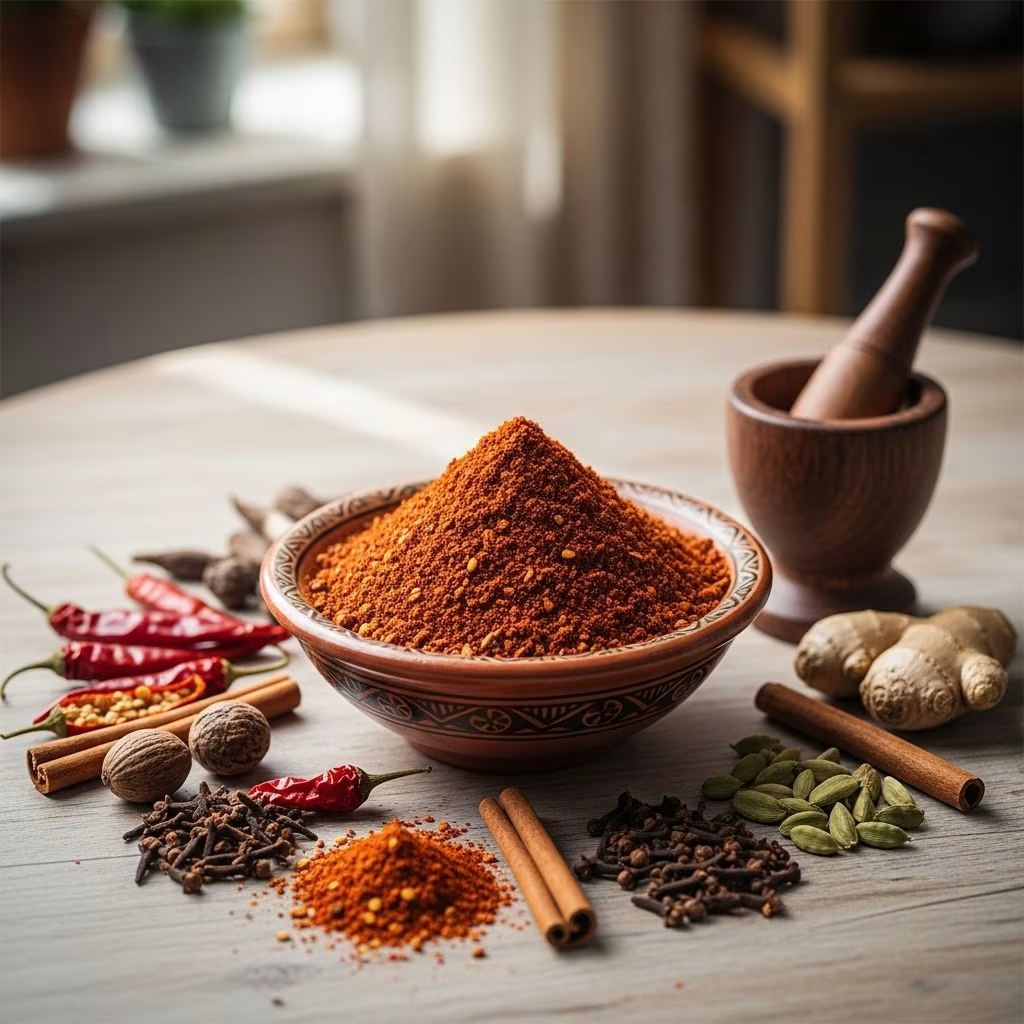
Berbere’s composition reflects centuries of culinary evolution, combining elements from various spice traditions across East Africa and beyond. The blend typically incorporates two distinct categories of components: whole spices that require toasting and grinding, and ground spices that can be combined directly. This dual-component approach creates layered complexity, with the toasting process activating and intensifying the natural oils within whole spices.
The flavor profile of berbere operates on multiple dimensions. Initial heat comes from dried chilies and cayenne pepper, followed by earthy warmth from fenugreek and cumin, then rounded out by sweet spice notes from cardamom and cinnamon. The interplay between these elements creates a sophisticated seasoning that doesn’t simply burn the palate but instead builds and sustains flavor.
Essential Components for Your Berbere Blend
Successfully preparing berbere begins with sourcing quality ingredients. While family recipes vary considerably, certain foundational elements appear consistently across authentic versions. Understanding each component’s role helps you make informed decisions about quantities and substitutions.
Whole Spices Requiring Toasting
The toasting phase represents a critical step in berbere preparation, as it develops deeper flavors and creates aromatic compounds that ground spices alone cannot provide. The following whole spices form the traditional foundation:
- Coriander seeds – Contribute a subtle citrus and floral quality that balances heat elements
- Cumin seeds – Deliver earthiness and warmth that ground cumin cannot replicate
- Fenugreek seeds – Impart a maple-like sweetness with slight bitterness
- Cardamom pods – Provide cooling, slightly minty undertones that temper spiciness
- Black peppercorns – Add sharp bite and complexity beyond pre-ground pepper
- Cloves – Bring warmth and subtle sweetness when used sparingly
- Allspice berries – Combine cinnamon, clove, and nutmeg notes in single berries
- Dried chilies – Form the foundation of heat; varieties affect intensity and flavor characteristics
Ground Spices for Direct Incorporation
Ground spices offer convenience and ensure even distribution throughout the blend. These components complement the toasted whole spices and shouldn’t be heated excessively, as ground spices burn more readily than whole versions:
- Paprika – Sweet varieties provide color and mild pepper flavor; smoked versions add complexity
- Turmeric – Contributes earthy, slightly bitter notes and golden hue
- Garlic powder – Delivers savory depth without fresh garlic’s moisture content
- Ground ginger – Adds warmth and subtle peppery character
- Cinnamon – Provides sweet warmth that balances heat elements
- Nutmeg – Delivers subtle sweetness when used judiciously to avoid overwhelming other flavors
- Optional additions – Onion powder, dried basil, cayenne pepper, and white pepper enhance customization
Step-by-Step Preparation Process
Toasting Whole Spices
The toasting phase determines whether your berbere achieves its characteristic depth or tastes flat and underdeveloped. Begin by selecting a heavy-bottomed skillet or shallow pan, as this ensures even heat distribution and reduces scorching risk. Place the skillet over medium heat—avoid high heat, which burns spices rather than toasting them.
Add all whole spices simultaneously and maintain constant motion through the pan, either by tilting it back and forth or stirring with a wooden spoon. The entire process should require only three to five minutes. You’ll recognize completion when the spices become noticeably fragrant and release their aromatic oils—a moment that arrives suddenly and dramatically. Remove the pan from heat immediately upon achieving this stage, as residual heat continues cooking spices even after flame removal.
Allow toasted spices to cool completely on a clean plate or bowl before proceeding to grinding. This cooling period halts the cooking process and makes the spices easier to handle and process.
Grinding the Toasted Mixture
Transfer cooled whole spices to a dedicated spice grinder, coffee grinder, or high-powered blender. Working in batches if your equipment has limited capacity ensures thorough grinding and consistent particle size throughout the blend. Process until the mixture achieves a fine powder rather than retaining any visible seed pieces.
Some practitioners prefer maintaining slightly coarser textures within their berbere, as this preserves aromatic volatile oils that extremely fine grinding might diminish. Experiment with your equipment and preferences to discover your optimal consistency.
Combining All Components
Transfer the ground whole spice mixture to a mixing bowl and incorporate all ground spices. Stir thoroughly and repeatedly to ensure even distribution, as ground spices settle and concentrate at different rates. The resulting blend should display relatively uniform coloration and texture, though some variation in the finished product is normal and acceptable.
Customization and Personal Variations
One of berbere’s greatest strengths lies in its flexibility and capacity for personal expression. Traditional Ethiopian families often maintained distinct family recipes, with grandmothers carefully guarding their particular proportions and sometimes including regional ingredients unavailable elsewhere. Modern home cooks can similarly adjust their berbere to reflect personal preferences and available ingredients.
Heat Level Adjustments
The quantity of dried chilies directly impacts spiciness. Begin with modest amounts and increase gradually during subsequent batches until achieving your preferred intensity. Removing seeds and membranes from dried chilies before toasting reduces heat significantly while maintaining flavor.
Spice Intensity Modifications
Those preferring milder blends might reduce paprika quantity or incorporate additional cardamom pods for sweetness that balances heat. Conversely, heat-lovers can increase cayenne pepper, add additional chili varieties, or incorporate extra black peppercorns. Some variations include optional additions such as curry powder, dried rosemary, nigella seeds, or holy basil (beso bela).
Storage and Preservation
Properly stored berbere maintains peak quality and flavor for extended periods. Immediately after grinding and combining all components, transfer the finished blend into clean, completely dry, airtight containers. Glass jars with tight-fitting lids prove ideal for long-term storage. Most recipes suggest a shelf life of six months in airtight containers, though freshly made blends deliver superior aroma and flavor during the first three months.
Store containers in cool, dark locations away from direct sunlight, which degrades spice quality and causes color fading. Avoid areas near heat sources such as stoves or warming appliances, as temperature fluctuations compromise spice integrity.
Frequently Asked Questions
Can I purchase pre-ground spices instead of whole spices?
Yes, though whole spices generally provide superior flavor. If using pre-ground versions, eliminate the toasting phase but maintain the same final quantities and mixing procedure. Understand that pre-ground blends may have already lost volatile aromatics through processing and storage.
What if I don’t have a spice grinder?
A dedicated coffee grinder serves as an excellent alternative. Dedicated equipment prevents cross-contamination of spice flavors into coffee. Alternatively, a mortar and pestle provides a lower-tech solution, though grinding considerable quantities proves more labor-intensive.
Can berbere be made in larger batches?
Absolutely. Simply multiply ingredient quantities proportionally. Maintain the same toasting and grinding procedures, working in smaller batches if your equipment capacity requires it. Store excess in multiple airtight containers rather than one large volume, as this reduces exposure to air each time you access the spice blend.
What dishes showcase berbere effectively?
Berbere functions as an essential ingredient in numerous Ethiopian and Eritrean preparations. Injera-based stews, lentil dishes, chickpea preparations, and meat-based dishes all benefit from berbere’s complex heat and depth. The spice blend also enhances soups, roasted vegetables, and grain-based preparations.
The Culinary Journey Begins
Creating homemade berbere represents more than simply combining spices; it constitutes participation in a centuries-old culinary tradition that connects contemporary cooks with Ethiopian and Eritrean heritage. The aroma released during toasting, the meditative act of blending, and the satisfaction of using self-created seasoning in finished dishes all contribute to a deeper engagement with cooking itself.
Whether you approach berbere preparation as a practical endeavor to eliminate dependence on store-bought versions or as a gateway to exploring East African cuisine more broadly, the investment in creating your own blend pays dividends in flavor, freshness, and personal satisfaction. Begin with the basic recipe, taste your results, adjust proportions based on preferences, and gradually develop your personal signature berbere that reflects your culinary values and palate.
References
- How to make an Authentic Berbere Spice Blend — YouTube. Accessed April 2026. https://www.youtube.com/watch?v=yLKuKhf8kyU
- Homemade Berbere Spice — African Bites. Accessed April 2026. https://www.africanbites.com/berbere-spice/
- Berbere Spice Blend — Chef Marcus Samuelsson. Accessed April 2026. https://marcussamuelsson.com/recipe/berbere-spice-blends
- Berbere Recipe (Ethiopian Spice Mixture) — Diversivore. Accessed April 2026. https://www.diversivore.com/berbere/
- Berbere — Hapa Nom. Accessed April 2026. https://hapanom.com/berbere/
- Berbere (Ethiopian Spice Blend) — The Daring Gourmet. Accessed April 2026. https://www.daringgourmet.com/berbere-ethiopian-spice-blend/
- RECIPE: Marcus Samuelsson’s berbere spice mix — Herd Gastronomy. Accessed April 2026. https://herdgastronomy.com/recipes/recipe-marcus-samuelssons-berbere-spice-mix/