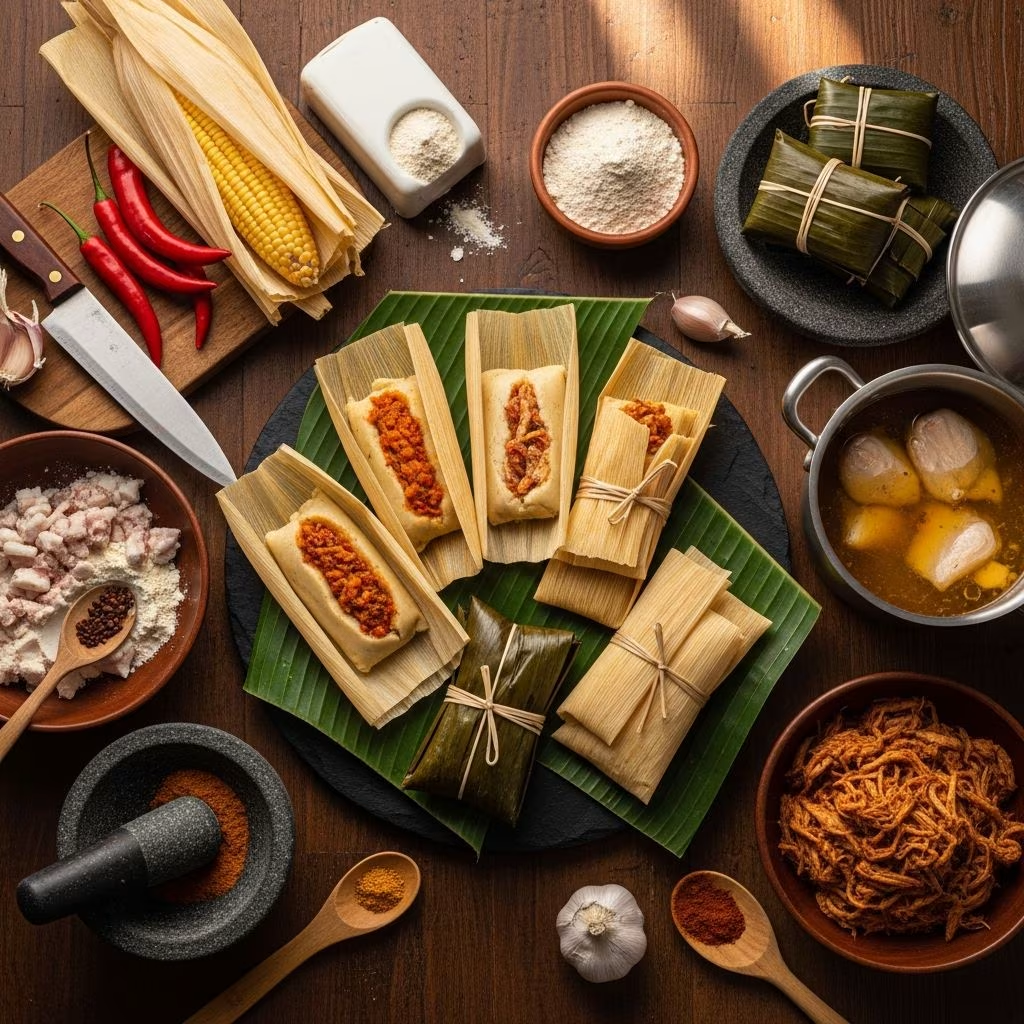
Tamales represent one of Mexico’s most cherished culinary traditions, combining expertly prepared dough with carefully seasoned fillings wrapped in softened corn husks. While the process may seem intimidating to novice cooks, understanding each stage transforms tamale-making from an overwhelming task into an enjoyable and rewarding cooking experience. This comprehensive guide walks through every essential step, from initial preparation through final steaming, enabling home cooks to produce authentic tamales that rival those from professional kitchens.
Understanding the Foundation: Corn Husks
The journey toward perfect tamales begins with proper preparation of corn husks, which serve as both the cooking vessel and edible wrapper. Dried corn husks, available in most grocery stores and specialty markets, require hydration before use. Placing husks in a bowl of very hot water allows them to absorb moisture and become pliable, a process typically requiring between 30 minutes to one hour depending on husk thickness and water temperature.
During soaking, husks transform from brittle, pale sheets into flexible, workable materials. Some cooks recommend setting aside several wider husks to serve as steamer base liners and ties for securing finished tamales. These utility husks protect the tamales from direct contact with steaming water and prevent them from falling through steamer racks. Before assembly begins, husks should be gently patted dry to remove excess surface moisture, which can create overly wet dough and affect cooking times.
Crafting the Perfect Masa Foundation
Masa—the heart of every tamale—requires careful preparation using specific proportions and techniques. The process begins by combining rendered lard with warm broth in a stand mixer or large bowl. Beating this mixture on medium-high speed for 4 to 6 minutes creates a pale, fluffy, and airy consistency that resembles whipped butter. This aeration step proves crucial, as it incorporates air pockets that contribute to the final tamale’s light, spongy texture.
Once the lard reaches proper consistency, dry ingredients including masa harina (masa flour), baking powder, and salt are whisked together in a separate bowl before being added to the wet mixture. The baking powder acts as a leavening agent, further contributing to the characteristic airy quality of properly made tamales. Traditional tamale recipes also frequently include cumin, which adds warmth and depth to the flavor profile.
Broth is then added gradually while the mixer continues running. Home cooks should add liquid slowly, allowing each addition to fully incorporate before adding more. The final dough should reach a consistency comparable to creamy peanut butter—soft enough to spread easily yet sturdy enough to hold its shape during assembly. A reliable test involves taking a small pinch of dough and dropping it into cold water; properly prepared masa should float or at least rise partway through the water, indicating sufficient air incorporation.
Exploring Filling Options and Flavor Profiles
While pork simmered in red chile sauce represents the most traditional tamale filling, countless variations allow creative cooks to customize their creations. The selection of filling profoundly impacts the final dish’s character, making this decision an important part of the preparation process.
Protein-Based Fillings
- Red chile pork: Pork shoulder simmered in a sauce created from dried guajillo and ancho chiles, garlic, cumin, and oregano until meat becomes tender enough to shred
- Salsa verde chicken: Cooked and shredded chicken combined with prepared salsa verde or fresh tomatillo-based sauce with cilantro and lime
- Beef with chile peppers: Braised beef mixed with roasted poblano peppers and cheese for a milder, creamier filling option
Vegetarian Alternatives
- Bean and cheese: Refried beans mixed with shredded cheese, creating a simple yet satisfying filling
- Cheese and poblano: Roasted poblano pepper strips combined with melted cheese for a classic rajas con queso preparation
- Vegetable medley: Sautéed zucchini, corn, and bell peppers with cheese for lighter, vegetable-forward tamales
Regardless of filling choice, approximately 3.5 to 4 cups of prepared filling supports a standard batch of tamale dough. Fillings should be fully prepared and cooled before assembly begins, allowing cooks to work efficiently during the more time-intensive assembly phase.
The Assembly Process: Precision and Technique
Successful tamale assembly requires establishing an organized workspace and developing a consistent methodology. Each soaked husk should be laid glossy-side up on a clean work surface with the wide end oriented toward the top. Approximately one-quarter cup of masa is spooned onto the upper-center portion of each husk.
Many experienced cooks employ a plastic wrap technique during spreading: placing a small sheet of plastic wrap over the dolloped dough enables even spreading using hand pressure without the masa adhering to fingers. The dough should be pressed into a thin, rectangular layer approximately one-quarter inch thick. Critically, the masa should remain concentrated in the upper half of the husk, leaving adequate space in the lower section for folding and securing.
Once the masa reaches the desired thickness and size, the plastic wrap is carefully removed. A tablespoon or so of filling is then placed in the center of the masa layer. The tamale is then folded by bringing the right side of the husk inward, followed by the left side, creating a packet that encloses both dough and filling. The pointed bottom section of the husk is folded upward and secured using one of the pre-cut husk strips set aside earlier.
Cooking Methods: From Stovetop to Modern Appliances
Multiple cooking approaches yield excellent results, each with distinct advantages regarding time investment and equipment requirements. The fundamental cooking method—steaming—remains consistent across approaches, with variations primarily concerning vessel selection and precise timing.
Traditional Stovetop Steaming
The stovetop method requires a large pot equipped with a steamer insert or rack. Water fills the pot to a level just below the steamer basket, typically between 2 to 3 cups. Several reserved corn husks line the steamer basket bottom, protecting tamales from direct water contact and preventing them from falling through gaps. Tamales are then stood upright with open ends facing upward, packed closely together for stability. After bringing water to a boil, heat is reduced to maintain a gentle simmer. Stovetop steaming typically requires 1 hour 45 minutes to 2 hours, with cooks periodically checking water levels and adding more as needed to maintain adequate steam production.
Instant Pot Acceleration
Pressure cookers, particularly the Instant Pot, significantly reduce cooking time while maintaining quality. Approximately one cup of water is added to the pressure cooker base, and the steamer rack is positioned inside. Tamales are arranged upright with the vent deliberately left open—this prevents pressure from building excessively while still circulating steam effectively. Instant Pot cooking typically requires 50 to 60 minutes, representing a substantial time saving compared to stovetop methods. Pre-heating the water on the sauté setting before switching to pressure cook mode optimizes results.
Temperature Verification
Regardless of cooking method, tamales achieve proper doneness when their internal temperature reaches between 158 to 168 degrees Fahrenheit (70 to 76 degrees Celsius). Using an instant-read thermometer ensures accuracy, particularly when preparing multiple batches that might cook unevenly.
Frequently Asked Questions
How far in advance can tamales be prepared?
Assembled but uncooked tamales refrigerate safely for up to two days. Fully cooked tamales freeze excellently for several months; simply reheat by steaming until warmed through, typically 20 to 30 minutes depending on batch size.
Can corn husks be reused?
Definitely. After use, husks can be rinsed, dried, and stored for future tamale-making sessions. They maintain quality for extended periods when kept in cool, dry conditions.
What causes dense, gummy tamales?
Insufficiently whipped lard, excessive broth addition, or inadequate steaming time produces undesirable texture. Proper aeration of lard and gradual broth incorporation prevent most texture problems.
Are there gluten-free options?
Yes. Masa harina, the ground corn flour used in traditional tamales, is naturally gluten-free, making tamales an excellent choice for those requiring gluten avoidance.
How many tamales does one batch produce?
A standard batch of tamale dough typically yields 50 to 60 tamales, depending on dough portion size. Using approximately one-quarter cup of dough per tamale is standard.
Pro Tips for Tamale-Making Success
Organization significantly impacts the tamale-making experience. Setting up an assembly line with soaked husks on one side, dough and filling in the center, and a container for finished tamales on the other streamlines the process. Working with a partner makes assembly considerably more efficient and enjoyable, with one person spreading dough while another adds filling and folds.
Temperature management throughout preparation ensures optimal results. Keeping masa covered with a damp paper towel prevents drying during extended assembly sessions. Fillings should cool completely before assembly to prevent the dough from becoming too warm and difficult to work with.
Experimentation with spice levels, filling ingredients, and presentation styles encourages creativity while maintaining respect for traditional preparations. Many families develop signature variations passed through generations, transforming tamale-making into a meaningful cultural and culinary practice.
References
- Authentic Tamales Recipe — Tastes Better From Scratch. Accessed April 8, 2026. https://tastesbetterfromscratch.com/mexican-tamales/
- Best Easy & Authentic Tamales Recipe — Joshua Weissman. Accessed April 8, 2026. https://www.joshuaweissman.com/recipes/best-easy-authentic-tamales-recipe
- Homemade Tamales: Hot, Delicious, Properly Cooked — ThermoWorks. Accessed April 8, 2026. https://blog.thermoworks.com/homemade-tamales/
- Red Pork Tamales (Tamales Rojos) — Gimme Some Oven. Accessed April 8, 2026. https://www.gimmesomeoven.com/how-to-make-tamales/
- Authentic Mexican Tamales — Isabel Eats. Accessed April 8, 2026. https://www.isabeleats.com/pork-tamales/