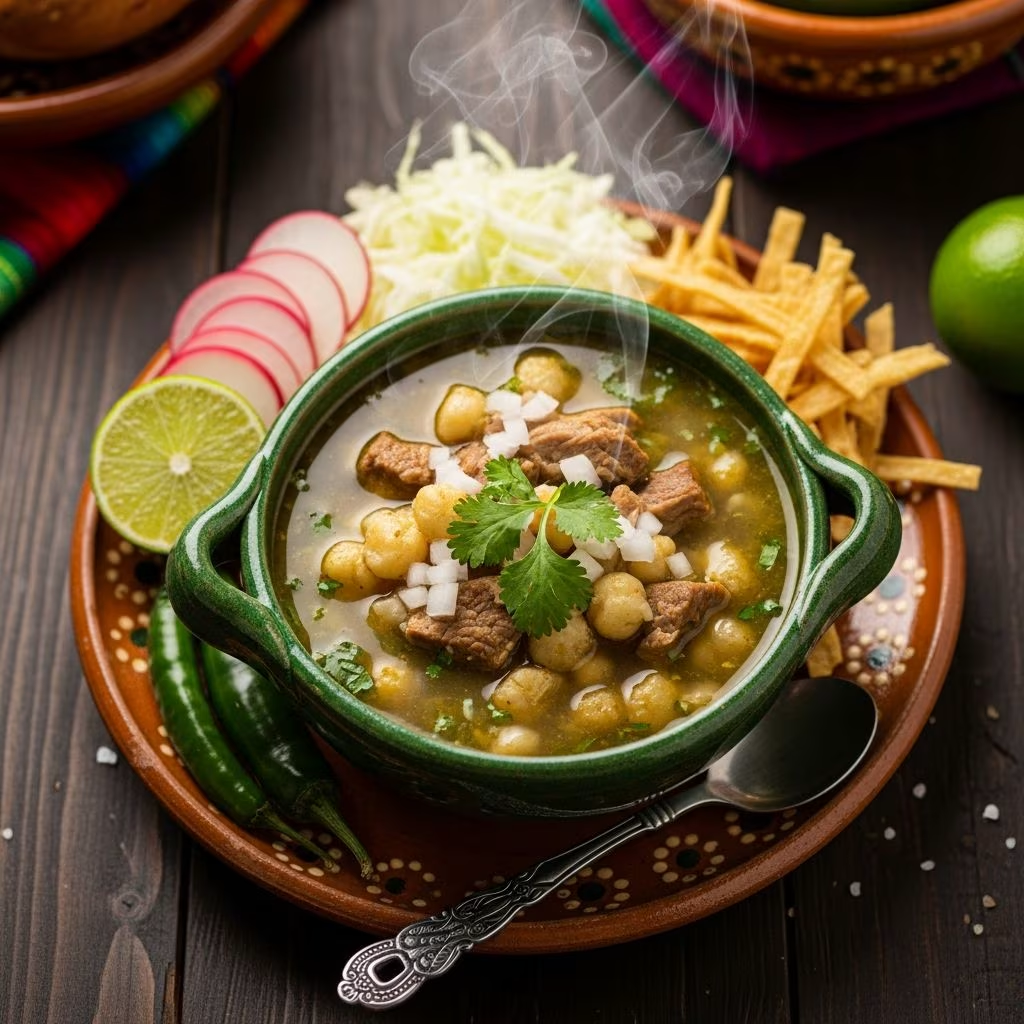
Pozole verde represents one of Mexico’s most beloved culinary traditions, offering warmth, comfort, and authentic flavors in every spoonful. This vibrant green stew combines tender protein, hominy kernels, and a silky sauce crafted from fresh tomatillos and aromatic peppers. Whether you’re seeking to recreate family recipes or explore Mexican cuisine for the first time, understanding the fundamentals of pozole verde preparation will elevate your cooking repertoire.
Understanding the Foundation of Pozole Verde
Pozole verde’s distinctive character emerges from its base ingredients working in harmony. The dish centers on a protein foundation—traditionally chicken or pork—combined with hominy, which provides substantial texture and earthy undertones. The signature green sauce derives from carefully selected vegetables that are cooked, blended, and integrated into a flavorful broth. The interplay between tomatillos’ bright acidity, peppers’ warmth, and cilantro’s fresh notes creates complexity that develops as the stew simmers.
The cooking process involves distinct stages, each contributing to the final flavor profile. Initial protein cooking establishes the broth foundation, while subsequent blending of cooked vegetables creates the characteristic green sauce. This layered approach ensures balanced seasoning and texture development throughout preparation.
Essential Ingredients and Their Roles
Protein Selection and Preparation
Chicken thighs stand out as the preferred protein choice for pozole verde, offering superior flavor and moisture retention compared to breast meat. Thighs contain higher fat content that dissolves into the broth during extended cooking, enriching the overall dish. For those preferring pork, butt cuts or feet provide deep, savory notes that complement the verde sauce beautifully. Bone-in varieties contribute additional gelatin and flavor complexity to the cooking liquid.
The Tomatillo Foundation
Fresh tomatillos form the Verde sauce’s backbone, delivering bright, slightly tart flavors that balance richer broth elements. These green fruits must be husked, rinsed thoroughly, and roasted before blending to develop deeper, more nuanced flavor notes. Roasting concentrates natural sugars and introduces subtle smokiness that elevates the sauce beyond raw vegetable preparations.
Pepper Varieties and Heat Management
Different pepper types contribute varying heat levels and flavor profiles to pozole verde. Poblano peppers provide mild heat with earthy sweetness, while jalapeños introduce sharper spice that can be modulated by seed removal. Serrano peppers deliver more intense heat for those preferring bolder flavors. Green chiles offer concentrated pepper flavor with manageable heat levels suitable for various spice preferences.
Aromatic Components
Onions and garlic create the aromatic base that permeates the entire dish. Rather than simply adding raw aromatics, broiling or roasting these vegetables before blending intensifies their natural sweetness and creates more complex flavor development. This step distinguishes sophisticated pozole verde preparations from basic versions.
Herbs and Seasonings
Mexican oregano provides essential flavor that regular oregano cannot replicate, offering lighter, more nuanced notes that won’t overpower delicate verde sauce components. Cumin contributes warmth and earthiness that grounds the bright vegetable flavors. Bay leaves, cilantro, and fresh lime juice round out the seasoning profile with their distinct contributions.
Hominy: The Signature Starch
Canned white hominy simplifies preparation while maintaining authentic texture and flavor. These pre-cooked corn kernels absorb surrounding broth flavors while providing substantial, satisfying texture throughout the dish. The slight sweetness of hominy balances acidic tomatillos and savory broth components.
Primary Cooking Method: Stovetop Preparation
Initial Protein and Broth Development
Begin by combining chicken thighs, roughly chopped onion, smashed garlic cloves, and quality broth in a large Dutch oven or heavy-bottomed pot. Bring this mixture to a vigorous boil over high heat, then immediately reduce to low temperature. Partially cover the pot and allow the chicken to simmer gently for approximately 40 minutes until meat becomes fall-apart tender. This extended, gentle cooking prevents toughening while allowing collagen conversion to gelatin that enriches the broth.
Sauce Preparation and Integration
Once chicken reaches optimal tenderness, carefully remove it to a cutting board for shredding. Using two forks, systematically shred the cooled meat into bite-sized pieces. Meanwhile, transfer the cooked tomatillos, onions, jalapeños, and garlic to a blender using a slotted spoon to avoid excess liquid. Add approximately one cup of the reserved cooking liquid along with fresh cilantro and blend until completely smooth, creating the verde sauce base.
Return the blended sauce to the pot along with shredded chicken and drained hominy. Stir thoroughly to distribute sauce evenly throughout, then increase heat to medium-high and simmer uncovered for an additional 15 minutes. This final cooking stage allows flavors to meld while liquid reduces slightly, concentrating the overall taste profile.
Alternative Cooking Methods for Modern Convenience
Slow Cooker Adaptation
For hands-off preparation, combine all initial ingredients—chicken, broth, vegetables, and seasonings—directly in a slow cooker. Cook on the LOW setting for five to six hours or alternatively on HIGH for three to four hours. After cooking time elapses, remove and shred the chicken, then prepare the verde sauce using the blender method. Return all components to the slow cooker with hominy and cook on HIGH for an additional 15 minutes before serving.
Instant Pot Method
Pressure cooking dramatically reduces preparation time while maintaining authentic flavors. Add all base ingredients to the Instant Pot, seal the lid, and cook on manual high pressure for 15 minutes. Use quick release to depressurize immediately, then proceed with chicken shredding and verde sauce preparation as previously described. Transfer the finished sauce back to the pot, switch to Sauté mode, and simmer uncovered for ten minutes to meld flavors.
Accommodating Dietary Preferences and Restrictions
Vegetarian and Vegan Variations
Pozole verde adapts beautifully to plant-based diets through simple ingredient substitutions. Replace chicken with two cups of diced zucchini, potatoes, mushrooms, or other hearty vegetables that maintain texture through extended cooking. Substitute chicken broth with vegetable broth containing equivalent seasoning. Follow the standard cooking methodology, adjusting timing based on vegetable choices—most vegetables require approximately 30 minutes of simmering until tender.
Heat Level Customization
Control spice intensity by adjusting pepper selection and seed removal. For mild preparations, remove seeds from all peppers before cooking. For medium heat, include some seeds. For fiery versions, incorporate additional peppers or use serrano varieties instead of milder options.
Ingredient Quality and Sourcing Guidance
Authentic Mexican oregano significantly impacts final dish quality and should be sourced from Hispanic grocery stores or reliable online retailers. Fresh tomatillos deliver superior flavor compared to canned alternatives, though frozen tomatillos work adequately during off-seasons. Homemade chicken broth or high-quality store-bought versions containing minimal additives enhance the overall result.
Fresh herbs—cilantro in particular—should appear vibrant green without browning. Bay leaves should retain aromatic strength, and garlic should be firm and pungent. These quality markers indicate ingredients will contribute maximum flavor development to your pozole verde.
Flavor Balancing and Seasoning Techniques
Pozole verde’s flavor balance depends on harmonizing several competing taste profiles. Tomatillos contribute acidity that brightens the dish but requires counterbalance from broth’s savory depth and hominy’s subtle sweetness. Salt plays a crucial role, bringing forward all other flavors while allowing each component to shine distinctly. Begin with kosher salt, adjusting gradually while tasting throughout preparation.
Lime juice added at the end brightens the entire composition without overpowering existing flavors. Fresh cilantro sprinkled as garnish provides aromatic complexity that complements rather than dominates. These finishing elements transform adequate pozole verde into exceptional preparations worthy of celebration.
Serving Traditions and Topping Options
Traditional pozole verde presentation involves ladling the stew into wide bowls, then allowing diners to customize with preferred toppings. Common accompaniments include freshly chopped white onion, cilantro sprigs, lime wedges, and crispy tortilla chips. Radish slices provide peppery crunch, while avocado adds creamy richness. These toppings create textural variety and allow individual flavor preference expression.
Serve alongside warm corn tortillas, tostadas, or crusty bread for soaking up the flavorful broth. Mexican beer or refreshing agua fresca complement the dish perfectly, balancing the stew’s richness with lighter beverage elements.
Storage and Make-Ahead Strategies
Pozole verde improves as flavors develop and meld over time, making it excellent for meal preparation and freezing. Store cooled stew in airtight containers refrigerated for up to four days or frozen for three months. When reheating, thaw overnight in the refrigerator, then warm gently on the stovetop, adding additional broth if liquid has reduced excessively. Prepare verde sauce fresh rather than freezing for optimal flavor and texture preservation.
Frequently Asked Questions
Can I prepare pozole verde without a blender?
While a blender creates the smoothest sauce, immersion blenders work adequately, or simply mash cooked vegetables thoroughly with a potato masher for a chunkier texture variation.
What distinguishes pozole verde from pozole rojo?
Pozole rojo features red chile-based sauce providing deeper, earthier flavors, while pozole verde emphasizes bright tomatillo and cilantro notes creating lighter, fresher profiles.
Can dried tomatillos substitute for fresh?
Fresh or frozen tomatillos deliver superior results, though dried versions work in emergency situations. Rehydrate dried tomatillos before blending and adjust seasoning accordingly.
Is bone-in or boneless chicken preferable?
Bone-in chicken contributes additional flavor through marrow and collagen release, though boneless thighs offer convenience while maintaining excellent taste profiles.
How far in advance can I prepare components?
Prepare verde sauce up to two days ahead, storing separately from broth and protein. Combine shortly before serving for optimal texture and flavor integrity.
References
- Chicken Pozole Verde Recipe — Isabel Eats. Accessed April 10, 2026. https://www.isabeleats.com/chicken-pozole-verde/
- Chicken Pozole Verde — Skinnytaste. Accessed April 10, 2026. https://www.skinnytaste.com/chicken-pozole-verde/
- Green Chicken Pozole Family Recipe — Familia Kitchen. Accessed April 10, 2026. https://familiakitchen.com/anjies-green-chile-chicken-pozole/