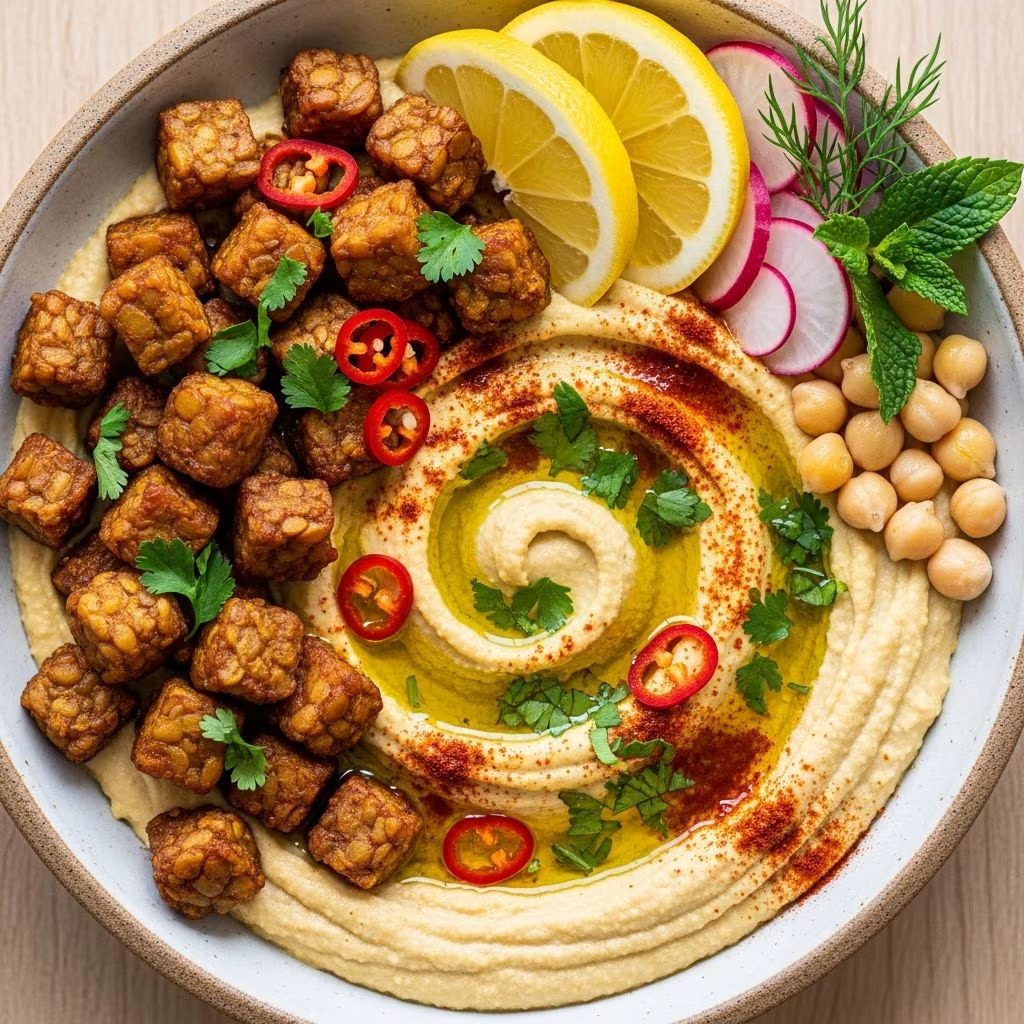
Spiced tempeh hummus bowls offer a captivating fusion of creamy, crunchy, and savory elements, making them an ideal choice for anyone embracing plant-based eating. This dish reimagines traditional Middle Eastern-inspired toppings by swapping meat for nutrient-dense tempeh, seasoned boldly to mimic merguez sausage flavors. With smooth hummus as the base, crisp vegetables for freshness, and seared tempeh for heartiness, these bowls deliver balanced nutrition and bold taste in every bite.
The Rise of Plant-Based Bowls in Modern Cuisine
Plant-based bowls have surged in popularity, driven by health-conscious diners seeking versatile, nutrient-packed meals. These compositions layer complementary textures and flavors, promoting satiety without animal products. Tempeh, a fermented soy product originating from Indonesia, stands out for its firm texture and protein content, making it perfect for crumbling and spicing like ground meat. When paired with hummus—a staple chickpea dip enriched with tahini and garlic—the result is a meal that’s both comforting and invigorating.
Health organizations highlight the benefits of such dishes: legumes like chickpeas and soy provide fiber, protein, and antioxidants, supporting digestive health and stable blood sugar levels. According to the United States Department of Agriculture (USDA), incorporating more plant proteins can reduce chronic disease risk while promoting weight management.
Essential Ingredients for Authentic Flavor
Building these bowls starts with high-quality staples. Here’s a breakdown of key components:
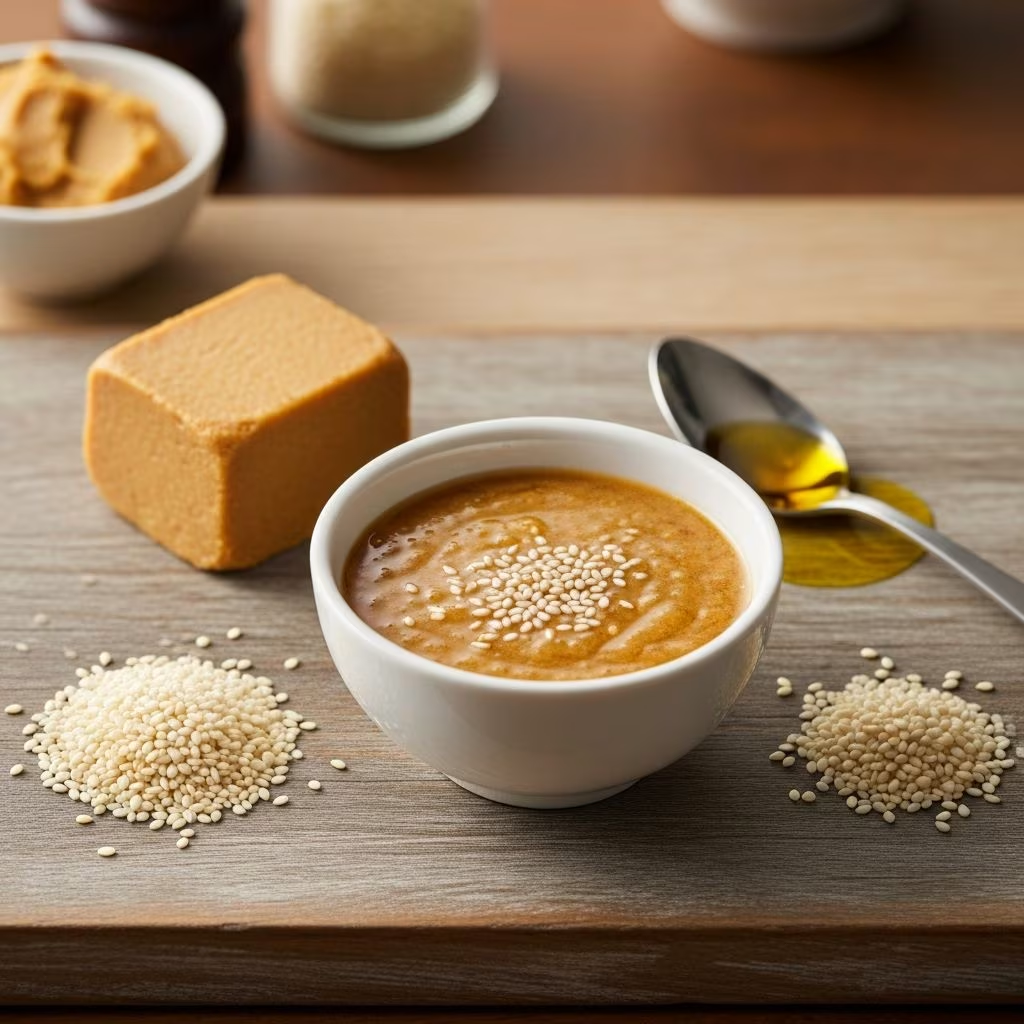
- Hummus Base: Opt for store-bought or homemade versions using chickpeas, tahini, lemon juice, garlic, and cumin for creaminess.
- Tempeh: An 8-16 oz block, crumbled for a mince-like texture that absorbs spices well.
- Vegetables: Diced cucumbers, tomatoes, fennel, red onions, or bell peppers for crunch and juiciness.
- Herbs and Spices: Parsley, dill, cumin, paprika, coriander, cinnamon, allspice, cayenne, and nutmeg to evoke merguez warmth.
- Liquids and Binders: Lemon juice, soy sauce, ketchup or tomato paste, and olive oil for moisture and depth.
These ingredients create a symphony of flavors: earthy tempeh, tangy veggies, and aromatic spices atop velvety hummus.
Step-by-Step Recipe Guide
Prepare this dish in under 45 minutes for 2-4 servings. Adjust spices for heat preference.
Prepare the Tempeh Marinade
- Crumble 8-12 oz tempeh by hand or pulsing in a food processor until it resembles coarse ground meat.
- In a bowl, whisk 1.5 tbsp ketchup (or tomato paste), 1 tbsp lemon juice, 1 tsp each cumin and paprika, ¼ tsp salt, and ⅛ tsp cayenne. For a Lebanese twist, add ½ tsp each coriander, nutmeg, cinnamon, and allspice, plus 1 tbsp dark soy sauce.
- Toss tempeh in the mixture and let marinate 10-15 minutes while prepping veggies.
Make the Fresh Vegetable Relish
Combine ½ cup diced tomatoes (or cherry halves), ¾ cup diced cucumber (seedless preferred), ¼ cup finely chopped red onion, and 2 tbsp minced parsley or dill. Drizzle with extra lemon juice and a pinch of salt. This adds brightness and contrasts the rich tempeh.
Cook the Spiced Tempeh
- Heat 2-3 tbsp olive oil in a skillet over medium-high until shimmering.
- Add marinated tempeh, spreading evenly. Sear without stirring for 3-4 minutes to develop a golden crust, then stir occasionally for 5-7 minutes until browned and fragrant.
Assemble the Bowls
Spread ½-1 cup hummus per bowl. Top with hot tempeh, vegetable relish, and optional garnishes like toasted pine nuts, olive oil drizzle, or pomegranate seeds. Serve warm with pita, flatbread, or greens.
Nutritional Profile and Health Benefits
One serving (about 1 bowl) typically provides:
| Nutrient | Amount per Serving | % Daily Value* |
|---|---|---|
| Calories | 450-550 | 22-27% |
| Protein | 20-25g | 40-50% |
| Fiber | 10-12g | 35-43% |
| Healthy Fats | 25-30g | 32-38% |
| Iron | 4-5mg | 22-28% |
The World Health Organization (WHO) notes that soy products like tempeh offer complete proteins comparable to meat, aiding muscle repair. Chickpeas contribute prebiotics for gut health, while spices like cumin provide anti-inflammatory compounds. This makes the bowl suitable for vegan, gluten-free (check labels), and low-carb diets.
Customizations and Variations
Adapt to preferences or pantry items:
- Heat Levels: Increase cayenne or add harissa for fire; omit for mild.
- Protein Swaps: Use lentils, walnuts, or vegan mince if tempeh unavailable.
- Veggie Twists: Swap fennel for radishes, add roasted eggplant, or pickled onions.
- Hummus Flavors: Roasted red pepper, garlic, or beet for color and taste.
- Global Inspirations: Mexican with chipotle tempeh and avocado; Indian with garam masala and yogurt alternative.
For meal prep, store components separately up to 4 days; assemble fresh to maintain crunch.
Expert Tips for Perfection
- Texture Mastery: Press tempeh gently when crumbling to avoid mushiness; sear hot for crisp edges.
- Hummus Smoothness: Peel chickpea skins and use ice cubes in blending for ultra-creamy results.
- Flavor Balance: Taste marinade before adding tempeh; adjust acid with more lemon if needed.
- Scaling Up: Double recipe for crowds; tempeh reheats well in a dry skillet.
Pair with herbal teas or sparkling water infused with cucumber for a complete experience.
Frequently Asked Questions (FAQs)
What is tempeh, and why use it here?
Tempeh is fermented soybeans pressed into a firm cake, offering a nutty flavor and chewy texture ideal for meat substitutes. It absorbs spices exceptionally well, mimicking ground lamb in traditional hummus bowls.
Can I make this gluten-free?
Yes—use tamari instead of soy sauce and ensure hummus and tempeh are certified gluten-free.
How do I store leftovers?
Refrigerate components separately in airtight containers for 3-5 days. Reheat tempeh gently to preserve texture.
Is this recipe nut-free?
Base is nut-free, but tahini (sesame) is common in hummus. Swap for sunflower seed butter if needed.
What’s the best way to crumble tempeh?
Chop into chunks, then massage by hand over a bowl or pulse briefly in a processor for even, bite-sized pieces.
Pairing Suggestions and Serving Ideas
Serve as a light lunch, shared appetizer, or alongside falafel and tabbouleh for a mezze spread. For heartier meals, add quinoa or farro. Beverages like mint lemonade or non-alcoholic rosé complement the spices.
These bowls not only satisfy hunger but also inspire creativity in the kitchen, proving vegan cuisine can be indulgent and flavorful.
References
- Dietary Guidelines for Americans, 2020-2025 — United States Department of Agriculture (USDA). 2020-12-01. https://www.dietaryguidelines.gov/sites/default/files/2020-12/Dietary_Guidelines_for_Americans_2020-2025.pdf
- Plant-Based Diets and Health Outcomes — World Health Organization (WHO). 2023-05-15. https://www.who.int/news-room/fact-sheets/detail/healthy-diet
- Soy Protein and Isoflavone Health Claims — U.S. Food and Drug Administration (FDA). 1999-10-26 (authoritative standard). https://www.fda.gov/food/food-labeling-nutrition/soy-protein-and-isoavones-qualified-health-claim
- Fermented Foods and Gut Health — Harvard T.H. Chan School of Public Health. 2024-02-10. https://www.hsph.harvard.edu/nutritionsource/fermented-foods/
- Spice Compounds and Anti-Inflammatory Effects — National Institutes of Health (NIH), PubMed. 2022-08-17. https://pubmed.ncbi.nlm.nih.gov/35988872/