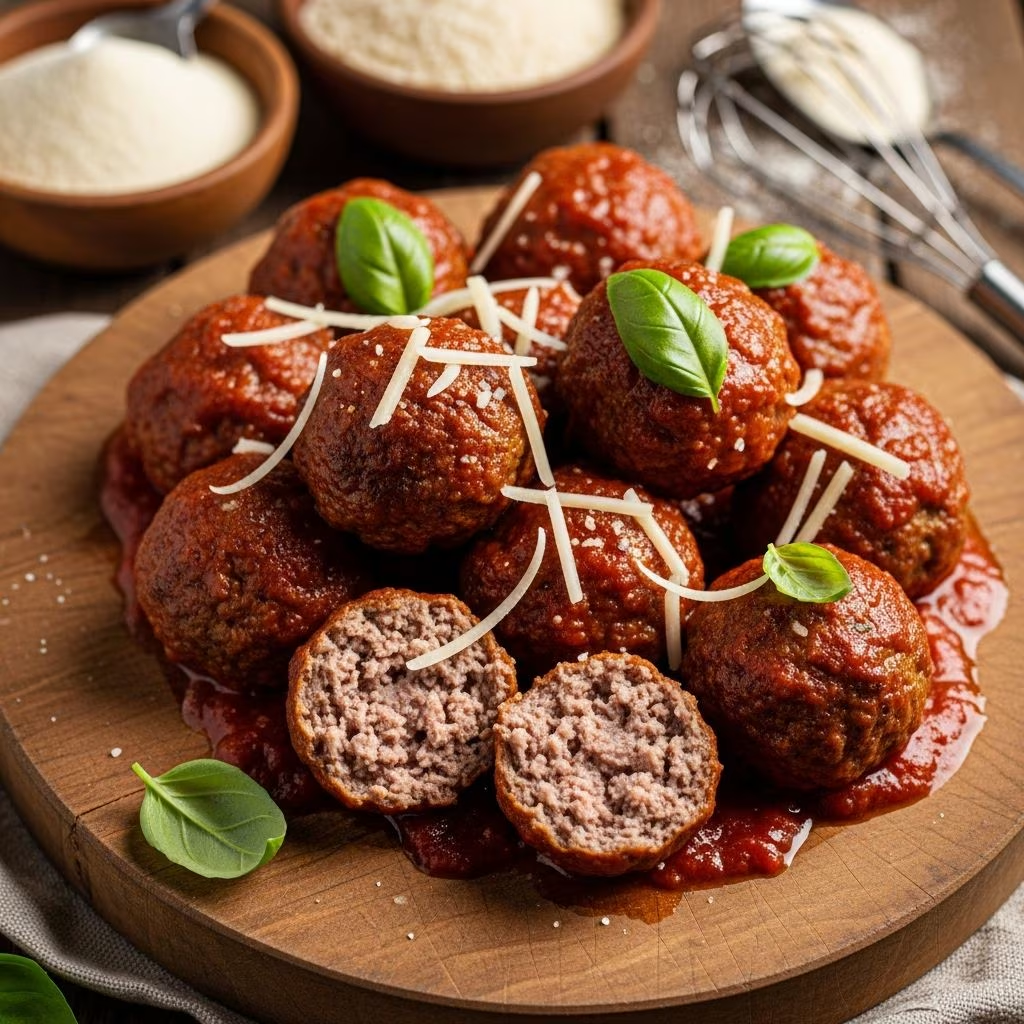
Creating exceptional Italian meatballs at home requires more than simply combining ingredients and applying heat. The process demands understanding how different components work together, selecting quality materials, and applying time-tested cooking methods that transform simple elements into a memorable dish. This comprehensive guide explores the science and art behind crafting meatballs that rival those served in traditional Italian restaurants.
Understanding the Foundation: Essential Ingredients Explained
The success of any meatball recipe begins with selecting the right components. Each ingredient serves a specific purpose in developing flavor, texture, and moisture retention.
Meat Selection and Proportions
The protein base typically combines multiple meat varieties to achieve optimal results. Ground beef with 80/20 lean-to-fat ratio provides richness and juiciness that pure lean meat cannot deliver. Many recipes incorporate ground pork alongside beef, creating a more complex flavor profile and improved texture. Some traditional approaches include ground veal as a third component, which adds refinement and tenderness to the final product.
The combination of different meats creates a synergistic effect where each variety contributes unique properties. Beef provides robust, savory notes, pork adds subtle sweetness and fat content that prevents dryness, while veal introduces delicate flavors that round out the overall taste experience. This multi-protein approach has become increasingly popular among home cooks seeking to replicate authentic results.
Breadcrumbs and Binding Agents
Breadcrumbs serve as more than mere filler in meatball preparation. When combined with liquid and eggs, they create what food scientists refer to as a panade—a paste-like substance that traps and holds moisture throughout the cooking process. This binding mechanism is fundamental to achieving juicy, tender meatballs rather than dense, dry spheres.
Italian-style breadcrumbs, already seasoned with herbs like parsley, basil, oregano, and garlic, offer convenience and consistent flavor development. Plain breadcrumbs provide more flexibility for cooks who prefer complete control over seasonings. Panko breadcrumbs, with their larger granules, create a slightly different texture compared to traditional varieties, offering alternatives for those seeking varied results.
Liquid additions—typically milk or water—activate the binding properties of breadcrumbs and eggs. The amount of liquid should be calibrated to achieve a mixture that holds together without becoming paste-like or difficult to work with. Too little liquid results in dry, crumbly meatballs, while excessive moisture creates a loose mixture that won’t maintain shape during cooking.
Cheese and Seasonings
Grated Parmesan cheese, preferably Parmigiano Reggiano, provides umami depth and salty notes that enhance overall flavor complexity. The cheese also contributes to browning through the Maillard reaction, creating golden exterior surfaces that add visual appeal and developed taste.
Fresh herbs including parsley, basil, and oregano introduce bright, authentic Italian character. Some recipes incorporate garlic paste created by mincing fresh garlic cloves, which distributes garlic flavor evenly throughout each meatball rather than creating irregular pockets of intensity. Salt and pepper require careful measurement—underseasoning results in bland results, while overseasoning makes the dish unpalatable.
Preparation Techniques: Building Flavor and Texture
Mixing Methods and Timing
The process of combining ingredients demands attention to detail. Using hands rather than mechanical mixers allows cooks to feel when the mixture reaches the ideal consistency and avoids overworking the meat, which can result in tough, compact meatballs. Gentle mixing ensures even distribution of breadcrumbs, eggs, cheese, and seasonings without compromising the final texture.
The sequence of ingredient addition affects outcome. Adding breadcrumbs early allows adequate time for liquid absorption before eggs and meat are incorporated, ensuring uniform moisture distribution. Seasonal ingredients should be added directly to the meat mixture rather than as final additions, promoting thorough flavor integration.
Sizing and Shaping
Consistent sizing ensures even cooking throughout a batch. Golf ball-sized meatballs, approximately two tablespoons or three ounces of mixture per piece, represent an ideal size that balances cooking time with ease of handling. Slightly larger meatballs (approximately two inches in diameter) accommodate extended simmering times without becoming overcooked or dry.
Wet hands facilitate shaping without mixture sticking to skin, a practical technique that speeds the process and improves consistency. Rolling meatballs gently prevents compression that would create dense textures, instead maintaining the lighter structure that develops during initial mixing.
Cooking Methods: From Preparation to Completion
Browning Techniques
Initial browning serves multiple purposes beyond creating visual appeal. The Maillard reaction—a chemical process occurring when proteins and sugars heat to specific temperatures—generates hundreds of new flavor compounds that couldn’t exist in raw ingredients. This development of complex tastes distinguishes properly prepared meatballs from mediocre versions.
Broiling offers a convenient method for browning multiple meatballs simultaneously without individual attention required by stovetop frying. Setting oven racks to the lower-middle position and broiling for 10-12 minutes on the first side, then 2-3 minutes after flipping, achieves even browning across the batch. This approach minimizes the need for oil and prevents splattering associated with traditional skillet methods.
Pan-frying in quality olive oil provides alternative browning while allowing cooks to control individual meatball cooking. Heating oil until it shimmers—indicating it has reached appropriate temperature for proper browning—ensures crust development rather than oil absorption. Browning all sides creates a sealed exterior that retains interior juices during subsequent cooking stages.
Simmering and Sauce Integration
Extended simmering in tomato-based sauce represents the final crucial cooking stage. Long, slow simmering allows acidic tomato sauce to gently tenderize beef while flavors meld and develop. Maintaining low heat prevents excessive sauce reduction and meatball surface breakdown, instead creating a gentle cooking environment that yields fork-tender results.
Proper simmering duration varies based on meatball size and sauce characteristics. Minimum simmering times of 1.5 hours ensure adequate cooking for larger meatballs, with longer durations improving texture and flavor integration. Checking and stirring every 20 minutes prevents sticking and ensures even cooking throughout the batch.
Oven-Finishing Method
Modern approaches combine stovetop browning with oven finishing. After initial browning and searing, transferring meatballs to baking dishes with marinara sauce and Italian cheeses creates a complete dish in shorter overall time. Baking at 375 degrees Fahrenheit for 25-35 minutes creates perfectly cooked interiors with melted cheese toppings. This method works particularly well for entertaining, allowing meatball preparation to complete in a single vessel.
Ingredient Quality and Selection Guide
| Component | Recommended Selection | Function |
|---|---|---|
| Ground Beef | 80/20 lean-to-fat ratio | Provides richness and moisture retention |
| Ground Pork | Standard grocery variety | Adds sweetness and fat for texture |
| Breadcrumbs | Italian-style or panko | Creates moisture-trapping panade |
| Cheese | Parmigiano Reggiano | Develops umami and browning |
| Eggs | Large, room temperature | Binds ingredients effectively |
| Herbs | Fresh parsley and basil | Provides authentic Italian character |
Frequently Asked Questions
What causes meatballs to become dry?
Dryness typically results from insufficient breadcrumb-egg-liquid mixture, excessive meat working during preparation, or overcooking during final cooking stages. Ensuring adequate binder content and avoiding overworking the mixture prevents this common problem.
Can meatballs be prepared in advance?
Yes, formed meatballs can be refrigerated for up to 24 hours before cooking, or frozen for several months. This advance preparation convenience makes meatballs ideal for meal planning and entertaining.
What’s the difference between Italian meatballs and Swedish meatballs?
Italian meatballs typically combine beef and pork with Italian herbs like basil and oregano, while Swedish varieties often feature cream-based sauces and different seasoning profiles.
How should leftovers be stored and reheated?
Cooked meatballs maintain quality refrigerated in sauce for 3-4 days. Gentle reheating on stovetop over low heat or in oven at 350 degrees Fahrenheit restores original texture better than microwave methods.
Serving Suggestions and Versatility
While traditionally served over spaghetti with grated Parmesan and fresh basil, Italian meatballs adapt to numerous presentations. Meatball submarine sandwiches featuring soft bread, melted cheese, and marinara sauce create satisfying casual meals. Smaller meatballs serve as elegant appetizers when presented with toothpicks and sauce for dipping. Meatball-topped pizza, incorporated into pasta bakes with mixed cheeses, or served alongside crusty bread with simple salads demonstrate the versatility of this fundamental Italian preparation.
Conclusion: Achieving Excellence at Home
Crafting authentic Italian meatballs involves understanding how ingredients interact, applying proper techniques at each preparation stage, and respecting the cooking process. By selecting quality components, combining them thoughtfully, and applying proven cooking methods, home cooks can create restaurant-quality results that rival traditional Italian preparations. The investment in learning these fundamentals pays dividends through consistently excellent meatballs that become cherished family favorites.
References
- Easy Italian Meatball Recipe — The Modern Proper. Accessed April 2026. https://themodernproper.com/italian-meatballs
- Best Italian Meatball Recipe – Jessica Gavin — Jessica Gavin. Accessed April 2026. https://www.jessicagavin.com/grandmas-italian-meatball-recipe/
- Perfect Italian Meatballs — What’s Gaby Cooking. Accessed April 2026. https://whatsgabycooking.com/perfect-italian-meatballs/
- The Best Italian Meatballs and Sunday Sauce — Sip and Feast. Accessed April 2026. https://www.sipandfeast.com/italian-meatballs-sunday-sauce/
- The Best Baked Italian Meatballs Recipe — The Real Food Dietitians. Accessed April 2026. https://therealfooddietitians.com/easy-oven-baked-italian-meatballs/
- Meatball Parmesan Bake — The Chunky Chef. Accessed April 2026. https://www.thechunkychef.com/meatball-parmesan-bake/