Understanding the Essence of Greek Baklava
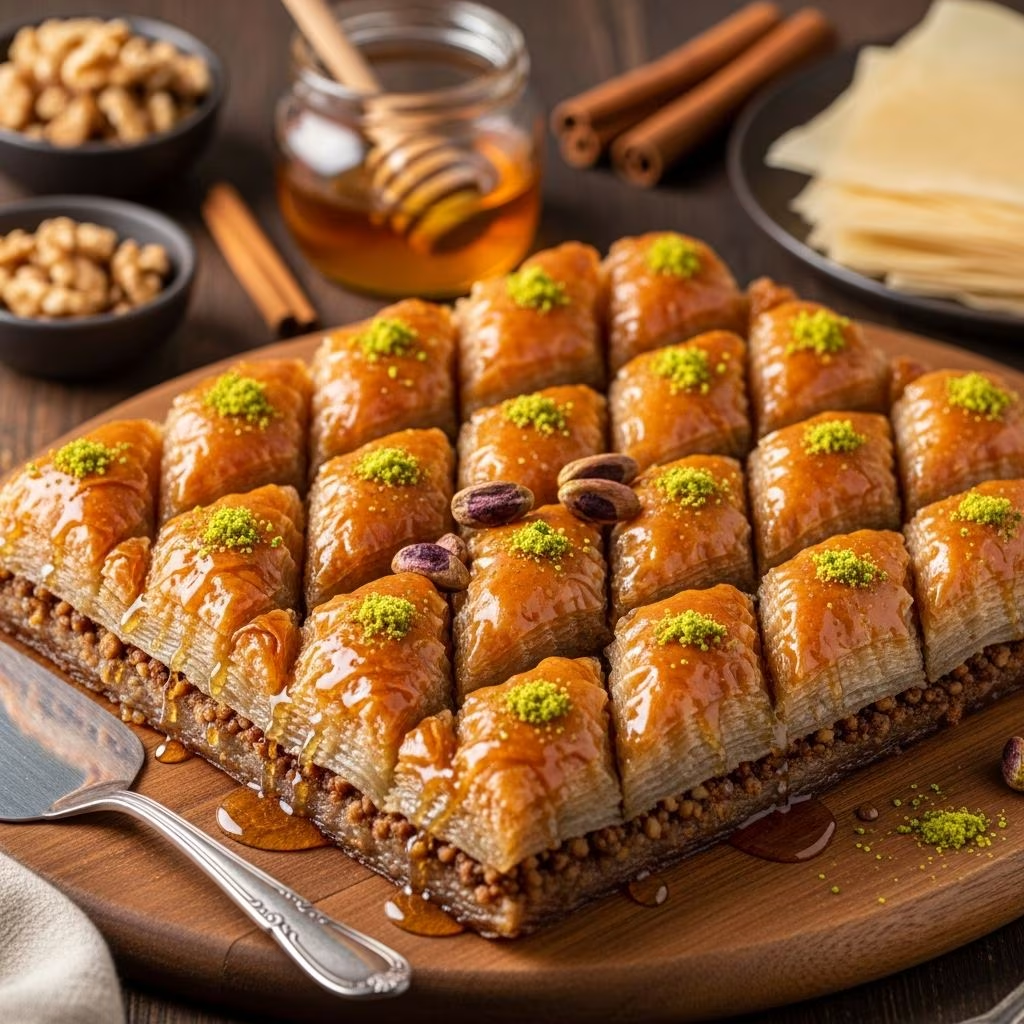
Greek baklava stands as one of the Mediterranean’s most celebrated pastry creations, representing centuries of culinary tradition and refined techniques. This delicate dessert transcends simple confectionery—it embodies the intersection of texture, flavor, and cultural heritage. The marriage of paper-thin phyllo sheets, aromatic nuts, warming spices, and honeyed syrup creates a sensory experience that has enchanted generations of food enthusiasts worldwide.
The fundamental appeal of Greek baklava lies in its seemingly contradictory nature. Despite its perception as an intricate, labor-intensive creation, the layering process follows straightforward principles that home bakers can master with patience and attention to detail. The result rewards effort with an extraordinary textural contrast—the snapping crispness of buttered phyllo against the earthy, slightly soft filling beneath, all unified by the glossy sweetness of the honey syrup.
The Core Components: Building Blocks of Excellence
Phyllo Dough: The Foundation
Phyllo dough forms the structural backbone of authentic Greek baklava. This impossibly thin pastry requires no preparation beyond thawing—a critical step that many home bakers overlook. Attempting to work with frozen phyllo results in cracking, tearing, and frustration. Allow the dough to reach room temperature gradually, ideally overnight in the refrigerator, then briefly on the counter before unwrapping. One standard package typically contains 18 to 25 sheets, providing ample material for layering.
The handling of phyllo demands respect and gentleness. These translucent sheets dry rapidly when exposed to air, becoming brittle and unworkable. Experienced bakers keep unwrapped phyllo covered with a damp cloth throughout the assembly process, revealing only the sheets needed for immediate use. This simple practice prevents waste and frustration.
The Walnut-Based Filling
Walnuts dominate traditional Greek baklava preparations, though many recipes incorporate complementary nuts including almonds and pistachios. The nut selection significantly influences flavor complexity and textural qualities. Premium quality nuts, freshly purchased and stored in cool conditions, contribute noticeably superior taste compared to stale alternatives.
Processing nuts to the ideal consistency represents a subtle yet important skill. The filling should achieve a coarse, chunky texture—not powder-fine, which creates an overly compact layer, and certainly not coarse pieces that puncture fragile phyllo sheets. A food processor pulsed carefully produces the desired result, typically requiring 10 to 15 quick bursts rather than continuous processing.
Spices elevate the filling from merely sweet to genuinely aromatic and memorable. Ground cinnamon provides warmth and depth, while ground cloves contribute subtle earthiness and a whisper of peppery complexity. Some preparations include nutmeg, which adds another layer of aromatic intrigue. These spices, combined with a modest amount of sugar and a pinch of salt, create a filling that satisfies without overwhelming the palate.
The Honey Syrup: Liquid Gold
The syrup distinguishes exceptional baklava from merely acceptable versions. This component cannot be rushed or simplified without consequence. A properly prepared syrup balances sweetness with subtle complexity, typically combining honey, sugar, water, and aromatic elements including cinnamon sticks, whole cloves, citrus zest, and fresh lemon juice.
The sequence of syrup preparation matters considerably. Combine water, sugar, and cinnamon sticks, bringing the mixture to a gentle boil and maintaining a simmer until the syrup slightly thickens—approximately 10 to 15 minutes. Remove from heat, allow minimal cooling, then incorporate honey and lemon juice. This approach preserves the delicate floral notes of quality honey, which diminish under prolonged heat exposure. The finished syrup should achieve a light golden hue and possess a consistency slightly thicker than water but considerably thinner than honey itself.
Assembly Techniques: Creating the Perfect Structure
Preparing the Baking Pan
Begin with a 9-inch square baking pan, lightly brushed with melted butter to prevent sticking while facilitating even browning. Some bakers prefer parchment paper, which simplifies extraction and cooling. Either approach works effectively when executed properly.
Layering Strategy
The traditional layering approach creates a foundation of phyllo before introducing the nut filling. Place the first five sheets of phyllo into the prepared pan, brushing each sheet lightly but thoroughly with melted butter. This initial foundation layer should feel delicate yet resilient—butter penetrates the phyllo, creating the characteristic crispness without creating greasiness.
Following the bottom phyllo foundation, spread approximately one-third of the nut mixture in an even layer across the pastry. Drizzle lightly with additional melted butter, then add four sheets of phyllo, again brushing each individual sheet with butter. Repeat this pattern twice more, finishing with five phyllo sheets for the top layer. This configuration—five sheets, nut layer, four sheets, nut layer, four sheets, nut layer, five sheets—distributes nuts evenly while ensuring adequate phyllo layers for proper structure and texture.
Scoring and Finishing
Before baking, score the assembled baklava into diamond or square shapes using a sharp knife. Cut through the phyllo layers only; avoid cutting too deeply, which compresses the filling and damages the structure. Precise scoring lines facilitate even baking and create attractive presentation. Many traditional preparations feature a single whole clove inserted into each piece, which enhances both flavor and visual appeal while helping stabilize the delicate phyllo.
Lightly mist the top layer with water using a spray bottle—this simple step promotes even browning and prevents excessive drying during the initial high-heat phase of baking.
The Baking Process: Achieving Golden Perfection
Preheat the oven to 375°F (190°C). Bake the baklava for approximately 10 minutes at this higher temperature, which allows the top phyllo layers to begin crisping and browning. This initial blast of heat sets the structure and begins the browning process.
After 10 minutes, reduce oven temperature to 325°F (165°C) and continue baking for approximately 1.5 hours. The lower temperature allows the interior phyllo layers and the nut filling to bake thoroughly without the outer layers becoming excessively dark. The finished baklava should exhibit a rich golden-brown color throughout, with no pale or undercooked portions visible.
Approximately five minutes before removing the baklava from the oven, brush the top surface with any remaining melted butter. This final addition promotes exceptional crispness and adds a lustrous finish that catches light beautifully.
The Critical Syrup Application
Timing the syrup application determines whether baklava achieves its ideal texture and flavor integration. Remove the baked baklava from the oven while it remains hot, then immediately pour the cooled syrup over the entire surface, allowing it to penetrate the scored cuts and distribute throughout the pastry. This contrast between hot phyllo and cool syrup creates steam pockets that enhance the flaky texture.
Allow the baklava to cool completely before serving—typically several hours at room temperature. This resting period permits the syrup to fully permeate the pastry layers, creating the characteristic moist-yet-crispy texture that defines authentic baklava.
Essential Ingredient Considerations
Butter Selection
The butter choice significantly impacts flavor and texture outcomes. Unsalted butter provides cleaner flavor that permits other ingredients to shine, particularly the spices and honey. Some traditional Greek recipes specifically call for sheep’s-milk butter, which imparts a subtle richness that elevates the final product, though cow’s milk butter produces entirely acceptable results when of good quality.
Honey Quality
Quality honey makes a perceptible difference in the syrup’s flavor profile. Greek pine honey, when available, provides distinctive floral notes that complement the warm spices perfectly. Premium multi-floral honey from reputable producers offers excellent alternatives, delivering more nuanced sweetness than generic supermarket varieties.
Citrus Elements
Fresh citrus matters considerably in the syrup. Orange zest adds subtle brightness without acidity, while lemon juice provides necessary acid balance that prevents the syrup from becoming cloying. Always use freshly squeezed lemon juice rather than bottled alternatives, which often taste flat and one-dimensional.
Troubleshooting Common Challenges
Phyllo Tears and Breaks
Tears in phyllo sheets typically result from insufficient thawing or inadequate moisture management. Prevention requires complete thawing and consistent damp cloth coverage. Small tears often prove inconsequential—the surrounding butter and phyllo layers compensate for minimal damage.
Soggy or Undercooked Interior
These issues usually stem from insufficient oven time or applying syrup to insufficiently hot baklava. Ensure the full 1.5 hours at reduced temperature elapses, checking for golden-brown color throughout. When removing from the oven, the baklava should feel warm to the touch, not merely tepid.
Overly Dry Texture
Excessive dryness indicates insufficient butter during assembly or syrup that was allowed to cool excessively before application. Apply syrup while the baklava remains hot for optimal absorption.
Storage and Serving Recommendations
Properly stored baklava remains delicious for up to one week at room temperature in an airtight container. The flavors actually meld and deepen during storage, making baklava arguably better on day two or three than immediately after cooling. Refrigeration extends shelf life to two weeks but may slightly compromise the crispy texture. Freezing preserves baklava for up to three months when wrapped carefully in plastic wrap and aluminum foil.
Serve baklava at room temperature for optimal texture and flavor. Pair with strong Greek coffee or traditional Greek tea for an authentic experience that honors the dessert’s cultural significance.
Frequently Asked Questions
Can I prepare baklava ahead of time?
Yes, baklava improves with time. Assemble and bake one or two days before serving, storing in an airtight container. The flavors integrate and deepen during storage.
What if I cannot find phyllo dough?
Phyllo is increasingly available in most supermarkets’ frozen sections. Online specialty retailers provide alternatives if local sources prove unavailable. No satisfactory substitute truly replicates phyllo’s unique textural properties.
Can I use different nuts?
Absolutely. Pistachios, almonds, or mixed combinations work beautifully. Adjust spicing if using predominantly pistachios, as their flavor profiles differ from walnuts.
How thick should each phyllo layer be?
Standard commercial phyllo sheets are already the correct thickness. Simply use them as provided without further flattening or manipulation.
Is the clove garnish necessary?
While traditional and flavorful, cloves are optional. Their inclusion adds authenticity and subtle flavor, but baklava remains excellent without them.
The Reward: Understanding Baklava’s Enduring Appeal
Creating Greek baklava from scratch represents a meaningful investment of time and attention that ultimately yields exceptional rewards. The process, while requiring patience and care, follows comprehensible principles accessible to motivated home bakers. The resulting dessert—with its interplay of textures, complexity of flavors, and visual elegance—justifies the effort expended and explains baklava’s persistence as a beloved staple across Mediterranean cuisine.
References
- The Authentic Greek Baklava Recipe — Diane Kochilas. https://www.dianekochilas.com/greek-baklava/
- Easy Greek Baklava — Olive & Mango. https://www.oliveandmango.com/easy-greek-baklava/
- My Yiayia’s Traditional Greek Baklava Recipe — Jojotastic. https://jojotastic.com/2021/11/18/traditional-greek-baklava-recipe/
- Baklava Recipe — Mia Kouppa. https://miakouppa.com/baklava/
- Easy Greek Baklava Recipe + Video — Silk Road Recipes. https://silkroadrecipes.com/easy-greek-baklava-recipe/