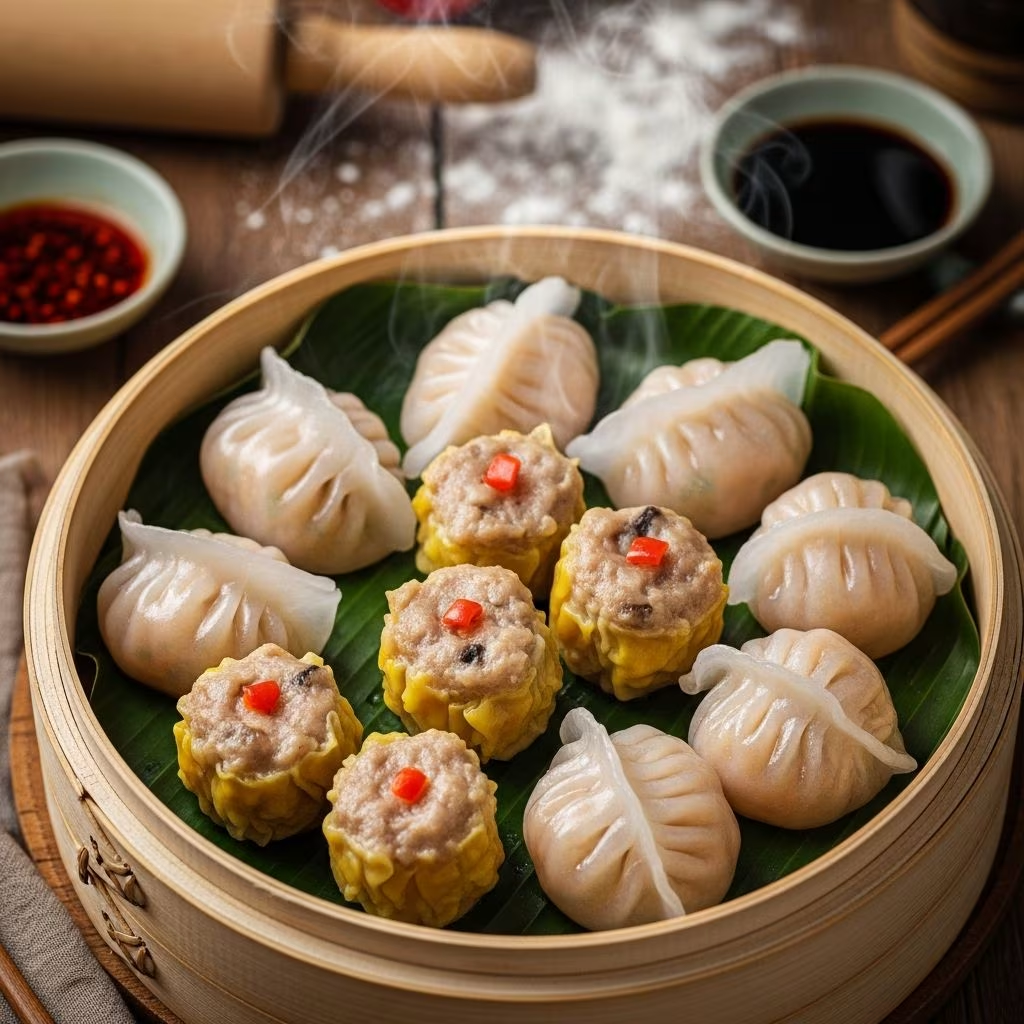
Dim sum dumplings represent one of the most beloved and versatile dishes in Asian cuisine, offering an elegant combination of delicate wrappers, flavorful fillings, and time-honored cooking techniques. Creating these culinary treasures at home requires understanding the fundamental principles of preparation, from selecting quality ingredients to perfecting the steaming process. This comprehensive guide provides everything you need to become proficient in crafting authentic dim sum dumplings that rival those served in traditional restaurants.
Understanding the Foundation of Dumpling Making
Before embarking on the dumpling-making journey, it’s essential to understand what distinguishes these savory parcels from other Asian appetizers. Dim sum dumplings are characterized by their thin, tender wrappers that encase a well-seasoned filling, typically composed of ground meat, vegetables, and aromatic seasonings. The cooking method—usually steaming—allows the wrapper to remain soft and slightly chewy while the filling cooks through perfectly, creating a harmonious textural contrast that defines the authentic dumpling experience.
The beauty of homemade dumplings lies in their adaptability. Whether you’re preparing them for a casual family dinner or an elaborate gathering, the basic principles remain consistent, though variations in filling combinations and wrapping styles offer endless creative possibilities.
Essential Ingredients for Authentic Fillings
The foundation of exceptional dumplings begins with understanding which ingredients work together to create balanced, memorable flavors. Quality ground pork serves as the traditional base, providing richness and a mild flavor that accepts complementary seasonings beautifully. Many recipes incorporate a combination of ground pork with other proteins, creating more complex taste profiles that appeal to diverse palates.
Core Flavor Components
- Aromatics: Fresh ginger, garlic, and green onions (scallions) create the foundational aromatic layer that distinguishes authentic Asian dumplings from ordinary preparations. These ingredients should be minced finely to distribute their flavors evenly throughout the filling.
- Umami enhancers: Soy sauce, oyster sauce, and fish sauce add savory depth that transforms a simple meat mixture into a complex, satisfying filling. These fermented and concentrated condiments work synergistically to build layers of flavor.
- Textural additions: Water chestnuts, finely chopped vegetables, and leafy greens like Chinese chives contribute both texture and nutritional value. These elements prevent the filling from becoming monotonously uniform while adding freshness to each bite.
- Binding agents: Water or vegetable stock helps bind ingredients together while keeping the filling moist and tender during cooking. The liquid component ensures the filling remains succulent rather than becoming dry.
- Heat and spice: White pepper, sriracha, or fresh chilies add warmth and complexity without overwhelming the other flavors. These elements can be adjusted according to personal preference and desired spice level.
Traditional Filling Preparation Techniques
The method of combining filling ingredients significantly influences the final texture and flavor distribution. Professional dumpling makers employ a vigorous mixing technique that creates a paste-like consistency, ensuring all flavors bond effectively. This approach differs from simply combining ingredients, as the mechanical action of stirring develops the proteins in the meat, creating a cohesive mass rather than a loose mixture.
Begin by placing minced pork into a clean mixing bowl. Add your chosen seasonings—typically including salt, white pepper, sesame oil, and a small amount of liquid. Stir these ingredients thoroughly, mixing in a circular motion for several minutes. Once well-combined, incorporate your vegetable components and any optional ingredients like dried shrimp or protein additions. The resulting filling should have a uniform consistency with no visible streaks of unmixed ingredients.
After mixing, refrigerate the filling for at least thirty minutes before assembly. This resting period allows flavors to meld while the cold temperature makes the filling easier to handle and less likely to stick to your fingers during wrapping.
Popular Filling Variations
| Filling Type | Primary Proteins | Key Vegetables | Distinctive Seasonings |
|---|---|---|---|
| Classic Pork | Ground pork | Chinese chives, water chestnuts | Sesame oil, white pepper, dried shrimp |
| Mixed Meat | Ground pork and beef | Green onions, garlic | Hoisin sauce, oyster sauce, fish sauce |
| Vegetable Enhanced | Ground pork | Napa cabbage, shepherd’s purse, bok choy | Soy sauce, ginger, cilantro |
| Spiced Variation | Ground pork | Red chilies, green onions | Sriracha, chili oil, fresh ginger |
Selecting and Using Dumpling Wrappers
While creating homemade dumpling wrappers from scratch offers authenticity, purchasing pre-made wonton wrappers from grocery stores represents a practical alternative that doesn’t compromise quality. These thin, tender sheets are specifically designed for wrapping and maintain their delicate texture during steaming. Available in most supermarkets’ refrigerated or frozen sections, quality wrappers should have a slightly translucent appearance and flexible consistency.
When ready to use, remove wrappers from their package and keep them covered with a damp cloth to prevent drying. Work with one wrapper at a time, rewrapping the remaining stack immediately after removing each piece. This prevents the wrappers from becoming brittle and difficult to seal properly.
The Art of Wrapping Techniques
Proper wrapping technique ensures that dumplings seal completely, preventing filling from leaking during cooking while creating an aesthetically pleasing presentation. The basic wrapping process involves placing approximately one tablespoon of filling in the center of each wrapper, then using water as an adhesive to seal the edges.
Step-by-Step Wrapping Instructions
- Place a wrapper flat on your work surface and position filling slightly off-center toward the bottom edge of the wrapper.
- Dip your index finger into cool water and trace along all edges of the wrapper, creating a thin water seal around the entire perimeter.
- Fold the wrapper in half, creating a crescent or semi-circular shape, and press the edges firmly to seal.
- To create the characteristic pleated appearance, make small folds along the curved edge, pinching each fold gently against the opposite flat edge.
- Complete two or three folds on each side until the dumpling resembles a small fan or purse.
- Ensure all edges are completely sealed by running your finger around the perimeter one final time.
- Place finished dumplings on a parchment-lined surface, spacing them so they don’t touch.
Professional dumpling makers emphasize that creating consistent, well-sealed dumplings requires practice. Don’t become discouraged if your first attempts appear imperfect—even slightly irregular dumplings will cook properly and taste delicious. As you gain experience, your wrapping speed and consistency will naturally improve.
Steaming Methods for Optimal Results
Steaming represents the preferred cooking method for dim sum dumplings, gently cooking the filling while maintaining the wrapper’s delicate texture. This moist-heat cooking technique contrasts sharply with frying or boiling, producing dumplings with tender, slightly translucent wrappers and perfectly cooked interiors.
Equipment Options
- Bamboo steamers: Traditional bamboo steamer baskets, stacked over simmering water in a wok or large pot, represent the classic approach. These stackable vessels allow simultaneous cooking of multiple dumpling batches and impart subtle bamboo aroma.
- Electric steamers: Modern electric steamers offer convenient temperature control and consistent results, eliminating the need to monitor water levels. These units work exceptionally well for home cooks preparing larger quantities.
- Improvised steamers: A simple steamer rack or perforated metal insert placed above a pot of simmering water works equally well, requiring only that water remains below the steaming surface.
Preparation and Steaming Process
Proper steamer preparation prevents dumplings from sticking and tearing during removal. Line steaming surfaces with lightly oiled parchment paper, damp cheesecloth, or thin lettuce leaves. These barriers create non-stick surfaces while allowing steam to circulate freely around each dumpling.
Arrange prepared dumplings in a single layer within the steamer, spacing them one-half to one inch apart to prevent them from touching during expansion. Bring water to a gentle simmer over medium-high heat, then place the covered steamer basket over the water source. The steaming time typically ranges from eight to eighteen minutes, depending on dumpling size and whether they are fresh or frozen. Fresh dumplings require approximately eight to twelve minutes, while frozen dumplings need fifteen to twenty minutes. The dumplings are finished cooking when the filling is completely cooked through—a condition you can verify by carefully opening one dumpling to check that no raw meat remains.
Crafting Authentic Dipping Sauces
While dumplings possess sufficient flavor to enjoy independently, authentic dipping sauces elevate the experience by adding additional layers of taste and texture. These simple preparations combine acidic, umami, and spicy elements that complement the savory dumplings perfectly.
Essential Dipping Sauce
The foundation dipping sauce combines equal parts soy sauce, rice vinegar, and sesame oil, enhanced with minced garlic, thinly sliced scallions, and a small drizzle of honey. This balanced combination provides salt from the soy sauce, acidity from the vinegar, nuttiness from the sesame oil, and subtle sweetness that mellows the overall flavor profile.
Enhanced Sauce with Heat
For those preferring additional complexity, incorporate doubanjiang (spicy bean paste), chili oil, and Chinese black vinegar into the base recipe. These additions create a more assertive sauce that stands up to rich, meaty dumplings while providing warming spice that stimulates the palate.
Sauce Preparation and Storage
- Combine all liquid ingredients in a small bowl, stirring until well-blended.
- Add minced aromatics and adjust sweetness to personal preference with additional honey if desired.
- Prepare sauces just before serving to maximize the fresh, vibrant quality of raw garlic and scallions.
- Store leftover sauce in the refrigerator for up to one week, though flavor diminishes gradually as aromatics oxidize.
Making Dumplings a Social Activity
Creating dim sum dumplings presents an excellent opportunity to engage family members or friends in a collaborative cooking project. The repetitive wrapping process becomes meditative and enjoyable when shared with others, transforming food preparation into quality time together. Assign different tasks—one person can portion filling while another handles wrapper preparation—creating an assembly-line approach that accelerates the process while maintaining quality.
This communal aspect of dumpling making connects to the broader cultural significance of dim sum, which traditionally centers on shared meals and social connection. When guests participate in preparing their own meal, investment in the final product increases dramatically, transforming a simple dinner into a memorable experience.
Frequently Asked Questions About Dumpling Making
How far in advance can dumplings be prepared?
Uncooked dumplings can be prepared up to eight hours in advance and refrigerated on parchment-lined trays before transferring to freezer bags for storage. Frozen dumplings maintain quality for up to three months and actually cook better after freezing, as the filling becomes more firmly set. Simply steam frozen dumplings directly without thawing, adding five to eight additional minutes to the steaming time.
What causes dumplings to burst during steaming?
Bursting typically results from incomplete sealing during wrapping, excessive filling quantity, or overly high heat causing rapid steam pressure buildup. Always ensure edges are thoroughly sealed with water, use only one tablespoon of filling per dumpling, and maintain a gentle to moderate simmer rather than rolling boil.
Can vegetarian dumplings be made using these techniques?
Yes—replace ground pork with finely minced mushrooms, pressed and drained tofu, or a combination of cooked vegetables. Adjust seasonings to account for the lack of meat’s natural umami by increasing soy sauce slightly and considering the addition of dried shiitake mushrooms or white miso paste.
How should leftover cooked dumplings be stored and reheated?
Refrigerate cooked dumplings in an airtight container for up to four days. Reheat gently by steaming for three to four minutes or pan-frying briefly in a small amount of oil until warmed through. Avoid microwaving, which can result in rubbery texture and uneven heating.
Conclusion: Developing Your Dumpling Expertise
Mastering the creation of homemade dim sum dumplings opens doors to developing a valuable culinary skill that brings joy to family and friends. The process, while requiring some practice and attention to detail, rewards patience with restaurant-quality results that exceed most store-bought alternatives. Whether preparing these delicate parcels for casual weeknight dinners or special occasions, the techniques and variations outlined in this guide provide a comprehensive foundation for success.
As you gain confidence and experience, experiment with different filling combinations, wrapping styles, and dipping sauces. The flexibility inherent in dumpling making encourages creativity while maintaining respect for traditional methods that have been perfected over centuries of culinary development. Your homemade dumplings will soon become a signature dish that reflects both technical skill and personal creativity.
References
- Steamed Dumplings Two Ways — Red House Spice. 2024. https://redhousespice.com/steamed-dumplings-two-ways/
- Asian Dumplings Easy Homemade Recipe — Fifteen Spatulas. 2024. https://www.fifteenspatulas.com/asian-dumplings/
- Chinese Steamed Dumplings Recipe — Tablespoon.com. 2024. https://www.tablespoon.com/recipes/chinese-steamed-dumplings/82ca9c72-6c14-423f-ab57-01f82b1c9c64
- The Only Dumpling Recipe You’ll Ever Need — The Woks of Life. 2024. https://thewoksoflife.com/dumpling-recipe-youll-ever-need/
- Steamed Dumplings with The Best Dipping Sauce — The Foodie Takes Flight. 2024. https://thefoodietakesflight.com/steamed-dumplings-with-the-best-dipping-sauce/