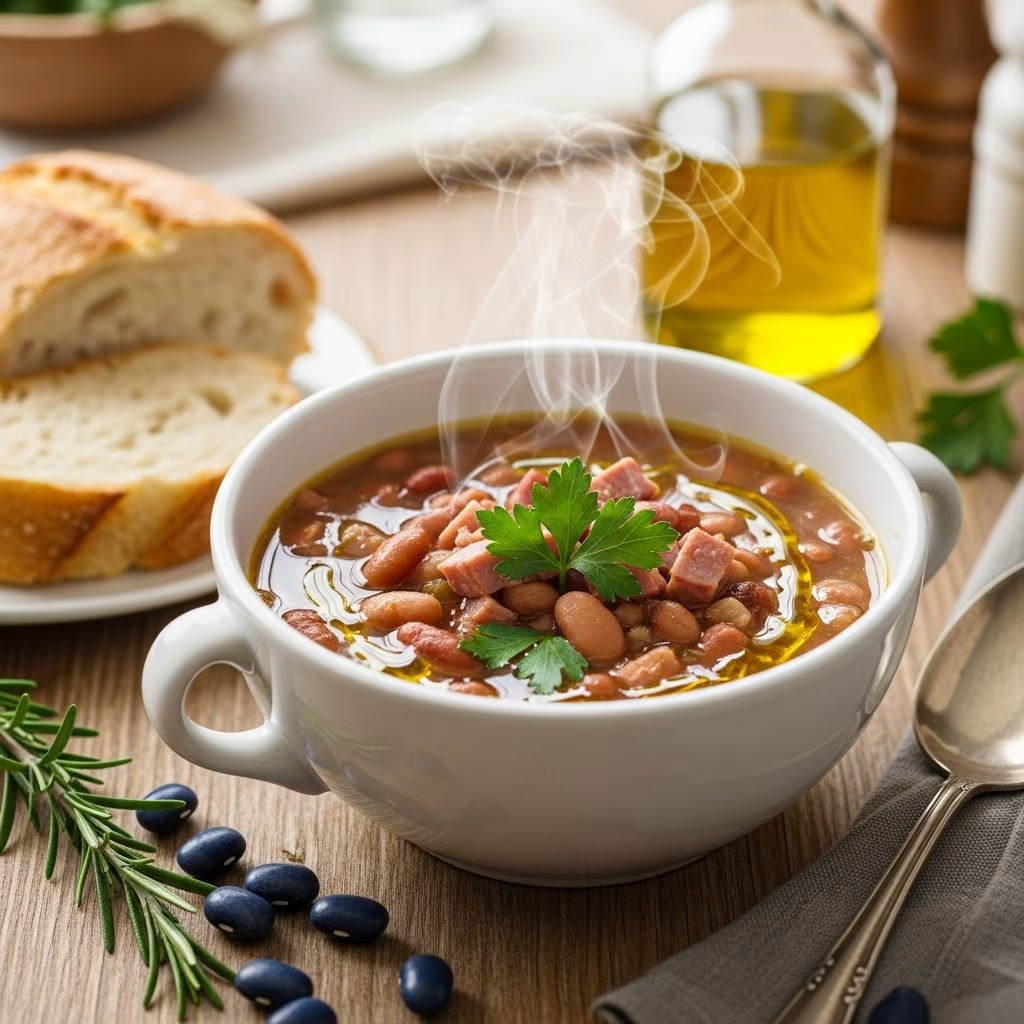
Ham and bean soup stands as one of the most beloved comfort foods across cultures, combining humble ingredients into a deeply satisfying meal. This traditional dish transforms simple white beans and savory ham into a nourishing soup that warms both body and spirit, making it an ideal choice for family dinners, meal preparation, or using up holiday leftovers.
Understanding the Foundation of Ham and Bean Soup
At its core, ham and bean soup represents resourcefulness and culinary wisdom. Historically, this dish emerged from the practical need to utilize every part of an animal, particularly the ham bone left after holiday meals. What began as a thrifty solution has evolved into a cherished recipe passed down through generations, valued for its rich flavor, nutritional density, and remarkable versatility.
The beauty of this soup lies in its ability to accommodate numerous variations while maintaining its essential character. Whether prepared with dried beans soaked overnight or convenient canned beans for quick weeknight cooking, ham and bean soup delivers consistent, comforting results. The long, slow cooking process allows flavors to develop and deepen, creating complexity that belies the recipe’s straightforward ingredient list.
Selecting Your Ingredients: Quality Matters
Choosing the Right Beans
The selection of beans significantly impacts your final dish. White bean varieties serve as the traditional choice for ham and bean soup, each bringing distinct characteristics to the pot. Navy beans, the smallest white bean variety, cook relatively quickly and provide a delicate flavor that allows ham and aromatics to shine. Great Northern beans offer a medium size with a slightly earthier taste and firmer texture that holds up well during extended cooking. Cannellini beans bring a creamier consistency and more pronounced nutty flavor, making them ideal for thicker, more luxurious soup preparations.
Dried beans require overnight soaking, which softens the outer shell and reduces cooking time by 20 to 30 percent compared to unsoaked beans. This preparation step also reduces sodium content and creates a more consistent texture throughout your finished soup. However, canned white beans present a viable alternative for home cooks prioritizing convenience, reducing total preparation time to under 45 minutes while maintaining excellent flavor and nutritional value.
Ham Selection and Preparation
Your choice of ham dramatically influences the soup’s depth and character. Ham bones with attached meat provide the most authentic flavor, particularly if they originate from holiday hams. The bone itself imparts gelatin and collagen, creating a naturally thick, luxurious broth after extended simmering. Alternatively, smoked ham hocks from grocery stores offer concentrated pork flavor at modest cost.
For those without ham bones, deli ham or leftover cubed ham works effectively, though you may need to adjust cooking time and add supplemental salt and smokiness through complementary seasonings. Some recipes call for adding ham bone early in cooking, then shredding any remaining meat from the bone to mix back into the soup before serving, maximizing extraction of deep, savory flavors.
Aromatic Vegetables and Seasonings
The aromatic base consisting of diced onion, celery, and carrots builds foundational flavor layers through caramelization and slow cooking. Garlic, either fresh minced or added as cloves, contributes pungent, complex notes that develop during extended simmering. Traditional herbs including dried or fresh thyme enhance the soup’s savory character, while bay leaves add subtle earthy undertones. Some regional variations incorporate ground cumin or crushed red pepper for warmth and slight heat, creating depth beyond standard herb combinations.
Cooking Methods: Stove, Slow Cooker, or Instant Pot
Traditional Stovetop Preparation
Stovetop cooking offers maximum control and flavor development. Begin by heating oil in a large Dutch oven or heavy-bottomed pot over medium heat. Add diced onion, celery, carrots, and garlic, sautéing for approximately 5 minutes until vegetables soften and aromatics become fragrant. This initial caramelization develops complex flavors that form the soup’s foundation.
Next, add water or broth along with the ham bone and any ham scraps. Bring the mixture to a gentle boil, then reduce heat to maintain a steady simmer. If using soaked dried beans, add them now along with herbs and seasonings. Cover the pot and simmer for 60 to 90 minutes, stirring occasionally, until beans reach complete tenderness. The extended cooking time allows flavors to meld and intensify, creating the characteristic richness associated with traditional ham and bean soup.
Slow Cooker Method
For hands-off preparation, combine all ingredients in a 5 to 6-quart slow cooker, covering beans with enough liquid to maintain proper cooking conditions. Cook on low for 8 to 10 hours or on high for 4 to 5 hours, depending on your schedule and bean variety. The gentle, prolonged heat of slow cooking produces exceptionally tender beans and allows flavors to develop gradually throughout the day. This method suits busy home cooks and those preferring to set ingredients in the morning for dinner ready upon returning home.
Instant Pot and Pressure Cooking
Pressure cooking significantly reduces preparation time without sacrificing flavor. Place the trivet inside your Instant Pot or similar electric pressure cooker, add liquid, and arrange ham bone and soaked beans on top. Cook under high pressure for 25 to 30 minutes, allowing natural pressure release for 15 minutes before manual venting. This accelerated method delivers tender beans and developed flavors comparable to extended stovetop cooking, making it ideal for spontaneous meal preparation.
Step-by-Step Cooking Instructions
- Prepare dried beans in advance: Soak beans in cold water for 8 to 10 hours or overnight. This step is optional but recommended for superior texture and reduced cooking time. Drain and rinse beans before using, discarding any discolored or broken specimens.
- Sauté aromatics: Heat olive oil in your chosen cooking vessel over medium heat. Add diced onion, celery, carrots, and minced garlic. Cook for 5 to 7 minutes, stirring occasionally, until vegetables soften and release their aromatic compounds.
- Add liquid and ham: Pour in your chosen broth or water, then add the ham bone with any attached meat. Bring the mixture to a rolling boil, then adjust heat to maintain a gentle simmer.
- Incorporate beans and seasonings: Add your prepared or canned beans along with bay leaves, thyme, salt, and pepper. Stir to combine ingredients evenly throughout the pot.
- Simmer until tender: Cover the pot and maintain a steady simmer for 60 to 90 minutes with dried beans, or 15 to 20 minutes if using canned beans. Stir occasionally to ensure even cooking and prevent sticking.
- Extract ham and finish: Remove the ham bone using tongs or a slotted spoon. When cooled slightly, use a fork to pull any remaining meat from the bone and return it to the soup. Discard the bone. Remove bay leaves.
- Adjust consistency: For a thicker soup, use an immersion blender to puree approximately one cup of the soup, then stir it back into the pot. For a thinner soup, add additional broth or water as desired.
- Taste and season: Taste your finished soup and adjust salt, pepper, and other seasonings as needed. Remember that ham bones often contribute substantial saltiness, so taste before adding additional salt.
Flavor Variations and Creative Adaptations
While traditional recipes remain classic for good reason, ham and bean soup welcomes numerous creative interpretations. Adding fresh spinach or kale during the final minutes of cooking introduces nutritional density and subtle earthiness without overwhelming the dish’s character. Apple cider vinegar stirred in just before serving provides brightness that cuts through the richness and enhances overall flavor complexity.
Regional variations incorporate ingredients reflecting local culinary traditions. Southwestern adaptations might include diced jalapeños, cumin, and smoked paprika. Mediterranean versions incorporate white wine, rosemary, and sun-dried tomatoes. Southern preparations sometimes include collard greens or smoked sausage for additional depth. These adaptations demonstrate the recipe’s flexibility while honoring its core identity.
Nutritional Considerations and Health Benefits
Ham and bean soup delivers substantial nutritional value, combining legume protein, vitamins, minerals, and beneficial fiber. White beans provide significant amounts of plant-based protein, making this soup particularly satisfying and supporting muscle maintenance and repair. The prolonged cooking process allows beans to release starches, creating the characteristic creamy texture without added cream or thickening agents.
Vegetables contribute additional fiber, vitamins A and C, and important micronutrients including potassium and manganese. Ham provides selenium, B vitamins, and additional protein, though cooks should remain mindful of sodium content typical in processed pork products. For reduced-sodium preparations, use low-sodium broth and limit added salt, allowing the natural flavors of vegetables and herbs to shine.
Storage, Reheating, and Make-Ahead Options
Ham and bean soup stores beautifully, making it ideal for meal preparation and batch cooking. Refrigerate cooled soup in airtight containers for up to four days, or freeze for up to three months. Frozen soup thaws overnight in the refrigerator or reheats directly from frozen on the stovetop over medium-low heat, covered, until warmed through completely.
The soup’s flavor actually intensifies after sitting for a day, as ingredients continue melding and developing complexity. Many home cooks intentionally prepare larger batches, knowing that leftovers often surpass the first serving. Freeze portions in individual containers for quick lunch options or emergency dinners when time is limited.
Troubleshooting Common Issues
Beans Remain Grainy or Undercooked
If beans refuse to soften despite extended cooking, several factors may be responsible. Hard water, acidic ingredients added too early, or very old beans from storage can all impede proper cooking. To remedy this issue, ensure beans were properly soaked and that you’re maintaining a true simmer rather than a vigorous boil, which can toughen bean skins. Avoid adding tomatoes or other acidic ingredients until beans reach complete tenderness.
Soup Tastes Too Salty
Ham bones and hocks contribute significant sodium, potentially resulting in overly salty soup if additional salt is added without tasting throughout cooking. If your finished soup exceeds desired saltiness, add peeled quartered potatoes and simmer until potatoes cook through, then remove them. The potatoes absorb excess salt without significantly altering other flavor components.
Soup Lacks Depth or Flavor
Insufficient cooking time or inadequate seasoning can result in flat-tasting soup. Ensure you’re cooking for the full recommended time, allowing flavors to develop and deepen. Taste frequently as cooking progresses and adjust seasonings gradually. Adding a splash of apple cider vinegar or a bay leaf can awaken flavors that feel underdeveloped.
Frequently Asked Questions
Can I make ham and bean soup without a ham bone?
Yes, ham and bean soup works well with alternatives including smoked ham hocks, deli ham, or even bacon. While a traditional ham bone produces the most authentic flavor, other pork products create delicious results. If using deli ham without bones, you may want to add a ham hock or increase the quantity of ham to ensure adequate smokiness and depth.
How long can I store leftover ham and bean soup?
Properly stored soup remains safe in the refrigerator for three to four days in airtight containers. For longer storage, freeze soup for up to three months. Thaw overnight in the refrigerator or reheat directly from frozen on the stovetop. Always ensure soup reaches 165°F internally before consuming reheated portions.
What can I serve alongside ham and bean soup?
Crusty bread, cornbread, or dinner rolls complement ham and bean soup beautifully, providing a vehicle for enjoying every drop of broth. Simple green salads offer refreshing contrast to the soup’s richness. Grilled cheese sandwiches create a classic pairing that many remember from childhood meals.
Is ham and bean soup appropriate for freezing?
Absolutely. Ham and bean soup freezes exceptionally well for up to three months, making it ideal for batch cooking and meal preparation. Freeze in individual containers or family-size portions depending on your needs. Thaw overnight in the refrigerator or reheat gently on the stovetop from frozen.
Can I use canned beans instead of dried beans?
Yes, canned beans significantly reduce cooking time from 60 to 90 minutes to approximately 15 to 20 minutes. Use approximately three cans of white beans (drained and rinsed) as equivalent to two cups of dried beans. Canned beans offer convenience perfect for weeknight cooking, though dried beans provide more controlled texture and allow better flavor development during extended cooking.
Conclusion: Why Ham and Bean Soup Endures
Ham and bean soup remains a cherished recipe across generations because it delivers on every level: economy, nutrition, comfort, and flavor. This unpretentious dish transforms simple, affordable ingredients into something genuinely greater than the sum of its parts. Whether prepared for a family dinner, carried to potlucks, or frozen for future emergencies, ham and bean soup nourishes both practically and emotionally, connecting us to culinary traditions and the people who prepared these meals before us.
References
- Bean Varieties and Culinary Applications — The Real Food Dietitians. 2024. https://therealfooddietitians.com/ham-and-bean-soup/
- Nutritional Composition of White Beans — United States Department of Agriculture, National Nutrient Database. 2023. https://fdc.nal.usda.gov/
- Legume-Based Soup Preparation Methods — Art and the Kitchen. 2024. https://www.artandthekitchen.com/ham-and-bean-soup/
- Traditional Bean Soaking and Cooking Techniques — A Spicy Perspective. 2024. https://www.aspicyperspective.com/nanas-epic-navy-bean-ham-bone-soup/
- Slow Cooker and Stovetop Soup Preparation — The Kitchen Girl. 2024. https://thekitchengirl.com/ham-and-bean-soup/