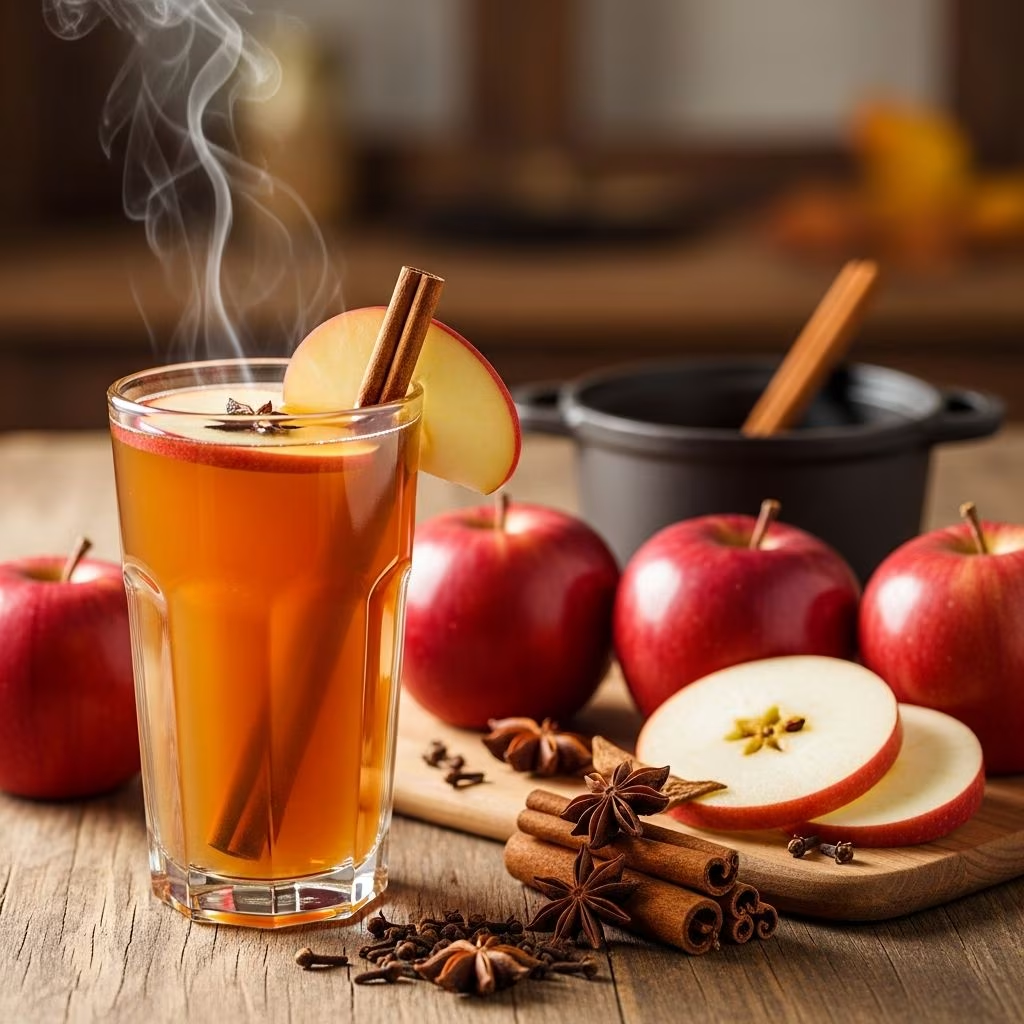
Apple pie cider represents a delightful intersection of traditional fruit beverages and autumn flavors that many enthusiasts seek out as the seasons change. This beverage captures the essence of freshly baked desserts while maintaining the refreshing qualities of cider, making it an increasingly popular choice for home brewers and casual drinkers alike. Whether you prefer your cider served warm during crisp fall evenings or chilled during warmer months, mastering this particular flavor profile opens up numerous possibilities for creative experimentation and seasonal entertaining.
Understanding the Foundation: Selecting Your Base Ingredients
The success of any apple pie cider begins with choosing high-quality base ingredients that will form the foundation of your final product. The primary component should be fresh apple cider or high-quality apple juice without preservatives, as these additives can interfere with fermentation and flavor development. When selecting between cider and juice, fresh-pressed cider offers more complex natural flavors, while store-bought apple juice provides consistency and convenience.
The starting gravity of your apple juice typically ranges between 1.045 and 1.055, providing sufficient natural sugars for fermentation while maintaining the crisp apple character you desire. Many brewers prefer using a combination of both apple cider and apple juice to achieve optimal balance—the cider contributes depth while juice adds brightness. Aim for quantities that match your fermenting capacity, with a standard two-gallon batch serving as an excellent starting point for beginners.
The Spice Profile: Building Authentic Apple Pie Aromatics
Achieving an authentic apple pie flavor requires careful consideration of spice selection and proportions. Cinnamon forms the backbone of this flavor profile, and using whole cinnamon sticks rather than ground cinnamon allows for better control over intensity and provides a more sophisticated mouthfeel. Two to three cinnamon sticks per gallon of liquid serves as a reliable baseline, though personal preference should guide your final amount.
Vanilla extract complements cinnamon beautifully, adding subtle warmth and complexity that rounds out the spice profile without dominating the palate. Pure vanilla extract delivers superior results compared to imitation varieties, contributing nuanced flavors that enhance the overall drinking experience. A half teaspoon of vanilla per gallon provides adequate flavor contribution without overwhelming the apple base.
Additional spices like cloves, nutmeg, and allspice can enhance the apple pie character, though restraint proves essential when incorporating these powerful flavoring agents. These warming spices should appear only as supporting notes rather than prominent features, allowing the apple and primary spices to maintain their dominance in the finished beverage.
Fermentation: The Science Behind Flavor Development
For those interested in creating hard cider, selecting appropriate yeast becomes crucial to achieving your desired final product. American ale yeast strains like US-05 offer clean fermentation profiles that allow apple and spice flavors to shine through without introducing unwanted funk or off-flavors. These yeast varieties ferment efficiently while maintaining alcohol levels around 6-7 percent ABV, appropriate for most cider applications.
Before introducing yeast to your apple juice base, temperature control and sanitation establish the groundwork for successful fermentation. Maintaining fermentation temperatures between 60-70 degrees Fahrenheit promotes steady yeast activity and encourages development of subtle flavor notes. All equipment must undergo thorough sanitization to prevent contamination from wild yeasts or bacteria that could compromise your batch.
The fermentation process typically requires seven to ten days before completion, evidenced by an airlock that ceases active bubbling and a stable final gravity reading. During this period, yeast converts natural apple sugars into alcohol while producing byproducts that contribute to the final flavor complexity. Patience during this phase yields superior results compared to rushing the process.
Sweetening Strategies: Back-Sweetening Your Cider
Many apple pie cider enthusiasts prefer back-sweetening their batches to create a more dessert-like beverage that captures the inherent sweetness of traditional apple pie. This technique involves adding sweetness after fermentation completes, allowing precise control over the final sugar content and preventing residual yeast from creating unwanted carbonation or alcohol production.
Creating a specialized sweetening syrup specifically designed to complement your cider base elevates the final product significantly. Combining brown sugar with a portion of your original apple cider and allowing these elements to simmer together produces a concentrated sweetener infused with apple and caramel notes. Reducing this mixture by half through gentle simmering concentrates the flavors while burning off any harsh edges, creating a smooth, cohesive sweetening agent.
Incorporating frozen apple juice concentrate into your sweetening syrup adds additional apple character while contributing subtle sweetness that feels natural rather than artificial. This approach prevents your cider from tasting overly sugary or one-dimensional, instead creating layers of flavor that reward careful sipping and appreciation. The timing of sweetening addition—after fermentation completes but before carbonation—ensures you maintain control over the final alcohol content and carbonation levels.
Building Your Recipe: Proportions and Adjustments
| Component | Quantity (Per Gallon) | Purpose |
|---|---|---|
| Apple Cider/Juice | 1 gallon | Base flavor and fermentable sugars |
| Cinnamon Sticks | 2-3 sticks | Primary spice backbone |
| Vanilla Extract | 1/2 teaspoon | Warm complexity |
| Brown Sugar (for sweetening) | 1 cup | Dessert-like sweetness |
| Yeast Nutrient | 1 teaspoon | Healthy fermentation |
| Ale Yeast | 1 packet | Fermentation catalyst |
These proportions serve as starting recommendations rather than absolute requirements. Individual palates vary considerably in their preference for spice intensity, sweetness levels, and overall complexity. Beginning with conservative spice additions allows you to taste your creation midway through development and make adjustments before the final product is sealed and carbonated. This cautious approach prevents overwhelming your batch with excessive spicing that cannot be reversed once complete.
Temperature and Timing Considerations
Successful apple pie cider production requires attention to environmental factors that influence both fermentation speed and flavor development. Cooler fermentation temperatures around 60-65 degrees Fahrenheit promote slower, more controlled yeast activity that generates cleaner flavors and fewer off-notes. Conversely, warmer environments accelerate fermentation but risk introducing undesirable byproducts that compromise your final beverage.
The complete timeline from starting ingredients to finished cider typically spans 3-4 weeks when accounting for fermentation, maturation, back-sweetening, and carbonation (if applicable). Rushing this process rarely yields superior results, as flavors require time to meld and mature into a harmonious whole. Patience investments during this maturation phase translate directly into superior final products that reward your diligence with complex, satisfying flavor profiles.
Serving Methods: Hot, Cold, and Creative Presentations
Apple pie cider adapts beautifully to multiple serving styles depending on seasonal preferences and entertaining contexts. During autumn and winter months, warming your finished cider gently and serving it in mugs creates a comforting beverage experience reminiscent of traditional mulled cider. This preparation method enhances spice aromatics while creating an inviting presentation that encourages leisurely enjoyment and social gathering.
Chilled apple pie cider serves admirably during warmer months or as a refreshing alternative to wine pairings with certain meal components. The cooler temperature emphasizes apple character while allowing spice notes to remain present but subtle. Carbonation, whether natural from bottle conditioning or introduced through force carbonation, adds textural interest and sophistication to the drinking experience.
Common Challenges and Troubleshooting
Spice Overwhelming the Apple Character: If your finished cider tastes excessively spiced, future batches should reduce cinnamon and vanilla quantities by half, adding gradually to taste rather than committing to larger amounts upfront.
Insufficient Sweetness After Back-Sweetening: Some batches may require additional sweetening syrup beyond initial calculations. Taste before final carbonation and add modest additional quantities if needed, remembering that flavors concentrate and intensify slightly during aging.
Off-Flavors or Unusual Tastes: These typically indicate contamination or improper sanitation. Future batches should emphasize thorough cleaning and sanitization protocols before introducing any ingredients or yeast.
Frequently Asked Questions
Can I use store-bought apple juice instead of fresh cider?
Yes, store-bought apple juice works adequately for apple pie cider production. Select varieties without added preservatives or additives, as these interfere with fermentation. The finished product may lack some complexity compared to fresh-pressed cider, but the results remain satisfactory.
How long does apple pie cider maintain its quality?
Properly stored apple pie cider remains drinkable for 6-12 months, with flavor profile evolving subtly during this period. Carbonated varieties maintain carbonation for extended periods when stored in appropriate bottles at cool temperatures.
What alcohol content should I expect?
Typical apple pie cider ferments to approximately 6-7 percent ABV, depending on initial apple juice gravity and specific yeast strain selected. This range provides sufficient alcohol content for preservation while maintaining drinkability and flavor accessibility.
Can I reduce spice intensity after fermentation completes?
Unfortunately, once spices have steeped in your cider and fermentation completes, reducing spice intensity proves difficult. Prevention through conservative initial spicing represents the best approach to avoiding over-spiced batches.
Is special equipment required for home cider production?
Basic fermentation equipment including food-grade containers, airlocks, sanitization supplies, and bottles suffices for most home cider projects. Many households already possess these items or can acquire them affordably through homebrew retailers.
Seasonal Integration and Gift-Giving Potential
Apple pie cider’s inherent seasonal character makes it an excellent candidate for gift-giving during autumn months and holiday celebrations. Properly bottled and labeled batches present professionally while clearly communicating homemade care and attention invested in their creation. Recipients typically appreciate the personal touch and unique flavors that commercial beverages rarely match.
Beyond personal consumption, sharing apple pie cider at gatherings establishes you as a knowledgeable enthusiast while sparking conversations about brewing techniques, flavor preferences, and recipe variations. This social dimension adds pleasure beyond simply creating a delicious beverage, fostering community connections around shared appreciation for quality homemade refreshments.
Experimentation and Flavor Variations
Once you master the fundamental apple pie cider formula, experimentation with ingredient variations and creative additions opens numerous possibilities. Some brewers incorporate honey for additional complexity and subtle sweetness that complements traditional spices. Others experiment with oak chips that impart vanilla and wood notes reminiscent of aged spirits, adding sophistication and depth.
Infusing your finished cider with additional spices after fermentation completes—a technique called dry-spicing—allows controlled flavor development without overwhelming your base recipe. Adding small quantities of whole cloves, star anise, or fresh ginger to finished cider and allowing these to steep for several days creates nuanced flavor combinations that feel both intentional and sophisticated.
References
- Apple Pie Hard Cider Recipe — The Chopping Block. Accessed April 2026. https://www.thechoppingblock.com/blog/apple-pie-in-a-jar
- How to Make Cider at Home: Apple Pie Hard Cider — TheBruSho (YouTube). Accessed April 2026. https://www.youtube.com/watch?v=oiulBiynrj8
- Apple Pie Hard Cider Brewing Guide — BrewGinner. Accessed April 2026. https://www.brewginner.com/apple-pie-hard-cider/
- Apple Pie Cider: Hot, Cold or Spiked — Eat Move Make. Accessed April 2026. https://eatmovemake.com/apple-pie-cider/
- Apple Pie Cider Discussion and Recipes — Homebrew Talk Forum. Accessed April 2026. https://homebrewtalk.com/threads/apple-pie-cider.514193/