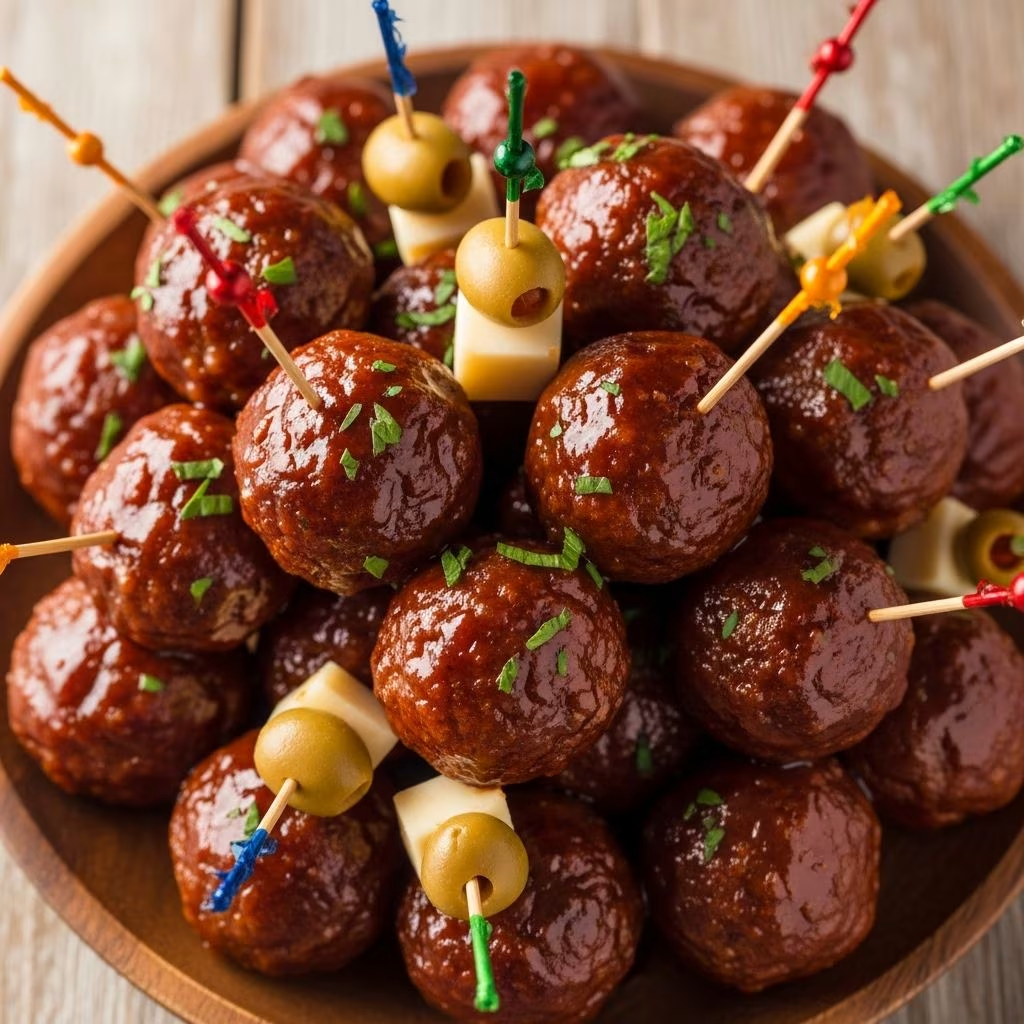
Cocktail meatballs represent one of the most enduring appetizer traditions in entertaining, valued for their simplicity, versatility, and universal appeal. Whether you’re hosting a casual gathering, holiday celebration, or formal event, these bite-sized savory spheres offer an elegant yet approachable solution that guests consistently enjoy. The beauty of this classic dish lies in its forgiving nature and the ability to customize flavors while maintaining its foundational charm.
Understanding the Foundation: Building Your Base Mixture
The success of any cocktail meatball recipe begins with selecting quality ingredients and achieving the proper texture balance. The fundamental mixture typically combines ground meat with binding agents and seasonings that work together to create meatballs that remain tender throughout cooking rather than becoming dense or rubbery.
Ground beef serves as the traditional protein choice, though many contemporary versions incorporate ground pork for added richness and moisture. The combination of both meats, when available, produces superior results by balancing the leaner beef with the fattier pork. A typical batch requires approximately two pounds of ground meat to yield enough meatballs for a substantial gathering.
Breadcrumbs function as the critical binder within the mixture, absorbing moisture and preventing the meatballs from becoming overly compact during baking. Italian-seasoned varieties offer convenience, though standard panko breadcrumbs mixed with dried herbs provide comparable results. The breadcrumbs should be measured generously—roughly one cup per two pounds of meat—to ensure proper texture development.
Liquid components including milk and eggs work synergistically to keep the mixture workable and the finished meatballs moist. These ingredients should be mixed together before incorporation into the meat mixture, creating a paste-like consistency that distributes evenly throughout. This pre-mixing technique prevents dry spots and ensures uniform cooking.
Seasoning Strategy for Optimal Flavor
The aromatic profile of cocktail meatballs distinguishes them from standard ground beef preparations. Traditional seasonings include oregano, basil, garlic powder, and onion powder, which collectively create depth without overwhelming the palate. Worcestershire sauce adds umami complexity, while salt and pepper provide essential flavor amplification.
Modern variations expand beyond traditional Italian herbs to incorporate paprika for subtle warmth, cayenne pepper for gentle heat, or even smoked seasonings for barbecue-inspired versions. The key principle involves balancing flavors so that no single element dominates—the finished meatballs should taste savory and complete without requiring condiments for enjoyment.
Seasoning measurements matter considerably. A common mistake involves under-seasoning the mixture, resulting in bland meatballs that rely entirely on sauce for flavor. Adequate seasoning ensures the meatballs taste delicious even when eaten plain, making the sauce an enhancement rather than a necessity.
Preparation and Shaping Techniques
Combining ingredients requires careful attention to avoid overdeveloping gluten in breadcrumb mixtures, which can create tough meatballs. Mix until just combined, using gentle folding motions rather than aggressive stirring. The mixture should hold together when formed but shouldn’t appear overworked or compressed.
Portioning meatballs consistently ensures even cooking throughout your batch. Cookie scoops or tablespoon measures provide reliable sizing methods, typically producing meatballs between one and one-and-a-half inches in diameter. Uniform size guarantees that all meatballs finish cooking simultaneously, eliminating the problem of some pieces remaining undercooked while others overcook.
Placement on prepared baking sheets should maintain slight separation between meatballs to allow heat circulation during cooking. Parchment paper or silicone baking mats prevent sticking and simplify cleanup, making the preparation process more manageable when preparing multiple batches.
Cooking Methods and Temperature Control
Baking represents the preferred cooking method for cocktail meatballs, offering superior heat distribution compared to stovetop browning. Preheating your oven to 400 degrees Fahrenheit creates ideal conditions for cooking meatballs through while developing exterior browning that adds visual appeal and textural contrast.
Baking duration typically ranges from 16 to 20 minutes, depending on meatball size and your oven’s characteristics. The meatballs should reach an internal temperature of 160 degrees Fahrenheit, which ensures food safety while maintaining moisture. Using an instant-read thermometer eliminates guesswork and prevents overcooking.
Line your baking sheets with foil or parchment to facilitate cleanup and prevent sticking. If baking multiple batches, rotate sheet positions halfway through cooking to ensure even browning and consistent results.
Sauce Selection and Flavor Combinations
The sauce transforms baked meatballs into the distinctive appetizer most people recognize. Grape jelly combined with chili sauce represents the classic pairing, creating a sweet and tangy glaze with subtle spice undertones. This combination emerged as a party staple during the mid-twentieth century and maintains popularity due to its straightforward preparation and universal appeal.
Contemporary variations expand the sauce possibilities significantly. Cranberry jelly sauce offers a holiday-appropriate alternative with tartness that complements the meat’s richness. Brown sugar, Dijon mustard, and fresh lemon juice combine to create additional complexity in cranberry-based sauces.
Barbecue sauce provides a smokier interpretation, while honey-sriracha combinations appeal to those preferring modern flavor profiles. Sweet and sour preparations incorporating pineapple juice and vinegar deliver bright, tropical notes. Experimenting with different sauce combinations allows customization based on your guests’ preferences or seasonal considerations.
Sauce Preparation and Application
Most sauce preparations begin by combining all ingredients in a saucepan and heating gently until components meld and thicken. Jelly-based sauces benefit from 5 to 10 minutes of simmering, which allows the jelly to break down completely and incorporate evenly with other ingredients. This brief cooking period prevents lumps and creates a smooth, glossy coating.
Tossing freshly baked meatballs in warm sauce immediately after removal from the oven ensures even distribution and optimal absorption of flavors. If serving immediately, maintain sauce at serving temperature; if preparing ahead, cool both components before combining for storage purposes.
Sauce Flavor Comparison Table
| Sauce Type | Primary Ingredients | Flavor Profile | Best For |
|---|---|---|---|
| Classic | Grape jelly, chili sauce | Sweet and tangy with mild spice | Traditional gatherings, broad appeal |
| Cranberry | Cranberry sauce, Dijon mustard, brown sugar | Tart and slightly sweet with mustard depth | Holiday celebrations, seasonal events |
| Barbecue | BBQ sauce base with variations | Smoky and sweet | Casual parties, outdoor events |
| Asian-Inspired | Honey, sriracha, soy sauce | Sweet, spicy, and savory | Modern gatherings, adventurous guests |
Strategic Make-Ahead Approaches
One of the greatest advantages of cocktail meatballs involves their compatibility with advance preparation strategies, significantly reducing day-of stress. Meatballs can be shaped and frozen for weeks before cooking, allowing you to prepare components during calmer periods and assemble just before serving.
To freeze unbaked meatballs, portion the mixture into balls, arrange on a baking sheet, freeze until solid (approximately three hours), then transfer to freezer bags for extended storage. This method eliminates the need for thawing before cooking—simply extend baking time by five to ten minutes to account for the frozen state.
Alternatively, bake meatballs completely, cool to room temperature, then freeze in appropriate containers. This approach offers maximum convenience at serving time, requiring only reheating and sauce combination. Frozen baked meatballs typically require one to two hours in a slow cooker set to high, or 30 to 45 minutes in a 350-degree oven with sauce.
Slow Cooker Service and Maintenance
Presenting meatballs in a slow cooker during parties offers practical advantages beyond simple convenience. The appliance maintains consistent temperature throughout your event, preventing the meatballs from cooling excessively while remaining readily accessible to guests.
Transfer cooked meatballs and sauce to your slow cooker approximately 30 minutes before guests arrive. Set the temperature to high for initial warming if using freshly cooked meatballs, then reduce to warm once the mixture reaches serving temperature. This two-step approach prevents overcooking or drying while maintaining food safety standards.
Slow cookers accommodate large batches efficiently, supporting three to four pounds of meatballs comfortably. Keep the lid in place between serving intervals to retain heat and prevent unnecessary moisture loss. Stir occasionally to ensure even heat distribution and consistent sauce coating.
Presentation and Serving Considerations
Cocktail meatballs deserve thoughtful presentation that enhances their appeal and encourages consumption. Arrange meatballs in shallow serving bowls rather than deep containers, improving visual presentation and guest access. Toothpicks inserted into each meatball simplify consumption and minimize mess.
Maintain the serving bowl at a slight distance from other foods to prevent cross-contamination and allow guests to appreciate the presentation clearly. Garnish with fresh parsley or microgreens for added visual interest and slight freshness that contrasts with the rich, sweet sauce.
Provide extra sauce in a small bowl alongside the meatballs, allowing guests to adjust coating levels according to preference. Many people enjoy additional sauce for dipping, particularly when serving meatballs alongside bread or crackers.
Scaling for Various Event Sizes
Cocktail meatballs scale remarkably well across different event sizes and guest counts. For intimate gatherings of 10 to 15 people, prepare two to three pounds of meatballs as appetizers. Larger celebrations of 25 to 50 guests typically require four to six pounds, particularly when meatballs serve as the primary offering.
Calculate roughly three to four meatballs per person when cocktail meatballs constitute the main appetizer offering, or two to three per person when combined with other options. This guideline ensures adequate quantity without excessive leftovers.
Multiple batches require strategic timing if using a single oven. Prepare and freeze meatballs in stages, then coordinate baking so different batches finish sequentially, allowing continuous feeding into your slow cooker without overwhelming your serving capacity.
Flavor Enhancement and Customization Strategies
Beyond basic recipes, numerous techniques enhance cocktail meatballs and create signature versions that reflect your personal style. Incorporating finely minced garlic and ginger directly into the meatball mixture adds aromatic complexity. Fresh herbs like parsley or basil introduce brightness that balances rich meat flavors.
Cheese additions appeal to many palates—finely grated Parmesan or crumbled feta integrated into the mixture add savory depth and moisture. Nuts finely chopped and mixed into the meatball base create subtle textural interest, though this approach requires mentioning potential allergens to guests.
Sauce customization extends possibilities further. Adding a tablespoon of balsamic vinegar to jelly-based sauces deepens sweetness perception without increasing sugar content. A splash of soy sauce enhances umami characteristics, while red pepper flakes introduce gentle heat for those preferring spice.
Storage and Leftovers
Properly stored cocktail meatballs maintain quality for several days, making them practical for meal planning across multiple occasions. Refrigerate leftovers in airtight containers for up to four days, reheating gently in a 300-degree oven or stovetop before serving. Microwave reheating works but can dry the meatballs if done too aggressively—use 50 percent power for gentler warming.
Frozen cooked meatballs remain palatable for up to three months when properly stored. Thaw overnight in the refrigerator before reheating, or reheat from frozen as described earlier, simply extending cooking times slightly. The sauce freezes exceptionally well independently, allowing you to prepare sauce components and freeze for future use.
Frequently Asked Questions
Can I prepare cocktail meatballs entirely in advance?
Yes, they adapt well to complete advance preparation. Shape and freeze unbaked meatballs for up to three weeks, or bake, cool, and freeze for similar durations. Thaw baked meatballs in the refrigerator overnight, then reheat with sauce before serving.
What meat substitutions work if I cannot use beef?
Ground pork, ground chicken, or ground turkey work effectively, though cooking times may adjust slightly based on fat content. Ground lamb creates interesting variations particularly when combined with Mediterranean herbs.
How do I prevent meatballs from becoming tough or dense?
Avoid overmixing the meat mixture, use adequate breadcrumbs and liquid, and don’t compress the balls when shaping. Ensure they reach 160 degrees internally without exceeding 165 degrees, which can cause toughness.
Can I prepare the sauce without sugar for dietary restrictions?
Absolutely. Use sugar-free jelly substitutes combined with chili sauce, or create savory sauces emphasizing Worcestershire sauce, soy sauce, and herbs without sweet elements.
What side dishes complement cocktail meatballs?
Cocktail meatballs pair well with crusty bread, crackers, crudités, cheese boards, or simple green salads. Serve alongside other appetizers like shrimp, cheese dip, or vegetable platters for complete appetizer spreads.
References
- USDA Food Safety and Inspection Service: Ground Meat Safety — United States Department of Agriculture. 2024. https://www.fsis.usda.gov/food-safety/safe-food-handling-and-preparation/meat
- Food and Cooking Science Standards — International Culinary Educators Association. 2024. https://www.iceaonline.com
- Entertaining and Food Presentation Best Practices — National Association for Catering and Events. 2025. https://www.nace.org
- Home Food Preservation and Storage Guidelines — United States Department of Agriculture. 2024. https://www.nal.usda.gov/preservation