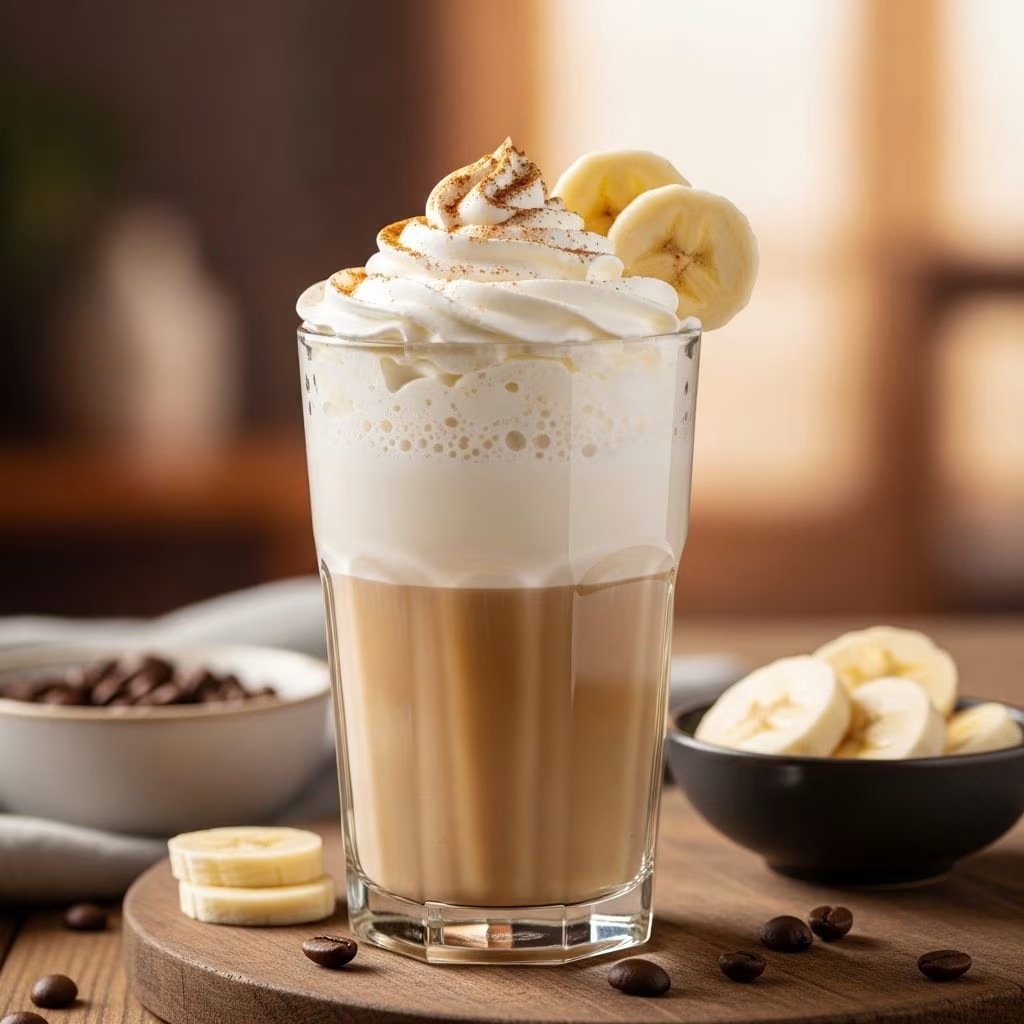
Creating a refreshing glass of iced coffee at home is simpler than many people realize. Whether you’re looking for a quick morning beverage or a cool afternoon pick-me-up, understanding the fundamentals of iced coffee preparation can elevate your coffee experience without requiring expensive equipment or professional barista skills. This guide explores various approaches to making iced coffee, from rapid preparation methods to overnight steeping techniques, ensuring you can find an approach that fits your lifestyle and preferences.
Understanding the Basics of Cold Coffee Beverages
The foundation of excellent iced coffee begins with understanding how temperature affects flavor extraction and beverage composition. Unlike hot coffee, which releases flavors quickly through heat, cold coffee requires different techniques to achieve optimal taste and smoothness. The primary challenge in making iced coffee is preventing dilution as ice melts, which can water down the beverage and diminish its flavor profile. Knowing the right proportions and brewing methods helps you maintain the perfect balance between strength and smoothness.
The essential components of any iced coffee are straightforward: quality coffee, cold liquid, ice, and optional additions like milk and sweeteners. However, how you combine these elements and in what sequence significantly impacts the final result. Understanding these variables allows you to customize your drink to match your personal preferences while maintaining consistent quality.
Rapid Preparation Method Using Instant Coffee
For those seeking the quickest route to iced coffee, the instant coffee method provides immediate gratification. This technique involves dissolving instant coffee granules directly in a glass, making it ideal for busy mornings or spontaneous cravings. The process requires minimal equipment and takes just a few minutes from start to finish.
The key to success with this method lies in the dissolution process. Rather than attempting to mix instant coffee directly with cold water, which often results in clumpy, undissolved particles, use a small amount of warm water first. Add approximately two tablespoons of warm water to your instant coffee granules along with your desired sweetener, stirring vigorously until the mixture becomes smooth and uniform.
Once the coffee and sugar have fully dissolved into a concentrated paste, gradually add chilled water to reach your preferred strength. This two-stage dissolution process ensures a smooth, evenly distributed flavor throughout your beverage. After adding water and stirring to combine, taste your coffee and adjust the sweetness and strength according to your preferences.
The final steps involve adding your choice of milk and ice. Pour in your preferred milk variety—whether dairy or non-dairy—and stir thoroughly to incorporate all components. Top with ice and serve immediately with a straw or directly from the glass. This method typically requires only five to ten minutes, making it perfect for weekday mornings.
Cold Brew Concentrate Approach
The cold brew method represents a fundamentally different approach to iced coffee preparation, requiring advance planning but delivering exceptional smoothness and reduced acidity. This technique involves steeping coarsely ground coffee in cold water for an extended period, typically between twelve and twenty-four hours, allowing time for complete flavor extraction without heat.
To prepare cold brew concentrate, combine freshly ground coffee with cold water in a large container using a ratio of approximately one pound of coffee per eight quarts of water. This concentration may seem generous, but remember you’re creating a concentrate that will be diluted when serving. Stir the mixture to ensure all grounds are saturated, then cover the container and allow it to rest at room temperature undisturbed.
After the steeping period concludes, strain the mixture through a fine mesh strainer lined with cheesecloth to remove all ground particles. This filtering step is crucial for achieving a clean, clear coffee liquid. Pour the strained concentrate into a pitcher and refrigerate until ready to use. Properly stored cold brew concentrate remains fresh for up to two weeks, providing convenient iced coffee options throughout the week.
When you’re ready to enjoy your iced coffee, fill a glass with ice cubes and pour in approximately two-thirds of the glass with cold brew concentrate. Add your preferred amount of half-and-half, milk, or cream, then incorporate your chosen sweetener if desired. Stir to combine and serve immediately. The cold brew method produces naturally smooth coffee with lower acidity levels, making it an excellent choice for those with sensitive stomachs.
Standard Brewed Coffee Method
Perhaps the most straightforward approach involves using regularly brewed hot coffee that has been cooled to room temperature or chilled in the refrigerator. This method eliminates the need for special equipment or extended preparation time, as it utilizes your standard coffee maker or brewing device.
Begin by brewing a full-strength pot of your favorite coffee using your preferred brewing method. Ensure the coffee is strong rather than weak, as the addition of ice and milk will dilute the flavors. Allow the brewed coffee to cool to room temperature naturally, or expedite the process by pouring it into a heat-safe container and placing it in the refrigerator for several hours until thoroughly chilled.
When preparing your iced coffee, fill a tall glass completely with ice cubes. Pour the chilled brewed coffee into the glass, filling it approximately two-thirds full. Add your selected milk or cream, stirring to distribute evenly. If you prefer a sweeter beverage, incorporate your chosen sweetener at this stage. Simple syrup works particularly well in cold beverages because it dissolves readily without leaving granules, unlike regular sugar which may not fully dissolve in cold liquid.
Customization Options and Ingredient Variations
One of the greatest advantages of making iced coffee at home is the ability to customize every aspect of your beverage. The following table outlines various ingredient options that allow you to tailor your drink to your specific tastes and dietary preferences:
| Ingredient Category | Options | Notes |
|---|---|---|
| Milk/Cream | Half-and-half, whole milk, 2% milk, skim milk, almond milk, oat milk, soy milk, coconut milk, heavy cream | Choose based on flavor preference and dietary needs; dairy options provide richness, while plant-based alternatives offer lighter profiles |
| Sweeteners | Granulated sugar, brown sugar, coconut sugar, simple syrup, maple syrup, honey, agave nectar, artificial sweeteners, stevia | Simple syrup dissolves best in cold beverages; experiment with different types for varied flavor dimensions |
| Condensed Milk | Sweetened condensed milk, regular milk | Sweetened condensed milk adds both sweetness and creaminess; use two to three tablespoons per serving |
| Flavor Additions | Vanilla extract, vanilla syrup, caramel syrup, flavored creamers, spices | Create layered flavors by adding syrups before pouring in the coffee |
| Toppings | Whipped cream, cocoa powder, cinnamon, chocolate drizzle | Add these elements last for visual appeal and enhanced flavor experience |
Experimenting with these variations allows you to discover your ideal iced coffee combination. Some people prefer a simple approach with just coffee and milk, while others enjoy elaborate drinks featuring multiple flavor layers and toppings.
Creating Flavored Variations
Beyond the basic iced coffee, numerous flavor profiles can be achieved through ingredient selection and preparation technique. Creating a vanilla-infused version represents one of the most popular variations. Prepare a vanilla simple syrup by combining equal parts water and sugar in a small saucepan, heating until the sugar dissolves completely, then adding vanilla extract once the mixture has cooled slightly.
To prepare a vanilla iced coffee, combine eight ounces of chilled coffee with one tablespoon of your homemade or store-purchased vanilla simple syrup in a glass. Add approximately one cup of ice, then pour in two to four tablespoons of half-and-half or your preferred creamer. Stir thoroughly to blend all components and serve immediately.
Caramel variations follow a similar process, substituting caramel syrup for vanilla. Many coffee enthusiasts also enjoy experimenting with seasonal flavors like peppermint during winter months or coconut during summer. The versatility of the basic iced coffee platform makes it an ideal foundation for creative flavor exploration.
Preventing Dilution and Maintaining Quality
A common challenge when preparing iced coffee is preventing the beverage from becoming watered down as ice melts. Several strategies effectively address this issue. One approach involves using coffee ice cubes instead of regular water ice. Brew a batch of coffee, pour it into ice cube trays, and freeze. When you later prepare your iced coffee, these coffee-infused cubes will melt into the beverage without diluting the flavor.
Another strategy involves ensuring your coffee is already well-chilled before adding ice. Using room-temperature or refrigerated coffee means less ice melting is necessary to reach the desired serving temperature. Additionally, avoiding excessive ice quantities helps maintain flavor integrity. Add just enough ice to chill the beverage adequately without oversaturating.
Timing also plays a role in quality maintenance. Prepare your iced coffee shortly before consuming it, and avoid letting it sit with ice for extended periods. If you must prepare iced coffee in advance, store the coffee and ice separately, combining them only when you’re ready to drink.
Essential Equipment and Tools
Making excellent iced coffee requires minimal equipment. A tall glass serves as your primary vessel, though mason jars work equally well and offer the advantage of secure lids if you need to transport your beverage. A standard coffee maker produces the hot coffee you’ll cool and serve, whether it’s a traditional drip brewer, French press, or pour-over device.
If you choose the cold brew concentrate method, a large container for steeping and a fine mesh strainer lined with cheesecloth are necessary. A measuring cup helps you maintain proper proportions between coffee and water, ensuring consistency between batches. A spoon for stirring is essential, and ice cube trays become useful if you decide to prepare coffee ice cubes.
Beyond these basics, additional items like simple syrup are optional but recommended. A saucepan for creating homemade syrups and a thermometer to monitor temperature during syrup preparation complete the typical home iced coffee setup.
Frequently Asked Questions
What type of coffee works best for iced coffee preparation?
Medium to dark roast coffees generally perform well in iced coffee applications, as they provide robust flavors that remain distinct even when diluted with milk and ice. Lighter roasts can work but may taste less prominent. Freshly ground coffee produces superior results compared to pre-ground options, as the oils and flavors remain more vibrant.
Can I use leftover hot coffee to make iced coffee?
Yes, leftover coffee works perfectly for iced coffee preparation. Allow it to cool to room temperature, then refrigerate until chilled. This approach reduces waste and utilizes coffee that might otherwise be discarded. However, coffee sitting at room temperature for extended periods may develop stale flavors, so use leftover coffee within a few hours of brewing for best results.
How can I make iced coffee without a coffee maker?
The instant coffee method requires no coffee maker whatsoever. Simply dissolve instant coffee granules in warm water, add sweetener and chilled water, then top with milk and ice. Alternatively, you can prepare cold brew concentrate using any container by steeping ground coffee in cold water overnight without any brewing equipment.
What’s the best ratio of coffee to milk and water?
The ideal ratio depends on personal preference, but a common starting point is one cup of strong brewed or cold brew coffee, one-half cup of milk or cream, and ice. Adjust the proportions based on how strong or creamy you prefer your beverage. Those who like stronger coffee might reduce milk; those preferring creamier drinks might increase it.
Is cold brew coffee healthier than regular iced coffee?
Cold brew concentrate contains lower acidity levels compared to hot coffee served cold, which may be easier on the digestive system for some people. However, nutritionally, the calorie and caffeine content remain similar between both methods when prepared with equivalent coffee amounts. The main difference lies in perceived smoothness and digestive impact rather than fundamental health benefits.
Storage and Shelf Life Considerations
Properly stored cold brew concentrate maintains freshness for up to two weeks when kept refrigerated in a sealed container. Prepared iced coffee should be consumed immediately or within a few hours for optimal flavor. If you must store prepared iced coffee, remove ice and refrigerate the liquid separately, recombining with fresh ice when ready to drink.
Homemade vanilla or other flavored syrups remain fresh for approximately one month when refrigerated in airtight containers. Coffee ice cubes can be stored in the freezer for up to three months, allowing you to maintain a convenient supply for future iced coffee preparations.
Conclusion: Mastering Your Homemade Iced Coffee
Creating delicious iced coffee at home involves understanding basic techniques, selecting quality ingredients, and experimenting with flavors until you discover your perfect combination. Whether you prefer the speed of instant coffee preparation, the smoothness of cold brew concentrate, or the straightforwardness of cooled brewed coffee, each method produces satisfying results. By implementing the strategies outlined above—particularly regarding dilution prevention and ingredient customization—you can craft iced coffee that rivals commercial coffee shop offerings while enjoying the convenience and cost savings of home preparation. Start with a basic recipe and gradually incorporate variations as your confidence and preferences evolve.
References
- Easy Iced Coffee Recipe — The Dinner Bite. Accessed 2026. https://www.thedinnerbite.com/easy-iced-coffee/
- Perfect Iced Coffee Recipe — The Pioneer Woman. Accessed 2026. https://www.thepioneerwoman.com/food-cooking/recipes/a11061/perfect-iced-coffee/
- Cold Brew Iced Coffee — Natalie’s Health. Accessed 2026. https://www.natalieshealth.com/cold-brew-iced-coffee/
- 2 Minute Homemade Vanilla Iced Coffee — Frosting and Fettuccine. Accessed 2026. https://frostingandfettuccine.com/vanilla-iced-coffee/
- How to Make Iced Coffee Recipe — Love and Lemons. Accessed 2026. https://www.loveandlemons.com/iced-coffee-recipe/