Transforming fresh apples into homemade applesauce represents one of the most practical and rewarding seasonal kitchen projects. Whether you have access to an abundant harvest or simply wish to stock your pantry with wholesome fruit preserves, the process of creating and freezing applesauce requires minimal time and equipment while delivering maximum flavor and nutrition. This comprehensive guide explores everything you need to know about preparing, cooking, and storing applesauce for extended enjoyment throughout the year.
Understanding Your Starting Ingredients
The foundation of exceptional applesauce begins with selecting appropriate apple varieties. Rather than relying on a single type of apple, combining different varieties creates a more complex and balanced flavor profile. Sweet apples such as Gala, Fuji, or Honeycrisp provide natural sweetness and tend to break down readily during cooking. Conversely, tart varieties like Granny Smith contribute acidity and prevent the finished sauce from becoming cloying.
Most homemade applesauce recipes begin with between six and ten pounds of fresh apples, depending on your desired yield and available freezer space. This quantity typically produces seven to eight cups of finished applesauce, sufficient for multiple servings or sharing with family members. Beyond apples themselves, the ingredient list remains remarkably simple and flexible. Water serves as the primary cooking medium, helping to soften the fruit and prevent scorching on the pot bottom. Optional additions include brown sugar for additional sweetness, ground cinnamon for warmth and spice complexity, honey for subtle flavor enhancement, and fresh lemon juice for brightness and natural pectin that aids in preservation.
Preparation Methods and Techniques
Successfully preparing apples sets the stage for efficient cooking and smooth blending. The first critical decision involves whether to peel the fruit before cooking. Leaving skins intact accelerates preparation time significantly and preserves additional fiber and nutrients contained within the peel. However, peeled apples produce a lighter-colored, smoother finished product that some people prefer aesthetically. Those selecting the no-peel method should note that additional blending time may be required to achieve a uniformly smooth consistency.
After deciding on peeling, thoroughly core each apple and slice into uniform wedges or chunks. Consistent sizing promotes even cooking and ensures that all pieces soften at approximately the same rate. Apple corers and slicers represent worthwhile kitchen investments for processing large quantities efficiently. Some cooks recommend adding fresh lemon juice to chopped apples immediately after cutting to prevent oxidative browning, which can occur before cooking begins.
Cooking Your Applesauce: Multiple Approaches
Several cooking methods accommodate different kitchen setups and time constraints. The traditional stovetop method remains the most straightforward and widely used approach. Combine prepared apples with water in a large pot, using just enough liquid to prevent sticking without creating excess moisture. Bring the mixture to a gentle boil over medium to medium-high heat, then reduce to a simmer. Cook for twenty to forty minutes, stirring occasionally to ensure even heating and prevent bottom scorching. The apples are sufficiently cooked when they have completely softened and break apart easily with a fork or wooden spoon.
For those seeking alternative cooking methods, slow cooker preparation offers hands-off convenience. Fill a crockpot with peeled, cored, and sliced apples, add approximately three-quarters cup of water, and cook covered on high heat for two to three hours. Following this initial cooking phase, reduce the heat to warm and allow the apples to continue breaking down overnight. This extended, gentle cooking creates exceptionally tender fruit that requires minimal blending.
Blending and Achieving Desired Consistency
Once apples have reached complete tenderness, transforming them into smooth sauce requires mechanical processing. An immersion blender, also called a hand blender, stands as the most convenient tool for this task. Insert the blending head directly into the pot and pulse or blend until the mixture reaches your desired consistency. This method eliminates the need for transferring hot fruit and minimizes cleanup afterward. Alternatively, carefully transfer cooked apples in batches to a traditional blender or food processor. Critical safety note: never fill blending equipment more than halfway with hot liquids, as steam expansion can cause dangerous overflow.
Those preferring applesauce with small remaining chunks can pulse the mixture briefly rather than blending until completely smooth. Conversely, extended blending produces an exceptionally silky texture. Additional water incorporated during the blending process helps achieve the ideal consistency, so add it gradually while monitoring the results.
Optimal Storage and Freezing Procedures
Proper storage fundamentally determines the longevity and quality of your finished applesauce. Cooling represents the first essential step. Allow freshly prepared applesauce to cool completely to room temperature before transferring to storage containers. This precaution prevents condensation formation inside containers, which can lead to freezer burn and compromised quality during extended storage.
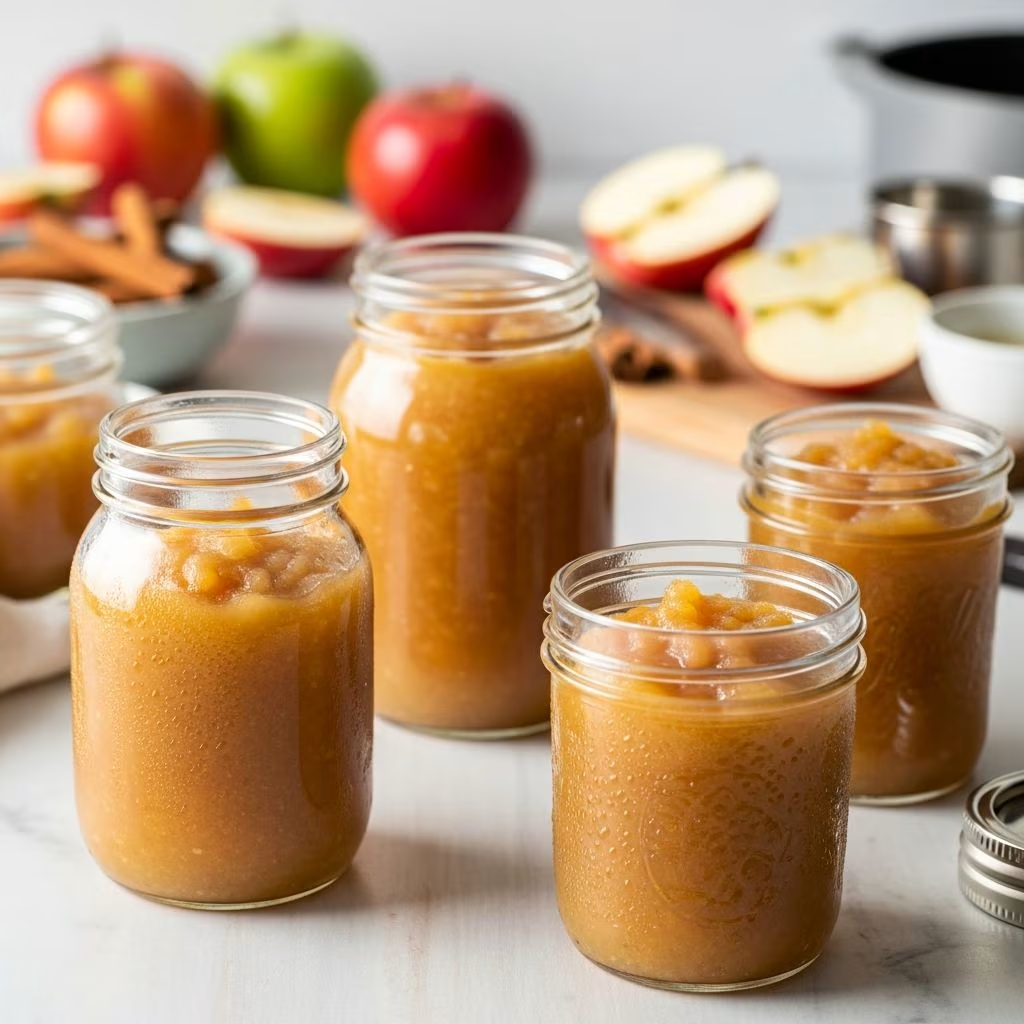
Multiple container options suit different needs and preferences. Freezer bags, while economical on space, require careful air removal before sealing to prevent oxidation. Freezer-safe containers with tight-sealing lids provide convenient portion management. Wide-mouth canning jars offer an attractive presentation and allow for easy thawing and serving directly from the jar. For individual servings or use in recipes, freezing applesauce in ice cube trays creates conveniently sized portions that can be transferred to bags for storage.
Critical consideration applies to container filling levels. Never fill containers to the brim, as applesauce expands as it freezes. Leaving approximately one-quarter inch of headspace in rigid containers and avoiding complete filling of soft bags prevents rupturing and contamination. Labeling containers with the preparation date and any special ingredients or modifications ensures easy identification and prevents confusion when retrieving from the freezer.
Storage Duration and Longevity
Properly frozen applesauce maintains quality for extended periods. Most sources recommend consuming frozen applesauce within nine months to one year, though quality gradually diminishes after the six-month mark. Refrigerated applesauce that remains unconsumed within two weeks should be either consumed or transferred to the freezer for longer-term storage. Temperature fluctuations and repeated thawing cycles accelerate quality degradation, so consistent freezer temperatures and minimal handling support maximum preservation duration.
Thawing and Serving Your Frozen Applesauce
When ready to enjoy your preserved applesauce, gentle thawing preserves quality and texture. Refrigerator thawing represents the optimal method, requiring overnight or several hours at cold temperatures. For more immediate use, applesauce thaws acceptably at room temperature within one to two hours. Once thawed, consume applesauce within several days rather than re-freezing, as repeated freezing cycles compromise texture and flavor. Thawed applesauce suits numerous applications beyond eating plain, including use over pancakes, mixed into yogurt, served alongside pork dishes, or incorporated into baked goods and desserts.
Flavor Variations and Customization
While simple applesauce maintains its own subtle charm, numerous flavor variations expand possibilities for enjoyment and experimentation. Ground cinnamon stands as the most traditional addition, contributing warmth and autumnal character. Vanilla extract adds sophisticated sweetness and complexity with minimal quantity required. Fresh ginger, either grated before cooking or incorporated during blending, brings subtle heat and digestive support. Nutmeg, allspice, or cloves mimic traditional spice cake flavors when used judiciously. Some cooks add brown sugar selectively, allowing the natural apple sweetness to shine while providing supplementary sweetness for those preferring less tart results. Apple cider instead of water intensifies apple flavor and reduces overall acidity.
Frequently Asked Questions
Can applesauce made without added sugar be frozen effectively? Yes, unsweetened applesauce freezes just as successfully as varieties containing sugar. Sugar acts primarily as a flavor enhancement rather than a preservation requirement. Unsweetened versions appeal to those monitoring sugar intake or preferring to sweeten finished applesauce according to personal preference before serving.
What should be done if the applesauce develops an off-color or odor during storage? Discard any applesauce displaying discoloration, off-odors, or visible mold or ice crystal formation indicating thaw cycles. Proper freezing prevents spoilage, but occasionally mishandled containers compromise contents and warrant removal.
Is peeling apples mandatory before making applesauce? No. Unpeeled applesauce requires additional blending time to achieve smoothness but delivers increased nutritional value and fiber content while reducing preparation labor significantly.
Can homemade applesauce be canned using traditional canning methods? Yes, though this guide emphasizes freezing as a simpler preservation method requiring no special equipment or processing techniques. Those interested in traditional canning should consult specialized canning resources for detailed safety procedures and sterilization protocols.
Maximizing Your Apple Season
Processing apples into frozen applesauce represents an excellent strategy for capturing peak-season freshness and flavor when apples are abundant and affordable. Rather than purchasing commercially prepared varieties containing additives and preservatives, homemade applesauce provides complete control over ingredients and allows customization to personal taste preferences. The relatively quick preparation time—often completed within one hour including cooking, blending, and initial cooling—makes batch production feasible even for those with limited free time.
Creating multiple batches with varied flavor profiles allows experimentation and provides variety throughout the year ahead. Some batches might emphasize cinnamon and natural sweetness, while others showcase unsweetened simplicity or subtle vanilla undertones. This approach transforms a seasonal ingredient abundance into year-round culinary versatility and personal satisfaction.
References
- An Easy Freezer Applesauce Recipe — Old World Garden Farms. 2023-09-26. https://oldworldgardenfarms.com/2023/09/26/homemade-freezer-applesauce/
- How To Make and Freeze a Delicious Freezer Friendly Applesauce — Souper Cubes. https://www.soupercubes.com/blogs/recipes/freezer-friendly-applesauce
- Freezer Applesauce — Wholefully. https://wholefully.com/no-cook-freezer-applesauce/
- Easy No-Peel Applesauce for the Freezer — Sungrown Kitchen. https://www.sungrownkitchen.com/easy-no-peel-applesauce-for-the-freezer/
- Best Homemade Apple Sauce Recipe — The Pioneer Woman. https://www.thepioneerwoman.com/food-cooking/recipes/a11239/homemade-applesauce/