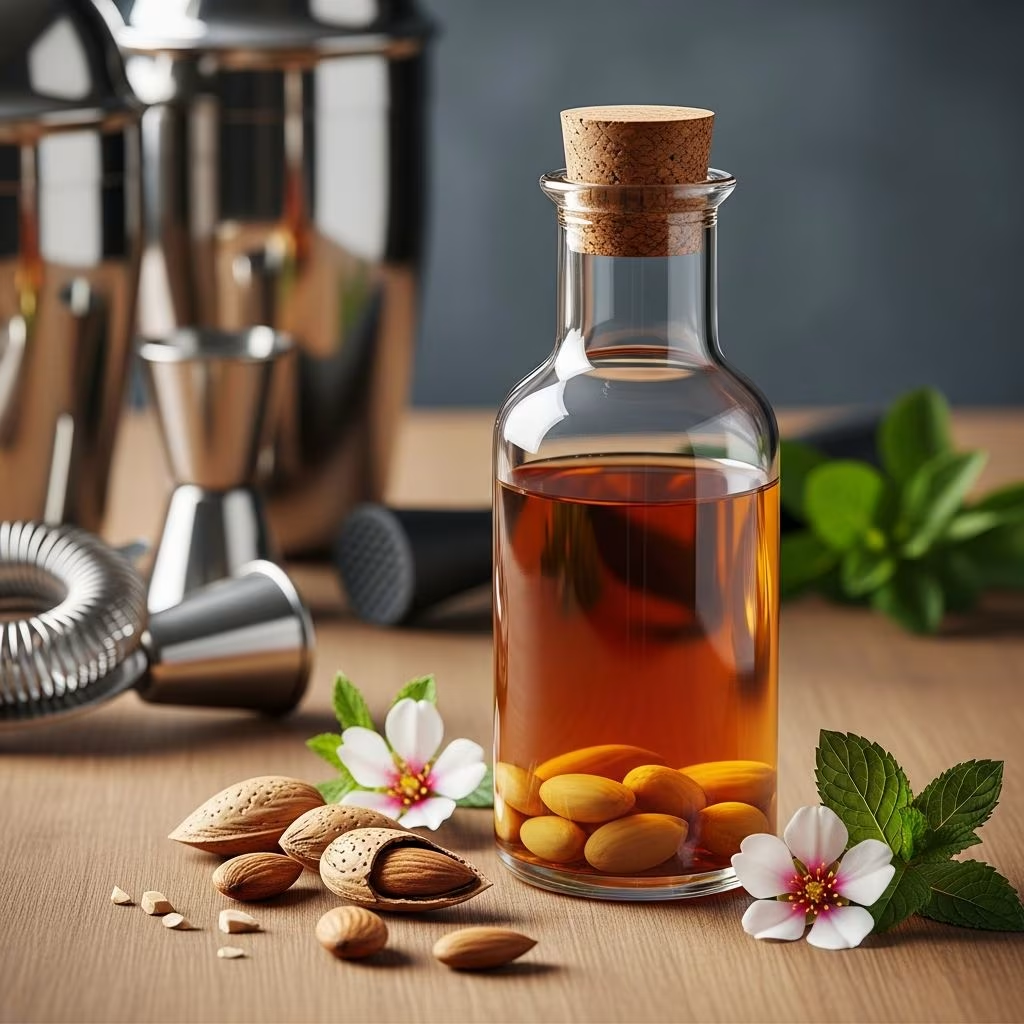
Almond syrup stands as one of the most essential components in modern mixology, yet many bartenders and home enthusiasts remain unaware of how straightforward it is to produce this elegant ingredient from scratch. This distinctive syrup has transcended its traditional role in classic cocktails to become a fundamental element in contemporary craft bars worldwide. The misconception that manufacturing this syrup requires extensive preparation time or specialized equipment has led countless people to rely on commercial brands, often at premium prices. The reality, however, tells a different story—creating outstanding almond syrup at home can be accomplished in mere minutes with ingredients readily available at any grocery store.
Understanding the Heritage and Evolution of Almond Syrup
This iconic syrup carries a rich history rooted in French culinary traditions. Originally crafted from barley during medieval times, the recipe underwent a remarkable transformation when almond producers discovered that these nuts provided superior flavor compared to traditional grain-based formulations. The evolution from barley to almonds represented a pivotal moment in cocktail ingredient development, establishing a legacy that continues to influence bartending practices today.
The contemporary iteration of almond syrup remains fundamentally true to its classical composition, featuring almonds as the primary ingredient combined with sugar, water, and aromatic essences. What distinguishes modern preparations is the recognition that simplicity and quality ingredients matter more than complexity or extended processing time. Contemporary bartenders and home mixologists have developed streamlined methods that preserve the authentic character of the syrup while eliminating unnecessary preparation steps.
Recognizing the Culinary Applications Beyond Cocktails
While this syrup gained prominence as a cocktail ingredient, its applications extend considerably beyond the bar. The distinctive nutty undertones combined with subtle floral notes make it suitable for various culinary applications. Pastry chefs incorporate it into desserts, beverage specialists use it in coffee preparations, and creative cooks apply it to both sweet and savory dishes. Understanding its versatility encourages home cooks to keep a supply readily available.
The syrup has become particularly important in the resurgence of tiki culture and tropical-themed mixology. Cocktails such as the Mai Tai and Saturn have experienced renewed popularity, primarily due to increased interest in classic recipes and craft bartending. This revitalization has democratized access to knowledge about specialty syrups, making homemade production more accessible to enthusiasts.
Selecting Quality Ingredients for Optimal Results
The foundation of exceptional almond syrup rests upon ingredient selection rather than complicated procedures. Choosing unsweetened, unflavored almond milk provides the most straightforward starting point for many modern recipes. When evaluating almond milk options, bartenders recommend prioritizing brands known for robust almond flavor profiles. Brands such as Califia, Almond Breeze Original, and Pacific consistently deliver pronounced roasty almond notes that enhance the final product.
Granulated white sugar serves as the standard sweetening agent, though some preparation methods incorporate superfine caster sugar for faster dissolution. The choice between these options depends primarily on available equipment and personal preference rather than a significant impact on final flavor. Some practitioners employ a combination of white and demerara sugar, which introduces subtle caramel notes and adds complexity to the finished syrup.
Aromatic essences separate acceptable preparations from truly distinguished syrups. Orange blossom water (also called orange flower water) represents the traditional choice, though rose water offers an interesting alternative. These ingredients require careful measurement because their concentrated nature means minimal quantities yield maximum impact. Excessive application results in an unpleasant perfumed character that overwhelms delicate almond undertones.
Almond extract provides concentrated almond flavor when fresh almonds remain unavailable or impractical. Ranging from one-quarter teaspoon to one and one-half teaspoons depending on the recipe and desired intensity, this ingredient ensures robust almond character throughout the syrup.
Fundamental Preparation Techniques
Multiple approaches to syrup production exist, each offering distinct advantages based on available time, equipment, and desired characteristics. Understanding these methods allows practitioners to select approaches matching their specific circumstances and preferences.
The Ultra-Quick Method for Immediate Use
The most expedient approach combines all ingredients in a jar and shakes vigorously until thoroughly mixed. This five-minute (or less) technique produces serviceable syrup without requiring any heating or straining. The straightforward nature of this method—simply combining unsweetened almond milk, simple syrup, almond extract, and orange flower water—makes it accessible to anyone regardless of bartending experience or kitchen expertise. While this approach generates an unfiltered product with a milky appearance, the flavor profile remains substantially similar to more labor-intensive methods.
The Stovetop Dissolution Method
A marginally more involved approach involves heating almond milk and sugar together in a saucepan until the sugar completely dissolves, typically requiring three to five minutes over medium-high heat. Once the mixture reaches the desired consistency and clarity, practitioners remove it from heat, add aromatic essences and optional spirits, then allow it to cool completely before transferring to storage containers. This method produces superior clarity compared to the shake-and-mix technique while maintaining simplicity and speed.
The Traditional Almond-Steeping Method
More traditional preparations involve toasting raw almonds, grinding them into powder, then steeping the mixture in sugar syrup for extended periods ranging from three to twelve hours. This labor-intensive approach requires straining through cheesecloth and produces more concentrated almond flavor compared to methods utilizing commercial almond milk. While this technique demands greater investment of time and effort, it generates distinctive depth that some practitioners consider superior to faster alternatives.
Step-by-Step Execution Using Modern Convenience Ingredients
Required Components:
- Two cups unsweetened, unflavored almond milk
- Four cups granulated sugar (or three cups if starting with simple syrup)
- One-half to one and one-half teaspoons almond extract
- One-quarter to one and one-half teaspoons rose water
- One-quarter to one and one-half teaspoons orange blossom water
- One-third cup cognac or brandy (optional but recommended)
Preparation Process:
- Pour almond milk into a medium saucepan and place over low to medium heat
- Add sugar gradually while stirring constantly to promote even dissolution
- Continue heating and stirring until all sugar dissolves completely, typically requiring one to three minutes
- Remove the saucepan from heat immediately upon achieving complete sugar dissolution
- Stir in almond extract, rose water, and orange blossom water with careful attention to proper measurement
- Add spirits if desired, which serves both preservation and flavor-enhancement functions
- Allow the mixture to cool to room temperature before transferring to sterilized containers
- Refrigerate for storage, where the syrup maintains quality for approximately four to six weeks
Achieving Desired Texture and Clarity Characteristics
The appearance of homemade syrup varies based on preparation methodology. Blended preparations produce milky, opaque syrups that contain suspended almond particles, contributing creamy mouthfeel and visual distinctiveness. Those preferring crystalline clarity may implement filtering techniques using fine mesh strainers or multiple layers of cheesecloth, though this process demands patience and time investment.
The choice between filtered and unfiltered preparations depends on intended application and personal preference rather than quality considerations. Both versions deliver comparable flavor profiles and perform identically in cocktail applications. The primary distinction involves visual presentation and textural experience when consumed directly.
Storage Protocols and Longevity Considerations
Proper storage extends the usable lifespan of homemade syrup significantly. Transfer completely cooled syrup to sterilized glass bottles or jars featuring airtight seals to prevent contamination and oxidation. Refrigeration maintains quality for approximately four to six weeks when stored correctly. For extended preservation, practitioners may increase alcohol content or implement freezing protocols, though most home users consume their supply well within standard refrigeration timeframes.
Flavor Customization and Personal Adaptation
While traditional recipes provide reliable starting points, personalization enhances the preparation process by allowing practitioners to emphasize preferred characteristics. Those preferring pronounced almond intensity may increase extract quantities or incorporate freshly ground almonds into their preparations. Individuals favoring subtle floral notes might decrease orange blossom water while increasing rose water proportions, creating a distinctly different aromatic profile.
The optional addition of spirits such as cognac, brandy, or vodka serves multiple functions simultaneously. These additions enhance preservation properties, contribute subtle flavor dimensions, and elevate the overall complexity of the finished product. Some practitioners omit spirits entirely, producing entirely non-alcoholic syrups suitable for various applications.
Cocktail Applications and Serving Recommendations
The primary application for homemade almond syrup remains craft cocktail preparation. Classic recipes including the Mai Tai and Saturn depend upon this ingredient to achieve their characteristic flavor profiles and textural balance. Contemporary mixologists continue developing innovative applications that showcase almond syrup’s distinctive qualities in both traditional and modern preparations.
Bartenders typically employ one-half to one ounce of almond syrup per cocktail, adjusted according to recipe specifications and personal taste preferences. The syrup combines readily with aged rum, bourbon, brandy, and gin, establishing harmonious flavor combinations that reward careful measurement and quality ingredient selection.
Troubleshooting Common Preparation Challenges
Excessive Floral Intensity: If your finished syrup tastes like perfume rather than a pleasant floral note, you likely added too much rose water or orange blossom water. Future batches benefit from reducing these ingredients by one-quarter to one-half and adjusting upward gradually until desired intensity emerges.
Insufficient Almond Character: Weak almond flavor typically results from using insufficiently “almondy” almond milk brands. Experiment with alternative commercial options or incorporate additional almond extract in subsequent preparations.
Grainy Texture: This undesirable characteristic indicates incomplete sugar dissolution, prevented by continuing to heat and stir until complete clarity emerges before removing from heat. Alternatively, sugar recrystallization may occur during cooling; gentle reheating while stirring resolves this issue without compromising flavor.
Bonus Applications for Almond Solids
Practitioners employing traditional almond-steeping methods generate almond meal as a byproduct during straining. Rather than discarding this ingredient, creative cooks repurpose it as marzipan or almond paste for use in pastries, cakes, and confections. This dual-product outcome transforms what might otherwise be waste into valuable additional ingredients, maximizing value from the original preparation effort.
Frequently Asked Questions
How long does homemade almond syrup remain fresh?
Properly stored homemade almond syrup maintains quality for approximately four to six weeks when refrigerated in airtight containers. Adding alcohol extends preservation properties considerably, potentially doubling storage duration in some circumstances.
Can I make almond syrup without almond milk?
Yes, traditional methods involve soaking ground almonds directly in sugar syrup. While this approach requires more preparation time (typically 3-12 hours steeping), it produces concentrated almond flavor that some practitioners prefer.
Is almond syrup appropriate for vegan cocktails?
Most homemade almond syrup preparations are naturally vegan, relying on almond milk and plant-based sugars. Verify that any additional ingredients such as spirits comply with vegan standards if this consideration matters for your application.
What distinguishes commercial from homemade almond syrup?
Commercial versions may contain preservatives, additional thickening agents, or alternative flavorings not present in homemade preparations. Quality commercial brands often cost significantly more than homemade alternatives while delivering comparable flavor profiles.
References
- Quick and Easy Orgeat — Blossom to Stem. Accessed April 2026. https://www.blossomtostem.net/quick-and-easy-orgeat/
- DIY Orgeat Recipe – the quick & easy way! — Steve the Bartender on YouTube. Accessed April 2026. https://www.youtube.com/watch?v=lyYhUZIg6nc
- The EASIEST way to make Orgeat – revised! — YouTube. Accessed April 2026. https://www.youtube.com/watch?v=GtU8XnqCD4s
- Orgeat — The Wee Pearl. Accessed April 2026. https://www.theweepearl.com/recipes/orgeat
- Quick Orgeat Syrup Recipe — Anders Erickson. Accessed April 2026. https://www.anderserickson.com/quick-orgeat-syrup-recipe
- Quick Orgeat Syrup Recipe with Almond Milk — Moody Mixologist. Accessed April 2026. https://www.moodymixologist.com/blog/quick-orgeat-syrup-recipe-with-almond-milk
- Easy Orgeat Syrup Recipe – How to Make Orgeat — Bevvy. Accessed April 2026. https://bevvy.co/articles/how-to-make-orgeat-syrup/887
- Homemade Orgeat — The Drink Blog. Accessed April 2026. https://thedrinkblog.com/homemade-orgeat/