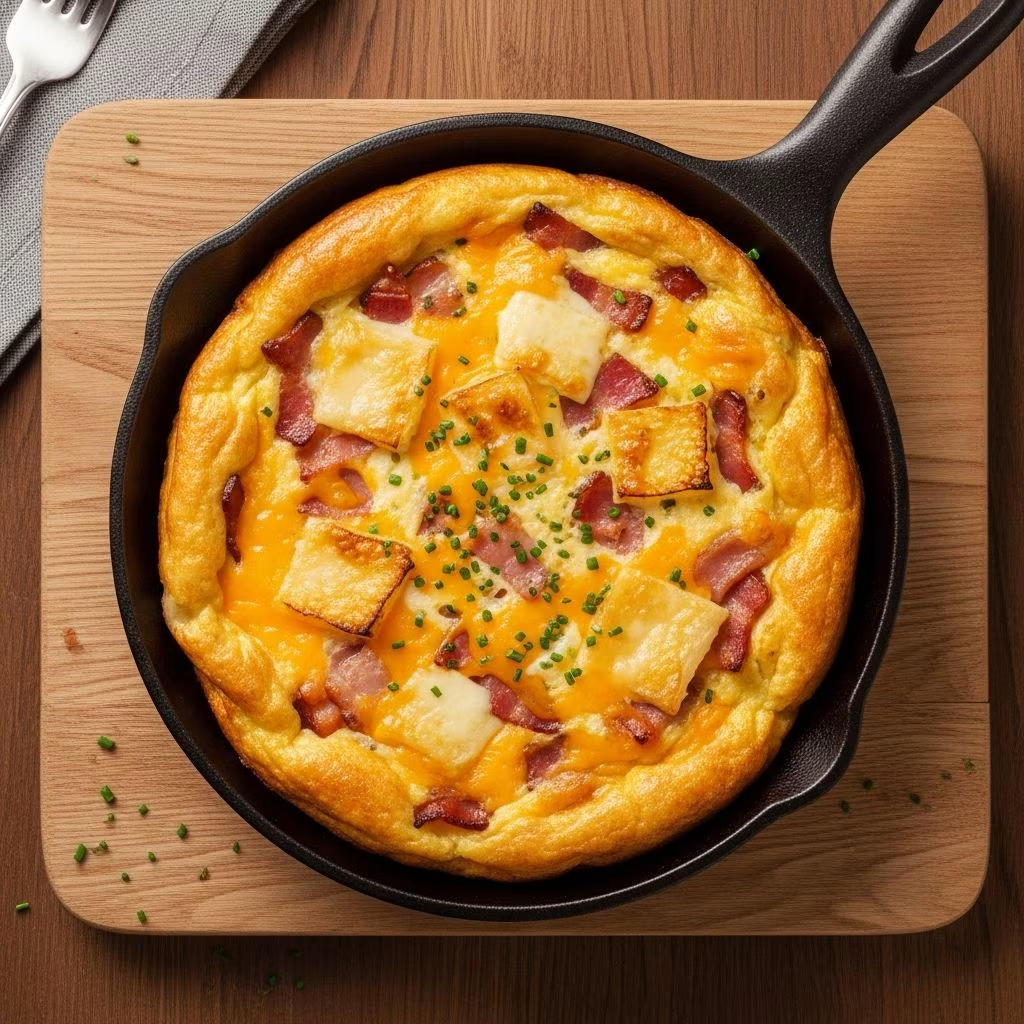
A frittata represents one of the most versatile and approachable dishes in the breakfast kitchen. This Italian-inspired egg-based creation transforms simple pantry staples into a sophisticated meal that works equally well for weekday mornings or elegant weekend brunch gatherings. The combination of crispy bacon and melted cheese elevates the basic egg preparation into something truly memorable.
Understanding the Fundamentals of Frittata Cooking
The frittata cooking method differs significantly from traditional scrambled eggs or omelets. Rather than constant stirring or folding, a frittata relies on a two-stage cooking process that combines stovetop searing with oven finishing. This hybrid approach allows the eggs to set gradually while developing a light, custardy texture throughout. The initial stovetop phase typically lasts 2 to 4 minutes, during which the egg mixture begins to firm at the edges and bottom. The oven phase then completes the cooking process, creating a uniformly set center without requiring the cook’s constant attention.
Understanding this cooking philosophy is essential because it explains why frittatas often turn out more successfully than scrambled eggs. The oven’s gentle, even heat distributes cooking throughout the entire dish, preventing the overcooked outer edges and undercooked center that plague other egg preparation methods.
Essential Ingredients and Their Roles
The foundation of any bacon and cheese frittata begins with quality eggs. A standard frittata recipe uses 8 to 12 large eggs, though the exact number depends on serving size and ingredient density. Room temperature eggs integrate more evenly with other components, creating a homogeneous mixture that cooks uniformly.
The liquid component deserves careful attention. While water technically works, most traditional recipes incorporate either whole milk or heavy cream. These dairy options add richness and create a custard-like consistency rather than a dense, rubbery texture. Greek yogurt appears in modern variations, providing protein and tanginess while reducing overall fat content.
Bacon selection impacts both flavor intensity and final texture. Most recipes recommend 6 to 8 strips, diced into bite-sized pieces before cooking. Cooking bacon until it reaches a crispy-yet-tender state (not burnt) provides maximum flavor without overwhelming the delicate egg component. The rendered fat from bacon serves as the cooking medium, eliminating the need for additional butter and contributing characteristic savory notes.
Cheese selection opens numerous possibilities. Popular options include:
- Gruyère: Offers nutty, sophisticated flavor with excellent melting properties
- Parmesan: Delivers sharp, umami-forward taste; shredded varieties incorporate throughout while grated additions garnish the finished dish
- Cheddar: Provides classic, approachable flavor and reliable melting
- Goat cheese: Creates tanginess and creamy texture in smaller quantities
Seasonal vegetables and aromatic elements customize frittatas while complementing the bacon and cheese foundation. Fresh spinach, roasted red peppers, caramelized onions, and fresh herbs like chives and parsley enhance complexity without overwhelming the primary ingredients.
Preparation Strategy and Ingredient Organization
Successful frittata preparation requires organizing components before cooking begins. This mise en place approach prevents scrambling mid-recipe and ensures even cooking.
Step One: Oven Preheating
Preheat your oven to 350°F (or 425°F for expedited cooking). An oven-safe skillet is essential—cast iron works exceptionally well due to its heat distribution properties and ability to transition seamlessly from stovetop to oven.
Step Two: Egg Mixture Preparation
Whisk together eggs, cream or milk, salt, pepper, and any seasonings like Dijon mustard or nutmeg in a medium bowl. This step ensures even distribution of seasonings and incorporates air into the mixture, contributing to a lighter final texture. Allow this mixture to rest while preparing other components.
Step Three: Bacon and Aromatics Processing
Heat your oven-safe skillet over medium heat and add diced bacon. Cook for 3 to 5 minutes, stirring occasionally, until the bacon renders fat and reaches a partially crispy state. At this point, add diced onion or other aromatic vegetables, continuing to cook until vegetables soften and bacon crisps completely—typically another 3 to 5 minutes.
The Critical Cooking Process
Once your aromatics and bacon reach optimal texture, the cooking process accelerates. Spread the bacon and vegetable mixture evenly across the skillet’s bottom. If using additional vegetables like spinach or roasted peppers, incorporate them at this stage.
Pour the prepared egg mixture into the skillet without stirring—this restraint proves crucial. The still liquid eggs settle around the bacon and vegetables, creating even distribution without disrupting the developing egg structure. Sprinkle cheese across the surface, ensuring it distributes throughout the mixture.
Allow the frittata to cook undisturbed on the stovetop for 2 to 4 minutes. During this phase, eggs adjacent to the hot pan surface begin setting while the center remains liquid. You’ll observe the mixture thickening at the edges while the center jiggles when you gently shake the pan.
Transfer the skillet to your preheated oven and bake for 10 to 15 minutes, depending on your oven temperature and frittata thickness. The frittata finishes cooking when the center no longer jiggles when you shake the pan gently and the top develops a light golden color. Slight puffing around the edges indicates proper doneness.
Finishing Touches and Serving Considerations
Allow the completed frittata to rest for 2 to 4 minutes before slicing. This brief resting period allows the proteins to continue setting slightly, making the frittata easier to portion cleanly. Garnish with fresh herbs like chives or parsley and additional cheese if desired.
Frittatas slice most cleanly when fully cooled to room temperature, though many diners prefer them served warm. A large spatula works better than a knife for removing individual portions without disrupting the structure. The frittata serves 4 to 6 people, depending on portion size and appetite.
Exploring Flavor Variations and Customizations
The bacon and cheese foundation accommodates numerous creative additions. Spiralized potatoes add textural contrast and increased satiety. Roasted red peppers contribute sweetness and visual appeal. Fresh spinach wilts during cooking, reducing in volume while providing nutritional density.
Seasoning variations expand possibilities considerably. Garlic powder, cayenne pepper, smoked paprika, or Italian seasoning complement the basic recipe without overwhelming delicate egg flavors. Nutmeg, traditionally found in quiche-style preparations, adds subtle warmth to bacon and cheese combinations.
Storage and Make-Ahead Strategies
Frittatas maintain quality refrigerated for 3 to 4 days, making them excellent make-ahead breakfast solutions. Cool completely before covering and refrigerating. Reheat individual portions in a microwave for 30 to 60 seconds or in a 300°F oven for 8 to 10 minutes, preserving texture better than microwave reheating alone.
Most ingredients can be prepped the evening before cooking. Chop vegetables, cook bacon, and whisk the egg mixture separately, storing each component in separate containers. This advance preparation transforms cooking day into a simple assembly and baking process.
Frequently Asked Questions
Can I prepare a frittata without an oven-safe skillet?
While oven-safe skillets provide the most convenient method, you can transfer the partially cooked frittata to a baking dish for oven finishing. This approach requires slightly more effort but produces comparable results.
What temperature should eggs be before mixing?
Room temperature eggs combine more smoothly with other ingredients and cook more evenly than cold eggs straight from refrigeration. Remove eggs from the refrigerator 15 to 20 minutes before cooking.
How do I prevent the frittata from sticking to the skillet?
The bacon’s rendered fat typically prevents sticking if distributed evenly across the skillet’s interior. Alternatively, coat the skillet lightly with butter or cooking spray before adding the egg mixture.
Can I freeze leftover frittata?
Yes, cooled frittata slices freeze well for up to one month. Wrap individual portions in plastic wrap, then place in freezer bags. Thaw overnight in the refrigerator before reheating.
Is there a dairy-free frittata option?
Substitute dairy milk with unsweetened almond milk or oat milk in equal proportions. The frittata will be slightly less creamy but remains delicious. Some cooks substitute nutritional yeast for part of the cheese to maintain umami flavors.
Nutritional Considerations
A frittata provides substantial protein from eggs and cheese, making it an excellent choice for strength-training athletes or those prioritizing satiety. The bacon contributes fat-soluble vitamins and selenium, while vegetables add fiber and micronutrients. Portion sizes of approximately one-sixth to one-eighth of the total frittata provide balanced nutrition for most diets.
Troubleshooting Common Issues
Overcooked, rubbery texture typically results from excessive baking time. Check for doneness at the 10-minute mark rather than waiting the full prescribed time. Oven temperatures vary, so visual cues (a slight jiggle remaining at the very center) indicate doneness better than timers.
Undercooked centers suggest insufficient oven time or temperature. Ensure your oven maintains proper temperature with an independent oven thermometer if you suspect calibration issues.
Sticking problems usually stem from inadequate fat distribution or insufficient coating on the skillet. Verify that bacon fat coats the entire interior surface before adding eggs.
Conclusion
Mastering the bacon and cheese frittata opens doors to countless breakfast possibilities while developing fundamental egg-cooking skills applicable to numerous other dishes. The straightforward technique, minimal ingredient requirements, and impressive results make frittatas accessible to novice cooks while satisfying experienced culinary enthusiasts. Whether preparing breakfast for two or feeding a crowd at weekend brunch, this versatile preparation delivers consistent, delicious results every time.
References
- Cheesy Bacon Spinach Frittata — Joyful Healthy Eats. 2024. https://www.joyfulhealthyeats.com/cheesy-bacon-spinach-frittata/
- Easy Parmesan Bacon Frittata — HappiHomemade. 2024. https://happihomemade.com/bacon-parmesan-frittata/
- Egg Frittata with Bacon and Cheese — Weekend at the Cottage. 2024. https://weekendatthecottage.com/egg-frittata-with-bacon-and-cheese/
- Bacon, Egg and Cheese Frittata with Spiralized Potatoes — Inspiralized. 2024. https://inspiralized.com/bacon-egg-and-cheese-frittata-with-spiralized-potatoes/
- Make a Delicious Weekend Egg Frittata with Bacon and Cheese — Weekend at the Cottage (Video). 2024. https://www.youtube.com/watch?v=2kmCyAdMkCo