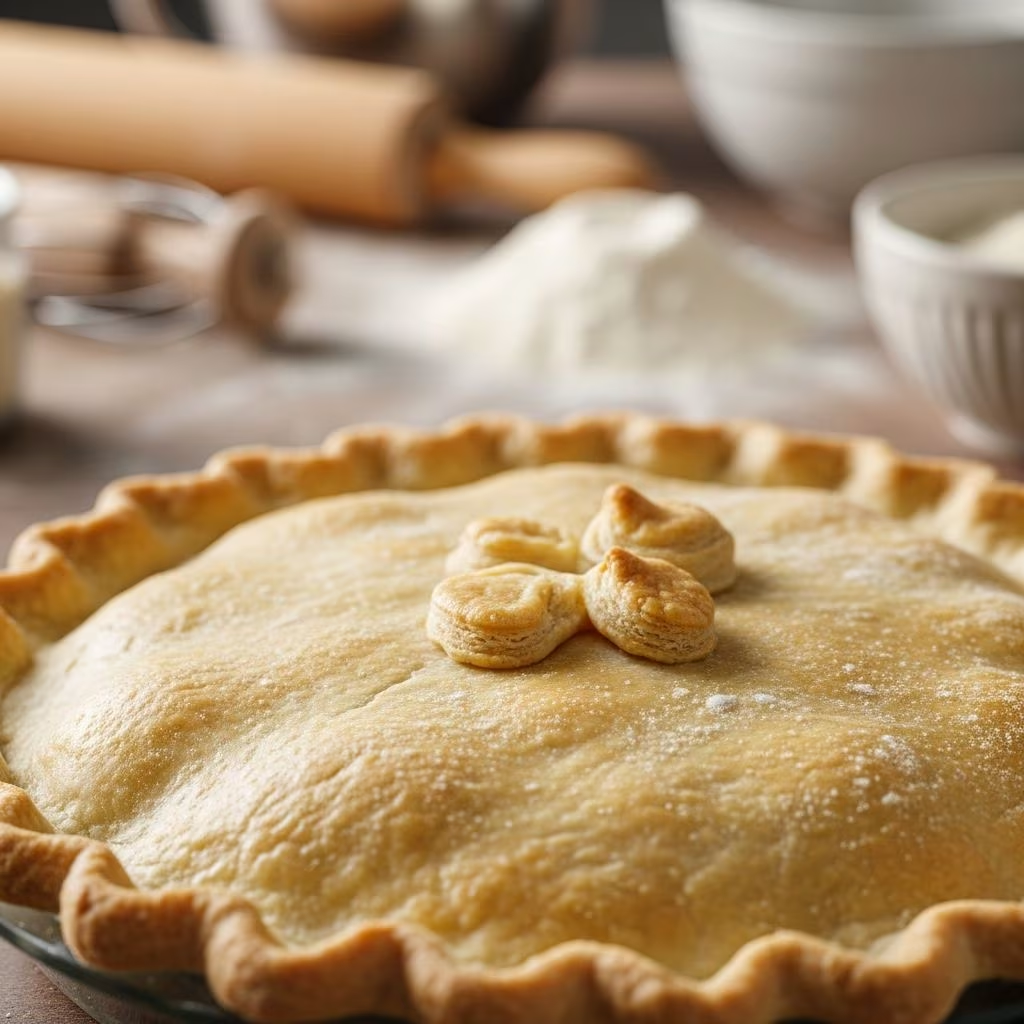
Creating a pie crust that shatters into buttery layers with every bite is the hallmark of masterful baking. This guide dives deep into the science, techniques, and recipes for achieving professional-level results in your own kitchen. Whether you’re prepping for holiday desserts or weeknight quiches, understanding the fundamentals will elevate your pies from good to unforgettable.
Why Pie Crust Matters in Baking Success
The foundation of any great pie lies in its crust. A well-made crust provides structure, texture contrast, and flavor enhancement to fillings. Poor crusts can turn even the tastiest filling soggy or tough, while exceptional ones deliver flakiness from steam pockets formed during baking and tenderness from proper fat incorporation.
Historically, pie crusts evolved from medieval Europe as edible containers for meats and fruits, transitioning to delicate pastries in modern American baking. Today, bakers prioritize all-butter versions for superior taste over traditional lard or shortening blends.
Essential Ingredients for Superior Dough
Selecting high-quality components is crucial. Here’s a breakdown:
- Flour: All-purpose flour offers balanced protein (10-12%) for structure without toughness. Bread flour is too strong; cake flour too weak.
- Fat: Cold butter creates flaky layers as it melts and releases steam. European-style butter with higher fat content (82%+) yields richer results.
- Liquid: Ice water hydrates gluten minimally; vinegar or eggs add tenderness by inhibiting overdevelopment.
- Salt and Sugar: Enhance flavor; sugar tenderizes and aids browning.
| Ingredient | Role | Best Choice |
|---|---|---|
| Flour | Structure | All-purpose, sifted |
| Butter | Flakiness & Flavor | Unsalted, very cold |
| Water | Hydration | Ice-cold, added gradually |
| Salt | Flavor | Kosher or sea salt |
Step-by-Step All-Butter Pie Crust Recipe
This foolproof recipe yields two 9-inch crusts, perfect for double-crust pies. Prep time: 20 minutes. Chill time: 2 hours. Total: 2 hours 20 minutes.
Ingredients (Makes 2 crusts)
- 2½ cups (300g) all-purpose flour
- 1 tsp sugar
- 1 tsp salt
- 1 cup (2 sticks, 226g) cold unsalted butter, cubed
- 6-8 tbsp ice water
- 1 tsp white vinegar (optional, for tenderness)
Method
- Combine Dry Ingredients: In a large bowl or food processor, whisk flour, sugar, and salt.
- Incorporate Butter: Add cold butter cubes. Cut in using a pastry blender or pulse until pea-sized pieces form. Avoid overworking to preserve flakiness.
- Add Liquid: Drizzle ice water and vinegar over mixture. Stir or pulse until dough just clumps when squeezed. Add water 1 tbsp at a time if needed.
- Form Disks: Divide into two balls, flatten into disks, wrap in plastic, and chill 2 hours or overnight.
- Roll Out: On floured surface, roll from center outward to 12-inch circle, ⅛-inch thick. Transfer to pie plate.
For blind baking: Prick bottom with fork, line with parchment and pie weights, bake at 375°F (190°C) for 20 minutes, then remove weights and bake 10 more.
Techniques for Maximum Flakiness
Flakiness comes from thin, alternating layers of fat and flour that create steam pockets in the oven. Key pro tips:
- Keep everything ice-cold: Freeze butter cubes 15 minutes before using. Chill bowl and tools.
- Use the ‘fraisage’ method: Smear dough outward with heel of hand once after initial mixing for even layers without toughening.
- Minimal handling: Over-kneading develops gluten, leading to toughness. Form gently.
- Rest and chill: Hydration evens out during chilling, preventing shrinkage.
Common Mistakes and Fixes
Even seasoned bakers falter. Here’s how to avoid pitfalls:
| Problem | Cause | Solution |
|---|---|---|
| Tough Crust | Overworked dough | Handle minimally; chill adequately |
| Soggy Bottom | Too much liquid or no pre-bake | Blind bake; use cornstarch barrier |
| Shrinking | No chill time | Refrigerate 2+ hours; trim overhang |
| Cracks on Rolling | Too cold or dry | |
| Not Flaky | Warm butter | Freeze fat; work quickly |
Variations for Every Pie Type
Adapt your crust to suit fillings:
- Sweet Pies: Add 1-2 tbsp sugar and a splash of vanilla to dough.
- Savory Quiches: Omit sugar; add herbs like thyme or cheddar.
- Gluten-Free: Swap flour for 1:1 GF blend with xanthan gum.
- Vegan: Use plant-based butter and aquafaba instead of egg.
- Extra Tender: Incorporate 1 egg yolk and cream.
For lattice tops: Roll scraps thinly, cut strips, weave over filling, brush with egg wash for shine.
Storage and Make-Ahead Strategies
Dough freezes beautifully: Wrap tightly, up to 3 months. Thaw overnight in fridge. Par-baked crusts freeze 1 month; bake from frozen adding time. Baked pies keep 3-4 days refrigerated; freeze whole up to 6 months.
Pairing with Iconic Pie Fillings
Test your crust with classics:
- Apple: Cinnamon-spiced with cornstarch thickener.
- Pumpkin: Silky custard that highlights buttery base.
- Chocolate Cream: Layers with whipped topping.
- Chicken Pot Pie: Hearty savory contrast.
Frequently Asked Questions
Can I use shortening instead of butter?
Yes, for flakier, more stable crusts, but it lacks butter’s flavor. Blend half-and-half.
How do I prevent shrinking?
Chill dough 2 hours, avoid stretching when fitting plate, leave ½-inch overhang.
What’s the best way to roll dough?
Flour surface lightly, use rolling pin from center out, rotate 90 degrees often.
Why add vinegar or acid?
It weakens gluten for tenderness without sogginess.
Can I make crust in a food processor?
Absolutely: Pulse dry ingredients with butter to crumbs, add liquid pulsing minimally.
Advanced Tips from Baking Pros
For next-level results:
- Invert pie plate when rolling to check size.
- Use grated frozen butter for even distribution.
- Brown beautifully with egg wash (1 egg + 1 tbsp cream).
- Experiment with weights like dried beans for blind baking.
Practice builds confidence. Start simple, refine techniques, and soon your pies will steal the show.
References
- Best All Butter Pie Crust Recipe (Flaky, Tender & Foolproof) — Bigger Bolder Baking. 2023. https://www.youtube.com/watch?v=E8D54t_jDvg
- Best Perfect Pie Crust Recipe — The Pioneer Woman. 2024-10-15. https://www.thepioneerwoman.com/food-cooking/recipes/a62334576/perfect-pie-crust-recipe/
- Pie Crust Recipe (with Video) — Natasha’s Kitchen. 2023. https://natashaskitchen.com/easy-pie-crust-recipe/
- How to Make the Perfect Homemade Pie Crust — Carla Hall. 2024. https://carlahall.com/how-to-make-the-perfect-homemade-pie-crust/
- Best Pie Crust Recipe — Delish. 2024. https://www.delish.com/cooking/recipe-ideas/a44675460/pie-crust-recipe/