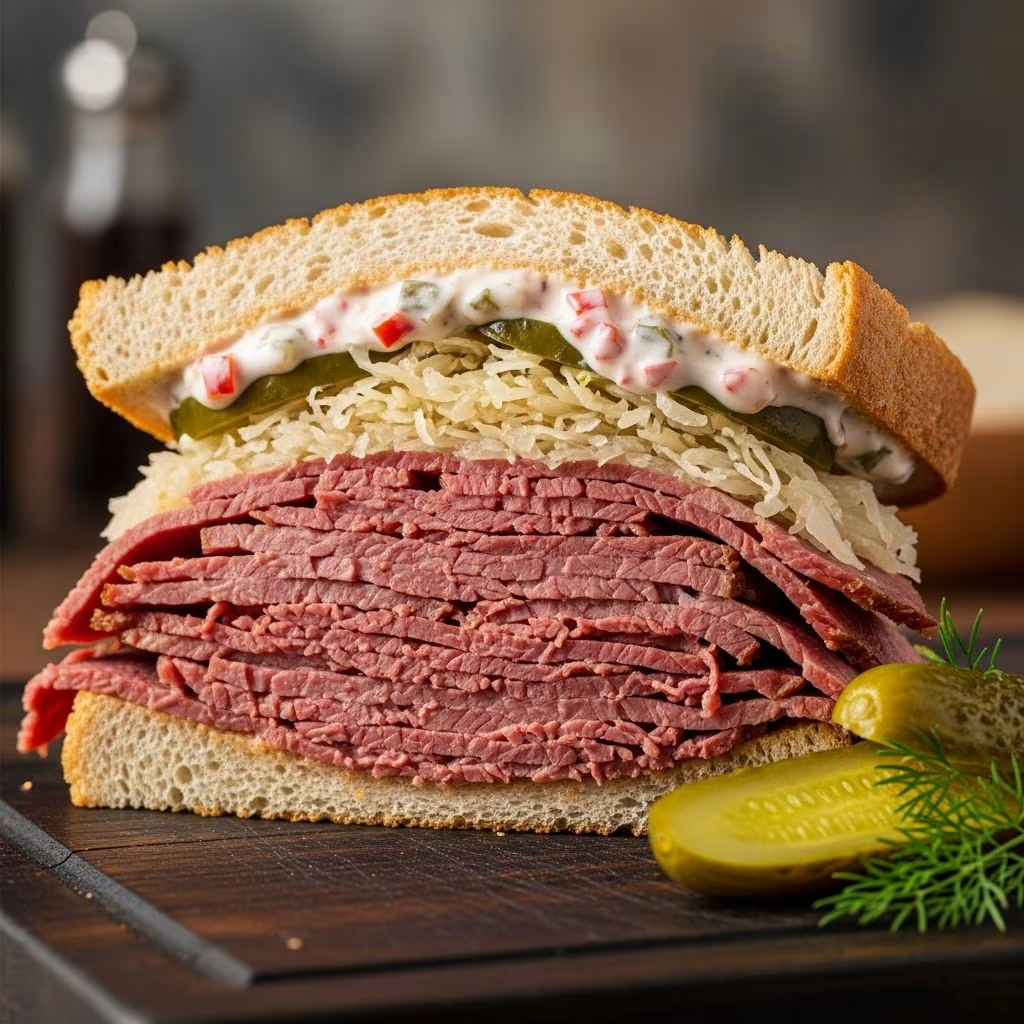
The corned beef sandwich represents one of the most beloved comfort foods in American cuisine, particularly within delis and casual dining establishments. However, crafting an exceptional version at home requires understanding the fundamental components, proper assembly techniques, and cooking methods that transform simple ingredients into a memorable meal. This comprehensive guide explores everything needed to create restaurant-quality corned beef sandwiches in your own kitchen.
Understanding Your Core Ingredients
Building an outstanding corned beef sandwich begins with selecting high-quality base components. Each ingredient plays a crucial role in creating the overall flavor profile and texture of the final product. When shopping for materials, prioritize freshness and authenticity to ensure the best possible results.
The Protein Foundation
Corned beef serves as the centerpiece of this sandwich. This salt-cured brisket offers a distinctly savory, tender quality that distinguishes it from regular roast beef. You have two primary options: utilize leftover homemade corned beef from a previous meal, or purchase pre-sliced deli corned beef. Deli varieties typically offer convenience and consistent thickness, though homemade versions often deliver superior flavor complexity. When selecting deli corned beef, request thin to medium slices rather than thick cuts, as thinner portions distribute more evenly throughout the sandwich and provide better integration with other components.
Bread Selection Matters
The bread foundation determines texture, flavor compatibility, and structural integrity. Rye bread remains the traditional choice for corned beef sandwiches, particularly varieties featuring caraway seeds. The earthy, malty undertones of rye complement the meat’s savory profile beautifully. Alternative options include sourdough for a tangier dimension, hearty pumpernickel for deeper flavor, or seedless rye for those preferring a cleaner taste. Some contemporary approaches utilize potato rolls or ciabatta for softer textures. The bread must possess sufficient structural integrity to support generous layers without becoming soggy or collapsing during cooking or eating.
Cheese Considerations
Swiss cheese represents the most popular cheese pairing, offering mild flavor and excellent melting properties that complement rather than overpower the corned beef. Mozzarella provides a creamier texture, while provolone adds subtle nuttiness. The cheese should melt uniformly to create a cohesive layer binding other ingredients together. Using 2-3 slices per sandwich ensures adequate coverage without excessive heaviness.
Building Your Flavor Profile
The condiments and accompaniments define the sandwich’s character. Understanding how these components interact allows for both traditional execution and creative experimentation.
Spread Options
Traditional spreads include:
- Mustard-based preparations: Whole grain, spicy brown, or Dijon varieties provide sharp tang that cuts through the meat’s richness
- Russian or Thousand Island dressing: These creamy-tangy combinations add moisture and subtle sweetness
- Horseradish mayo: A peppery blend offering heat and creaminess simultaneously
- Butter: Essential for toasting and creating golden-brown bread exteriors
Application technique matters significantly. Spread condiments on the untoasted bread side initially, reserving butter for exterior surfaces that will contact the cooking surface.
Vegetable Layers
Traditional additions include:
- Sauerkraut: Fermented cabbage providing sour, tangy complexity and probiotic benefits
- Fresh coleslaw: Crunchy cabbage and carrot mixture offering textural contrast and bright acidity
- Pickle chips or dill pickles: Adding crisp texture and vinegary brightness
- Sautéed onions: Bringing subtle sweetness and depth
These components prevent the sandwich from becoming monotonous while adding nutritional value and moisture that counterbalances the protein’s density.
Assembly and Preparation Techniques
Proper assembly ensures even distribution of all components and optimal eating experience.
The Layering Process
Follow this systematic approach for consistent results:
- Begin with your bottom bread slice, placing it on a clean surface
- Apply a thin layer of spread (mustard, dressing, or horseradish mayo) to the unbuttered surface
- Distribute corned beef slices evenly, slightly overlapping them for complete coverage
- Add cheese slices directly atop the meat
- Layer vegetables (sauerkraut, coleslaw, or pickles) on top of the cheese
- Apply remaining spread to the top bread slice’s interior surface
- Press the top slice gently onto the vegetable layer, buttered side facing upward
This sequence allows ingredients to meld during cooking while maintaining structural definition.
Cooking Methods
Skillet cooking provides superior results compared to cold service. Heat a medium skillet over medium heat, then place the assembled sandwich butter-side down into the pan. Cook for 3-4 minutes until the bread achieves golden-brown coloring and develops a crispy exterior. The butter creates the desired crunch while allowing cheese to begin melting. Gently flip the sandwich using a spatula and cook the opposite side for another 3-4 minutes. Press lightly with the spatula during cooking to encourage cheese melting and ingredient bonding without squashing the bread.
For oven-based preparation, place assembled sandwiches (butter-side up) on a baking sheet and bake at 350°F for 5-7 minutes until cheese melts completely and bread toasts to your preference. This method works particularly well when preparing multiple sandwiches simultaneously.
Regional and Creative Variations
While tradition guides classic corned beef sandwich preparation, numerous regional interpretations showcase ingredient versatility and cultural influences.
Popular Sandwich Variations
| Variation | Key Ingredients | Flavor Profile |
|---|---|---|
| Classic Deli Style | Rye, Swiss, sauerkraut, mustard | Tangy, savory, traditional |
| Coleslaw Variation | Sourdough, Swiss, fresh slaw, Thousand Island | Creamy, fresh, modern |
| Horseradish Pepper | Sourdough, mozzarella, pickles, horseradish mayo | Spicy, bold, sharp |
| Bagel Interpretation | Everything bagel, cheese, sautéed onions, pickles | Rich, sweet-savory, unique texture |
| Potato Roll Style | Soft rolls, horseradish mayo, cabbage slaw | Tender, balanced, approachable |
Ingredient Selection Guide
Choosing Quality Components
Corned beef selection: Examine color (deep pink to reddish indicates proper curing), smell for distinctive salt-cure aroma, and confirm slicing consistency. Pre-packaged deli corned beef should display minimal separation between slices.
Bread purchasing: Select bread baked within 24 hours when possible. Squeeze gently—quality bread should spring back without leaving indentations. Avoid bread with visible mold or staleness indicators.
Cheese evaluation: Swiss cheese should exhibit small, consistent holes and pale yellow coloring. Avoid cheeses with surface discoloration or strong ammonia smell, which indicate age-related degradation.
Condiment freshness: Check expiration dates on all packaged items. Prepared spreads like Thousand Island dressing should display vibrant color and consistent texture without separation.
Frequently Asked Questions
Can I prepare corned beef sandwiches in advance?
For best results, assemble sandwiches immediately before cooking. Pre-assembly allows bread to absorb moisture from spreads and vegetables, resulting in sogginess. However, you can prepare individual components hours ahead, then quickly assemble and cook when ready to eat. Store corned beef, cheese, and vegetables in separate containers until assembly time.
What’s the difference between corned beef and pastrami sandwiches?
Corned beef comes from brisket with a salt-cure focus, offering tender, fatty texture. Pastrami utilizes similar cuts but includes additional spice-rub curing, providing smokier, more peppery characteristics. Sandwich preparation methods remain similar, though pastrami traditionally skips sauerkraut in favor of mustard-based approaches.
How can I make the sandwich less heavy?
Reduce corned beef quantity by using thinner slices or less total volume. Replace regular cheese with reduced-fat varieties or eliminate cheese entirely. Increase vegetable portions, particularly fresh slaw and pickles, which provide volume and satisfaction with fewer calories. Opt for lighter bread varieties or use a single slice rather than traditional sandwich construction.
Can I use cooked corned beef from scratch versus deli counter?
Absolutely. Homemade corned beef often delivers superior flavor and texture control. Slice properly cooled homemade corned beef thinly using a sharp knife or partially freeze before slicing for better definition. Deli corned beef provides convenience and consistent results for those preferring simpler preparation.
Serving and Accompaniments
Transform the corned beef sandwich into a complete meal by selecting complementary side dishes. Kettle chips or crispy potato chips provide textural contrast and satisfy salt cravings. Dill pickle spears served on the side add cooling acidity that cleanses the palate between bites. Coleslaw as a standalone side dish balances richness. Tomato soup creates a classic pairing, with the sandwich’s savory qualities complementing the soup’s smooth creaminess. Potato chips or pickled vegetables round out the dining experience.
Storage and Leftovers
Refrigerate remaining corned beef in airtight containers for up to four days. Most accompaniments remain fresh for similar timeframes. Assembled but uneaten sandwiches should not be stored, as bread absorbs moisture and deteriorates in texture. Instead, store components separately and reassemble as needed. Leftover corned beef transforms into salads, grain bowls, or hash dishes when sandwiches aren’t desired.
Conclusion
Mastering corned beef sandwich creation elevates simple ingredients into satisfying, restaurant-quality meals. By understanding ingredient selection, proper assembly techniques, and cooking methods, home cooks can consistently produce exceptional versions rivaling professional establishments. Whether honoring traditional approaches or exploring creative variations, the corned beef sandwich remains a versatile canvas for culinary expression and comfort food satisfaction.
References
- Corned Beef Sandwich Recipe — Delish. 2025. https://www.delish.com/cooking/recipe-ideas/a26595080/corned-beef-sandwich-recipe/
- Best Corned Beef Sandwich Recipe — The Fresh Cooky. 2025. https://www.thefreshcooky.com/corned-beef-sandwich/
- Corned Beef Sandwich — Amanda’s Cookin’. 2025. https://amandascookin.com/corned-beef-sandwich/
- Corned Beef Special — Pepperidge Farm. 2025. https://www.pepperidgefarm.com/recipe/corned-beef-special/
- Corned Beef and Cabbage Sandwiches — Hungry Enough To Eat Six. 2025. https://hungryenoughtoeatsix.com/corned-beef-cabbage-slaw-sandwiches/