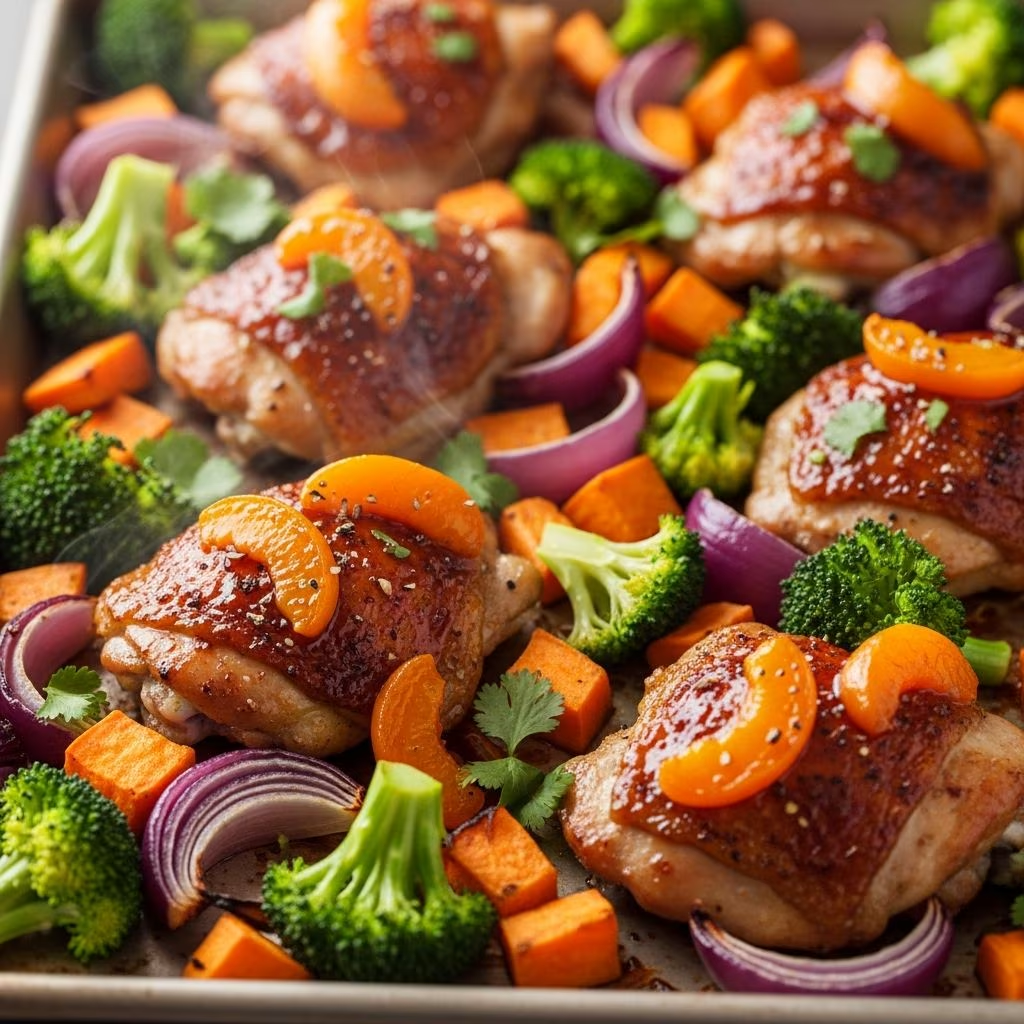
The modern home cook craves efficiency without sacrificing quality. Enter the sheet pan dinner—a cooking method that consolidates proteins, vegetables, and sauce into a single vessel, dramatically reducing both preparation time and cleanup demands. Among the countless variations available, the apricot glazed chicken sheet pan dinner stands out as an exceptionally balanced dish that merges sweet, savory, and slightly spiced flavor profiles into a cohesive, restaurant-caliber meal.
This particular preparation method has gained traction among culinary enthusiasts and busy families alike because it delivers impressive results with straightforward technique. The combination of apricot preserves with savory umami elements creates a glaze that adheres beautifully to properly prepared chicken, while roasted vegetables provide textural contrast and nutritional balance. Understanding the methodology behind this dish empowers any cook to execute it consistently and with confidence.
Understanding the Core Components
Every successful sheet pan dinner rests upon three foundational elements: the protein, the vegetables, and the binding sauce. Each component serves a specific culinary purpose and contributes distinctly to the final presentation and flavor profile.
The chicken forms the centerpiece of this dish. Most variations employ boneless, skinless chicken breasts or thighs, cut into uniform pieces to ensure even cooking. The size of these pieces matters considerably—approximately two-inch cubes provide enough surface area for the glaze to develop proper caramelization while remaining small enough to cook through without drying out. Some preparations employ a light flour coating applied after an egg wash, which creates a delicate exterior that helps the sauce adhere more effectively to the meat.
Vegetables selected for sheet pan preparation should have complementary cooking times. Asparagus, broccoli, and tender vegetables cook relatively quickly and work well alongside chicken. Heartier options like root vegetables require adjustment—either beginning their cooking cycle earlier or cutting them into smaller pieces to synchronize with the chicken’s doneness timeline. The vegetable selection also influences the final dish’s nutritional profile and visual appeal.
The apricot glaze represents the transformative element that elevates simple roasted chicken into something memorable. High-quality apricot preserves form the base, supplemented with soy sauce for depth and umami notes, balsamic vinegar for complexity and slight tanginess, fresh garlic and ginger for aromatic punch, and optional red pepper flakes for subtle heat. This combination creates a glaze that achieves both sticky adherence and sophisticated flavor balance.
Preparation Techniques That Matter
Success in sheet pan cooking begins well before ingredients meet the oven. Proper preparation establishes the foundation for even cooking and optimal flavor development.
Begin by preheating your oven to a temperature between 425°F and 475°F, depending on your specific recipe variation and desired cooking time. A well-preheated oven ensures immediate caramelization of surfaces, which develops flavor compounds through the Maillard reaction. This browning creates complexity that elevates the final dish beyond simple steamed chicken.
Prepare your chicken by cutting boneless breasts or thighs into uniform pieces. Consistency in sizing prevents some pieces from overcooking while others remain undercooked. Pat the chicken dry before coating—moisture on the surface inhibits browning and prevents sauce adhesion. If your recipe calls for an egg wash followed by flour coating, beat the egg lightly and dredge each piece thoroughly in flour, shaking off excess. This light coating provides just enough surface texture to help the glaze cling during roasting.
Vegetable preparation should include washing, peeling if necessary, and cutting into pieces appropriately sized for your chosen cooking timeframe. Toss vegetables with a small amount of olive oil, salt, and pepper before roasting. This basic seasoning ensures vegetables develop their own flavor without competing with the glazed chicken.
Prepare your sauce components before placing anything in the oven. Combine apricot preserves, soy sauce, balsamic vinegar, minced garlic, grated ginger, and red pepper flakes in a mixing bowl or glass jar. Whisk or shake vigorously until well combined. This advance preparation prevents scrambling mid-cooking and ensures smooth sauce application.
The Cooking Process Broken Down
Strategic timing elevates sheet pan cooking from random to reliable. Understanding how to sequence different components prevents both undercooked and overcooked results.
Place prepared chicken pieces on one half of a parchment-lined baking sheet. Drizzle lightly with olive oil or sesame oil, which promotes surface browning and crisping. Position the sheet in your preheated oven for an initial 12 to 15 minutes. During this time, the chicken develops a golden exterior while the interior remains partially cooked.
At the midpoint of this initial cooking stage, retrieve the sheet pan and flip each chicken piece. Simultaneously, add your prepared vegetables to the opposite side of the pan. Toss them with oil, salt, and pepper. Return everything to the oven for an additional 5 to 8 minutes. The vegetables begin softening while the chicken continues cooking toward completion.
Once the chicken reaches near-complete doneness and vegetables have started developing color, reduce your oven temperature slightly to 425°F to prevent the sauce from burning during its final cooking stage. Pour your prepared apricot glaze over the chicken pieces, tossing gently to ensure even coating. The glaze should reach all surfaces but not pool excessively on the pan.
Return the sheet pan to the oven for approximately 3 to 5 minutes. During this brief window, the glaze sets and adheres to the chicken while achieving a slight caramelization. Watch this final stage carefully—the sugars in the apricot preserves can burn quickly if left unattended. The glaze should appear glossy and deeply colored without any charred or blackened areas.
Ingredient Selection and Quality Considerations
The quality of individual components directly influences the final dish. Thoughtful ingredient selection transforms adequate results into exceptional ones.
Apricot preserves deserve special attention. Higher-quality preserves contain greater fruit content and less filler, translating into deeper apricot flavor and better sauce texture. Whole fruit preserves provide texture variation, though smooth varieties work equally well depending on personal preference. The preserve selection should align with your flavor intensity preferences—some recipes call for ¾ cup while others use ½ cup based on desired sweetness and glaze thickness.
Soy sauce contributes saltiness and umami depth essential to balancing the apricot’s sweetness. Low-sodium varieties allow greater control over final salt content, particularly valuable when vegetables and chicken might already contain appreciable sodium. The quantity matters—typically between ¼ and ⅓ cup creates proper seasoning without overwhelming the apricot notes.
Balsamic vinegar provides acidity and subtle complexity. Aged balsamic imparts richer flavor than young varieties, though personal preference and budget considerations guide individual choices. The slight tang helps cut through richness and prevents the glaze from becoming cloying.
Fresh aromatics—garlic and ginger—must be genuinely fresh. Pre-minced garlic stored in jars loses volatile compounds that create the bright, assertive flavor fresh garlic provides. Similarly, fresh ginger offers superior warmth and complexity compared to ground ginger. Finely mince or grate these ingredients to maximize flavor distribution throughout the glaze.
Vegetable Options and Substitutions
Sheet pan versatility extends to vegetable selections. While traditional recipes feature asparagus, numerous alternatives work beautifully within this framework.
| Vegetable | Cooking Time Adjustment | Preparation Notes |
|---|---|---|
| Broccoli florets | Add at chicken midpoint | Cut into similar-sized pieces for even cooking |
| Fresh asparagus | Add at chicken midpoint | Trim woody ends and cut into 2-inch pieces |
| Baby potatoes | Begin simultaneously with chicken | Halve or quarter to accelerate cooking |
| Carrots | Begin simultaneously with chicken | Slice thinly or cut into small batons |
| Bell peppers | Add at chicken midpoint | Cut into 1-inch pieces, mix colors for visual appeal |
| Green beans | Add at chicken midpoint | Trim ends, leave whole or halve depending on length |
The vegetables you select should complement rather than compete with the apricot glaze. Mild, slightly sweet vegetables work harmoniously with this flavor profile. Cruciferous vegetables like broccoli provide textural contrast through their natural bite, while root vegetables develop their own caramelization and sweetness when roasted.
Achieving Perfect Doneness
Knowing when your chicken reaches ideal doneness prevents both food safety issues and textural disappointment. Chicken breasts and thighs should reach an internal temperature of 165°F at their thickest point. Use an instant-read meat thermometer for accuracy—inserting it into the center of the largest piece without touching bone.
Visually, fully cooked chicken appears opaque throughout with no translucent or pink areas. The meat should feel firm when pressed but not hard or rubbery. These indicators work alongside temperature verification for confident doneness assessment.
Vegetables should reach tenderness but retain slight structural integrity. Broccoli and asparagus should bend easily without snapping, while root vegetables should yield readily to a fork. The exact doneness point depends on cutting size and vegetable type—smaller pieces finish faster than larger ones.
Serving Suggestions and Presentation
The presentation of a finished sheet pan dinner influences both eating experience and perceived effort level. Simple garnishing and thoughtful plating elevate casual cooking into special-occasion-worthy meals.
Serve the glazed chicken and roasted vegetables over fluffy white rice, brown rice, or quinoa. The grain catches and absorbs the apricot glaze, creating flavor cohesion across the plate. For lower-carbohydrate preferences, cauliflower rice or zucchini noodles work effectively.
Finish each plate with fresh garnishes that add brightness and textural contrast. Fresh basil leaves introduce herbal notes that complement the sweet-savory glaze. Toasted sesame seeds provide crunch and nuttiness. A light sprinkle of chopped fresh ginger or thinly sliced scallions adds visual interest and flavor complexity.
If time permits, plate individual servings rather than presenting the entire sheet pan family-style. This approach suggests greater care and presentation refinement, even though preparation required no additional effort.
Common Challenges and Solutions
Understanding potential pitfalls allows proactive prevention rather than reactive troubleshooting. Several issues commonly arise during sheet pan chicken preparation.
Glaze burning: The final high-heat stage can quickly char the sugar-based glaze. Solution: Reduce oven temperature to 425°F before adding glaze, watch carefully during the final minutes, and remove immediately upon glaze setting.
Uneven cooking: Chicken pieces of varying sizes cook at different rates. Solution: Cut all chicken into uniform 2-inch pieces and arrange them with consistent spacing on the sheet pan.
Vegetables remaining undercooked: Dense vegetables sometimes don’t soften adequately. Solution: Begin heartier vegetables simultaneously with chicken, while adding tender vegetables halfway through.
Chicken drying out: Overcooking or excessively high heat creates dry meat. Solution: Monitor internal temperature precisely, don’t exceed 475°F oven temperature initially, and respect timing guidelines.
Glaze not adhering: A flour coating helps sauce stick to chicken. Solution: Pat chicken dry, apply egg wash, dredge thoroughly in flour, shake off excess, and ensure even glaze application.
Make-Ahead Preparation and Storage
Sheet pan dinners accommodate advance preparation strategies that simplify weeknight cooking. Prepare all components up to 8 hours ahead—cut chicken and vegetables, combine glaze ingredients, and store separately in covered containers. This preparation compresses active cooking time to approximately 30 minutes when you’re ready to serve.
Leftover glazed chicken and vegetables store well in airtight containers for up to four days. Reheat gently in a 350°F oven until warmed through, adding a splash of water if the glaze appears too concentrated. Avoid microwave reheating, which can create uneven heating and texture degradation.
Nutritional Considerations
This dish provides excellent nutritional balance when prepared thoughtfully. Chicken contributes lean protein essential for muscle maintenance and satiety. Roasted vegetables provide fiber, vitamins, and minerals. The apricot glaze contains natural fruit sugars, though moderate portions maintain reasonable carbohydrate totals. The olive oil contributes heart-healthy monounsaturated fats.
Individual nutritional content varies based on specific ingredient quantities and serving sizes, but a typical serving containing chicken, vegetables, and proportional glaze provides approximately 350-400 calories with substantial protein content and considerable micronutrient density.
Flavor Variations and Creative Adaptations
While the classic apricot glaze recipe achieves excellent results, countless flavor variations satisfy different preferences. Reduce red pepper flakes for a milder profile or increase them for greater spice intensity. Substitute balsamic vinegar with rice vinegar for lighter acidity or add Worcestershire sauce for deeper umami complexity. Fresh herbs like thyme or rosemary complement the apricot notes beautifully when added to the glaze.
Conclusion
The apricot glazed chicken sheet pan dinner represents the intersection of practicality, flavor sophistication, and reliable technique. By understanding ingredient roles, respecting timing sequences, and avoiding common pitfalls, any cook can execute this impressive dish with consistency. The balance between sweet apricot notes, savory umami elements, and properly roasted protein and vegetables creates a complete meal that satisfies both palate and appetite. Whether preparing this dish for family weeknight dining or impressing guests with apparently effortless cooking, the sheet pan method delivers exceptional results with minimal cleanup.
References
- Sheet Pan Sticky Apricot Chicken — Half Baked Harvest. https://www.halfbakedharvest.com/sticky-apricot-chicken/
- Apricot Chicken Sheet Pan Dinner Recipe — The Recipe Rebel. https://www.thereciperebel.com/apricot-chicken-sheet-pan-dinner-recipe-video/
- Fresh Apricot & Shallot Sheet Pan Chicken Dinner — California Grown. https://californiagrown.org/recipes/fresh-apricot-shallot-sheet-pan-chicken-dinner/
- Sheet Pan Sticky Apricot Chicken — The Fancy Pants Kitchen. https://thefancypantskitchen.com/recipe/sheet-pan-sticky-apricot-chicken/
- Sheet Pan Apricot Chicken and Broccoli — My Diary of Us. https://www.mydiaryofus.com/blog/sheet-pan-apricot-chicken-and-broccoli