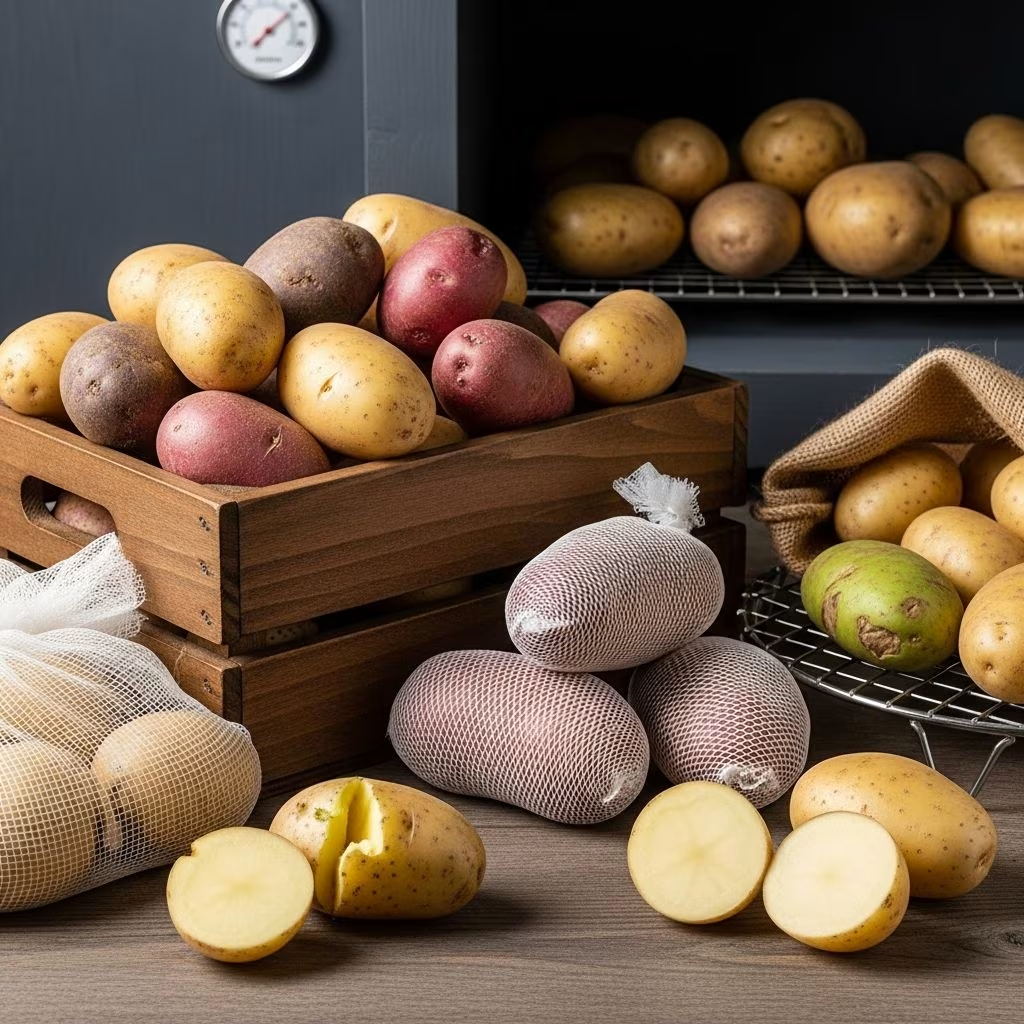
When preparing potatoes in advance, one of the most frustrating challenges home cooks encounter is the unsightly browning that occurs shortly after cutting. This common issue not only affects the visual appeal of your dish but can also raise questions about food safety and quality. Understanding the underlying causes of this discoloration and implementing proper storage techniques can significantly extend the usability of your prepared potatoes, making meal planning and advance preparation considerably more manageable.
The Science Behind Potato Browning
The browning phenomenon that occurs in cut potatoes is a well-understood chemical process rooted in plant biology. When you slice or peel a potato, you rupture the cell walls of the vegetable, which triggers the release of an enzyme called polyphenol oxidase. This enzyme is present naturally within potato cells and serves various functions in the plant’s metabolism.
Once released from the damaged cells, polyphenol oxidase immediately begins interacting with oxygen present in the surrounding air. This enzymatic reaction oxidizes phenolic compounds contained within the potato tissue, transforming them into melanin-like pigments that create the characteristic brown discoloration. This process, known as enzymatic browning, occurs rapidly at room temperature and is one of the primary reasons why prepared potatoes cannot simply be left sitting on the counter.
It is important to distinguish this type of browning from spoilage or decay. The brown coloration that develops on freshly cut potatoes is typically not a sign of bacterial growth or decomposition, but rather a natural chemical reaction. However, this does not mean the potatoes can be stored indefinitely; proper storage remains essential for maintaining both safety and quality.
Why Temperature and Oxygen Control Matter
The enzymatic browning process is heavily influenced by two primary factors: temperature and oxygen availability. Cooler temperatures slow down enzyme activity, which is why refrigeration is universally recommended for storing cut potatoes. The cold environment reduces the rate at which polyphenol oxidase can react with oxygen, effectively putting the enzyme into a state of reduced activity.
Oxygen availability represents the second critical variable. Since the browning reaction specifically requires the enzyme to interact with atmospheric oxygen, limiting oxygen exposure directly inhibits the process. This principle forms the basis for several effective storage methods that will be explored in detail below.
Water Submersion: The Gold Standard Method
The most straightforward and widely recommended technique for preventing potato browning is complete submersion in cold water. This method works by simultaneously addressing both temperature concerns and oxygen exposure, making it remarkably effective for most applications.
Step-by-step water storage process:
- Peel and thoroughly rinse your potatoes under cool running water to remove any dirt or debris
- Place the peeled potatoes—whether whole, sliced, or diced—into a clean bowl, pot, or container of appropriate size
- Cover the potatoes completely with cold water, ensuring no potato pieces protrude above the water line
- Position the container in the refrigerator at standard refrigeration temperature (typically between 35°F and 40°F)
- Change the water daily if storing for extended periods to maintain food safety and prevent bacterial growth
When potatoes remain fully submerged in water, the oxygen molecules that are chemically bonded to hydrogen atoms in the water cannot participate in the enzymatic browning reaction. This effectively stops the discoloration process at its source. The water creates a barrier between the potato tissue and atmospheric oxygen, preventing the enzymatic cascade that produces browning.
Research indicates that potatoes stored using this method can typically be kept for 24 hours without any noticeable discoloration. Many home cooks and food service professionals successfully extend this timeframe to two or three days by refreshing the water daily and maintaining consistent refrigeration temperatures.
Acidic Solutions: An Alternative Approach
Beyond plain water, some cooks employ acidic solutions to further inhibit browning. Adding a small amount of lemon juice, lime juice, or white vinegar to the water creates an environment that is less favorable for enzymatic activity. The acidic pH can denature or slow the polyphenol oxidase enzyme, providing an additional layer of protection against discoloration.
Acidic solution recommendations:
- Add approximately one tablespoon of lemon juice or white vinegar per quart of water
- Ensure potatoes remain fully submerged in the acidic solution
- Store in the refrigerator as with plain water
- Refresh the solution daily if storage extends beyond 24 hours
While the acid method provides theoretical advantages, the practical difference from plain water is often minimal when potatoes are properly refrigerated and submerged. The primary mechanism preventing browning remains oxygen exclusion rather than enzymatic inhibition. However, using an acidic solution adds minimal effort while providing potential insurance against discoloration, making it a reasonable option for those particularly concerned about appearance.
Cooking as a Permanent Solution
One frequently overlooked method for completely eliminating browning concerns is to cook potatoes before storage. Once potatoes are heated during cooking, the high temperatures denature polyphenol oxidase, rendering the enzyme permanently inert. Without functional enzyme present, no browning reaction can occur regardless of oxygen exposure or storage duration.
This approach proves particularly useful when preparing potatoes for specific dishes. Boiled potatoes destined for potato salad, mashed potatoes for later reheating, or roasted potatoes can all be prepared substantially in advance without browning concerns. Cooked potatoes can be stored in the refrigerator for three to four days, providing considerable flexibility for meal planning.
Storage Duration Guidelines
Different storage methods support different timeframes for maintaining potato quality and safety. Understanding these guidelines helps you plan your food preparation accordingly.
| Storage Method | Duration | Key Conditions |
|---|---|---|
| Plain cold water | 1-3 days | Refrigerated, water changed daily |
| Acidic solution (lemon/vinegar) | 1-3 days | Refrigerated, solution changed daily |
| Cooked potatoes | 3-4 days | Refrigerated in covered container |
| Uncut whole potatoes | 1-2 weeks | Cool, dark, dry location |
Practical Considerations for Different Potato Preparations
Different potato cuts and uses may benefit from slightly modified approaches. Finely diced potatoes, which have greater surface area exposed to oxygen, benefit particularly from immediate water submersion and continuous refrigeration. Thickly sliced or wedge-cut potatoes show browning more slowly and can sometimes tolerate slightly longer storage periods.
For potato preparations intended for immediate cooking—such as potatoes for French fries, hash browns, or home fries—the water submersion method works exceptionally well. The potatoes can be prepared hours in advance, stored safely in the refrigerator, and then drained and dried immediately before cooking. This allows for significant time savings during meal preparation without compromising quality.
Whole peeled potatoes present a different situation than cut potatoes. A whole peeled potato has less surface area exposed to oxygen, which slows the browning process somewhat. However, the water submersion method still provides superior results compared to leaving whole potatoes exposed to air, even at room temperature.
Food Safety Considerations
While enzymatic browning itself is not a food safety concern, the storage conditions that prevent browning must be managed carefully to ensure food safety. When storing potatoes in water, particularly for extended periods, bacterial growth becomes a legitimate concern if proper refrigeration is not maintained.
Always store water-submerged potatoes in the refrigerator at temperatures below 40°F. Change the water daily to minimize bacterial accumulation. If you notice any off-odors, slime development, or unusual discoloration beyond the typical brown enzymatic browning, discard the potatoes immediately. These signs indicate bacterial or mold growth that makes the potatoes unsuitable for consumption.
Frequently Asked Questions
Can I store potatoes in water without refrigeration?
No. Room temperature water storage dramatically increases the risk of bacterial growth and spoilage. Refrigeration is essential for safe storage of water-submerged potatoes. Without cold temperatures, potatoes should be cooked immediately after preparation.
How long can I realistically store cut potatoes?
For maximum safety and quality, plan to use water-submerged potatoes within 24 hours. While some sources suggest up to three days is possible with daily water changes, one day provides a comfortable margin for food safety without requiring constant attention.
Does the type of water matter?
Tap water is perfectly acceptable for potato storage. Distilled water offers no significant advantage. Ensure the water is clean and cold when you begin storage.
Why not simply use plastic wrap to seal potatoes?
Plastic wrap prevents water loss but does not effectively prevent oxygen exposure. The oxygen trapped with the potatoes continues to cause enzymatic browning. Water submersion remains far superior to any dry storage method for cut potatoes.
Can I use salt in the water?
Some sources recommend adding a small amount of salt to the storage water. While salt may provide minor antimicrobial benefits, it is not necessary for the browning prevention mechanism, which relies on oxygen exclusion. If used, keep salt concentration minimal to avoid potato flavor alteration.
Conclusion: Choosing Your Storage Method
Preventing potato browning requires understanding the enzymatic process at work and implementing storage methods that either reduce temperature, exclude oxygen, or denature the responsible enzyme. The water submersion method in refrigeration represents the simplest, most reliable, and most widely applicable approach for most home cooks and food service applications. Its effectiveness, ease of implementation, and minimal cost make it the gold standard for advance potato preparation.
Whether you are preparing potatoes for a special occasion, meal prepping for the week ahead, or simply wanting the convenience of advance preparation, these storage techniques will help ensure your potatoes remain fresh, safe, and visually appealing. By applying the principles outlined in this guide, you can confidently prepare potatoes in advance without the frustration of unsightly browning, ultimately making your cooking and meal planning processes considerably more efficient.
References
- Enzymatic Browning of Fruits and Vegetables: A Review — Journal of Agricultural and Food Chemistry, American Chemical Society. 2020. https://pubs.acs.org/doi/10.1021/acs.jafc.0c05715
- Proper Storage of Fresh Cut Vegetables — United States Department of Agriculture Food Safety and Inspection Service. 2024. https://www.fsis.usda.gov/food-safety/safe-food-handling-and-preparation/fresh-produce-safety