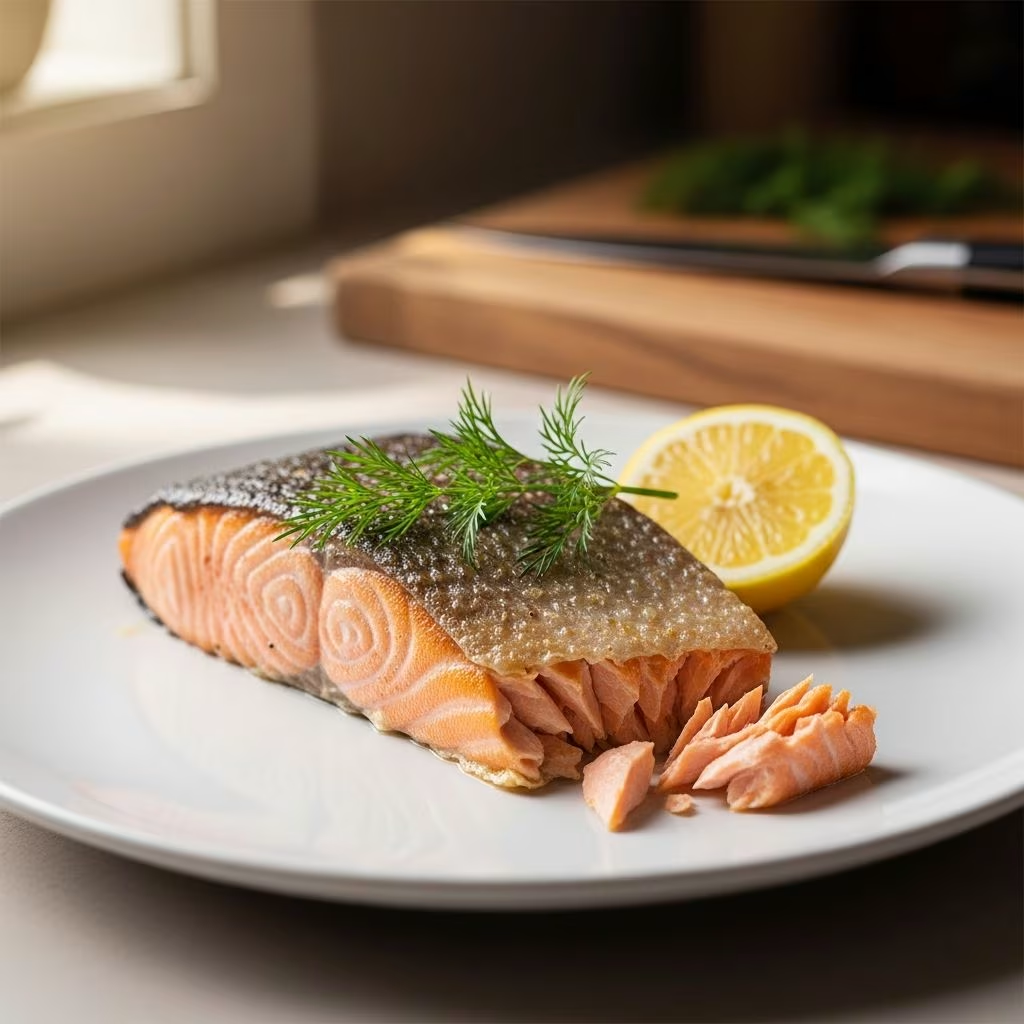
Salmon’s rich flavor and tender texture make it a favorite for quick weeknight meals or impressive dinners. Achieving consistent perfection requires understanding heat, timing, and preparation. This guide explores reliable methods like pan-roasting, oven baking, grilling, and specialized approaches to ensure moist, flavorful fish without dryness or overcooking.
Selecting the Best Salmon for Success
Quality starts at the market. Opt for fresh fillets with vibrant color, firm texture, and a mild ocean scent. Wild-caught varieties offer bolder taste and leaner profiles, while farm-raised provide consistent fat content for forgiving cooking. Look for skin-on pieces if planning crispy finishes, as the skin protects the flesh and adds crunch.
- Portion size: 6-ounce fillets serve one adult.
- Thickness: Uniform 1-1.5 inches prevents uneven cooking.
- Freshness test: Press gently; it should spring back, not leave an indent.
Pat dry thoroughly before seasoning to promote browning and prevent steaming. Allow fillets to reach room temperature for 20-30 minutes, ensuring even heat penetration.
Essential Seasoning and Prep Strategies
Simple salt and pepper enhance natural flavors, but complementary elements elevate dishes. Use high-smoke-point oils like avocado or grapeseed for searing. Marinades with citrus, herbs, and garlic add depth without overpowering.
| Flavor Profile | Ingredients | Prep Time | Best Method |
|---|---|---|---|
| Citrus-Herb | Lemon juice, garlic, thyme, olive oil | 10 min | Baking or Grilling |
| Spicy Maple | Maple syrup, Dijon, chili flakes, soy | 15 min | Pan-Roasting |
| Simple | Salt, pepper, oil | 5 min | All Methods |
Rub seasonings under the skin if present, and score it lightly for crispiness. Avoid overcrowding pans to allow proper searing.
Pan-Roasting: Crispy Skin and Tender Interior
Pan-roasting delivers professional results by searing on the stovetop then finishing in the oven. This hybrid method crisps the exterior while gently cooking the inside.
- Preheat oven to 275-450°F depending on desired tenderness; lower for silkier texture.
- Heat oven-safe skillet (cast iron ideal) over medium-high with 1 tbsp oil until shimmering.
- Place salmon skin-side down; cook undisturbed 3-4 minutes until golden.
- Flip, transfer to oven for 3-20 minutes based on oven temp and thickness. Probe reaches 115-120°F for medium-rare.
This technique minimizes flipping risks and yields buttery flesh. For skinless, start flesh-down briefly.
Oven Baking: Versatile and Hands-Off
Baking suits busy cooks, offering even cooking with minimal monitoring. Temperatures vary for texture control.
High-Heat Roasting (400-450°F)
Ideal for quick meals. Preheat to 400°F, oil baking sheet, season fillets, and bake 12-15 minutes until opaque and flaky. Add lemon slices atop for aroma. Broil 1-2 minutes for caramelization.
Low-and-Slow (275-350°F)
Prevents dryness in premium cuts. At 275°F, bake 18-30 minutes; at 350°F for larger pieces, 25 minutes until 145°F internal. Line with parchment over foil for easy cleanup and lemon layering.
Whisk garlic butter with herbs and honey for a glaze; spoon over before baking.
Grilling Mastery: Smoky Char Without Sticking
Grilling imparts irresistible smokiness. Medium-high heat (around 400°F) works best.
- Oil grates heavily; start skin-side down 6-8 minutes.
- Flip once, cook 4-6 minutes more until opaque halfway up.
- Foil packets with veggies and seasonings steam gently, avoiding flare-ups.
Monitor for char marks; rest 2 minutes post-grill to redistribute juices.
Advanced Techniques for Variety
En Papillote: Steamed Perfection
French parchment packets seal in moisture. Layer fillet with veggies, herbs, citrus on parchment; fold into half-moon, bake 15-20 minutes at 400°F. Opens with aromatic steam.
Reverse Sear for Precision
Low oven first (275°F, 20 minutes), then high-heat sear. Ensures edge-to-edge doneness.
These methods suit delicate pairings or infused flavors.
Doneness and Food Safety Essentials
USDA recommends 145°F internal for safety, but many prefer 125°F for medium-rare, silky results. Flake easily with fork; center translucent pink. Visual cue: opaque from bottom up. Instant-read thermometer is invaluable.
- Overcooked signs: Chalky white proteins, dry texture.
- Resting: 3-5 minutes post-cook retains moisture.
Common Mistakes and Fixes
Avoid these pitfalls for reliability:
- Skipping dry pat: Leads to steaming; fix by thorough toweling.
- Cold fish: Uneven cook; temper 30 min.
- High heat only: Dries out; use gentle finishes.
- Crowding pan: Steams instead of sears.
Pairing and Serving Ideas
Complement with light sides: asparagus, quinoa, or greens. Wine: Chardonnay or Pinot Noir. Drizzle pan juices or herb oils.
Frequently Asked Questions
How long to bake salmon at 400°F?
12-15 minutes for 1-inch thick fillets, until flaky.
Should I remove salmon skin?
Keep for protection and crispiness; remove post-cook if desired.
Can I use frozen salmon?
Thaw fully in fridge; pat dry extra well.
What’s the best oil for searing?
Avocado or grapeseed for high smoke point.
How to store leftovers?
Refrigerate up to 2 days; reheat gently at 275°F.
References
- Best Methods for Cooking Salmon — Mowi Salmon. 2023. https://mowisalmon.us/best-methods-for-cooking-salmon/
- Best, Easy Healthy Baked Salmon Recipe — Creme de la Crumb. 2022-10-15. https://www.lecremedelacrumb.com/best-easy-healthy-baked-salmon/
- How to Cook Salmon Perfectly — Cook the Story. 2023. https://cookthestory.com/how-to-cook-salmon-perfectly/
- Best Oven-Baked Salmon Recipe — Delish. 2024-01-12. https://www.delish.com/cooking/recipe-ideas/a55315/best-baked-salmon-recipe/