Duck has long occupied a special place in culinary traditions worldwide, prized for its rich flavor, tender meat, and versatility in the kitchen. Whether you’re preparing a whole bird for a special occasion or working with individual components, understanding the fundamental techniques and flavor profiles can transform duck from an intimidating ingredient into a confident cooking project. This guide explores the diverse approaches to cooking duck, drawing from culinary traditions spanning multiple continents and cooking styles.
Understanding Duck as a Culinary Ingredient
Duck meat differs significantly from chicken or other poultry in several important ways. The meat contains higher fat content, which contributes to its distinctive rich flavor and allows for various cooking methods that wouldn’t work as effectively with leaner meats. This fat layer, particularly the skin, becomes a valuable asset when rendered properly, creating a crispy exterior while keeping the interior succulent. Understanding these characteristics guides your choice of cooking method and seasoning approach.
The versatility of duck extends to how different parts of the bird can be utilized. Breast meat cooks quickly and benefits from high-heat searing, while legs and thighs contain more connective tissue that breaks down beautifully during slow cooking methods. The carcass and bones contribute tremendous flavor to stocks and broths, making duck an economical ingredient when you utilize every component.
Fundamental Preparation Methods
Dry-Aging and Pre-Cooking Preparation
Before applying heat, proper preparation significantly impacts the final result. Dry-aging whole ducks for several days allows moisture to evaporate from the skin, promoting crispness when cooked. This technique, borrowed from beef preparation, works exceptionally well with duck’s thicker skin layer. If dry-aging isn’t feasible, patting the bird thoroughly dry with paper towels before cooking achieves similar results.
For recipes requiring separated components, carefully removing breast fillets from the carcass preserves the skeletal structure for stock-making. This methodical approach maximizes your ingredient yield and reduces waste.
Roasting Techniques for Whole Birds
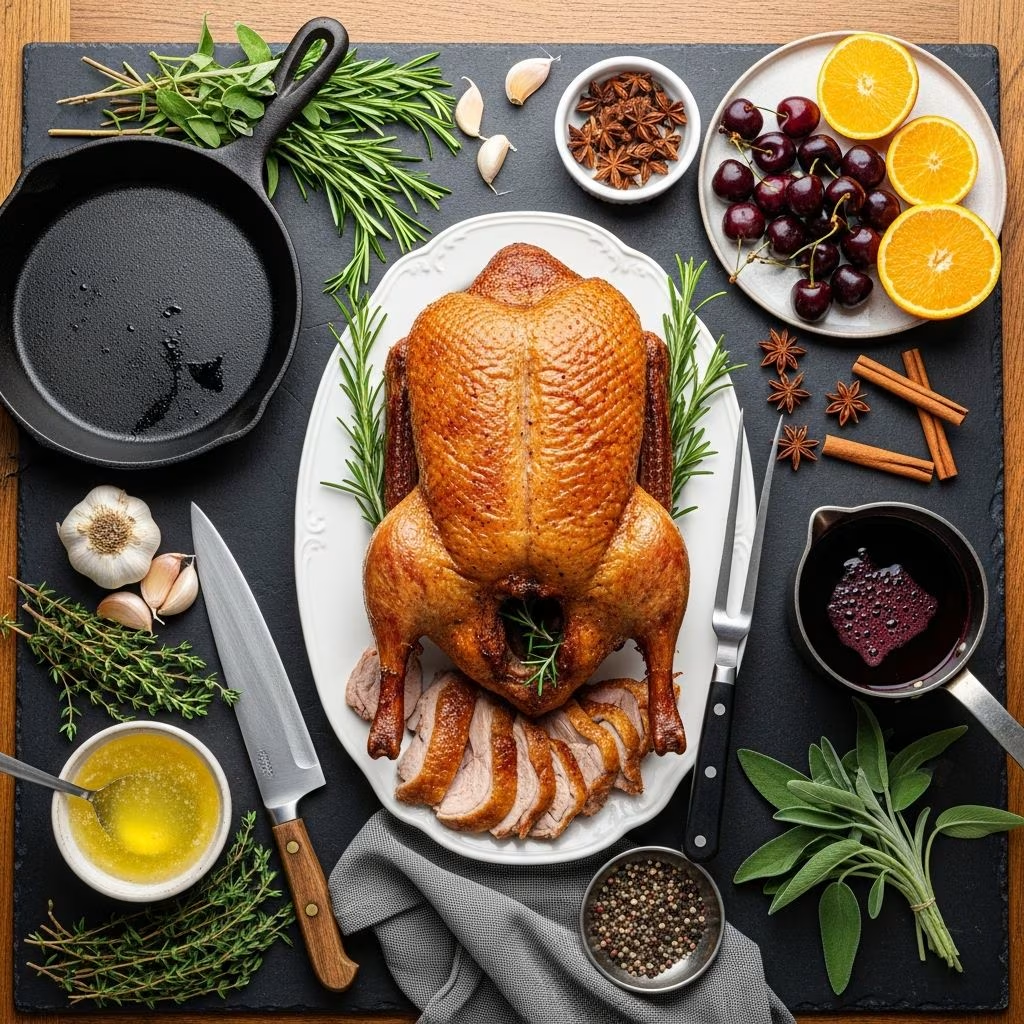
Whole duck roasting requires attention to temperature management and timing. Starting with a hot oven renders the fat from the skin, creating crispness, while lower temperatures in the latter cooking stages ensure the meat cooks through without drying. Many accomplished cooks employ a hybrid approach: high initial heat followed by gentler roasting.
Flavor infusions during roasting expand possibilities dramatically. Fruits like pomegranate or citrus components bring brightness to counterbalance richness. Port wine and currant combinations deliver sophisticated sweet-and-savory depth. The key is balancing the duck’s inherent richness with contrasting flavor elements.
Confit: The Art of Gentle Cooking
Confit represents a centuries-old preservation and cooking technique that has experienced renewed appreciation in contemporary cuisine. This method involves slowly cooking duck components—typically legs and thighs—in rendered duck fat at low temperatures for extended periods. Despite the lengthy cooking time, this technique demands minimal active kitchen work.
The result justifies the patience: meat becomes extraordinarily tender, practically separating from bones with minimal effort. The skin, when briefly crisped in a hot pan before serving, achieves remarkable textural contrast. This technique adapts well to modern dinner presentations, where diners expect both sophistication and comfort.
Global Flavor Profiles and Preparation Styles
Asian-Inspired Approaches
Asian cuisines have elevated duck to an art form across multiple culinary traditions. Five-spice seasoning, characteristic of Chinese cooking, combines warm spice notes that complement duck’s richness without overwhelming it. The spice blend’s complexity brings depth while maintaining balance.
Vietnamese preparations showcase duck in lighter applications, often shredded and served in fresh salads with crisp vegetables, crunchy elements, and sharp vinegar-based dressings. These preparations demonstrate how duck can shine in more refreshing contexts beyond heavy roasts.
Soy-braising techniques create deeply savory preparations where duck absorbs the umami-rich liquid over slow cooking periods. This method breaks down tougher cuts while infusing flavors throughout the meat.
European Classical Traditions
French cuisine presents duck through multiple sophisticated lenses. Classical preparations pair roasted duck with fruit-based sauces—orange remains the traditional companion, though contemporary interpretations explore alternative citrus and stone fruit combinations. The acidity of these sauces cuts through richness elegantly.
Modern interpretations reimagine these classics through contemporary plating and technique. Smoked duck, for instance, adds aromatic complexity to traditional sauce pairings, breathing new life into century-old combinations.
Mexican and Latin American Influences
Mexican cooking traditions prepare duck through slow braising techniques that transform tougher cuts into tender morsels. Authentic peasant preparations emphasize simplicity and straightforward technique, allowing duck’s natural flavors to emerge. Low-and-slow cooking processes, passed through generations, yield intensely flavorful results.
Modern adaptations maintain traditional cooking methods while updating service styles. Serving shredded duck in lettuce wraps with contemporary salsa variations demonstrates how foundational techniques adapt to modern preferences and dietary considerations.
Stock and Sauce Foundations
Creating duck stock from carcasses represents an essential skill for any cook working regularly with this ingredient. Roasted carcasses combined with aromatic vegetables—carrots, celery, and onions—provide the flavor foundation. These components transfer to a stockpot with herbs, garlic, and cold water, then simmer for several hours until deeply flavored.
Quality stock enables countless preparations beyond soups. Reduction with wine and complementary flavors creates pan sauces that elevate simple preparations. Bourbon reductions, wine-based sauces enriched with chilled butter, and herb-infused broths all build on this foundation.
Specialized Cutting and Component Cooking
Breast Preparation and Searing
Duck breast cooks best when treated as a distinct component rather than part of a whole bird. The skin-on presentation allows for skin-side-down searing in a cool pan, gradually rendering fat and crisping the exterior. The internal meat cooks through while remaining medium-rare and juicy.
Brining duck breasts before cooking ensures flavorful, juicy results. Tea-based brines add subtle flavor dimensions while the salt penetrates the meat, improving moisture retention during cooking.
Leg and Thigh Applications
These tougher cuts shine in long-cooking preparations where heat breaks down collagen into gelatin. Confit remains the classic approach, though braising in wine-based liquids, curry preparations, and stew applications all work beautifully.
Shredding cooked leg meat creates versatile components for multiple applications—pancakes, spring rolls, salads, and noodle dishes all benefit from tender, flavorful shredded duck.
Contemporary Appetizer and Small Plate Applications
Modern entertaining increasingly emphasizes small plates and passed appetizers, and duck adapts remarkably well to these formats. Duck à l’orange transformed into bite-sized bonbons presents familiar flavors in sophisticated portions. Confit duck paired with thin crepes creates French-influenced handheld items.
Spring rolls filled with crispy confit duck and accompanied by complementary dipping sauces bridge multiple culinary traditions while delivering textural and flavor contrast. These applications showcase duck’s ability to complement both light, fresh ingredients and rich, indulgent preparations.
Practical Cooking Guidelines
Temperature and Timing Considerations
| Preparation Method | Temperature Range | Approximate Time | Doneness Indicator |
|---|---|---|---|
| Whole Duck Roast | 375-425°F | 1.5-2 hours | Internal temp 165°F |
| Duck Breast Sear | High heat | 8-12 minutes | Medium-rare internal |
| Confit Cooking | 200-220°F | 3-4 hours | Meat very tender |
| Braising | 300-325°F | 2-3 hours | Fork-tender |
Fat Rendering and Skin Crisping
Successfully rendering duck fat requires patience and controlled heat. Starting poultry skin-side down in a cool pan, then gradually increasing temperature, allows fat to render gradually while skin crisps. This technique prevents fat spattering and ensures even cooking.
For confit applications, reserved rendered fat becomes a valuable kitchen staple—it stores indefinitely when properly cooled and sealed, providing cooking medium for future preparations.
Pairing and Serving Strategies
Vegetable and Starch Accompaniments
Duck’s richness pairs beautifully with varied side dishes depending on the preparation style. Roasted preparations complement earthy root vegetables and grain-based sides. Asian-inspired dishes pair with steamed rice or noodles. French preparations traditionally serve alongside potato preparations or refined vegetable garnishes.
Fresh, acidic vegetable preparations—slaws, pickled vegetables, and fresh salads—provide palate-cleansing contrast to duck’s richness, improving overall meal balance.
Sauce and Flavor Complementation
The richness of duck demands thoughtful sauce pairing. Fruit-based sauces work through acidity and brightness. Wine reductions add sophistication through umami depth. Asian-inspired sauces balance sweet, sour, salty, and spicy elements to create complexity.
Frequently Asked Questions
Can duck be cooked well-done without becoming dry?
Yes, when using appropriate techniques. Leg and thigh meat tolerates extended cooking and actually improves with low-and-slow braising. Even breast meat remains juicy when not overcooked—medium-rare internal temperature works best. Marinades and brines further protect against moisture loss.
How do I minimize splashing when rendering duck fat?
Starting with a cool pan prevents sudden fat expansion and violent splattering. Keeping the heat moderate rather than high allows gradual rendering. Covering the pan loosely during initial cooking contains some splatter while allowing steam escape.
Is wild duck prepared differently from domesticated duck?
Wild duck often benefits from longer marinating to tenderize potentially tougher meat and mask stronger game flavors if desired. Cooking methods remain similar, though faster cooking works better for wild duck breast to maintain moisture. The fundamental techniques apply across duck varieties.
Can duck be prepared ahead for entertaining?
Absolutely. Confit preparations actually improve with several days’ refrigeration, allowing flavors to meld. Stocks can be prepared days ahead and frozen. Marinated components benefit from extended marinating periods. Many preparations freeze successfully, making duck an excellent choice for advance meal planning.
What equipment best supports duck cooking?
A reliable meat thermometer ensures proper doneness without guesswork. Heavy-bottomed roasting pans distribute heat evenly. A good quality knife aids in precise butchering. Stockpots, braising vessels, and storage containers complete the basic setup. Specialty equipment helps but isn’t essential—fundamental technique matters more than tools.
Conclusion: Building Duck Cooking Confidence
Duck represents an opportunity to explore culinary techniques and flavor profiles spanning global traditions. Whether approaching your first duck preparation or refining existing skills, understanding fundamental cooking methods, respecting the ingredient’s characteristics, and thoughtfully combining flavors creates satisfying results. The techniques discussed here provide frameworks rather than rigid rules—adapting them to available ingredients, personal preferences, and entertaining contexts allows creative expression while maintaining solid culinary foundations.
References
- Recipes for Wild Ducks and Geese — Hank Shaw, Honest Food. Updated 2024. https://honest-food.net/wild-game/duck-goose-recipes/
- The Best Duck I Ever Ate — Ducks Unlimited. https://www.ducks.org/hunting/waterfowl-recipes-wild-game-cooking/the-best-duck-i-ever-ate
- Duck Recipes You Need for Your Next Dinner Party — Our Modern Kitchen. https://www.ourmodernkitchen.com/7-duck-recipes-for-your-next-dinner-party/
- These Duck Recipes Are Always a Hit — California Grown. https://californiagrown.org/blog/these-duck-recipes-are-always-a-hit/
- 12 Delicious Duck Recipes — The Sporting Chef. https://sportingchef.com/12-delicious-duck-recipes/
- Duck Recipes — Luv-a-Duck Australia. https://www.luvaduck.com.au/recipes/