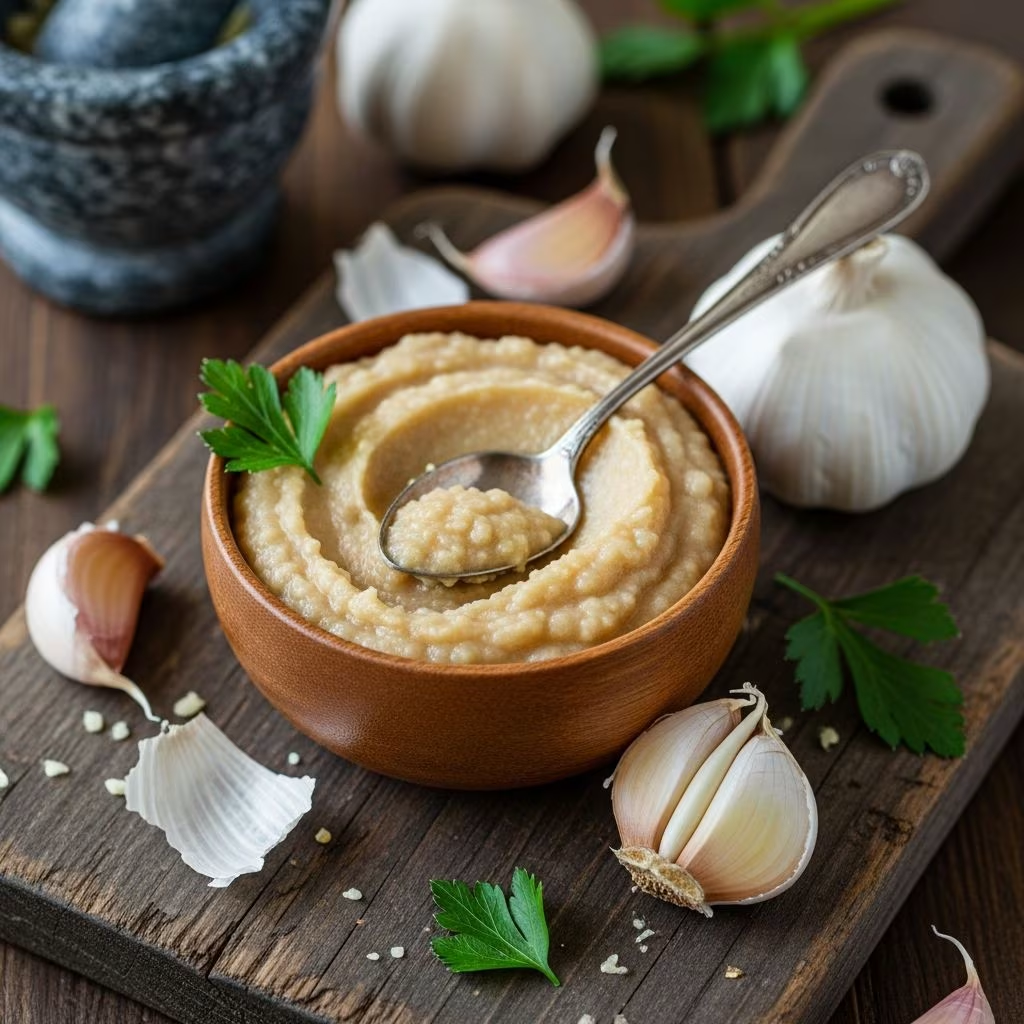
Garlic paste stands as a cornerstone ingredient in countless kitchens worldwide, offering a concentrated burst of flavor that transforms ordinary dishes into culinary delights. This versatile staple saves precious time during meal preparation while ensuring fresh, potent taste far superior to store-bought alternatives. Whether you’re whipping up curries, marinades, or simple sautés, understanding how to produce, store, and utilize garlic paste empowers home cooks to elevate their repertoire effortlessly.
Why Choose Homemade Garlic Paste?
Opting for homemade versions guarantees control over quality and freshness. Commercial products often contain preservatives that dilute the pure essence of garlic, whereas a DIY approach preserves the bulb’s natural pungency and health benefits, such as allicin compounds known for their antimicrobial properties. Preparing it in bulk streamlines weekly cooking routines, reducing the hassle of peeling and mincing cloves daily.
- Freshness Advantage: Captures peak aroma and taste unavailable in jars lingering on shelves.
- Cost Savings: Bulk preparation slashes expenses compared to pre-made options.
- Customization: Adjust consistency and additives like oil or salt to suit specific recipes.
Essential Ingredients and Tools
Crafting garlic paste requires minimal components: fresh garlic cloves and a neutral oil such as canola, avocado, or olive. A pinch of salt aids in grinding for manual methods. Tools range from high-powered blenders to traditional mortar and pestle, accommodating various kitchen setups.
| Ingredient/Tool | Purpose | Quantity for 1 Cup Paste |
|---|---|---|
| Peeled Garlic Cloves | Main base | 1 pound (about 2-3 heads) |
| Neutral Oil | Smooth blending and preservation | 2-4 tablespoons |
| Coarse Salt (optional) | Abrasion for manual methods | 1/2 teaspoon |
| Food Processor/Blender | Quick pureeing | 1 unit |
| Mortar and Pestle | Small batches, traditional texture | 1 set |
Step-by-Step Guide: Blender Method
The most efficient approach for larger quantities involves a food processor or blender, yielding smooth results in minutes.
- Prepare Cloves: Separate bulbs into individual cloves. Trim root ends with a knife for easier peeling. Gently crush each clove under the flat side of a chef’s knife to loosen skin, then peel.
- Load Appliance: Add cloves to the blender. For optimal blending, include 2 tablespoons oil per pound of garlic. If using a less powerful device, quarter cloves first.
- Blend Thoroughly: Pulse initially, then blend continuously. Scrape sides with a spatula every 30 seconds to ensure even processing. Continue until no chunks remain, adding oil incrementally for silkiness.
- Finish and Store: Transfer to a clean jar. Smooth the top and cover with a thin oil layer to prevent oxidation.
This method produces about 1 cup from 1 pound of garlic, ready for immediate use or storage.
Manual Techniques for Small Batches
When equipment is unavailable or for authentic texture, traditional methods shine, especially for small amounts.
Mortar and Pestle Approach
Ideal for 4-6 cloves. Chop garlic finely, sprinkle with salt, and grind in circular motions. The salt acts as an abrasive, breaking down fibers. Once paste-like, incorporate oil gradually. This yields a rustic consistency perfect for pestos or rubs.
Knife Method
Finely mince peeled cloves on a board. Sprinkle salt and use the knife’s flat side to smear and drag the pile repeatedly. Mix in oil for cohesion. Though labor-intensive, it requires no special tools.
Advanced Variations
Experiment beyond basics for specialized flavors.
- Fermented Garlic Paste: Blend garlic with lemon juice and salt, then ferment in a jar under cabbage leaves for probiotic benefits and milder taste. Store at room temperature for 1-2 weeks.
- Herb-Infused: Add fresh basil, parsley, or ginger during blending for marinades.
- Roasted Garlic Paste: Roast cloves first for a sweeter, nutty profile suited to spreads.
Storage Solutions for Longevity
Proper storage extends usability, minimizing waste.
- Refrigerator: Airtight jar with oil topper lasts 2-3 weeks. Stir before use.
- Freezer: Portion into ice cube trays with oil; once solid, transfer to bags. Keeps 6 months; thaw as needed.
- Pro Tip: Avoid metal containers to prevent reactions; glass or plastic works best.
Always check for off odors or discoloration before using.
Innovative Uses in Everyday Cooking
Garlic paste’s spreadable nature unlocks endless applications.
Savory Starters
- Mix into softened butter for garlic bread or compound butters.
- Stir into yogurt for creamy dips or tzatziki bases.
Main Dish Magic
- Sauté 1 teaspoon per serving to flavor stir-fries or curries.
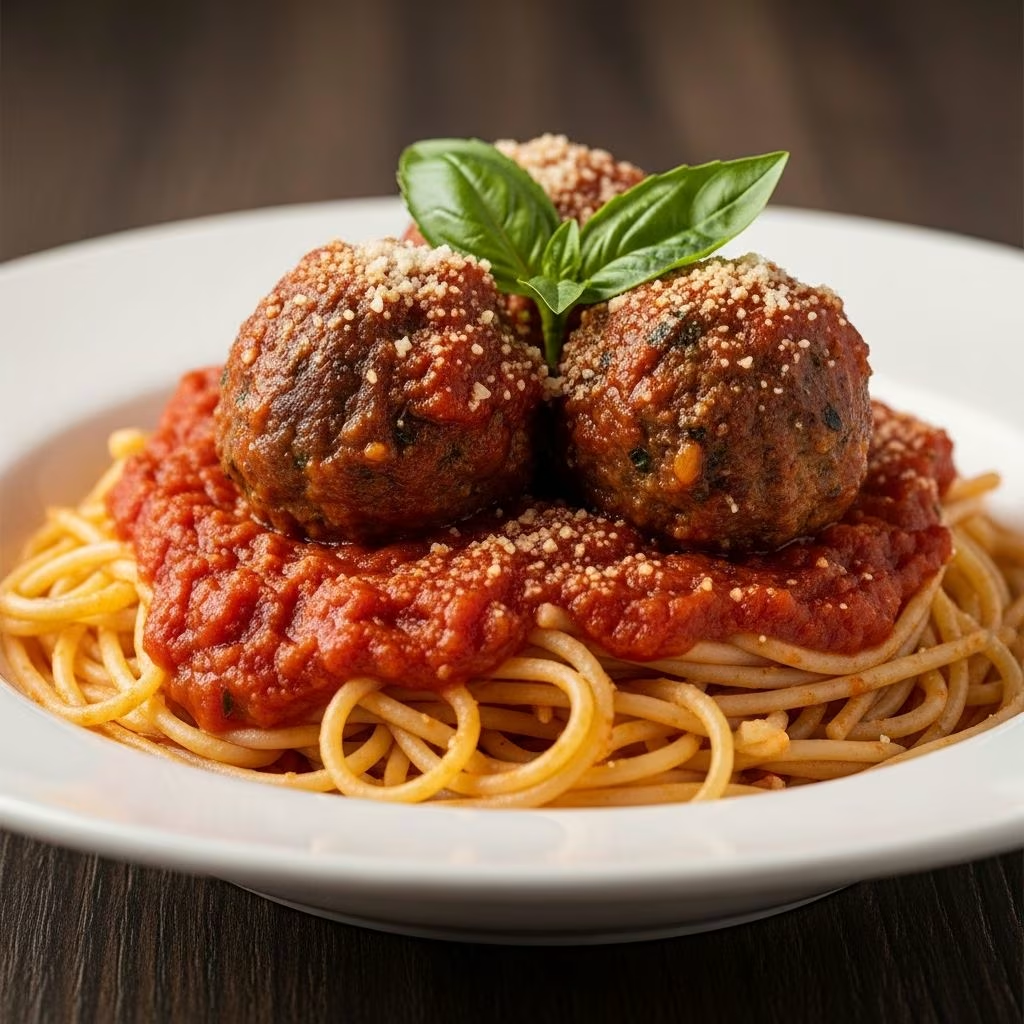
- Incorporate into ground meat for juicier burgers or meatballs.
Soup and Sauce Enhancer
Add directly to simmering pots for depth without raw bite. In vinaigrettes, emulsify 1/2 teaspoon for punchy dressings.
Troubleshooting Common Issues
| Problem | Cause | Solution |
|---|---|---|
| Chunky Texture | Insufficient blending | Scrape and re-blend with more oil |
| Bitter Taste | Old garlic or over-processing | Use fresh bulbs; blend minimally |
| Short Shelf Life | Air exposure | Top with oil layer |
| Doesn’t Blend | Small quantity | Make larger batch or use manual method |
Health Benefits and Nutritional Notes
Beyond flavor, garlic paste retains antioxidants and vitamins. A teaspoon provides manganese, vitamin B6, and selenium. Its allicin supports immune function, though cooking reduces potency slightly. Use moderately to avoid digestive discomfort.
Scaling Recipes for Any Need
Double or halve based on usage. For families: 2 pounds yields freezer staples. Solo cooks: 1/2 pound suffices weekly.
Frequently Asked Questions
Can I use frozen garlic?
Yes, thaw slightly before blending for convenience.
Is olive oil essential?
No, neutral oils prevent overpowering flavors; choose based on dish.
How much paste equals one clove?
Approximately 1/8 teaspoon.
Can it be canned?
Not recommended due to botulism risk; refrigerate or freeze instead.
Vegan and gluten-free?
Absolutely, inherently so.
References
- How to Make Garlic Paste | Julie Blanner — Julie Blanner. 2023. https://julieblanner.com/how-to-make-garlic-paste/
- Garlic paste – how to make it + usage & storage | Taste OfThe Place — Taste of the Place. 2022. https://tasteoftheplace.com/garlic-paste/
- How to make Garlic Paste? – Piping Pot Curry — Piping Pot Curry. 2023. https://pipingpotcurry.com/how-to-make-garlic-paste/
- Fermented Garlic Paste. It’s Bloody Fabulous. (AIP/Paleo) — Joanna Frankham. 2021. https://joannafrankham.com/fermented-garlic-paste/
- How to Make Garlic Paste in 5 Minutes! | Cooking Basics … – YouTube — MOMables – Laura Fuentes. 2022. https://www.youtube.com/watch?v=IJROcIFkYO0