Butternut squash represents one of the most versatile and nutrient-dense vegetables available during the cooler months. Its naturally sweet flesh and creamy texture make it suitable for both savory and sweet preparations. However, many home cooks hesitate to work with this ingredient due to concerns about the preparation process and uncertainty about which cooking method suits their needs. Understanding the various approaches to preparing butternut squash transforms it from an intimidating ingredient into an accessible staple that expands your culinary repertoire.
Understanding Your Butternut Squash
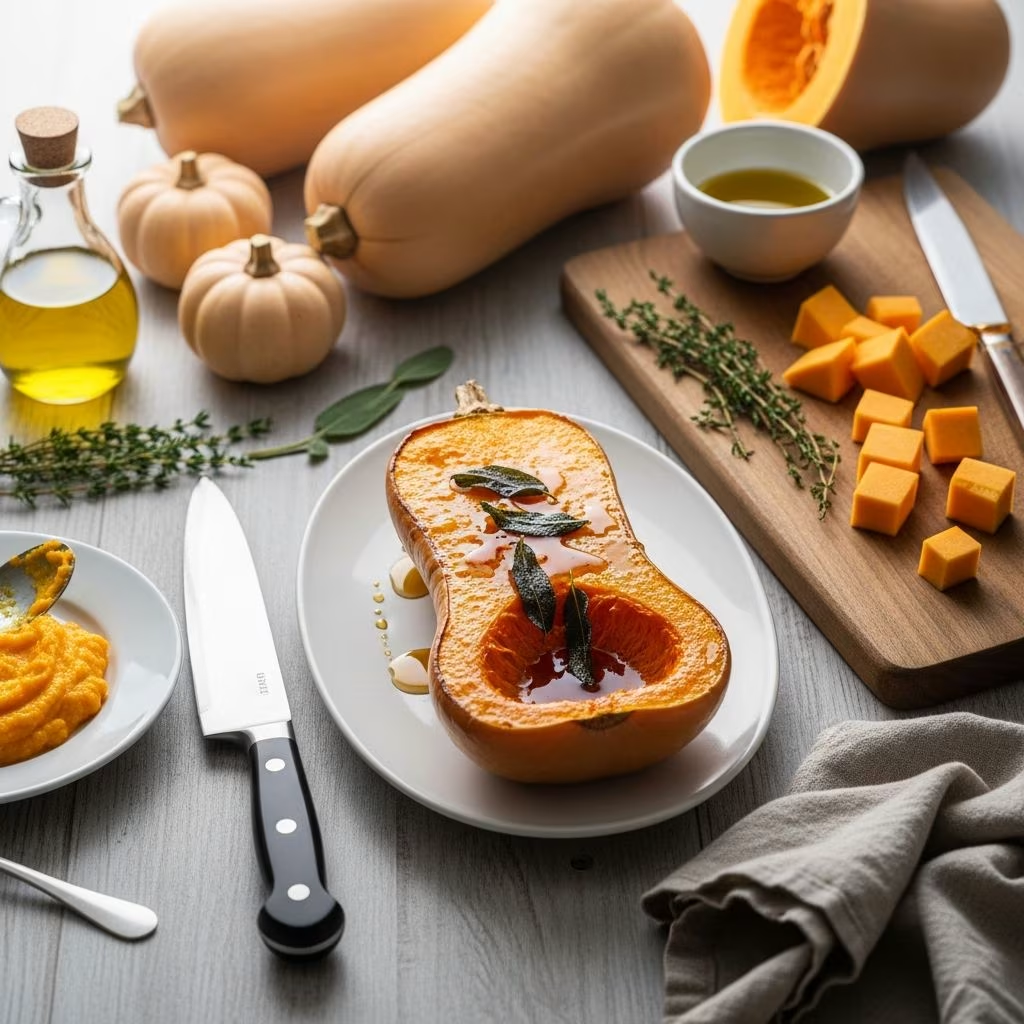
Before selecting your cooking method, familiarize yourself with the characteristics of butternut squash. This winter squash features a long neck section and a broader base, with tan-colored skin and vibrant orange flesh. The seeds concentrate in the larger base portion, making them easy to identify and remove. The smooth skin, relatively thin compared to other winter squash varieties, becomes easier to work with once you understand the proper technique.
When selecting a butternut squash at the market, choose specimens with firm skin showing no soft spots or blemishes. The weight should feel substantial for its size, indicating good moisture content. Store whole squashes in a cool, dark location with temperatures between 50-70°F. Under proper conditions, they keep for several weeks, making them convenient for advance meal planning.
Essential Preparation Steps
Regardless of your chosen cooking method, certain preparation basics remain consistent. Begin by thoroughly rinsing the exterior under cool running water while gently scrubbing with a vegetable brush. This removes any dirt or debris that might transfer to the flesh during cutting.
For whole or halved squash: Place the squash on a cutting board and use a sharp, large knife to carefully cut it in half lengthwise. If the squash feels too hard to cut safely, soften it first by microwaving for 3-5 minutes or placing it in a warm oven briefly. Once halved, use a sturdy spoon or ice cream scoop to remove seeds and fibrous tissue from the center cavity.
For cubed preparations: After halving and seeding, you have two options. Some cooks peel the skin away using a sharp vegetable peeler before cubing, while others prefer to cut the halves into thick slices, then into cubes, leaving the skin intact for roasting. Both approaches work well depending on your final recipe.
The Oven Roasting Method
Roasting in a conventional oven remains the most popular preparation technique, offering excellent flavor development through caramelization and requiring minimal hands-on effort. The dry heat naturally concentrates the squash’s sugars, creating a slightly sweet, complex flavor profile.
Roasting Halved Squash
Preheat your oven to 375-425°F (specific temperature depends on desired cooking speed and browning preference). Line a baking sheet with parchment paper or aluminum foil for easy cleanup. Place prepared squash halves cut-side down or cut-side up, depending on your preference. Cut-side down creates more even cooking and concentrated flavors where the flesh contacts the hot pan. Cut-side up allows seasonings and moisture to pool in the cavity.
Brush the exposed flesh lightly with olive oil and season generously with salt and pepper. Additional seasonings such as cinnamon, nutmeg, or fresh sage enhance the natural sweetness. Cover the baking sheet loosely with foil and roast for 40-50 minutes, depending on squash size and oven characteristics. Remove the foil during the final 10-15 minutes to allow the surface to brown slightly. The squash is done when the flesh pierces easily with a fork and the edges show light browning.
Roasting Cubed Squash
For cubed preparations, peel and remove seeds first, then cut the flesh into 1-inch cubes. Spread the cubes in a single layer on a parchment-lined baking sheet, ensuring pieces don’t overlap significantly. Drizzle with olive oil—approximately 1-2 tablespoons per medium squash—and toss until evenly coated. Season with salt, pepper, and optional spices like rosemary, thyme, or curry powder.
Roast at 400-425°F for 25-35 minutes, stirring halfway through cooking for even browning. The squash is ready when edges turn golden-brown and the flesh becomes completely tender. This method works exceptionally well for soups, grain bowls, and side dishes.
Pressure Cooker and Instant Pot Cooking
Pressure cooking dramatically reduces preparation time, making it ideal for busy schedules. The steam generated under pressure penetrates the squash flesh quickly, achieving tenderness in a fraction of the time required by traditional methods.
Cooking Whole Butternut Squash
Add 1 cup of water to your Instant Pot or pressure cooker and position the trivet (metal rack) on the bottom. Place the whole, cleaned squash on the trivet. Seal the lid and set to high pressure for 30 minutes. After cooking completes, allow pressure to release naturally for 10 minutes before carefully opening the lid. The squash flesh will be very soft and easily scooped from the skin.
Cooking Quartered Sections
If your squash won’t fit whole, cut it into quarters and remove seeds. Stack quarters on the trivet with 1 cup of water at the bottom. Cook at high pressure for 10 minutes, then allow natural pressure release for 10 minutes. Quarters cook more evenly than whole squashes and are easier to handle when removing from the pot.
Cooking Cubed Pieces
For pre-cut cubes, place the trivet in the pressure cooker and add 1 cup of water. Add peeled, seeded, and cubed squash directly to the steamer basket. Cook at high pressure for just 5 minutes, then quick-release pressure. This ultra-fast method works perfectly for soups or purées.
Slow Cooker Method
The slow cooker offers a set-it-and-forget-it approach requiring no monitoring during cooking. While this method takes longer than pressure cooking, it provides convenience and hands-off preparation.
Thoroughly scrub the whole squash and place it in the slow cooker, optionally wrapped in aluminum foil for easier cleanup. Cook on high heat for 4-8 hours, depending on squash size and your slow cooker’s power output. Check for doneness by piercing the skin with a fork—it should slide through with minimal resistance. Once cooked, remove the squash and allow it to cool slightly before cutting in half, removing seeds, and scooping out the soft flesh.
Seasoning and Flavor Combinations
Butternut squash’s mild, slightly sweet nature accommodates diverse seasoning approaches. Classic fall spices including cinnamon, nutmeg, and cloves enhance its inherent sweetness for both savory and sweet applications. For savory profiles, consider sage, thyme, rosemary, or cumin. Spicy applications benefit from cayenne pepper, smoked paprika, or chili powder. Brown butter, maple syrup, and toasted nuts add depth and complexity to finished dishes.
Preparation Comparison Table
| Method | Prep Form | Time | Best For |
|---|---|---|---|
| Oven Roasting (halved) | Halves | 40-60 minutes | Whole servings, purees |
| Oven Roasting (cubed) | Cubes | 25-35 minutes | Bowls, roasted sides |
| Instant Pot (whole) | Whole | 30 minutes | Quick soups, purees |
| Instant Pot (cubed) | Cubes | 5 minutes | Soups, blended dishes |
| Slow Cooker | Whole | 4-8 hours | Convenient batch cooking |
Practical Tips for Success
- Safety First: If the squash feels too firm to cut, briefly soften it using heat before attempting to slice through the skin
- Avoid Waste: Save seeds for roasting separately—toss with oil, salt, and spices, then roast at 300°F for 30-40 minutes for a nutritious snack
- Size Matters: Smaller squashes (2-3 pounds) cook faster and often offer better flavor concentration than larger specimens
- Even Cooking: Cut pieces to consistent sizes to ensure uniform cooking across your batch
- Storage Solutions: Cooked squash keeps refrigerated for 3-5 days or freezes successfully for up to three months
Frequently Asked Questions
Why is my butternut squash still hard after cooking?
Cooking time varies based on squash size, oven temperature accuracy, and altitude. Check for doneness starting 5-10 minutes before the recommended time. If it’s not tender, return it to heat and check again at 5-minute intervals. Older squashes with thicker skin may require additional cooking time.
Can I cook butternut squash in the microwave?
Yes. Poke several holes in a whole squash and microwave on high for 5-10 minutes to soften the skin for easier cutting. Alternatively, after halving and seeding, place cut-side down on a microwave-safe plate with ¼ inch of water and microwave for 8-12 minutes until flesh is tender.
What’s the best way to peel raw butternut squash?
Use a sharp vegetable peeler and work from the stem end downward in long, smooth strokes. If the skin resists, warm the squash briefly to soften it slightly. Many cooks prefer roasting the squash first, which makes peeling unnecessary since the skin separates easily from the flesh.
How do I know when butternut squash is perfectly cooked?
Properly cooked squash flesh yields easily to a fork with minimal pressure. The skin (when roasting halves) may show light browning at the edges. Overcooked squash becomes mushy and watery, while undercooked squash resists the fork and tastes starchy.
Conclusion
Butternut squash deserves a regular place in your kitchen rotation thanks to its nutritional profile, natural sweetness, and remarkable versatility. Whether you prefer the rich browning of oven roasting, the speed of pressure cooking, or the convenience of slow cooking, multiple methods exist to accommodate your schedule and preferences. Mastering these techniques opens doors to countless applications—from simple roasted side dishes to complex purées and soups. Begin with the method that aligns with your equipment and lifestyle, then gradually explore alternatives as your confidence grows. With practice, butternut squash preparation becomes intuitive, allowing you to confidently incorporate this seasonal ingredient into regular meal planning.
References
- How to Cook Butternut Squash — Rachel Cooks. 2024. https://www.rachelcooks.com/how-to-cook-butternut-squash/
- How to Roast Butternut Squash — Elana’s Pantry. 2024. https://elanaspantry.com/how-to-roast-butternut-squash/
- Roasted Butternut Squash Recipe (Oven Baked) — Le Creme de la Crumb. 2024. https://www.lecremedelacrumb.com/roasted-butternut-squash/
- Roasted Butternut Squash — Love and Lemons. 2024. https://www.loveandlemons.com/roasted-butternut-squash/
- How to Cook Butternut Squash — Sunkissed Kitchen. 2024. https://sunkissedkitchen.com/how-to-cook-butternut-squash/