Why Bone-In Chicken Breasts Outshine Boneless Options
When it comes to achieving restaurant-quality poultry at home, bone-in chicken breasts stand out as a superior choice for several compelling reasons. The bone structure provides natural insulation during cooking, which helps retain moisture and prevents the meat from drying out—a common frustration when working with boneless varieties. The presence of the bone also contributes to richer, more developed flavors throughout the meat as it cooks.
Additionally, split chicken breasts (which consist of bone-in, skin-on breast halves) offer exceptional versatility. These cuts work equally well for weeknight family dinners, elegant entertaining occasions, or meal preparation for the week ahead. The skin becomes beautifully crispy when roasted properly, creating textural contrast that enhances the dining experience.
From a practical standpoint, bone-in breasts are economical choices that provide better value than their boneless counterparts while delivering superior results. The bone structure also makes portioning straightforward and presentation-ready.
Essential Preparation Steps for Superior Results
Proper preparation forms the foundation of perfectly cooked chicken. Begin by removing your chicken breasts from refrigeration approximately 30 minutes before cooking. This allows the meat to reach closer to room temperature, promoting more even cooking throughout the piece.
Pat the chicken thoroughly dry using paper towels—moisture on the surface interferes with browning and crispy skin development. Trim any excess fat or loose skin to ensure even cooking and better seasoning penetration.
The skin deserves special attention during preparation. Gently loosen the skin from the meat using your fingers, being careful to maintain the attachment at the edges. This creates a pocket where you can insert seasonings, butter mixtures, or marinades directly against the meat, intensifying flavor development.
Seasoning Strategies and Flavor Combinations
Classic Herb Butter Method
One of the most effective seasoning approaches involves creating a compound butter mixture. Combine softened butter with minced garlic, fresh rosemary, and thyme in a small bowl, mashing the ingredients together until well integrated. This butter mixture is then distributed underneath the chicken skin—approximately one tablespoon per breast—where it melts during roasting and infuses the meat with aromatic flavors.
Simple Dry Rub Approach
For those preferring straightforward seasoning, a combination of kosher salt, garlic powder, paprika, and fresh cracked black pepper provides excellent results. Mix these seasonings in a small bowl before cooking, then apply them to both sides of the chicken. This method offers the advantage of simplicity while still delivering well-rounded flavor profiles.
Mediterranean-Inspired Seasoning
Create an oil-based seasoning mixture by combining extra virgin olive oil with minced garlic, dried oregano, dried rosemary, and fresh lemon zest. Brush this mixture over the chicken breasts before roasting to create Mediterranean-inspired flavors that complement the natural chicken taste.
| Seasoning Method | Key Ingredients | Application Technique | Best For |
|---|---|---|---|
| Compound Butter | Butter, garlic, rosemary, thyme | Under skin before roasting | Rich, herbaceous flavor |
| Dry Rub | Salt, garlic powder, paprika, pepper | Applied to both sides | Simple, bold seasoning |
| Oil-Based Mixture | Olive oil, garlic, oregano, lemon zest | Brushed over surface | Mediterranean profiles |
Roasting Techniques for Optimal Texture and Doneness
Standard Oven Roasting Method
Preheat your oven to either 350 degrees Fahrenheit or 425 degrees Fahrenheit, depending on your preferred cooking approach. The higher temperature creates crispier skin more quickly, while the lower temperature allows for more gentle, even cooking. Place the chicken breasts on an oven-safe rack positioned over a baking sheet—this setup allows air to circulate beneath the meat, promoting even cooking and preventing the bottom from steaming.
Arrange the breasts skin-side up to ensure maximum browning on the exposed surface. Roasting typically requires 35 to 45 minutes at 350 degrees Fahrenheit, or 45 to 70 minutes at the higher temperature, depending on the size of your pieces.
Pan-Searing and Finishing Method
This technique begins on the stovetop before transitioning to the oven. Heat an oven-safe skillet (cast iron works exceptionally well) over medium-high heat. Sear the chicken breasts skin-side down for 3 to 5 minutes until the skin turns golden brown and develops color. This initial searing step creates a flavorful crust through the Maillard reaction.
After searing, transfer the skillet directly to a preheated 350-degree oven and roast for approximately 30 to 35 minutes. This combination method delivers exterior crispness with tender, juicy interior meat.
Braising for Tender, Moist Results
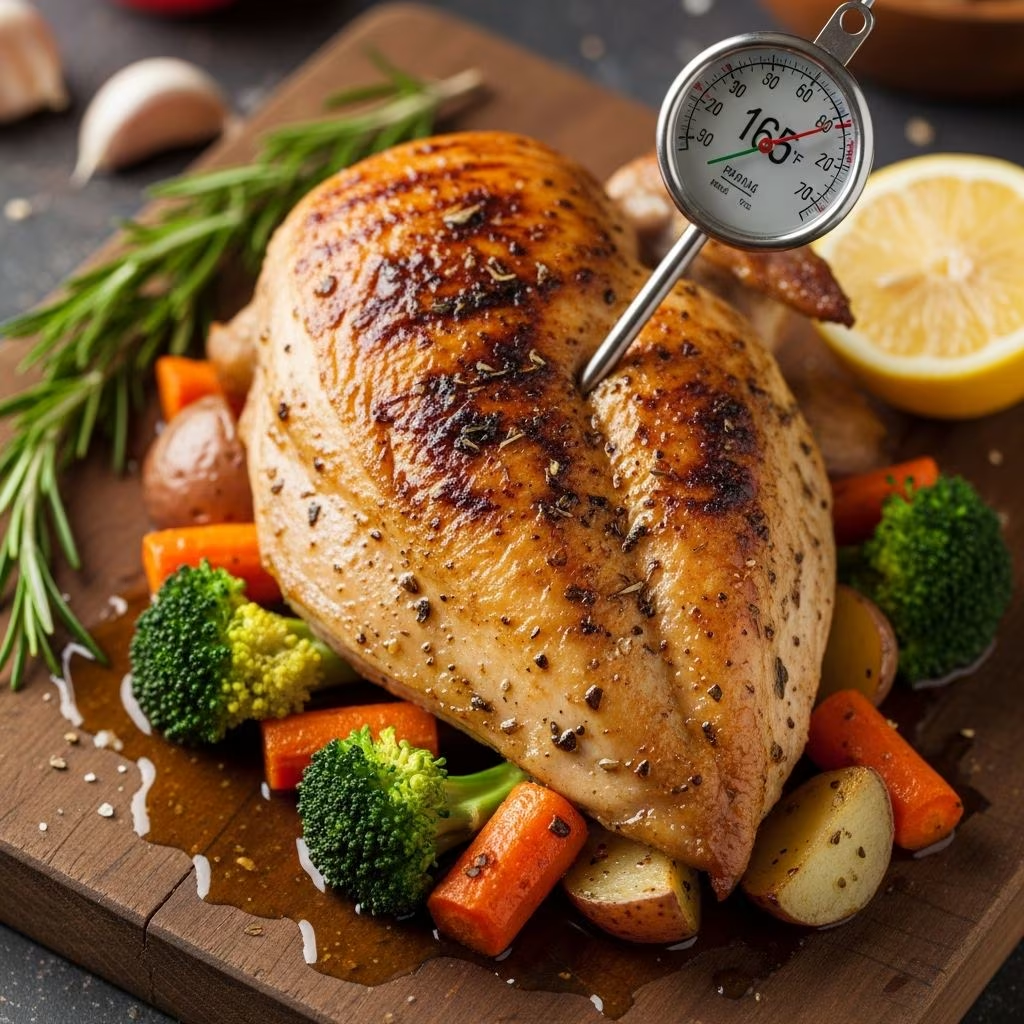
For a completely different preparation style, consider oven braising. After searing the chicken in a skillet, add vegetables such as carrots, celery, and potatoes. Pour in a combination of chicken broth, white wine, fresh thyme, and bay leaf around the chicken. Cover tightly with foil and braise in a 350-degree oven for approximately 45 minutes or until the internal temperature reaches 165 degrees Fahrenheit.
Temperature Monitoring and Doneness Indicators
The most reliable method for determining when bone-in chicken breasts are properly cooked involves using an instant-read meat thermometer. Insert the probe into the thickest part of the meat without touching bone, and cook until the internal temperature reaches 162 to 165 degrees Fahrenheit. The slight variation accounts for carryover cooking that occurs during resting.
When cooking multiple breasts of varying thicknesses, use a strategic approach: check the smallest piece first, remove it when done, then continue checking the larger pieces individually. They may finish at different times, and this method prevents overcooking smaller portions while waiting for larger ones to complete.
After removing the chicken from heat, allow it to rest for 5 to 10 minutes before serving. This resting period allows the meat fibers to relax and retain their juices, resulting in more tender, succulent chicken.
Flavor Enhancements Through Liquid Components
While roasting produces excellent results through dry-heat cooking, incorporating liquids offers alternative flavor dimensions. A squeeze of fresh lemon juice over the chicken shortly before serving adds brightness and acidity that complements the richness of the skin and meat.
For deeper sauce development, the braising method incorporates both chicken broth and white wine, creating a flavorful liquid that can be reduced and served alongside the chicken. Alternatively, substitute the wine with dry white wine alternatives or additional chicken broth for different flavor profiles.
Practical Cooking Timeline and Serving Suggestions
Plan approximately 1 hour and 20 minutes from start to serving when using the pan-sear and oven-finish method. This includes 10 minutes preparation, 40 minutes cooking time, and allows for resting. Oven-roasting at higher temperatures requires roughly 1 hour total time, while lower-temperature roasting may extend to 1 hour and 10 minutes.
Bone-in chicken breasts serve well as standalone dinner components paired with roasted vegetables, grain sides, or fresh salads. The meat also shreds easily for use in sandwiches, salads, soups, and grain bowls throughout the week, making these cuts excellent for meal preparation strategies.
Common Questions About Cooking Bone-In Chicken Breasts
How do I prevent the chicken skin from becoming rubbery?
Ensure the skin is completely dry before cooking by patting thoroughly with paper towels. Pat the oil or butter mixture onto the skin surface, and consider broiling for 1 to 2 minutes at the end of roasting to further crisp the exterior.
Can I cook bone-in chicken breasts from frozen?
While possible, thawing the chicken first produces superior results. Frozen chicken requires significantly longer cooking times and often cooks unevenly, with the exterior potentially overcooking before the interior reaches safe temperatures.
What size portions should I plan for per person?
A single split chicken breast (bone-in, skin-on) typically provides an appropriate main-course portion for one adult. Plan approximately 8 to 12 ounces per person, which accounts for bone weight.
How should I store leftover cooked chicken?
Refrigerate leftover chicken within 2 hours of cooking in an airtight container for up to 3 to 4 days. The bone can remain attached during storage. Alternatively, shred the meat and store separately from bones for easier use in other recipes.
Can bone-in chicken breasts be grilled instead of roasted?
Yes, grilling works well for these cuts. Preheat the grill to medium heat, oil the grates, and grill skin-side down for approximately 6 to 8 minutes until the skin crisps, then flip and continue grilling for another 6 to 8 minutes until the internal temperature reaches 165 degrees Fahrenheit.
Nutritional Considerations and Health Benefits
Bone-in chicken breasts with skin provide approximately 436 calories per serving when prepared using standard roasting methods with minimal added fats. The protein content remains substantial, making these cuts valuable for balanced nutrition and muscle maintenance. While the skin adds fat and calories, it also contributes significant flavor, and many cooks find the enhanced taste worth the nutritional trade-off.
The collagen in the bone and connective tissues contributes to the cooking liquid’s richness when using braising methods, and many nutritionists note potential benefits of consuming bone-derived nutrients through these cooking preparations.
Conclusion: Mastering Bone-In Chicken Breast Preparation
Bone-in chicken breasts represent an accessible, economical, and versatile protein option that elevates everyday cooking when approached with proper technique. Whether employing simple dry rubs, compound butter infusions, or braising methods, these cuts consistently deliver tender, flavorful results when cooked to proper temperature and allowed appropriate resting time.
The techniques outlined—from careful preparation and strategic seasoning to precise temperature monitoring—empower home cooks to prepare restaurant-quality chicken with confidence. With practice, bone-in chicken breasts become a reliable staple that adapts to varied cuisines, dietary preferences, and entertaining needs.
References
- Bone In Chicken Breast Recipe — Wholesome Yum. Accessed April 2026. https://www.wholesomeyum.com/bone-in-chicken-breast/
- Juicy Pan Roasted Bone-in Split Chicken Breasts — Sip + Sanity. Accessed April 2026. https://www.sipandsanity.com/roasted-split-chicken-breasts/
- Baked Bone In Chicken Breast — Well Plated. Accessed April 2026. https://www.wellplated.com/baked-bone-in-chicken-breast/
- Oven Braised Bone-in Chicken Breasts with Vegetables — Deep South Dish. Accessed April 2026. https://www.deepsouthdish.com/2023/10/oven-braised-bone-in-chicken-breasts.html