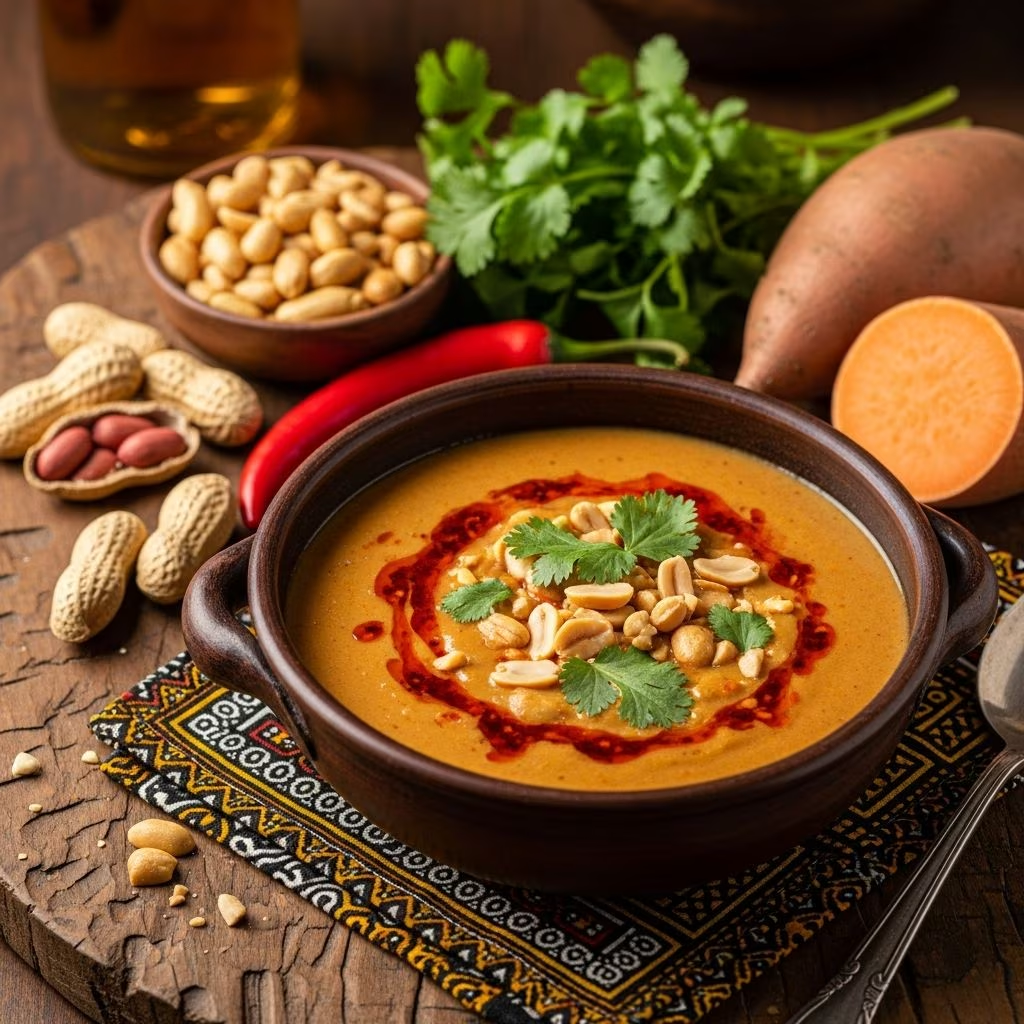
African peanut soup represents one of the most versatile and nourishing dishes in contemporary cooking, drawing inspiration from traditional culinary practices across the African continent. This creamy, richly spiced preparation combines the earthiness of legumes with aromatic vegetables and warming spices, creating a meal that satisfies both nutritional requirements and culinary preferences. Whether you approach this dish as a weeknight dinner solution or a centerpiece for entertaining guests, understanding the fundamentals of preparation ensures consistent, delicious results.
Understanding the Core Components
The foundation of an authentic peanut-based soup begins with quality ingredients working in concert. The primary structural element comes from peanut butter, which provides body, fat content, and distinctive flavor. However, successful preparation requires more than simply stirring peanut butter into broth. The aromatic base—typically onions, garlic, and ginger—establishes the flavor foundation before other elements join the composition.
Sweet potatoes contribute multiple dimensions to this dish. Their natural sweetness balances the savory elements, while their starchy composition adds texture and substance. The vegetable breaks down during cooking, slightly thickening the broth and creating a more cohesive final product. Tomatoes, whether fresh, canned, or in paste form, introduce acidity that brightens the overall flavor profile and prevents the soup from becoming one-dimensional.
Essential Ingredients and Their Functions
| Ingredient | Quantity | Primary Function |
|---|---|---|
| Peanut Butter | ⅓ to ¾ cup | Creates creaminess and signature flavor |
| Sweet Potatoes | 2-4 cups diced | Provides sweetness, texture, and nutrition |
| Onion | 1 medium | Builds aromatic base |
| Garlic | 2-4 cloves | Adds depth and complexity |
| Ginger | 1 tablespoon | Contributes warmth and spice |
| Tomatoes | 1 can (28 oz) | Introduces acidity and body |
| Broth | 2-6 cups | Establishes consistency |
| Coconut Milk | 1 can (14 oz) | Enriches texture and flavor |
Spice Selection and Flavor Development
The spice profile differentiates one regional interpretation from another. Curry powder provides warmth and complexity in some variations, while Ethiopian berbere spice creates a distinctly different character. Paprika contributes gentle smokiness and color depth. Red pepper flakes, sriracha, or fresh chiles introduce heat levels that can be modulated according to personal preference. Cumin, coriander, and thyme work together to create subtle background notes that tie disparate flavors into a cohesive whole.
The order of spice addition matters considerably. Adding spices to hot oil before introducing liquid ingredients—a technique called blooming—releases essential oils and deepens their flavor impact. This prevents the flat, one-dimensional taste that results from simply mixing spices into finished soup.
Step-by-Step Preparation Method
Initial Aromatic Development
Begin by heating oil in a large pot over medium heat. The choice between olive oil, avocado oil, or coconut oil influences the final flavor slightly. Add diced onions with a pinch of salt, cooking until the edges begin to brown and the onion releases its moisture. This usually requires four to six minutes. The salt accelerates the breakdown of cell walls, encouraging moisture release and caramelization.
Once onions soften, introduce minced garlic and ginger, stirring constantly for approximately one minute. This brief cooking window prevents garlic from burning while allowing volatile compounds to infuse the oil. At this point, add your chosen spices—curry powder, paprika, coriander, or other aromatics—stirring rapidly for about thirty to sixty seconds until the kitchen fills with fragrant aroma.
Building the Soup Body
Add diced sweet potatoes to the aromatics, stirring to coat them with the spiced oil. If using tomato paste, incorporate it at this stage, allowing it to cook for one to two minutes. This brief sauté concentrates the tomato flavor and reduces any metallic notes associated with canned tomatoes.
Pour in canned tomatoes with their juice, scraping the bottom of the pot to incorporate any browned bits that add significant flavor depth. Add your chosen broth—chicken, vegetable, or water depending on your dietary preferences and desired richness. Bring the mixture to a simmer, then reduce heat to medium-low, partially covering the pot. Allow the vegetables to cook until the sweet potatoes become completely tender, typically fifteen to twenty minutes.
Incorporating Peanut Butter
Rather than stirring peanut butter directly into the hot soup, which can create lumps, use a tempering technique. Remove approximately one to two cups of hot broth to a separate bowl, then whisk the peanut butter into this smaller quantity of liquid until completely smooth and pourable. This slurry then returns to the pot, where vigorous stirring ensures even distribution throughout the soup.
If using coconut milk, add it at approximately the same time as the peanut butter, stirring well to combine. The fat in both ingredients creates a silky texture while adding richness and depth.
Final Flavor Adjustments
After combining all primary ingredients, allow the soup to simmer for an additional ten minutes, permitting flavors to meld and deepen. At this point, add finishing elements like lime juice, which brightens the overall profile without adding calories or sodium. Taste carefully, adjusting salt, heat level, or citrus according to preference.
Customization Options and Variations
Protein Additions
Ground turkey provides a lean protein option, with one pound typically yielding sufficient quantity for six servings. Brown the turkey in the pot before adding vegetables, breaking it into small pieces as it cooks. For vegetarian and vegan preparations, cooked chickpeas, white beans, or lentils replace meat while maintaining protein content and textural interest.
Vegetable Modifications
While sweet potatoes form the traditional base, other vegetables integrate successfully. Collard greens or kale added during the final five minutes of cooking impart earthiness and additional nutrition. Spinach wilts quickly at the end, adding iron and minerals. Diced bell peppers, particularly red varieties, introduce sweetness and visual appeal.
Texture Preferences
Blending a portion of the finished soup creates creamier consistency without additional cream. Ladle two to three cups into a blender, process until smooth, then return to the pot. For chunkier texture, leave the soup unstrained and simply ensure sweet potatoes cook until completely tender.
Nutritional Profile and Health Considerations
This soup provides substantial nutritional value from multiple sources. Peanut butter contributes protein, healthy fats, and vitamin E. Sweet potatoes deliver complex carbohydrates, fiber, and beta-carotene. Coconut milk provides medium-chain triglycerides, though its caloric density warrants mindful portioning. The typical serving yields between 300 and 440 calories depending on specific ingredients and proportions used.
The combination of protein, fat, and complex carbohydrates creates sustained energy without the blood sugar spikes associated with simpler meals. The high fiber content supports digestive health and satiety, making this soup an excellent choice for portion management and sustained satisfaction.
Storage and Make-Ahead Strategies
African peanut soup stores well in refrigerated containers for three to five days, with flavors actually improving slightly as ingredients continue melding. Freeze portions in airtight containers or freezer bags for up to three months. For optimal texture upon reheating, thaw overnight in the refrigerator before warming gently on the stovetop, adding additional broth if the soup has thickened excessively during storage.
Serving Suggestions and Accompaniments
This versatile dish adapts to various serving contexts. Roasted peanuts scattered across the surface provide textural contrast and reinforce the signature flavor. Fresh cilantro, while traditional, can be replaced with parsley or omitted entirely based on preference. Lime wedges served alongside allow individual diners to adjust citrus intensity. For substantial meals, serve with rice, flatbread, or crusty bread for dipping.
Frequently Asked Questions
Can I make this soup dairy-free?
Yes, this soup is naturally dairy-free when prepared as described. The coconut milk provides richness traditionally supplied by cream in other soups.
What if my peanut butter is too thick to pour?
Use natural peanut butter rather than heavily processed varieties, which contain stabilizers preventing separation. If thickness remains an issue, warm the peanut butter slightly before tempering it with broth.
How do I adjust the heat level?
Begin conservatively with red pepper flakes or chiles, tasting before adding more. Hot sauce can be added individually at the table, allowing diners to customize their preferred level of spiciness.
Can I prepare this in a slow cooker?
Yes, combine all ingredients except the peanut butter and coconut milk in a slow cooker on low for six to eight hours or high for three to four hours. Stir in the peanut butter and coconut milk during the final thirty minutes of cooking.
Is this gluten-free?
When made with gluten-free broth and served without bread, this soup accommodates gluten-free diets successfully. Always verify that processed ingredients like curry powder or spice blends don’t contain hidden gluten.
Conclusion
African peanut soup represents an accessible entry point into diverse global cuisine, combining simple techniques with extraordinary flavor. Whether preparing this dish for weeknight family meals or entertaining guests, the fundamental principles remain consistent. By understanding ingredient functions, mastering core preparation methods, and remaining flexible with variations, home cooks develop confidence in creating this nourishing, satisfying dish repeatedly. The combination of warmth, spice, creaminess, and nutrition makes this soup equally welcome during cold winter months or whenever comfort food appeals.
References
- African Peanut Soup — Muir Glen. https://www.muirglen.com/recipes/african-peanut-soup/
- African Peanut Soup Recipe – A Vegan Soup — Oh My Veggies. https://ohmyveggies.com/african-peanut-soup/
- West African Peanut Soup — SoupAddict. https://soupaddict.com/west-african-peanut-soup/
- African Peanut Soup — The Modern Proper. https://themodernproper.com/african-peanut-soup
- Vegetarian West African Peanut Soup — Cookie and Kate. https://cookieandkate.com/west-african-peanut-soup/
- African Sweet Potato and Peanut Soup — Rebecca Katz. https://www.rebeccakatz.com/recipe-box/african-sweet-potato-and-peanut-soup
- African Peanut Soup — Skippy Brand. https://www.peanutbutter.com/recipe/african-peanut-soup/