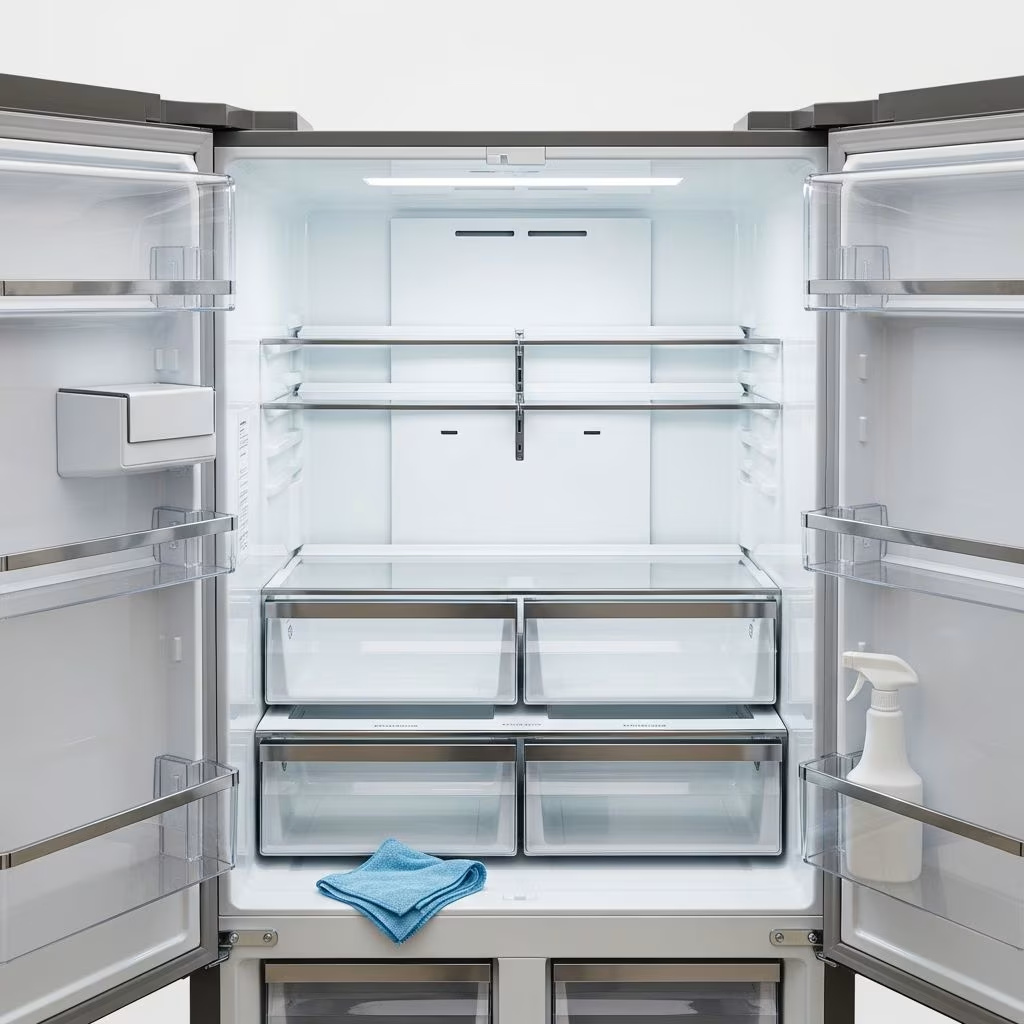
Keeping your refrigerator clean is vital for food safety, efficiency, and longevity. Regular maintenance prevents bacterial growth, eliminates odors, and ensures optimal cooling performance. This guide provides detailed strategies using everyday items like vinegar and baking soda to achieve professional results at home.
Why Regular Fridge Maintenance Matters
A dirty fridge harbors bacteria and mold that can contaminate food, leading to spoilage and health risks. Dust on condenser coils reduces energy efficiency, causing higher bills and uneven temperatures. Seasonal deep cleans, ideally before grocery shopping, minimize hassle and maximize effectiveness. Daily spot checks catch spills early, preventing buildup.
Gathering Your Cleaning Toolkit
Stock up on non-toxic supplies for safe, effective cleaning:
- Baking soda: Neutralizes odors and cuts grease without residues.
- White vinegar: Dissolves stains and kills mold naturally.
- Dish soap: For hot water solutions on removable parts.
- Microfiber cloths: Streak-free wiping and drying.
- Non-scratch sponges: Safe for glass and plastic surfaces.
- Toothbrush: Reaches crevices and hinges.
- Vacuum with brush attachment: For coils and dust.
- Coolers or insulated bags: Temporary food storage.
Avoid harsh chemicals that leave harmful residues on food-contact surfaces. Salt in warm water works wonders on sticky spills by acting as a gentle abrasive.
Step-by-Step Deep Cleaning Process
Follow this structured approach for thorough results. Plan around low-food periods for ease.
Step 1: Preparation and Emptying
Unplug the fridge or turn off power at the breaker for safety. Empty all contents into coolers with ice packs, discarding expired or spoiled items. Limit food outside time to under two hours to prevent bacterial growth. Remove shelves, crispers, and bins, allowing them to warm to room temperature before washing to avoid cracking.
Step 2: Interior Deep Clean
Mix warm water with dish soap for initial wipe-downs of walls, ceiling, and floor. Focus on corners with a sponge. For stains, spray a 1:1 vinegar-water solution, let sit, then scrub. Baking soda paste (2 tablespoons in 1 cup hot water) tackles greasy spots without scents. Rinse with damp cloths and dry fully to prevent moisture buildup.
| Surface | Cleaner | Method |
|---|---|---|
| Walls & Shelves | Baking Soda Solution | Wipe, scrub, rinse, dry |
| Spills & Stains | Vinegar Spray | Spray, soak 5 mins, wipe |
| Drawers & Bins | Hot Soapy Water | Soak in tub, scrub, air dry |
Step 3: Tackling Removable Components
Fill a bathtub or large basin with warm water, 2-3 teaspoons dish soap, and 2 cups vinegar. Soak shelves and drawers for 20-30 minutes. Scrub with non-scratch sponges, then use a three-towel system: one to remove grime, one to rinse, and one microfiber to dry streak-free. For tough grime, add salt to lift residues.
Step 4: Exterior and Hidden Areas
Wipe doors, handles, and seals with soapy water, drying seals thoroughly to maintain airtightness. For stainless steel, use specialized cleaners. Pull the fridge out to vacuum condenser coils (underneath or back) with a brush attachment—dust here impairs cooling. Clean drip pans if present.
Handling Common Fridge Challenges
Eliminating Persistent Odors
Post-clean, place an open baking soda box inside. For freshness, add vanilla extract to a sponge during wipes. Mark leftovers with dates using a Sharpie to rotate stock and avoid forgotten stinkers.
Mold and Mildew Removal
Spray undiluted vinegar on affected areas, wipe crevices with a cloth, and dry completely. Wash cleaning cloths in hot soapy water afterward. Prevent recurrence by ensuring full drying and good airflow.
Tough Stain Solutions
Salt-water mix lifts stuck-on food. For new fridges, soapy water removes manufacturing residues without chemicals.
Daily and Weekly Maintenance Routines
Incorporate habits for sustained cleanliness:
- Daily: Wipe spills immediately with soapy cloth.
- Weekly: Check produce drawers, discard wilted items.
- Monthly: Spot-clean coils and seals.
Organize post-clean: group like items, use clear bins for visibility, and label shelves to encourage tidiness.
Energy-Saving and Longevity Tips
Clean coils biannually to maintain efficiency—dusty coils make the fridge work harder, freezing food unevenly. Position for airflow: 1-2 inches from walls. Deep cleans reveal organization issues, like overcrowded shelves blocking air circulation.
Frequently Asked Questions (FAQs)
How often should I deep clean my fridge?
Seasonally, or monthly if heavily used. Spot clean weekly.
Can I use bleach in the fridge?
No—it’s too harsh and leaves fumes. Stick to vinegar or baking soda.
What if my fridge smells after cleaning?
Add baking soda or check for hidden spills/mold.
Is it safe to clean shelves in hot water?
Let them warm first to prevent thermal shock and cracking.
How do I clean stainless steel fridge doors?
Use mild soap or stainless cleaner, wipe with grain direction.
Advanced Tips for Optimal Performance
For smart fridges, consult manuals for digital controls. Test door seals by closing on a dollar bill—if it slips out easily, clean or replace. After reassembly, monitor temperature: 37°F ideal for fridge, 0°F for freezer. This ensures food lasts longer, reducing waste.
Consistent cleaning transforms your fridge from a potential hazard to a hygienic powerhouse. Implement these methods for a fresher kitchen effortlessly.
References
- How to Clean a Refrigerator in 4 Simple Steps — Whirlpool. 2023-05-15. https://www.whirlpool.com/blog/kitchen/how-to-clean-a-refrigerator.html
- The Best Way to Clean Your Refrigerator — YouTube (Clean That Up). 2023-08-10. https://www.youtube.com/watch?v=Yj3VZVCrFkU
- How to Clean a New Refrigerator — THOR Kitchen. 2022-11-20. https://www.thorkitchen.com/blogs/post/how-to-clean-a-new-refrigerator