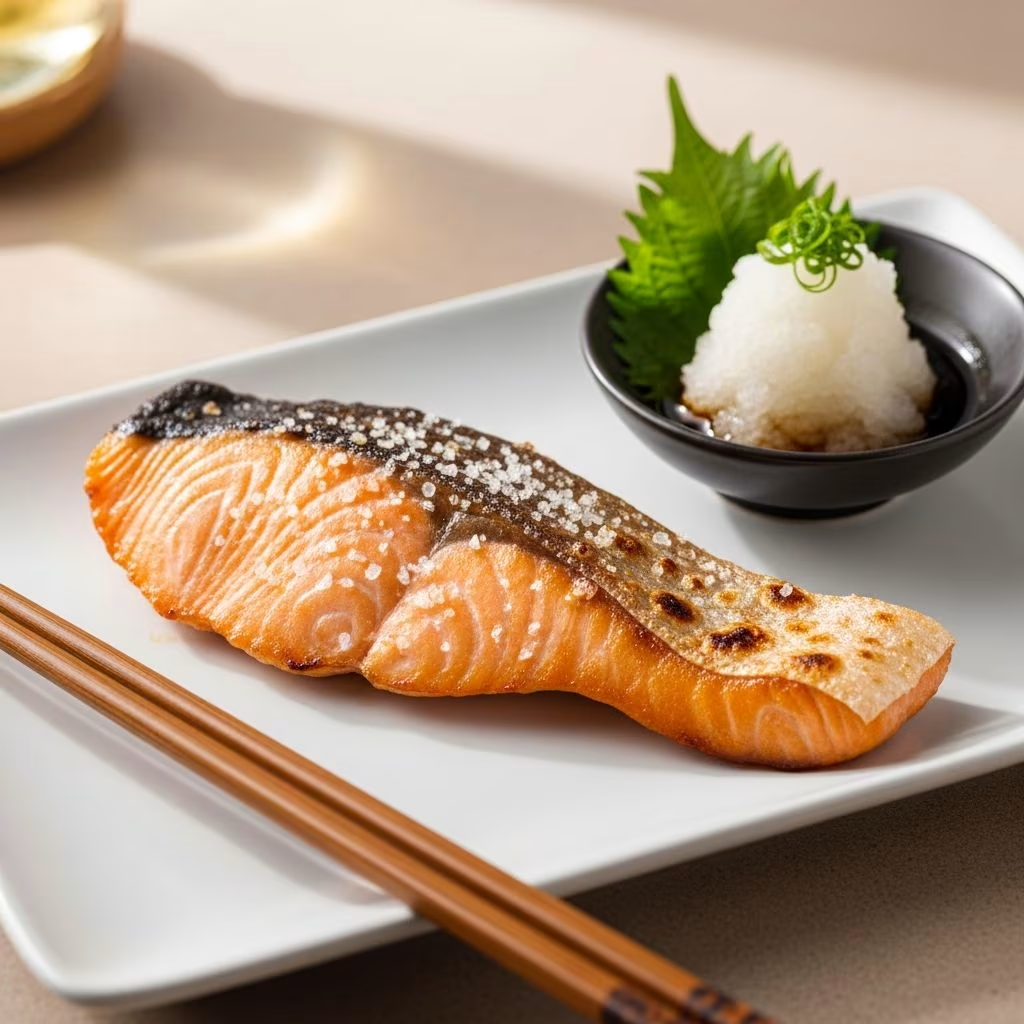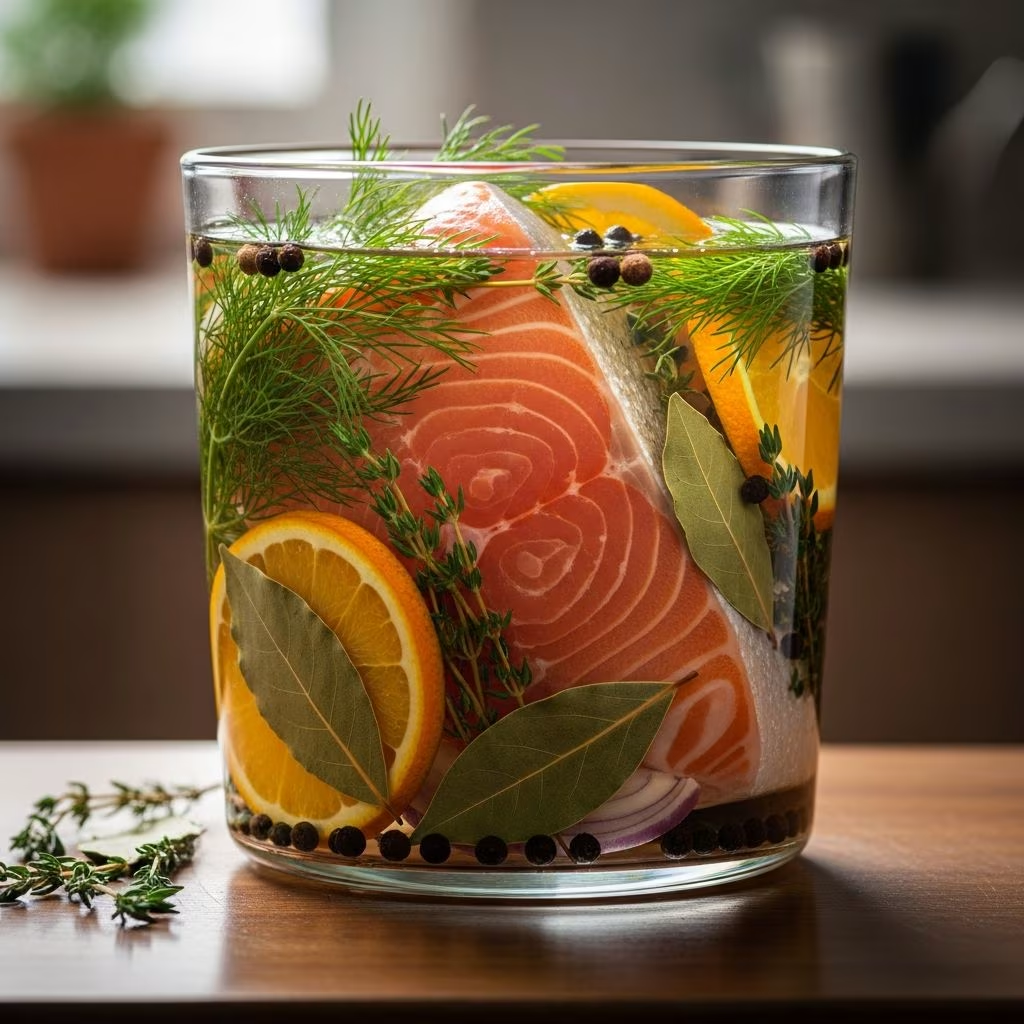
Brining salmon transforms ordinary fillets into succulent, flavorful masterpieces ideal for smoking, grilling, or roasting. This process infuses the fish with seasonings while enhancing moisture retention and texture. Whether you’re a novice or seasoned cook, mastering brine techniques unlocks endless culinary possibilities.
Why Brine Salmon?
Brining salmon serves multiple purposes beyond mere seasoning. Salt in the brine draws moisture to the surface through osmosis, then dissolves back into the fish, locking in juices during cooking. This results in firmer texture and prevents dryness, especially in high-heat methods like smoking. Sugar balances saltiness, promotes caramelization, and adds subtle sweetness that complements salmon’s natural richness.
Additional benefits include flavor penetration—herbs, spices, and aromatics infuse deeply—and food safety. Proper brining reduces surface bacteria, making it safer for low-temperature smoking. For roasting, a quick brine minimizes the unsightly white albumin protein release, yielding cleaner presentation.
wet vs. Dry Brines: Choosing the Right Method
Wet brines submerge salmon in a saltwater solution, ideal for even flavor distribution and hydration. Dry brines use salt-sugar rubs applied directly to the fish, drawing out then reabsorbing moisture for concentrated taste. Use wet for larger fillets or smoky preparations; dry for quicker results or grilling.
| Method | Best For | Time | Pros | Cons |
|---|---|---|---|---|
| Wet Brine | Smoking, whole sides | 6-12 hours | Deep penetration, moist texture | Messier, requires container |
| Dry Brine | Fillets, roasting | 1-24 hours | Simple, intense flavor | Can over-salt if prolonged |
Essential Ingredients for Salmon Brines
Core components include kosher salt for clean salinity (avoid table salt’s additives) and brown sugar for depth—dark varieties add molasses notes. Water or soy sauce forms the base; powders like garlic and onion amplify savoriness.
- Kosher Salt: 1/4-1/2 cup per quart water; measures by volume accurately.
- Brown Sugar: Balances salt; 1/4-1/2 cup typical.
- Aromatics: Dill, black pepper, garlic powder for herbaceous lift.
- Acid/Umami: Soy sauce, white wine, or lemon zest tenderizes.
- Herbs: Fresh dill, thyme for brightness.
Classic Wet Brine Recipes
Simple Smoker’s Wet Brine
Perfect for hot or cold smoking, this yields silky, smoky salmon.
- 1 quart cold water
- 1/2 cup kosher salt
- 1/2 cup dark brown sugar
- 1 tsp dill weed (optional)
- 1 tsp dried thyme (optional)
- Dissolve salt and sugar in water using a fork. Stir in herbs.
- Submerge 2-3 lb salmon fillets (skin-on) in a non-reactive container or zip-top bag. Refrigerate 5-8 hours, based on thickness (1 inch = 5 hours).
- Rinse thoroughly under cold water to remove excess salt. Pat dry.
Umami-Packed Asian-Inspired Brine
Incorporates soy and spices for bold, savory depth.
- 1.5 cups warm water (cool before use)
- 1/2 cup brown sugar
- 1/4 cup kosher salt
- 1/8 cup low-sodium soy sauce
- 1 tbsp garlic powder
- 1 tbsp onion powder
- 1 tsp black pepper
- Dash of hot sauce (optional)
- Whisk all ingredients until dissolved. Cool completely.
- Pour a layer in a 9×13 pan, add salmon skin-side down, cover with rest. Brine 8 hours refrigerated.
- Rinse, pat dry, and air-dry 2-3 hours for pellicle formation (shiny skin that holds smoke).
Dry Brine Techniques for Quick Flavor
Dry brines are fuss-free rubs—no liquid needed.
Basic Dry Brine Rub
- 2 tbsp brown sugar
- 1 tbsp kosher salt
- 1 tsp garlic powder
- 1 tsp dried dill
- 1/8 tsp black pepper
- Mix in a bowl. Pat salmon dry, place skin-down on a wire rack over a sheet pan.
- Rub mixture evenly over flesh (skip skin). Refrigerate uncovered 1-1.5 hours.
- Rinse if desired, pat dry, and proceed to smoke or roast.
Overnight Dry Brine for Intense Smoke
For larger cuts, scale up: 4 cups brown sugar + 3/4 cup kosher salt per 3-4 lb salmon. Apply generously, brine 16-24 hours uncovered. Ideal for pellet grills.
Step-by-Step Brining Process
Success hinges on precision. Start with fresh, high-quality salmon—wild-caught preferred for lower oil content and firmer cure.
- Prep Fish: Scale if needed, leave skin on. Cut into 2-3 inch portions for even brining.
- Mix Brine: Always dissolve solids fully in cool/warm water; hot water risks cooking the fish.
- Submerge/Rub: Ensure full coverage. Use weights for wet brines if floating occurs.
- Refrigerate: Uncovered for dry brines to form pellicle; covered for wet.
- Rinse & Dry: Cold water rinse removes excess salt. Air-dry 2-3 hours in fridge for tacky surface.
Brine time varies: 10-20 min quick wet for roasting; 6-12 hours for smoking.
Smoking Brined Salmon: Pro Tips
Post-brine, smoke low and slow: 160-225°F with alder, cherry, or apple wood for mild smoke. Hot smoke to 145°F internal; cold smoke under 90°F for lox-style.
- Form pellicle for smoke adhesion.
- Place skin-down on grates; use foil sling if needed.
- Smoke 1-3 hours until flaky.
Brining for Roasting or Grilling
A short brine (10-30 min) firms flesh for pan-searing or oven-roasting at 400°F. Dry brine enhances grill marks without flare-ups. Pat dry thoroughly before high heat.
Common Mistakes and Fixes
- Over-Brining: Leads to tough, salty fish. Time by thickness: 1 hour per inch.
- Skipping Rinse: Results in overpowering salt. Always rinse post-brine.
- No Pellicle: Smoke won’t stick; air-dry patiently.
- Wrong Salt: Kosher only—iodized alters taste.
Flavor Variations to Experiment With
- Herb Garden: Fresh dill, thyme, lemon zest.
- Spicy Kick: Cayenne, ginger, or jerk paste slits.
- Asian Fusion: Soy, ginger, sesame oil.
- Sweet Heat: Maple syrup, chipotle.
Storage and Serving Ideas
Smoked salmon lasts 1-2 weeks refrigerated or months frozen. Serve on bagels, in salads, or as appetizers. Pair with cream cheese, capers, onions.
Frequently Asked Questions
Can I reuse brine?
No—bacteria from fish contaminates it. Discard after one use.
How do I know when it’s done brining?
Flesh firms and turns opaque at edges. Test small piece.
Wild vs. Farmed Salmon?
Wild brines faster due to leanness; farmed needs longer for fat balance.
Vegetarian Brine Alternative?
Same ratios work for tofu or tempeh, adjusting time.
White stuff on salmon?
Albumin from overcooking/moisture loss. Brining and gentle heat prevent it.
References
- Smoked Salmon Brine — The Wooden Skillet. 2023. https://thewoodenskillet.com/smoked-salmon-brine/
- Brined & Smoked Salmon — Chop & Brew. 2022. https://chopandbrew.com/recipes/brined-smoked-salmon/
- Smoked Salmon Brine + Video — Kevin Is Cooking. 2024. https://keviniscooking.com/smoked-salmon-brine-recipe/
- The BEST Smoked Salmon Recipe — Platter Talk. 2023. https://www.plattertalk.com/how-to-smoke-salmon-recipe/
- Brined and Smoked Salmon Recipe — Kitchenatics. 2023. https://kitchenatics.com/recipes/easy-smoked-salmon-recipe-healthy-meal/
- How to Smoke & Dry Brine Salmon — YouTube (Nick’s BBQ). 2023. https://www.youtube.com/watch?v=WBEzXnyF6Jo
- How to Brine Salmon (Easy!) — Peel with Zeal. 2024. https://www.peelwithzeal.com/get-rid-of-the-white-stuff-brine-and-perfectly-roast-salmon/