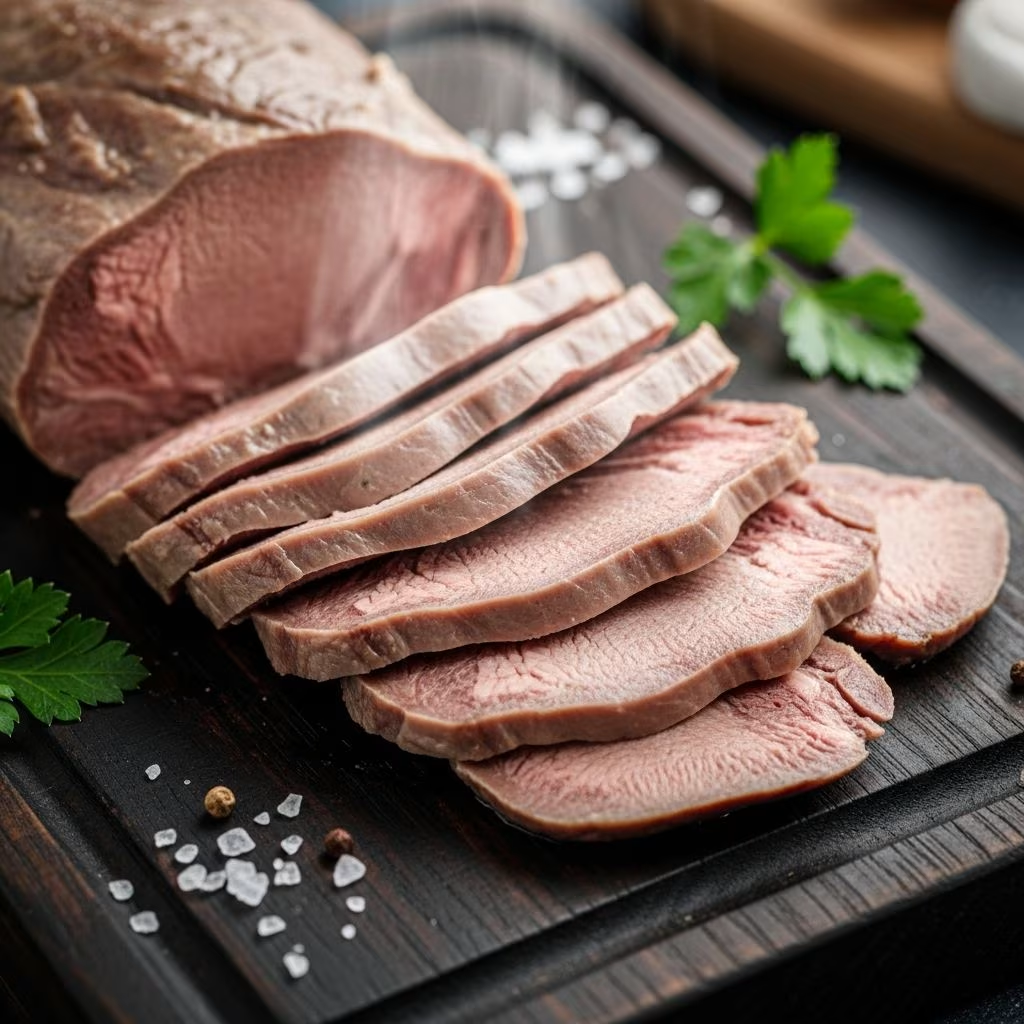
Boiled beef tongue offers a unique texture and rich flavor that transforms an often-overlooked cut into a culinary highlight. This method tenderizes the meat through gentle simmering, making it ideal for slicing thin and serving in various dishes. With proper preparation, it becomes versatile for sandwiches, salads, or main courses.
Why Choose Beef Tongue for Boiling
Beef tongue stands out for its high collagen content, which breaks down into gelatin during long cooks, yielding exceptionally tender results. Unlike steaks or roasts, this organ meat benefits from moist heat methods like boiling or simmering to achieve optimal softness without drying out. It’s nutrient-dense, providing protein, iron, and B vitamins, making it a healthy choice for budget-conscious cooks exploring nose-to-tail eating.
Selecting and Preparing Fresh Beef Tongue
Opt for tongues weighing 2 to 4 pounds from grass-fed sources for better flavor and marbling. Look for firm, moist flesh without off odors or sliminess. Rinse under cold water to remove surface impurities.
- Trim excess fat from the base if present.
- Inspect for any silver skin and score lightly to aid seasoning penetration.
- Pat dry before cooking to ensure even boiling.
For enhanced tenderness, some methods include an initial blanch: submerge in boiling water for 10-15 minutes, discard water, then rinse. This step removes impurities and initial toughness.
Essential Ingredients for Flavorful Broth
A well-seasoned cooking liquid infuses the tongue with depth. Basic components include water to cover, salt, and aromatics. Customize based on preference for subtle or bold profiles.
| Ingredient | Quantity (for 3 lb tongue) | Purpose |
|---|---|---|
| Water | Enough to cover by 2 inches | Moist cooking medium |
| Bay leaves | 2-3 | Earthy aroma |
| Whole peppercorns | 1 tsp | Spicy undertone |
| Onion, quartered | 1 large | Sweet base note |
| Garlic cloves, halved | 2-3 | Savory punch |
| Allspice berries or celery | 1 tsp or 2 stalks | Balancing warmth |
| Salt | 2 tbsp | Seasoning |
Optional additions like vinegar or ginger slices add brightness and aid peeling.
Step-by-Step Boiling Guide
Follow these precise steps for foolproof results. Cooking time varies by size: about 50 minutes per pound or 2.5-4 hours total.
- Setup Pot: Place cleaned tongue in a large stockpot or Dutch oven. Add aromatics and cover with cold water.
- Initial Boil: Bring to a rolling boil over high heat, about 15-20 minutes. Skim foam for clarity.
- Simmer Phase: Reduce to low simmer, partially cover. Turn tongue hourly for even cooking. Maintain gentle bubbles.
- Test Doneness: Pierce with a fork; it should slide in easily after 3 hours for 2-3 lb tongues.
- Cool Down: Transfer to ice bath or cold water for 15-20 minutes to loosen skin.
Peeling the Cooked Tongue
Peeling is crucial for edibility. The outer layer toughens during cooking but slips off post-chill.
- Hold under running water or in the bath.
- Start at the thick end, grip with a cloth, and pull back firmly.
- Trim any remaining gristle from the underside.
- Slice against the grain into 1/4-inch pieces while warm for best texture.
If skin resists, return to simmering for 15 more minutes.
Customizing Your Boiling Broth
Experiment with cultural twists. Jewish-style uses vinegar and garlic for tang. Italian versions incorporate carrots, parsley, and celery. Pressure cooking shortens time: 40-90 minutes on high.
- Quick Pot Method: Sauté onions first, add tongue and broth, pressure 90 minutes, natural release.
- Oven Braise: 375°F for 5-6 hours in a covered Dutch oven.
Delicious Serving Ideas
Serve hot with mustard or sauce, or chilled for salads.
- Classic Slices: With horseradish and rye bread.
- Stew Addition: Cube and add to vegetable broths.
- Mushroom Sauce: Sauté onions and mushrooms in butter, deglaze with beef broth, thicken with cornstarch.
- Tacos: Sauté slices with onions, cilantro, lime.
Storage and Reheating Tips
Store peeled tongue in broth up to 4 days refrigerated, or freeze slices for 3 months. Reheat gently in simmering liquid to prevent drying.
Nutrition and Health Benefits
A 3-oz serving delivers 20g protein, low carbs, and zinc for immunity. It’s leaner than many cuts when trimmed.
Frequently Asked Questions
How long to boil beef tongue?
Typically 2.5-4 hours, or 50 minutes per 450g until fork-tender.
Can I use a slow cooker?
Yes, low for 8 hours with aromatics.
Why is my tongue tough?
Under-cooking or not chilling properly before peeling; extend simmer next time.
Is beef tongue safe to eat?
Yes, when sourced fresh and cooked to 160°F internal.
What if I don’t have bay leaves?
Substitute thyme or omit; core flavors come from peppercorns and onion.
References
- Beef Tongue Recipe — Healthy Recipes Blogs. 2023-05-15. https://healthyrecipesblogs.com/beef-tongue-recipe/
- Boiled Tongue — Jewish Cookery. 2022-11-20. https://jewishcookery.com/recipes/boiled-tongue/
- How to Cook Tender Beef Tongue — Common Sense Home. 2021-08-10. https://commonsensehome.com/how-to-cook-beef-tongue/
- How to Cook Beef Tongue — YouTube (Italian Food Channel). 2020-06-12. https://www.youtube.com/watch?v=RAyzC7hWZ-g
- How to Cook Beef Tongue: Best Methods — Seven Sons Farms. 2024-02-28. https://sevensons.net/blog/how-to-cook-beef-tongue