Horseradish sauce stands as one of the most versatile and flavorful condiments in contemporary cuisine, offering a pungent and invigorating complement to a wide array of dishes. This tangy, bold sauce has maintained its popularity across generations and culinary traditions, serving as the perfect accompaniment to robust proteins and hearty fare. Understanding the fundamentals of horseradish sauce preparation enables home cooks to craft restaurant-quality condiments that elevate everyday meals into memorable dining experiences.
Understanding Horseradish as a Base Ingredient
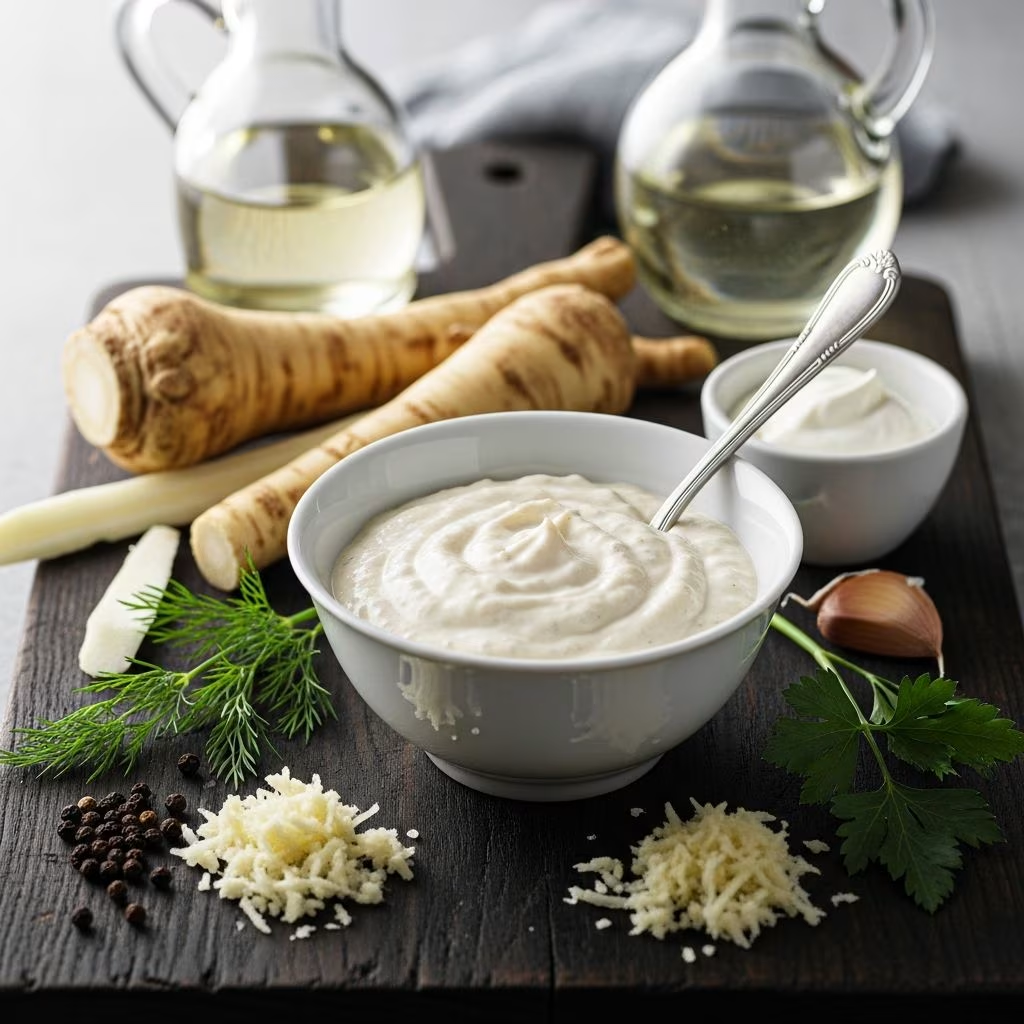
Horseradish, a root vegetable belonging to the Brassicaceae family, contains powerful compounds that create its distinctive sharp and penetrating flavor profile. The intensity of horseradish makes it an ideal foundation for sauces designed to complement rich and substantial dishes. When selecting horseradish for sauce preparation, cooks must choose between fresh horseradish root and pre-prepared horseradish products, each offering distinct advantages for different culinary applications.
Fresh horseradish root requires more preparation time but delivers superior flavor complexity and intensity. The prepared horseradish found in grocery stores offers convenience and consistency, making it an excellent option for cooks seeking quick preparation without extensive ingredient sourcing. Understanding these distinctions allows home cooks to select the option that best aligns with their time constraints and flavor preferences.
Core Preparation Methods and Techniques
The Minimal-Effort Approach
Creating horseradish sauce requires remarkably little culinary expertise or specialized equipment. The most straightforward preparation method involves combining ingredients in a mixing bowl and whisking until thoroughly blended. This approach typically requires no more than two to five minutes from start to finish, making it accessible for busy home cooks and entertaining enthusiasts.
The simplicity of this preparation method lies in the nature of the ingredients themselves. Creamy bases such as sour cream and mayonnaise provide immediate structure and texture, while acidic components like vinegar and lemon juice contribute brightness and prevent the sauce from becoming overly heavy. The combination of these elements creates a cohesive condiment without requiring heat, emulsification, or complex cooking techniques.
Fresh Horseradish Processing
Preparing sauce from fresh horseradish root demands additional steps but rewards cooks with intensified flavor profiles. This method begins with peeling the horseradish root and cutting it into uniform pieces approximately half an inch in size. A food processor or high-speed blender then reduces these pieces to a smooth, creamy consistency when combined with acidic components such as white vinegar.
The processing stage represents the most labor-intensive phase of this approach. The horseradish’s fibrous structure requires adequate blade speed and processing time to achieve the desired texture. Once the horseradish reaches appropriate consistency, the resulting sauce can be transferred to storage containers and refrigerated until serving. This version tends toward greater intensity and complexity compared to sauce prepared from pre-processed horseradish products.
Essential Ingredient Categories and Combinations
Creamy Foundation Elements
Creamy horseradish sauces depend on selected dairy and dairy-adjacent products to create their characteristic smooth texture and subtle richness:
- Sour cream contributes tangy undertones and velvety mouthfeel while maintaining the sauce’s overall brightness
- Mayonnaise adds richness and helps emulsify other components into a cohesive condiment
- Non-dairy alternatives like vegan mayonnaise offer plant-based options for dietary preferences
The proportions of these creamy elements determine the final sauce’s texture and intensity. Sauces emphasizing sour cream develop more pronounced tang, while those featuring higher mayonnaise ratios become richer and more subtle. Experimenting with different ratios allows home cooks to calibrate their sauce toward personal taste preferences.
Acidic Balancing Agents
Acidic components prevent horseradish sauce from becoming monotonously heavy and add crucial brightness that complements protein dishes:
- Apple cider vinegar introduces gentle apple undertones and mellows the horseradish’s sharpness
- White vinegar provides direct, clean acidity without additional flavor notes
- Fresh lemon juice adds citrus brightness and sophisticated complexity
- White wine vinegar contributes subtle wine-derived complexity
The selection of acidic components significantly influences the final flavor profile. Home cooks should consider which acid best complements their intended protein pairings when formulating their recipe variations.
Umami and Aromatic Enhancement
Additional ingredients deepen flavor complexity and prevent the sauce from becoming one-dimensional:
- Worcestershire sauce introduces savory depth and umami richness that complements beef dishes
- Dijon mustard adds subtle heat and sophisticated mustard complexity
- Fresh herbs like chives and parsley provide aromatic freshness
- Sea salt and ground pepper amplify existing flavors and balance overall taste
Comparative Analysis of Popular Formulations
| Sauce Style | Primary Creamy Base | Horseradish Amount | Distinctive Features | Ideal Applications |
|---|---|---|---|---|
| Classic Sour Cream | Sour cream (¾–1 cup) | 2–3 tablespoons prepared | Tangy, balanced heat level | Prime rib, roast beef, baked potatoes |
| Mayonnaise-Centric | Mayonnaise (½ cup) | ¼–½ cup prepared | Richer, milder horseradish presence | Sandwich spreads, cold beef applications |
| Fresh Root Variation | Mayonnaise or sour cream | 1 cup fresh, grated | Maximum intensity, complex flavor | Special occasions, horseradish enthusiasts |
| Balanced Hybrid | Equal sour cream and mayo | 2–3 tablespoons prepared | Combines richness and tang | Versatile pairing with various proteins |
Step-by-Step Preparation Instructions
Quick Assembly Method
- Gather all ingredients and place them within arm’s reach of your work surface
- Add the primary creamy component to a medium-sized mixing bowl
- Measure and incorporate the prepared horseradish directly into the creamy base
- Add measured quantities of acidic elements and any supplementary seasonings
- Using a whisk or sturdy spoon, blend ingredients thoroughly until no streaks of unmixed components remain visible
- Taste the resulting sauce and adjust seasoning or horseradish intensity according to personal preference
- Serve immediately or cover and refrigerate for enhanced flavor integration
Fresh Horseradish Processing Method
- Peel the fresh horseradish root under cool running water using a sharp vegetable peeler
- Cut the peeled horseradish into uniform cubes approximately ½ inch in size
- Place the horseradish cubes into a food processor fitted with a standard blade attachment
- Add half the quantity of white vinegar called for in your recipe
- Process at high speed until the mixture achieves a smooth, creamy consistency (approximately 1–2 minutes)
- Transfer the processed mixture to a bowl and fold in additional ingredients
- Blend until fully incorporated and transfer to storage containers
Flavor Customization and Personal Preferences
The beauty of homemade horseradish sauce lies in its adaptability to individual taste preferences and intended applications. Home cooks who prefer milder horseradish intensity can reduce the quantity of horseradish while maintaining all other ingredient proportions. Conversely, those seeking more assertive heat can increase horseradish amounts or incorporate a small quantity of fresh grated horseradish into prepared versions.
The addition of supplementary ingredients opens endless customization possibilities. A small pinch of sugar can mellow excessive sharpness for those sensitive to horseradish’s intense flavor. Dijon mustard introduces sophisticated complexity without overwhelming the horseradish’s essential character. Fresh herbs like dill, tarragon, or chives contribute aromatic dimensions that complement specific protein pairings.
Optimal Serving Applications and Pairings
Horseradish sauce achieves its highest expression when paired with proteins that can withstand and appreciate its assertive flavor profile. Prime rib, with its rich marbling and substantial umami presence, stands as the quintessential horseradish sauce companion. The condiment’s sharp acidity cuts through the meat’s richness while amplifying its savory character.
Roast beef, whether served hot or sliced cold, represents another classic pairing that demonstrates horseradish sauce’s versatility. The sauce’s brightness prevents roasted beef from becoming heavy, while its pungency highlights the meat’s natural flavors. Beef tenderloin and steak dishes benefit similarly from horseradish sauce’s ability to enhance rather than mask the protein’s intrinsic qualities.
Beyond traditional beef applications, horseradish sauce extends surprising versatility to vegetable preparations and unconventional pairings. Roasted root vegetables, baked potatoes, and even smoked salmon benefit from horseradish sauce’s flavor-amplifying properties. These applications demonstrate how understanding a condiment’s fundamental character enables cooks to deploy it creatively across diverse culinary contexts.
Storage Considerations and Shelf Life
Proper storage ensures that homemade horseradish sauce maintains optimal flavor and safety throughout its usable lifespan. Covered storage in the refrigerator typically preserves horseradish sauce quality for two to three weeks, though many sources suggest the sauce actually improves during the first one to two weeks as flavors integrate and meld into a cohesive whole.
The acidic and creamy components in horseradish sauce create an environment inhospitable to rapid spoilage. The combination of salt, vinegar, and cool temperatures collectively work to preserve the condiment. Home cooks should monitor their horseradish sauce for any signs of discoloration, off-odors, or mold growth before use, discarding any sauce displaying these warning indicators.
Refrigeration remains the only necessary preservation method for most home cooks, as the acidic nature and creamy components create a naturally stable condiment. Freezing is possible but not recommended, as the sauce’s texture may separate or become grainy upon thawing.
Frequently Asked Questions
Can horseradish sauce be prepared in advance?
Yes, horseradish sauce actually benefits from advance preparation. Making the sauce several hours or even a day before serving allows flavors to integrate and develop greater complexity. This advance preparation also simplifies entertaining by reducing last-minute preparation tasks.
What distinguishes prepared horseradish from fresh horseradish root?
Prepared horseradish products available in grocery stores consist of grated fresh horseradish preserved in vinegar and water. Fresh horseradish root requires personal processing but delivers more intense, complex flavor. Both options produce excellent sauce; the choice depends on available time and desired intensity level.
How can overly sharp horseradish sauce be mellowed?
Adding additional sour cream or mayonnaise dilutes horseradish concentration and creates a milder sauce. A small pinch of sugar can also reduce perceived sharpness. Alternatively, using less horseradish in future batches allows for gradual calibration toward preferred intensity.
Are non-dairy versions possible?
Absolutely. Vegan mayonnaise combined with cashew cream or coconut cream provides creamy bases compatible with horseradish. These substitutions maintain the essential sauce structure while accommodating dietary restrictions.
Should horseradish sauce always contain dairy products?
No. Vinegar-based horseradish sauces omit dairy entirely, creating lighter condiments with sharper flavor profiles. These versions work particularly well with delicate proteins or for those preferring maximum horseradish intensity without creamy modulation.
References
- A Fork’s Tale: Best Horseradish Cream Sauce Recipe — A Fork’s Tale. Accessed April 2026. https://www.aforkstale.com/horseradishsauce/
- Common Sense Home: Easy Horseradish Sauce Recipe with Fresh Horseradish Root — Common Sense Home. Accessed April 2026. https://commonsensehome.com/horseradish-sauce/
- Natasha’s Kitchen: Horseradish Sauce Recipe — Natasha’s Kitchen. Accessed April 2026. https://natashaskitchen.com/horseradish-sauce-recipe/
- Plays Well With Butter: 2-Minute Creamy Horseradish Sauce — Plays Well With Butter. Accessed April 2026. https://playswellwithbutter.com/horseradish-sauce/
- Simple Joy: Horseradish Sauce (5 Ingredients) — Simple Joy. Accessed April 2026. https://www.simplejoy.com/horseradish-sauce/